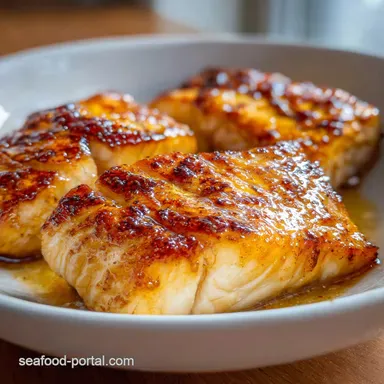
Mahi Mahi Fish: Buttery and Pan-Seared
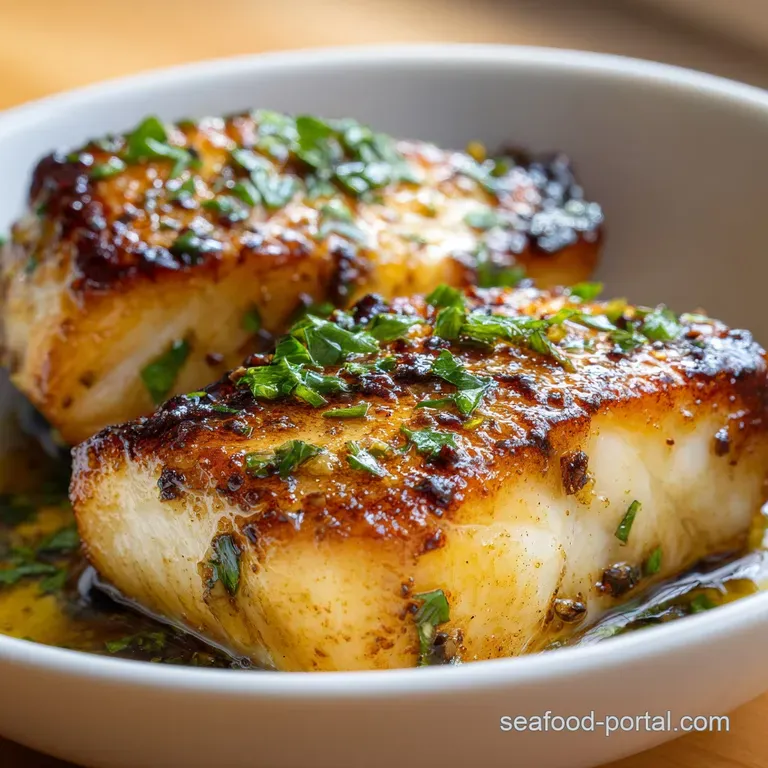
- Time: 5 min active + 10 min cook = Total 25 minutes
- Flavor/Texture Hook: Buttery, lemon infused finish with a crispy exterior
- Perfect for: A fast weeknight dinner that feels fancy
- Easy recipe mahi mahi fish for dinner
- Common Mistakes with Mahi Mahi
- Component Analysis
- What You'll Need
- The Right Gear
- Step-by-Step Cooking Guide
- Fixing Common Cooking Issues
- Troubleshooting Common Issues
- Variations and Custom Twists
- Adjusting the Batch Size
- Debunking Fish Myths
- Storage and Waste Tips
- Sides that Work Best
- Recipe FAQs
- 📝 Recipe Card
That first sssss when the fish hits the hot oil is the sound of victory. I remember the first time I tried cooking mahi mahi, I treated it like a thick piece of salmon and left it in the pan way too long. I ended up with something that had the texture of a rubber pencil eraser.
It was a total disaster, and I almost gave up on this fish entirely.
But then I realized the secret is all in the moisture control and the temperature. Once I stopped guessing and started using a thermometer, everything changed. Now, I can get a crust that almost shatters under the fork while the inside stays juicy and flaky.
If you're looking for a recipe mahi mahi fish that doesn't take all night, you're in the right place. We're going for a fast, over high heat sear and a restaurant style butter baste. It's the kind of meal that looks like it took an hour but actually comes together in a flash.
Easy recipe mahi mahi fish for dinner
Right then, let's talk about why this specific approach works. Most people are afraid of overcooking mahi mahi because it's a lean fish. If you go too far, you lose all that velvety texture.
By using avocado oil, we can get the pan screaming hot without the oil burning, which gives us that deep color without drying out the center.
The magic happens in the last 60 seconds. Instead of just cooking the fish and tossing it on a plate, we add butter, garlic, and lemon at the very end. This creates a rich sauce that clings to the fish, adding a layer of acidity that cuts right through the butter.
It's a quick win that makes the whole dish feel polished.
I've found that letting the fish sit for 10 minutes after seasoning is the one step most people skip. It lets the salt penetrate the meat, which means you get flavor all the way through, not just on the surface.
Plus, it takes the chill off the fish, so it doesn't drop the pan temperature too quickly when you drop it in.
Common Mistakes with Mahi Mahi
- Surface Moisture
- Water on the skin creates steam, which prevents the fish from browning.
- Pan Crowding
- Too many fillets drop the heat, leading to poaching instead of searing.
- Overcooking
- Taking the fish off only when it "looks" done usually means it's already overdone.
- Low Heat
- A lukewarm pan makes the fish stick and ruins the crust.
| Method | Time | Texture | Best For |
|---|---|---|---|
| over High heat Sear | 10 mins | Crispy crust, velvety center | Weeknight speed |
| Classic Bake | 20 mins | Evenly soft, moist | Large batches |
| Slow Poach | 15 mins | Silky, tender | Delicate sauces |
Component Analysis
| Ingredient | Science Role | Pro Secret |
|---|---|---|
| Avocado Oil | High smoke point | Keeps the pan hot without smoking the kitchen |
| Unsalted Butter | Flavor carrier | Added late to prevent burning while basting |
| Lemon Juice | Acid balance | Brightens the heavy fats of the butter |
| Kosher Salt | Moisture draw | Use coarse grains for better crust adhesion |
What You'll Need
For this recipe mahi mahi fish, you want fresh fillets. Make sure they are roughly the same thickness so they cook at the same rate.
- 4 Mahi Mahi fillets (6 oz each) Why this? Consistent size ensures even cooking.
- 2 tbsp avocado oil Why this? Won't smoke at high heat.
- 1 tsp kosher salt Why this? Coarse salt creates a better crust.
- 1/2 tsp cracked black pepper Why this? Coarse grind adds texture.
- 1/2 tsp garlic powder Why this? Even flavor distribution.
- 3 tbsp unsalted butter Why this? Pure fat for the baste.
- 2 cloves garlic, minced Why this? Fresh punch of aroma.
- 1 tbsp fresh lemon juice Why this? Cuts through the richness.
- 1 tbsp fresh parsley, chopped Why this? Fresh, green finish.
Quick Swaps:
| Original Ingredient | Substitute | Why It Works |
|---|---|---|
| Avocado Oil | Grapeseed Oil | Similar high smoke point. Note: Neutral flavor |
| Unsalted Butter | Ghee | Higher smoke point. Note: Nuttier taste, less moisture |
| Lemon Juice | Lime Juice | Similar acidity. Note: Gives a tropical vibe |
If you're looking for a different flavor profile, you might enjoy a poached mahi mahi with coconut lime sauce, which is a completely different texture but just as fast.
The Right Gear
You don't need a professional kitchen, but the pan matters. A stainless steel or cast iron skillet is the gold standard here. Non stick pans are okay, but they don't develop that deep, mahogany crust as well as metal does.
I recommend a 12 inch skillet. If the pan is too small, the fillets will be crammed together, and you'll end up steaming the fish instead of searing it. You want plenty of room for the butter to foam and bubble around the edges of the fish.
Finally, get yourself an instant read meat thermometer. Seriously, don't rely on the "flake test" or pressing the fish with your finger. A few degrees is the difference between a velvety fillet and a piece of cardboard.
Step-by-step Cooking Guide
Phase 1: The Prep
- Pat every side of the Mahi Mahi fillets completely dry using paper towels. Note: This is the only way to get a sear that shatters.
- Combine kosher salt, black pepper, and garlic powder in a small bowl.
- Season both sides of the fillets generously and let them sit at room temperature for 10 minutes.
Phase 2: The over High heat Sear
- Add avocado oil to a 12 inch stainless steel or cast iron skillet over medium high heat until the oil shimmers and begins to smoke slightly.
- Carefully place fillets in the pan and press down lightly with a spatula for 5 seconds. Note: Ensures full surface contact for the crust.
- Sear undisturbed for 3–4 minutes until a deep mahogany colored crust forms and the fish naturally releases from the pan.
- Flip the fillets and cook for another 3–4 minutes.
Phase 3: The Restaurant Finish
- Lower the heat to medium. Add unsalted butter and minced garlic to the pan.
- Once the butter foams, stir in the fresh lemon juice.
- Tilt the pan and spoon the bubbling lemon butter over the fillets continuously for 60 seconds. Note: This "basting" adds moisture and flavor.
- Remove the fillets from the pan when the internal temperature reaches 140°F (60°C) and let them rest for a few minutes.
Fixing Common Cooking Issues
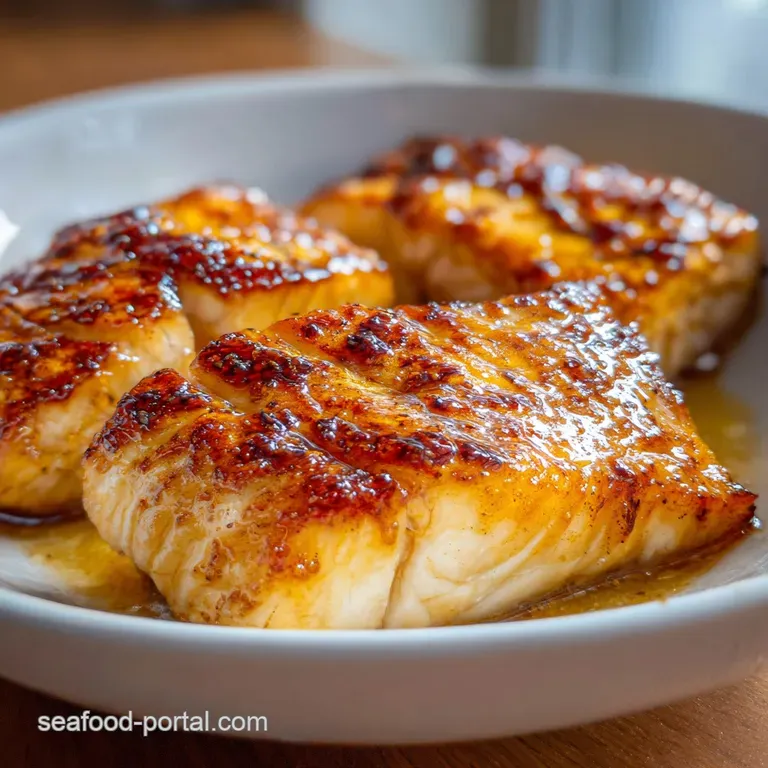
Troubleshooting Common Issues
| Issue | Solution |
|---|---|
| Why Your Fish Sticks to the Pan | Usually, this happens because the pan wasn't hot enough or you flipped the fish too early. The fish will naturally release itself once the crust has formed. If it's sticking, give it another 30 second |
| Why Your Butter Burns | If the butter turns brown or black instantly, your pan is too hot. Lower the heat to medium before adding the butter. The goal is a foaming, bubbling sound, not a violent sizzle. |
| Why Your Fish is Dry | This is almost always due to overcooking. Remember that the temperature will rise about 5 degrees while resting. Pulling it at 140°F (60°C) ensures it hits the ideal doneness without drying out. |
Variations and Custom Twists
If you want to change things up, this recipe mahi mahi fish is a great base. For a more tropical feel, replace the lemon juice with lime and add a pinch of cumin to the seasoning. This version works brilliantly if you're making fish taco sauce to go on the side.
- - Mahi Mahi Recipe Oven
- Place seared fillets on a baking sheet and finish in a 400°F (200°C) oven for 5-8 minutes.
- - Grilled Mahi Mahi Fish Recipes
- Use a grill grate over medium high heat. Brush with oil and grill for 4-5 minutes per side, then brush with the lemon butter at the end.
- - Air Fryer Mahi Mahi
- Set to 400°F (200°C) and cook for 8-10 minutes, flipping halfway through.
Trust me on this: don't bother with low-fat butter here. The fat is what carries the garlic and lemon flavors into the fish. Using a substitute usually leaves the dish tasting flat.
Adjusting the Batch Size
When you're making this recipe mahi mahi fish for a crowd, don't try to jam 8 fillets into one pan. You'll drop the temperature, the fish will release moisture, and you'll end up boiling the fish in its own juices.
Scaling Down (2 fillets):
- Use a smaller 8 or 10 inch skillet.
- Reduce the butter and lemon juice by half.
- Cooking time stays the same, but keep a close eye on the internal temp as smaller pans can sometimes heat up faster.
Scaling Up (8+ fillets):
- Work in batches. Sear 4, remove them to a plate, and then do the next 4.
- Only increase the salt and spices to 1.5x, not 2x, to avoid over salting.
- Baste all the fillets together at the end in a larger pan or by adding a bit more butter to the skillet.
Debunking Fish Myths
One big myth is that searing "seals in the juices." In reality, searing doesn't create a waterproof barrier. It's all about the flavor created by the browning of the proteins. The moisture loss happens regardless, which is why we use the butter baste to add moisture back in.
Another common misconception is that you should cook fish until it's opaque all the way through. If you wait for the center to look completely white, you've likely overcooked it. A slight translucency in the very center, combined with a 140°F (60°C) reading, is where the best texture lives.
Storage and Waste Tips
If you have leftovers, store them in an airtight container in the fridge for up to 2 days. To reheat, avoid the microwave, which will make the fish rubbery. Instead, put them in a pan over low heat with a tiny bit of butter for 2-3 minutes.
For freezing, it's best to freeze the fillets raw. Once they've been seared and basted, the texture changes during freezing and thawing, making them mushy.
Zero Waste Tips:
- Use the leftover lemon rinds to make a quick zest for a salad or pasta.
- If you have a bit of lemon garlic butter left in the pan, pour it over some steamed asparagus or sautéed spinach.
- Save the parsley stems and finely chop them into a homemade pesto.
Sides that Work Best
Since this recipe mahi mahi fish is rich and buttery, you need something to balance it out. I love serving this with a crisp arugula salad with a sharp vinaigrette or some roasted baby carrots.
If you want something heartier, a scoop of quinoa or wild rice works well to soak up that extra lemon butter. Just make sure the side isn't too heavy on the cream, or you'll lose the brightness of the fish. Keep the sides fresh and acidic to make the mahi mahi really pop.
Recipe FAQs
How is mahi mahi best cooked?
Sear over medium-high heat in a skillet. This method creates a mahogany-colored crust and velvety center in about 10 minutes.
What seasoning is best for mahi mahi?
A blend of kosher salt, black pepper, and garlic powder. This simple mix enhances the natural flavor and pairs well with a Vietnamese dipping sauce.
Is mahi mahi good for lowering cholesterol?
Yes, as a lean protein source. It is low in saturated fats and provides omega-3 fatty acids that support heart health.
What are some common mistakes when cooking mahi mahi?
Leaving surface moisture on the fillets. Water on the fish creates steam, which prevents a proper sear and stops the crust from forming.
How to prevent mahi mahi from sticking to the pan?
Pat the fillets completely dry and use shimmering avocado oil. Allow the fish to sear undisturbed for 3–4 minutes until it naturally releases from the pan.
Is it true that mahi mahi must be cooked until it is opaque throughout?
No, this is a common misconception. Remove the fish when the internal temperature reaches 140°F to prevent it from becoming rubbery.
How to reheat leftover mahi mahi without making it rubbery?
Warm in a pan over low heat with a small amount of butter. Avoid using a microwave, as it will ruin the texture of the fish.
Recipe Mahi Mahi Fish in 25 Minutes