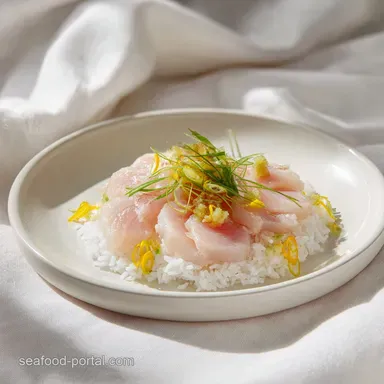
Yellowtail Scallion Sushi: Buttery and Fresh
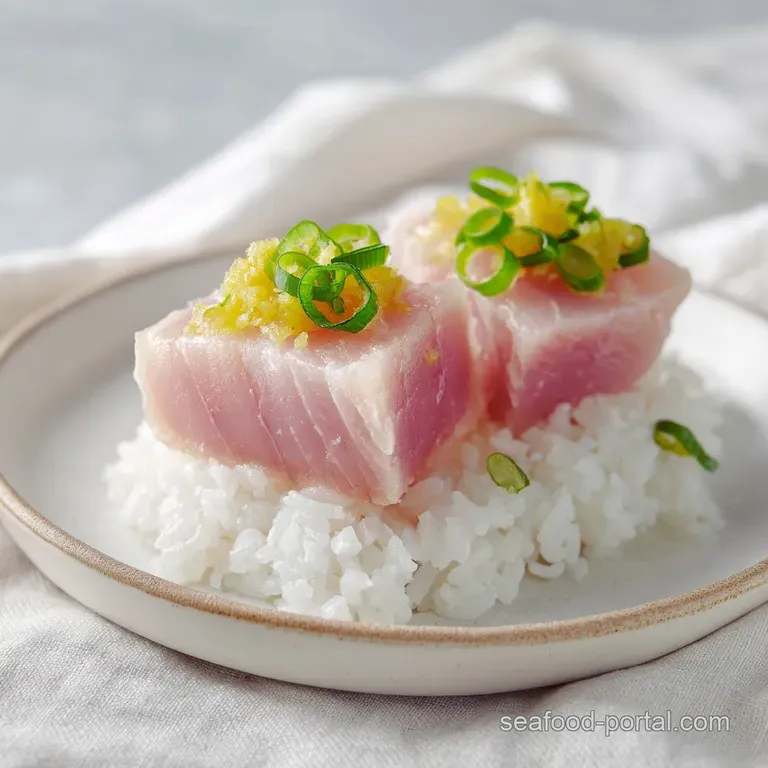
- Time: 20 min active + 30 min chilling = Total 70 mins
- Flavor/Texture Hook: Buttery, silky hamachi with a bright, citrusy ponzu pop
- Perfect for: An impressive date night or a high end weekend treat
- Making the Best Yellowtail Sushi
- Key Techniques for Better Sushi
- The Full Recipe Specs
- Everything You'll Need
- Essential Tools for Success
- Simple Step-by-Step Process
- Fixing Common Sushi Mistakes
- Ways to Customize Flavor
- Sushi Truths and Myths
- Storage and Waste Tips
- What to Serve Alongside
- High in Sodium
- Recipe FAQs
- 📝 Recipe Card
The scent of toasted sesame seeds and the sharp, vinegary tang of seasoned rice always take me back to my first attempt at this. I remember standing in my kitchen, convinced that unless I had trained for a decade in a hidden Tokyo basement, my attempt would be a disaster.
I thought the "art" of sushi was some mystical secret guarded by masters, but honestly, that's just a myth.
You don't need a professional apprenticeship to get that restaurant quality glide. The truth is, great sushi at home comes down to two things: the quality of your fish and the temperature of your rice. Once you stop overthinking the "tradition" and start focusing on the textures, you'll realize that making Yellowtail Sushi is more about a few clever tricks than years of study.
Expect a dish that hits every note. You'll get the subtle sweetness of the short grain rice, the rich, fatty depth of the hamachi, and a zingy finish from the ponzu. It's vibrant, bold, and surprisingly approachable once you get your rhythm down. Let's crack on.
Making the Best Yellowtail Sushi
Right then, before we jump into the ingredients, we need to talk about the "why". Most people mess up their Yellowtail Sushi because they treat the rice like a side dish and the fish like a topping. In reality, they are a partnership.
If your rice is too hot, it'll cook the fish from the bottom up, ruining that raw, buttery texture. If it's too cold, the grains won't stick together, and your sushi will literally fall apart the moment you pick it up.
I've found that the real magic happens in the cooling phase. When you fold in the vinegar, salt, and sugar, you're not just flavoring the rice, you're changing its structure. The vinegar helps the grains hold their shape while remaining fluffy.
It’s a delicate balance that transforms a simple bowl of starch into a professional base for the fish.
When you finally assemble your Yellowtail Sushi, the goal is a "breath of air" inside the rice mound. You don't want a dense ball of glue. You want a light, airy pillow that supports the slice of fish without overpowering it. Trust me on this, the lighter the touch, the better the result.
Key Techniques for Better Sushi
To get this right, you have to respect the physics of the ingredients. Since we're dealing with raw fish, the thermodynamics are everything. If you've ever wondered how to get that professional look, check out this guide on nigiri sushi to see how the shaping works in detail.
- Starch Control
- Rinsing the rice removes excess surface starch, which prevents the grains from clumping into a mushy mass.
- Acid Stabilization
- The rice vinegar lowers the pH of the rice, which not only adds that signature tang but also helps the grains stay distinct.
- Protein Tension
- Keeping the yellowtail near freezing firms up the muscle fibers, making it possible to get those paper thin, clean slices.
- Moisture Barrier
- Using Tezu (vinegar water) on your hands prevents the sticky rice from clinging to your skin, allowing for a smooth shape.
| Method | Time | Texture | Best For |
|---|---|---|---|
| Stovetop Pot | 20 mins | Traditional, a bit more varied | Control over heat |
| Rice Cooker | 20 mins | Consistent, fluffy | Hands off ease |
| Steam Pot | 25 mins | Very light, distinct grains | Purists |
The Full Recipe Specs
Before we get into the "how," let's look at what's actually happening inside the bowl. I like to think of the components as a balance of fat, acid, and salt. The yellowtail provides the fat, the ponzu and vinegar provide the acid, and the soy and sea salt bring the savory depth.
Component Analysis
| Ingredient | Science Role | Pro Secret |
|---|---|---|
| Sushi Rice | Structural Base | Rinse until water is crystal clear |
| Yellowtail | Primary Protein | Freeze for 10 mins before slicing |
| Rice Vinegar | Flavor & Texture | Use a slicing motion to fold in |
| Ponzu/Lime | Acidic Contrast | Add grated ginger for a spicy kick |
Everything You'll Need
For the best Yellowtail Sushi, don't even bother with long grain rice or generic "white rice." You need that specific stickiness that only short grain Japanese rice provides. According to Serious Eats, the starch profile of short grain rice is what allows the nigiri to hold its shape without becoming a paste.
For the Low Sugar Sushi Rice
- 1 cup (185g) short grain Japanese sushi riceWhy this? High starch for the perfect "stick"
- 1 1/4 cups (300ml) filtered waterWhy this? Prevents chlorine taste from affecting fish
- 3 tbsp (45ml) rice vinegarWhy this? Essential for the traditional tang
- 1 tsp (5g) sea saltWhy this? Enhances the natural sweetness of rice
- 1 tsp (4g) cane sugarWhy this? Balances the acidity of the vinegar
For the Yellowtail & Garnish
- 8 oz (225g) sushi grade yellowtail (hamachi), skin removedWhy this? Buttery texture, rich flavor
- 2 stalks (20g) scallions, thinly sliced on a biasWhy this? Adds a sharp, fresh crunch
- 1 tbsp (15ml) fresh lemon juiceWhy this? Brightens the heavy fats of fish
- 1/2 tsp (2g) toasted sesame seedsWhy this? Nutty aroma and visual pop
For the Light Ponzu Drizzle
- 2 tbsp (30ml) low sodium soy sauceWhy this? Umami base without over salting
- 1 tbsp (15ml) fresh lime juiceWhy this? Zesty alternative to lemon
- 1 tsp (5ml) mirinWhy this? Adds a glossy finish and sweetness
- 1 pinch (1g) grated gingerWhy this? Subtle heat and digestive aid
| Original Ingredient | Substitute | Why It Works |
|---|---|---|
| Yellowtail (Hamachi) | Kingfish | Similar fat content and color. Note: Slightly firmer texture |
| Rice Vinegar | Apple Cider Vinegar | Similar acidity. Note: Adds a fruitier, stronger scent |
| Mirin | Honey + Water | Mimics sweetness. Note: Lacks the fermented depth of mirin |
| Scallions | Chives | Similar oniony profile. Note: Much milder flavor |
Essential Tools for Success
You don't need a full Japanese toolkit, but a few things make a huge difference. A very sharp knife is non negotiable. If your knife is dull, you'll crush the fish cells instead of slicing them, which ruins the velvety texture of the Yellowtail Sushi.
I recommend a Yanagiba if you have one, but a sharp chef's knife works just fine. Also, grab a wooden bowl (hangiri) or a large glass bowl for the rice. Avoid metal bowls for mixing the vinegar, as the acid can sometimes react with the metal and give the rice a weird metallic aftertaste.
Chef's Note: If you don't have a rice cooker, a heavy bottomed pot with a tight fitting lid is your best friend. The goal is to trap the steam perfectly so the rice cooks evenly without burning at the bottom.
Simple step-by-step Process
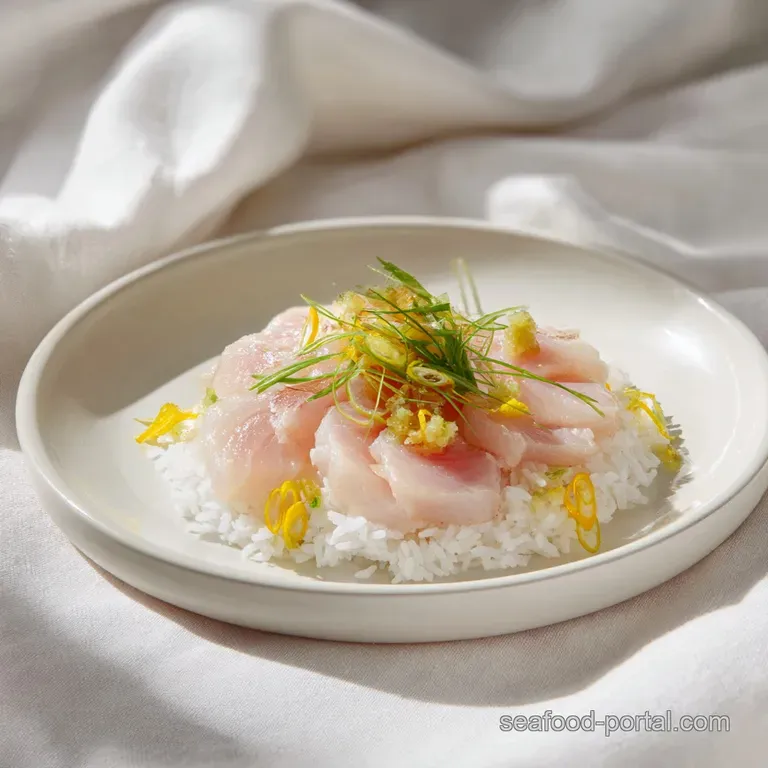
Now, let's get into the actual assembly. Remember, the goal here is efficiency and temperature control. Keep your fish in the fridge until the very last second.
- Rinse the rice. Place the 1 cup of rice in a fine mesh strainer and run cold water over it, swirling with your hand, until the water runs clear. Note: This removes the surface starch so your Yellowtail Sushi doesn't become gummy.
- Cook the rice. Combine the rinsed rice and 1 1/4 cups of water in your pot or rice cooker. Cook for 20 mins until the water is fully absorbed and the rice is plump.
- Season the rice. While the rice is still steaming hot, gently fold in the rice vinegar, salt, and sugar. Use a "slicing" motion with a spatula, cutting through the rice rather than stirring it. Note: Stirring mashes the grains; slicing preserves them.
- Cool the rice. Spread the rice out on a tray or in a bowl and let it cool to room temperature for about 30 mins, uncovered. Wait until you smell the sharp vinegar aroma mellow into a sweet scent.
- Chill the fish. Place your yellowtail in the freezer for 10 minutes. Note: This makes the fish firm enough to slice with precision.
- Slice the hamachi. Using a sharp knife, slice the yellowtail into 1/4 inch (6mm) thick pieces. Always slice against the grain using a single, long drawing motion from the heel of the knife to the tip.
- Prep the hands. Mix a small bowl of water and a splash of rice vinegar (Tezu). Dip your fingers in this before handling the rice.
- Shape the rice. Scoop about 1 tbsp of seasoned rice and gently shape it into a small oblong mound. Press just enough so it holds together, but keep the center airy.
- Assemble the pieces. Place one slice of yellowtail over the rice mound. Carefully place a thin sliver of scallion and one toasted sesame seed on top of the fish.
- Drizzle the ponzu. Whisk together the soy sauce, lime juice, mirin, and ginger. Drizzle a small amount over each piece of Yellowtail Sushi just before serving.
Fixing Common Sushi Mistakes
Making Yellowtail Sushi is a learning curve. The first time I tried this, I pressed the rice so hard it was like eating a gummy bear. I also forgot to chill the fish, and it just slid around the cutting board. Don't let that happen to you.
The Rice is Mushy
This usually happens if you didn't rinse the rice long enough or if you added too much water. If the rice is already cooked and mushy, you can't "fix" it, but you can salvage it by using it for a sushi bowl (chirashi) instead of nigiri.
The Fish "Tears" or Shreds
This is a classic sign of a dull knife or warm fish. When the fish is too warm, the fats soften, and the knife drags through the protein instead of gliding. Always freeze for those 10 minutes.
The Rice Sticks to Your Fingers
You're likely not using enough Tezu (vinegar water). Your hands should be damp. If the rice is sticking, re dip your fingers every few pieces of Yellowtail Sushi.
| Problem | Root Cause | Solution |
|---|---|---|
| Rice falls apart | Not enough pressure or under seasoned | Firm up the mound slightly; check vinegar ratio |
| Fish tastes "fishy" | Poor quality or too warm | Use only sushi grade; keep chilled until slicing |
| Ponzu is too salty | Too much soy, not enough lime | Add a teaspoon of mirin or a drop of honey |
Common Mistakes Checklist
- ✓ Did you rinse the rice until the water was crystal clear?
- ✓ Is the rice at room temperature (not hot) before adding fish?
- ✓ Did you slice the fish against the grain?
- ✓ Are your hands damp with vinegar water during assembly?
- ✓ Did you use a single drawing motion with the knife?
Ways to Customize Flavor
Once you've nailed the basic Yellowtail Sushi, it's time to get adventurous. Yellowtail is a very "forgiving" fish because its richness can handle a lot of bold flavors.
The Jalapeño Kick For a street style twist, add a thin slice of fresh jalapeño on top of the fish. The heat cuts through the fatty hamachi perfectly. This is a staple in modern sushi spots and adds a vibrant pop to the plate.
The Aburi Style If you have a kitchen torch, try the Aburi method. Lightly sear the top of the fish for 2-3 seconds. You'll hear a quick sizzle and smell the fats caramelizing. This creates a smoky contrast to the cool rice.
The Keto Friendly Swap If you're avoiding carbs, skip the rice entirely. Instead, use a thick slice of cucumber or a piece of avocado as the base. You'll lose the vinegar tang, but the creaminess of the avocado complements the Yellowtail Sushi beautifully.
The Vegan Twist While you can't have yellowtail in a vegan dish, you can mimic the texture using marinated king oyster mushrooms. Slice them thinly and marinate them in the ponzu drizzle for an hour. If you want a full meal, try my sushi burrito wrap for more ideas on assembly.
| Preference | Action | Outcome |
|---|---|---|
| More Heat | Add Jalapeño | Spicy, sharp contrast |
| Smoky Flavor | Torch the Fish | Charred, rich aroma |
| Low Carb | Use Avocado | Creamy, nutrient dense |
| Extra Umami | Add Truffle Oil | Earthy, luxurious finish |
Sushi Truths and Myths
There's a lot of noise online about what "real" sushi is. Let's clear a few things up so you can enjoy your Yellowtail Sushi without feeling like a fraud.
Myth: You must use expensive "premium" rice. The truth is that any high-quality short grain Japanese rice will work. The key isn't the price tag; it's the rinsing and the seasoning process. As long as the starch is managed, the result will be professional.
Myth: Searing the fish "locks in" the flavor. Actually, searing (Aburi style) doesn't lock anything in; it creates new flavors through the browning of proteins. It changes the flavor profile from "clean and fresh" to "rich and smoky," which is a matter of preference, not a rule of quality.
Myth: All Yellowtail Sushi must be raw. While nigiri is traditionally raw, many regional styles use lightly cured or smoked fish. If you're nervous about raw fish, a quick 30 second sear on a hot pan makes it an incredible appetizer.
Storage and Waste Tips
Sushi is best eaten immediately, but we've all had leftovers. The tricky part is that the rice can harden in the fridge. To keep your Yellowtail Sushi from turning into a brick, wrap the pieces tightly in plastic wrap and store them in an airtight container.
Storage Guidelines - Fridge: Keep for up to 24 hours. Any longer and the rice loses its moisture. - Freezer: Do not freeze assembled sushi. The rice will ruin, and the fish will lose its velvety texture.
Zero Waste Tips Don't throw away the yellowtail trim! The small scraps left over from slicing the perfect rectangles are perfect for a spicy tuna style roll or a quick poke bowl.
You can also use the leftover seasoned rice to make a fried rice the next morning, the vinegar in the sushi rice actually adds a great depth of flavor when sautéed with some soy and veggies.
If you have extra scallion ends, freeze them in a small bag. They won't be good for garnish anymore, but they're brilliant for adding to a base for homemade sushi sauce or a general stir fry.
What to Serve Alongside
To make a full meal out of your Yellowtail Sushi, you want sides that cleanse the palate. The richness of the hamachi is amazing, but after a few pieces, your taste buds need a reset.
I always suggest a side of pickled ginger (gari) and a small pile of wasabi. The ginger acts as a palate cleanser, while the wasabi provides a nasal heat that cuts through the fish's oils. A light miso soup with tofu and seaweed is also a classic pairing that adds warmth to the meal.
If you're looking for something more filling, a simple sunomono (cucumber salad) with a rice vinegar dressing is the way to go. The crunch of the cucumber and the acidity of the dressing mirror the flavors in the Yellowtail Sushi, creating a cohesive dining experience.
Once you've mastered this, you can experiment with other fish. The same principles apply whether you're making tuna or salmon. Just remember the golden rules: cold fish, room temp rice, and a very sharp knife.
Your Yellowtail Sushi will be the star of the night, and you'll finally see that you don't need a fancy sushi bar to eat like a king. Enjoy the process, embrace the bold flavors, and most importantly, eat it while it's fresh!
High in Sodium
980 mg 980 mg of sodium per serving (43% 43% of daily value)
The American Heart Association recommends a daily sodium limit of no more than 2,300 mg for most adults to maintain heart health.
Tips to Reduce Sodium
-
Reduce Rice Salt-25%
Cut the sea salt in the rice seasoning by half or omit it entirely, as the rice vinegar provides a tangy flavor that complements the fish.
-
Swap Soy Sauce-20%
Replace the low-sodium soy sauce with coconut aminos, which typically contains significantly less sodium while maintaining a savory profile.
-
Amplify Citrus-10%
Increase the lemon and lime juice to enhance the natural acidity, which tricks the palate into needing less salt for flavor balance.
-
Boost Aromatics
Double the amount of grated ginger and sliced scallions to add depth and punch without adding any extra milligrams of sodium.
Recipe FAQs
What kind of fish is yellowtail sushi?
Yellowtail, also known as Hamachi. It is a buttery, mild-flavored fish prized for its velvety texture and high omega-3 content.
What is the best sushi for diabetics?
Raw fish slices without rice. Minimizing the seasoned sushi rice reduces the glycemic load and sugar intake.
Is yellowtail better than tuna?
It depends on your taste preference. Yellowtail is richer and more buttery, while tuna is typically leaner with a more distinct, metallic tang.
Can sushi lower cholesterol?
Not directly, but it contains heart-healthy fats. Yellowtail provides omega-3 fatty acids which help manage cholesterol levels when part of a balanced diet.
How to slice yellowtail for the best texture?
Slice against the grain using a single long drawing motion. Ensure the fish is very cold, place it in the freezer for 10 minutes if needed, and cut pieces to 1/4 inch (6mm) thickness.
Is it true that assembled sushi can be frozen?
No, this is a common misconception. Freezing assembled sushi ruins the rice texture and causes the fish to lose its velvety quality.
How to prevent sushi rice from sticking to hands?
Wet your hands in vinegar water (Tezu). This prevents the starch from clinging as you shape 1 tablespoon mounds. If you enjoyed mastering the rice-handling technique here, see how it works in our salmon avocado roll.
Silky Yellowtail Sushi for 2 Servings