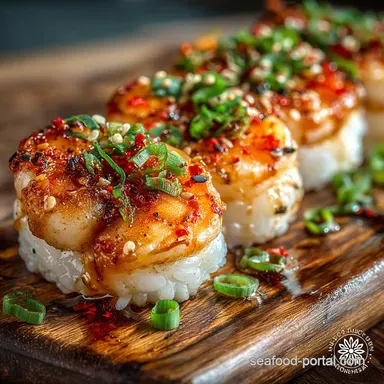
The Classic Simple Elegant Ebi Nigiri Perfect Prawn Sushi
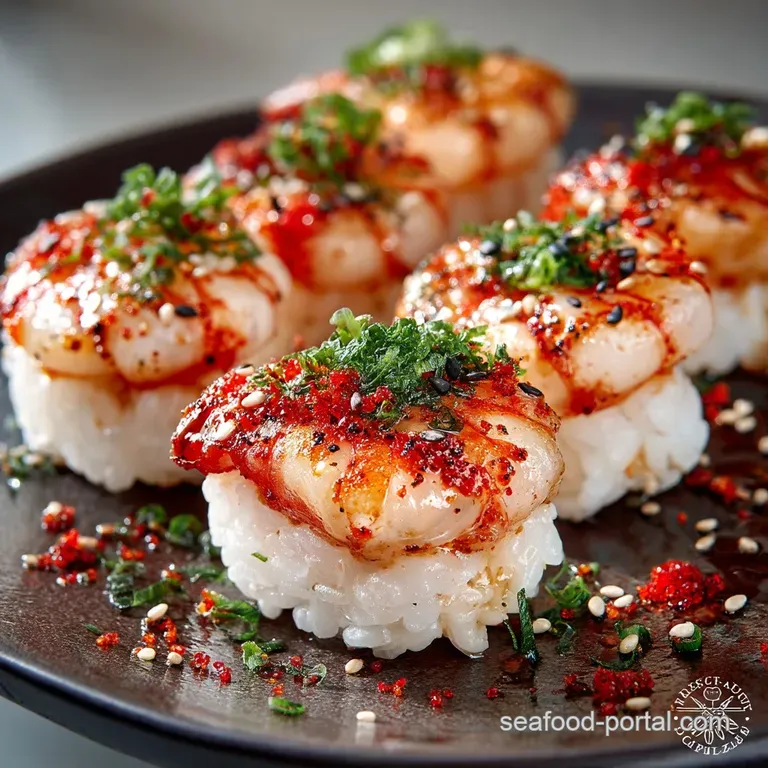
- The Cornerstone of the Platter: Why Ebi Nigiri Matters
- Beyond the Takeout Menu: Your Healthy Sushi Beginning
- The Essential List: Ingredients for Expert Shrimp Sushi
- The Foundation: Preparing Fluffy, Sticky Sushi Rice
- Mastering the Ebi Butterfly: Cooking Prawns for Classic Shrimp Sushi
- The Final Act: Hand-Shaping the Nigiri
- Optimizing Your Plate: Serving and Storage Insights
- Recipe FAQs
- 📝 Recipe Card
The Cornerstone of the Platter: Why Ebi Nigiri Matters
When mastering the art of sushi at home, the Ebi Nigiri stands out as the perfect place to begin. This quintessential preparation of expertly cooked shrimp draped over seasoned rice is often considered the litmus test of a sushi chef’s fundamental skill.
Unlike raw fish varieties, the simplicity of preparing Ebi Nigiri focuses entirely on execution: achieving perfectly textured, sticky rice and flawlessly cooked, straight Ebi (shrimp).
The delicate sweetness of the cooked prawn harmonizes beautifully with the tangy, vinegared rice, making this form of Classic Shrimp Sushi an elegant and approachable centerpiece for any homemade platter.
It’s a testament to the belief that true culinary genius often lies in the quality of preparation, not the complexity of ingredients.
Beyond the Takeout Menu: Your Healthy Sushi Beginning
Moving past pre-packaged sushi means unlocking better flavour, freshness, and control over ingredients. Our method for creating this spectacular Prawn Sushi is classified as medium difficulty the steps are straightforward, but the precision required for the rice texture necessitates patience, making this an ideal challenge for ambitious home cooks.
Deconstructing the Classic: Elegance in Simplicity
This recipe focuses entirely on the integrity of its two main components. We utilize large, sweet shrimp, ensuring they are cooked quickly to maintain tenderness while showcasing the signature 'butterfly' cut required for Ebi Nigiri .
We emphasize the preparation of Shari (vinegared rice), the absolute heart of the dish, ensuring it is lightly seasoned with the awasezu mix to achieve that glossy, slightly sticky finish essential for shaping.
These Shrimp Sushi Recipes are truly about finding excellence in minimalism.
Is Ebi Nigiri Safe to Eat Raw? (Addressing a Common Concern)
A frequent question for those new to preparing seafood is whether the Shrimp Sushi topping needs to be cooked. For classic Ebi Nigiri , the answer is an emphatic yes. The shrimp used here must be thoroughly cooked (poached), ensuring it is firm, opaque, and safe to consume.
This fully cooked nature is one of the reasons why Ebi Nigiri is one of the best Sushi Recipes For Beginners —it removes the concerns associated with handling and preparing raw, sushi grade fish.
The Essential Tools You Already Own
Achieving high-quality results doesn't require a commercial kitchen. While traditional tools like a Hangiri (a wooden rice cooling tub) are ideal, a large, shallow, non-metallic bowl (glass or ceramic) works perfectly for seasoning the rice without risk of vinegar reaction.
You will definitely need a fine mesh sieve for washing the rice, a very sharp chef's knife for butterflying the shrimp, and crucially, long bamboo skewers to keep the prawns straight while cooking.
A rice cooker is highly recommended for consistent results, though a heavy bottomed saucepan with a tight lid will also suffice.
Why Homemade Shrimp Sushi Tastes Best
The flavour difference between homemade and store-bought sushi is dramatic, largely because of the rice. To achieve the correct texture, sushi rice must be served at or slightly below body temperature (tepid).
Store-bought sushi is often refrigerated, resulting in hard, dry rice grains that diminish the delicate sweetness of the shrimp. When you take the time to prepare and properly season the rice and cook the Ebi fresh, you unlock a superior depth of flavour and a light, airy texture that truly elevates this Easy Shrimp Sushi .
The Essential List: Ingredients for Expert Shrimp Sushi
Creating high-quality sushi relies on sourcing and measuring ingredients precisely. You should aim for a total preparation time of about 1 hour and 20 minutes, including the critical cooling phases.
Perfecting the Grain: Selecting the Right Sushi Rice
The foundation requires 300g (1 ½ cups) of Japanese short grain rice. This specific type is non-negotiable, as its high starch content creates the necessary stickiness and structure required to form the nigiri pad. Combine this with an equal measure of filtered water (360ml or 1 ½ cups) for cooking.
For the topping, secure 12 large, high-quality prawns (about 300g), preferably shell-on and head off, but deveined.
Creating Awasezu: The Tangy Seasoning That Gives Sushi Life
The flavour of the rice comes entirely from the awasezu , the tangy seasoning mixture. This is prepared by gently heating 60ml (¼ cup) of unseasoned rice vinegar with 30g (2 Tbsp) of granulated sugar and 5g (1 tsp) of fine sea salt until fully dissolved.
This balance of sweet, sour, and salty is what transforms plain steamed rice into Shari . For cooking the shrimp, have ready 1.5 L (6 cups) of water seasoned with 15g (1 Tbsp) of salt, and optionally, a tablespoon of sake to add aroma and sweetness.
The Garnishes and Binding Agents (Nori Strips, Wasabi)
The beauty of Ebi Nigiri is its simplicity, meaning Nori (seaweed) strips are usually unnecessary. Instead, focus on the binding agent: a dab of high-quality wasabi paste. This paste is not only for flavour but functions as the traditional "glue" connecting the delicate shrimp to the rice pad.
Always plan to serve your finished creations with pickled ginger ( Gari ) and a light soy sauce ( Shoyu ).
Related Recipes Worth Trying
- RestaurantStyle Hibachi Shrimp Quick Garlic Butter Sear Recipe — Skip the steakhouse This easy Hibachi Shrimp recipe delivers that sizzling butterkissed Benihana flavour in under 30 minutes Perfect texture every time
- Classic New Orleans Shrimp Creole The Proper Way to Build Flavour — This authentic Shrimp Creole recipe delivers rich complex New Orleans flavour using the Holy Trinity Follow our foolproof method for a stunning sauce and...
- The Ultimate WineFree Shrimp Scampi Pasta Ready in 30 Minutes — This easy shrimp scampi recipe delivers silky restaurantquality lemongarlic sauce without wine in just 30 minutes Foolproof technique for the best shrimp scampi
The Foundation: Preparing Fluffy, Sticky Sushi Rice
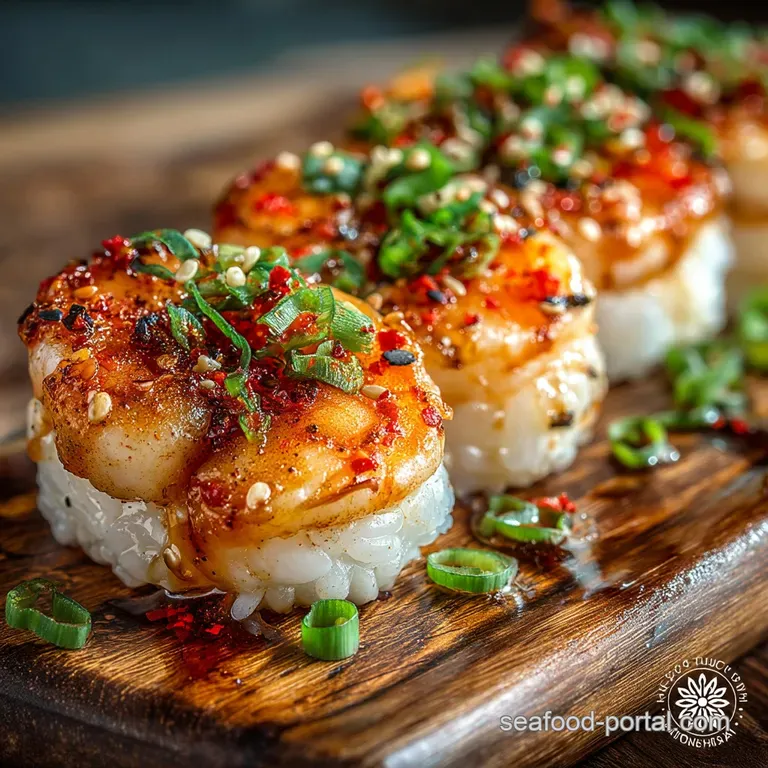
The quality of your Shari dictates the success of your How To Make Sushi endeavor. Start by placing the 300g of short grain rice in a fine mesh sieve and rinsing it under cold running water.
This step is critical; continue rinsing until the water runs completely clear, removing excess surface starch that would otherwise make the rice gluey. Once rinsed, combine the rice and the filtered water in your rice cooker or heavy bottomed pot.
Cook thoroughly, following the directions for your appliance, or by simmering tightly covered for 15 minutes. Crucially, after cooking, let the rice steam, undisturbed and off-heat, for another 10 to 15 minutes.
Do not peek this extended steaming ensures the grains are cooked evenly and maintain their fluffy integrity.
Mastering the Ebi Butterfly: Cooking Prawns for Classic Shrimp Sushi
To achieve the picture perfect flat profile of classic Ebi Nigiri , the shrimp requires special handling before and during cooking. Start by completely shelling the 12 large prawns, leaving the tail segment attached if you desire.
The key technique here is to make a small, shallow cut along the inner (belly) curve where the legs were. This allows the shrimp to stretch. Next, thread two long bamboo skewers lengthwise through the shrimp, parallel to each other.
This holds the prawn perfectly straight, preventing the frustrating 'C' curl that usually occurs when shrimp are boiled, ensuring you get that elegant, flat profile required for presentation. Bring your large pot of salted water (and sake, if using) to a rolling boil and drop the skewered shrimp in.
Cook for precisely 2 to 3 minutes, just until the shrimp turns bright pink and opaque. Immediately plunge the cooked, skewered shrimp into an ice bath to rapidly halt the cooking process and lock in their colour and tenderness.
Once cooled, remove the skewers and slice the shrimp deeply down the back (the opposite side from the initial cut) to fully butterfly and flatten the meat.
The Final Act: Hand Shaping the Nigiri
With the rice cooked and seasoned, and the Ebi prepared, we move onto the artistry of assembly.
Washing and Resting: Prepping the Rice Grains
While the rice was steaming, the awasezu (vinegar, sugar, and salt mix) should have been prepared and cooled slightly. Once the rice is transferred hot into your non-metallic cooling vessel, pour the awasezu evenly over the grains.
To prepare your hands for shaping, keep a small bowl of tezu (vinegar mixed with cold water) nearby and wet your hands thoroughly before you touch the rice. This step prevents the sticky rice from adhering to your skin and keeps the rice grains airy.
Seasoning the Rice: The Cutting and Folding Technique
Using a wooden spoon or spatula, employ a decisive slicing and folding motion to distribute the awasezu throughout the rice. Never stir or mash, as this releases too much starch and breaks the grains. As you fold, simultaneously fan the rice vigorously to cool it quickly to body temperature (tepid).
This rapid cooling is vital for achieving the characteristic glossy sheen and preventing the rice from becoming gummy. Cover the seasoned rice with a damp cloth until ready for assembly.
Straightening the Prawn: Avoiding the Curl
After the successful skewering and blanching, your Ebi should now be perfectly straight. Take the butterflied shrimp and prepare it for assembly by pressing it lightly flat. The goal is a uniform, elegant prawn ready to cap the rice pad.
The Essential Simmer: Cooking the Ebi to Crisp Perfection
As reviewed in the preparation stage, the key to tender, crisp shrimp is the brief 2 3 minute simmer followed by the immediate ice bath. This process ensures the meat is firm but avoids the rubbery texture of overcooked shellfish.
Forming the Rice Pad: The Gentle Hand Technique
Dip your hands in the tezu , shake off excess water, and scoop 1 ½ to 2 tablespoons of seasoned rice into your palm. Gently compress and shape the rice into a uniform, oblong oval pad. The pressure must be exceptionally light imagine you are holding a newborn chick.
Over squeezing is a common mistake that yields dense, unpleasant nigiri. The rice should hold its shape but still feel loose and breathable.
Assembly and Presentation Tips
Take a tiny dab of wasabi paste and smear it lightly onto the rice pad; this is the traditional adhesive. Next, place the butterflied shrimp (cut-side down, belly facing the rice) directly onto the wasabi line. Use two fingers to gently press the shrimp onto the rice, confirming the bond.
Flip the nigiri over and shape the sides one last time with minimal pressure. These elegant pieces of Classic Shrimp Sushi should be served immediately alongside pickled ginger and soy sauce.
Optimizing Your Plate: Serving and Storage Insights
Ebi Nigiri is best enjoyed within moments of its creation. For a traditional plate, pair your creations with a side of lightly salted edamame and a steaming bowl of Miso Soup.
When dipping, remember the etiquette: lightly dip the Ebi topping into the soy sauce, not the rice, as the rice absorbs liquid quickly and can cause the nigiri to fall apart.
Customizing Your Creation: Delicious Shrimp Sushi Variations
While the basic Shrimp Sushi offers unparalleled elegance, you can easily customize the dish. For a spicier flavour profile, try Spicy Ebi Nigiri by tossing the cooked, sliced shrimp in a mix of minced garlic, soy sauce, and sriracha before assembly.
Alternatively, you could skip the nigiri form entirely and roll the shrimp with avocado and cucumber for a Tempura Ebi Maki.
Troubleshooting Dry Rice and Crumbly Nigiri
If your rice is dry and hard, it typically means it was either not steamed long enough after cooking or, more likely, it was refrigerated. Sushi rice dries out rapidly in the cold.
If your nigiri falls apart, the fault usually lies with your hands: you need more tezu (vinegar water) to prevent sticking, or you failed to achieve the necessary lightness when shaping, resulting in grains that don’t bond properly.
How Long Does Homemade Ebi Nigiri Last?
For optimal texture and safety, homemade Ebi Nigiri should be consumed the same day it is made. Due to the rapid decline in rice quality, it should not be refrigerated, which ruins the texture.
If necessary, you can store it lightly covered at room temperature for a maximum of three to four hours.
Nutritional Breakdown: A Healthy Alternative
As a low-fat protein option, Prawn Sushi makes an excellent, healthy meal. Based on standard portioning (about four pieces of nigiri), this recipe provides approximately 300 to 350 total calories and a robust 18g of lean protein, making it far lighter and often more satisfying than many standard takeout options.
Recipe FAQs
I'm making Ebi Nigiri for the first time what's the secret to getting the rice shape right without squishing it?
The cardinal rule of sushi shaping is to use the lightest touch, much like handling a delicate teacup. If you squeeze the rice too hard, it becomes dense and gluey a genuine tragedy!
Keep your hands frequently wet with the tezu (vinegar water) to prevent sticking, and aim for just enough pressure to make the rice hold its oblong shape, leaving it airy and slightly yielding.
My shrimp keeps curling up like a question mark when I cook it. What's the trick to getting that elegant straight Ebi shape?
Ah, the dreaded shrimp curl! The recipe calls for threading the raw shrimp lengthwise onto bamboo skewers before cooking this acts as a temporary splint, forcing the Ebi to remain perfectly straight as the muscle contracts in the heat.
Also, making that shallow cut along the belly beforehand relaxes the muscle further, helping it lay perfectly flat for beautiful presentation.
I made a huge batch of Shrimp Sushi what's the best way to store leftovers for tomorrow's lunch?
Honestly, sushi is like a fresh cuppa best enjoyed immediately. Refrigerating the rice turns it hard and dry, ruining that perfect texture. If you absolutely must store it, wrap the pieces loosely in cling film and keep them at cool room temperature for no more than three hours, but for safety, don’t risk it, mate eat the delicious Shrimp Sushi straight away!
Can I cheat and use pre-cooked shrimp instead of preparing the Ebi myself?
While technically you can use pre-cooked shrimp, you’ll lose the perfect texture and control over the shape that is essential for proper Ebi Nigiri. If you must use pre-cooked, ensure they are still fully defrosted and briefly warmed in lukewarm water, then butterfly them as instructed.
Just be aware that the subtle sweetness and firm bite of freshly poached shrimp makes all the difference here.
I'm watching my sugar intake; how can I adapt the rice seasoning without losing the classic sushi tang?
The sugar in the awasezu is vital for balancing the vinegar, but you can certainly reduce the amount listed by half without upsetting the structure. Alternatively, swap half the granulated sugar for a tablespoon of good quality Mirin (sweet rice wine), which offers a complex sweetness with fewer refined sugars.
This adaptation maintains the necessary gloss and flavour profile while helping keep things sensible.
Classic Ebi Nigiri Prawn Sushi For Beginners