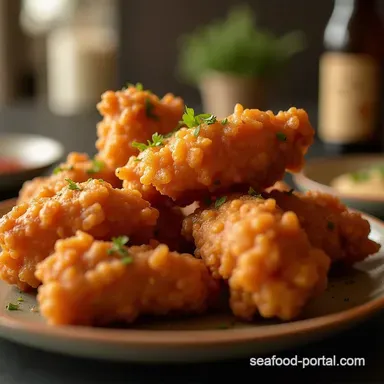
Seoul Secrets the Ultimate Doublefried Korean Fried Chicken KFC
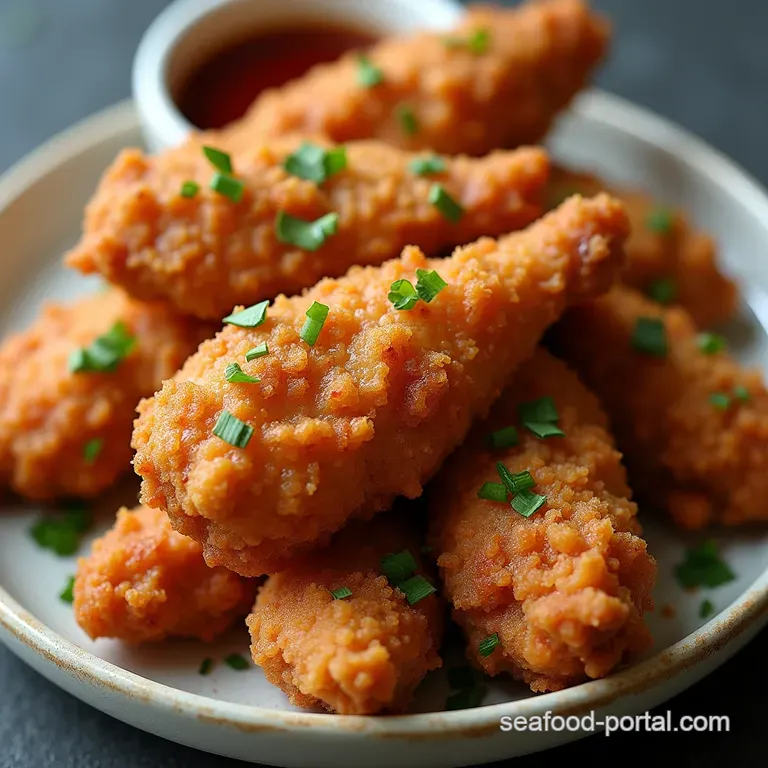
- Unveiling the Crunch: Why Seoul's Chicken Reigns Supreme
- Beyond the Pub Grub: Defining Authentic Korean Fried Chicken Magic
- Assembling Your Arsenal: Components for Peak Crispiness
- Mastering the Batter and Initial Fry Stage
- The Crucial Second Fry: Achieving Shattering Texture
- Elevating Your Korean Fried Chicken Experience Beyond the Plate
- Recipe FAQs
- 📝 Recipe Card
Unveiling the Crunch: Why Seoul's Chicken Reigns Supreme
Right then, buckle up! We’re diving headfirst into the magnificent world of Korean Fried Chicken —or Chikin , as the locals call it.
Forget those heavy, soggy versions you might have had down the pub; we’re aiming for that shatteringly crisp, impossibly light crust that defies logic and makes you want to shout, "Cor blimey!" This isn't just fried poultry; it's a culinary phenomenon built on precise technique.
This Korean Fried Chicken recipe is meticulously crafted to unlock that authentic Seoul street food magic, transforming humble wings and thighs into edible works of art that stay crisp for ages.
Beyond the Pub Grub: Defining Authentic Korean Fried Chicken Magic
What separates true Korean Fried Chicken from standard American fare? It boils down to texture and coating composition. While many styles rely on a thick, bready layer, the goal here is near invisibility coupled with supreme structural integrity.
This approach means that even if you decide to drown your perfectly fried pieces in sauce, that essential crispness survives the onslaught, which is crucial for enjoying Korean Fried Chicken tenders or wings properly.
The Promise of the Impossibly Light Crust
The secret to that delicate yet sturdy shell lies not in what we add to the flour, but what we substitute for much of it. Standard flour builds gluten, leading to a chewier, bread like coating.
For the lightest possible crunch, we utilize a high ratio of starches specifically potato starch and cornstarch mixed judiciously with all-purpose flour. This starch heavy dry dredge absorbs less oil and fries up into a delicate, almost translucent shell that shatters upon impact.
Decoding the Double Fry Technique: Our Culinary Edge
The single most important element in achieving the best Korean Fried Chicken texture is the double fry method. This process isn't optional; it’s the engineering that guarantees success.
The first, lower temperature fry gently cooks the chicken through, driving out internal moisture while setting the initial crust. The subsequent rest allows steam to escape. The second, higher temperature fry then dehydrates that set crust instantly, creating that unmistakable, long lasting crunch associated with high-quality Korean Fried Chicken wings .
Why This Recipe Captures the Essence of Street Food
This particular KFC recipe focuses on deep, subtle flavour integrated into the chicken itself through proper marination, rather than relying solely on a heavy external sauce.
By marinating the poultry in soy sauce, ginger, and garlic for at least an hour, we infuse flavour right down to the bone. This allows us to serve the chicken beautifully plain, or simply tossed in a light glaze, truly capturing the essence of an authentic Weeknight Dinner Korean Fried Chicken indulgence.
Assembling Your Arsenal: Components for Peak Crispiness
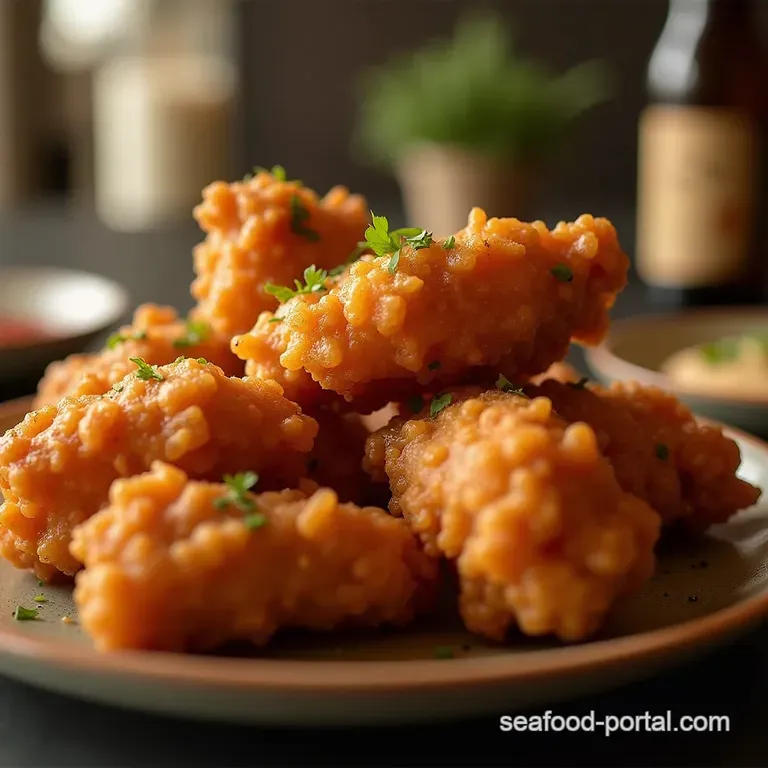
Creating crispy Korean Fried Chicken requires preparation of three distinct areas: the poultry itself, the batter components, and the correct frying environment.
This easy Korean Fried Chicken process is made simpler when all your components are prepped before the oil ever gets hot.
Selecting the Perfect Poultry Prep
For the best results, we recommend 3 lbs (1.4 kg) of chicken parts, favoring wings or bone-in thighs. The key preparatory step is moisture removal. Pat every piece thoroughly dry with paper towels.
Any surface moisture will immediately turn to steam when hitting the oil, impeding crust development and causing dangerous splattering. Following the drying, a thorough marinade of soy sauce, mirin, grated ginger, minced garlic, and black pepper is essential.
Allow this to sit for a minimum of one hour in the refrigerator up to four hours yields even deeper flavour penetration.
The Dry Dredge: Flour, Starch, and Secret Seasonings
The dry coating is where the magic begins. Whisk together 1 1/2 cups of all-purpose flour with 1/2 cup of potato starch (the star performer!) and another 1/2 cup of cornstarch. To this base, add 1 teaspoon of baking powder for an extra lift, along with salt and white pepper for basic seasoning.
Mix these dry ingredients completely before moving on to the wet elements.
Essential Liquids: Brine Bath Ingredients Explained
The liquid element must shock the starch mixture to prevent gluten development. We mandate the use of ice-cold water or even better, ice-cold club soda, as the carbonation aids in creating air pockets to mix into the dry dredge just before coating the chicken.
This creates a thin, almost watery batter where the starches cling loosely to the marinated meat, perfect for the double fry technique.
Necessary Kitchen Gear for Optimal Frying Temperature
Frying is an unforgiving process, making essential equipment non-negotiable for safety and success. You absolutely must use a deep, heavy bottomed pot or Dutch Oven for stable heat retention. Crucially, invest in a reliable candy or deep fry thermometer.
Achieving the precise temperatures of 325° F ( 160° C) for the first fry and 375° F ( 190° C) for the second dictates the final outcome of your crust.
A wire rack set over a baking sheet is also necessary for proper oil drainage between frying sessions.
Related Recipes Worth Trying
- Authentic Spanish Seafood Chicken Paella Recipe with Socarrat — Learn how to master a truly authentic Spanish paella recipe featuring chicken shrimp and saffron Get the tips to achieve that perfect crispy socarrat
- Smoky Perfection UltraCrispy Grilled Chicken Wings — Forget deepfrying Learn the secret to unbelievably Crispy Grilled Chicken Wings using baking powder for a shatteringly crisp skin The best Grilled Wings...
- Best Buttermilk Fried Chicken Breast Recipe Juicy Crispy — Stop serving dry chicken This Buttermilk Fried Chicken Breast Recipe uses a doubledip dredge for guaranteed juicy meat and crispy shards Perfect for an easy...
Mastering the Batter and Initial Fry Stage
Once the chicken has marinated and the dry coating is ready, it’s time to assemble the batter. Pour the ice-cold water into the dry mix and whisk only until just combined. You are looking for a lumpy, thin batter do not strive for smoothness, as overmixing activates gluten.
Working in batches, lift chicken pieces from the marinade, allowing excess liquid to drip off, and dip them fully into the batter. Shake off any heavy clumps before introducing them to the hot oil.
The Crucial Second Fry: Achieving Shattering Texture
This stage separates the good fried chicken from the truly exceptional. Patience here pays off exponentially in texture.
Preparing the Chicken Pieces for Maximum Coating Adhesion
When moving the chicken from the marinade to the batter, ensure every surface is coated, but avoid piling on thick excess batter. The goal is a thin veil of starch coating that adheres tightly to the meat, ready to puff up during the dual frying process.
Temperature Control: Hitting the Sweet Spot for the First Cook
Begin by heating your oil to 325° F ( 160° C). Gently place the battered pieces into the oil, making sure not to crowd the pot, which causes the oil temperature to plummet. Fry these pieces for about 8 to 10 minutes.
They should emerge pale golden and fully cooked internally. Remove immediately and place them on the wire rack.
Resting Protocol: The Secret Between the Two Frying Sessions
This intermediate resting phase is vital. Allow the chicken to sit undisturbed on the rack for at least 10 minutes, perhaps closer to 15. This crucial pause allows the internal steam generated during the first cook to migrate out of the meat and through the crust structure.
If you skip this, the second fry will only serve to steam the inside further, resulting in a softer exterior.
Executing the Final Blanch for Golden Perfection
After the resting period, raise the oil temperature significantly to 375° F ( 190° C). Return the rested chicken to the blistering hot oil in smaller batches. This final, quick fry lasts only 2 to 4 minutes.
The goal here is immediate dehydration of the crust, turning it a deep, inviting golden brown hue and achieving that signature, shattering texture. Drain well on fresh paper towels or the wire rack.
Elevating Your Korean Fried Chicken Experience Beyond the Plate
While the texture is the star, flavour is the supporting cast that makes this meal unforgettable. Serving these perfectly crispy morsels alongside vibrant, acidic sides helps balance the richness of the fried texture.
Recommended Sauces to Complement Your Crispiness (Beyond Basic Glaze)
While the classic sweet and spicy Korean Fried Chicken sauce made with gochujang, honey, garlic, and soy sauce is phenomenal simmered quickly until glossy don't stop there.
Consider a savory Soy-Garlic glaze made by simmering soy sauce, minced garlic, brown sugar, and a touch of rice vinegar until syrupy. For a bolder approach, a dusting of dry seasoning like a smoky paprika and garlic powder blend applied immediately after the final fry is utterly addictive.
Storage Hacks: Keeping KFC Fresh Until Serving Time
If you find yourself with leftovers (a rarity!), keep them away from humidity. Store cooled chicken in an airtight container lined with paper towels in the refrigerator. To reheat, avoid the microwave at all costs; it guarantees sogginess.
Instead, reheat in a toaster oven or conventional oven set to 400° F ( 200° C) for about 8– 10 minutes until the crust is revitalized.
Variations on the Theme: Spice Level Adjustments and Alternative Cuts
This Korean Fried Chicken recipe adapts beautifully. If you prefer less heat, use less gochujang in the glaze or substitute it entirely with the savory Soy-Garlic option. Alternatively, for those who crave fire, incorporate Gochugaru (Korean chili flakes) into both the marinade and the glaze.
While wings are traditional, bone-in thighs provide excellent moisture retention, and Korean fried chicken tenders are a fantastic quick option, requiring slightly shorter cooking times.
Nutritional Snapshot: Understanding the Indulgence
It’s no secret that deep fried foods are an indulgence, and this recipe is no exception, with an estimated 450 550 calories per serving before any sauce is applied. However, the starch based, double fried crust often results in slightly less oil absorption than a standard flour dredge, and the lean protein ensures a satisfyingly high protein count.
Enjoy this treat mindfully, recognizing that the technique employed results in a lighter texture , even if the preparation is rich.
Recipe FAQs
Why is my Korean Fried Chicken batter not getting that super thin, crispy texture I see online?
Ah, that’s often down to two things: overmixing and skipping the starch! For that signature crackle, you need a high ratio of potato starch and cornstarch to regular flour, and you must only mix the wet and dry ingredients until they are just combined lumps are your friend here!
Overmixing develops gluten, which results in a tougher, doughier coating rather than that airy crunch.
Is the double frying technique really necessary for this Korean Fried Chicken recipe?
Absolutely, mate, it’s the secret sauce (even when there isn't one!). The first fry cooks the chicken through at a lower temperature, and the crucial 10-minute rest allows steam to escape.
The second, hotter fry then blasts the crust, making it impossibly crisp and helping it resist getting soggy later on it's worth the extra ten minutes, trust me!
Can I make the glaze for the Korean Fried Chicken ahead of time, or does it need to be fresh?
The Gochujang glaze can certainly be made ahead of time; just pop it in the fridge for up to a week. However, it will thicken considerably when cold, so you must reheat it gently on the stovetop with a splash of water or vinegar before tossing the hot chicken, ensuring it coats beautifully without clumping.
What’s the best way to keep this chicken crispy if I’m serving it at a party later?
The trick is ventilation! Never cover hot fried chicken, or you'll trap steam, making it soggy quicker than you can say ‘barmy’. Arrange the finished chicken on a wire rack set over a baking sheet and leave it uncovered on the counter until serving time; this lets air circulate around the crust.
My oil temperature keeps dropping when I add the chicken what should I do?
This is perfectly normal, but you need to manage the temperature drop, especially during that first fry. Fry in smaller batches than you think you need to; crowding the pot significantly lowers the oil temp, leading to greasy chicken. Always let the oil recover its target temperature before adding the next batch.
If I don't have potato starch, can I just use more cornstarch in the batter for my Korean Fried Chicken?
While cornstarch is great, potato starch provides a unique, almost glass like crispness that’s characteristic of authentic KFC. If you genuinely don't have it, using a 50/50 mix of cornstarch and all-purpose flour instead of the recommended ratio might suffice, but you won't quite hit that legendary light, airy texture.
The Best DoubleFried Korean Fried Chicken Recipe