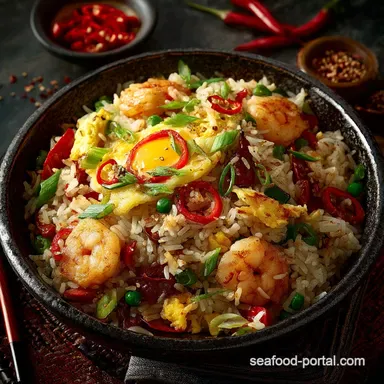
The Great Wall of Flavour Authentic Speedy Egg Fried Rice the Next Day Rice Essential
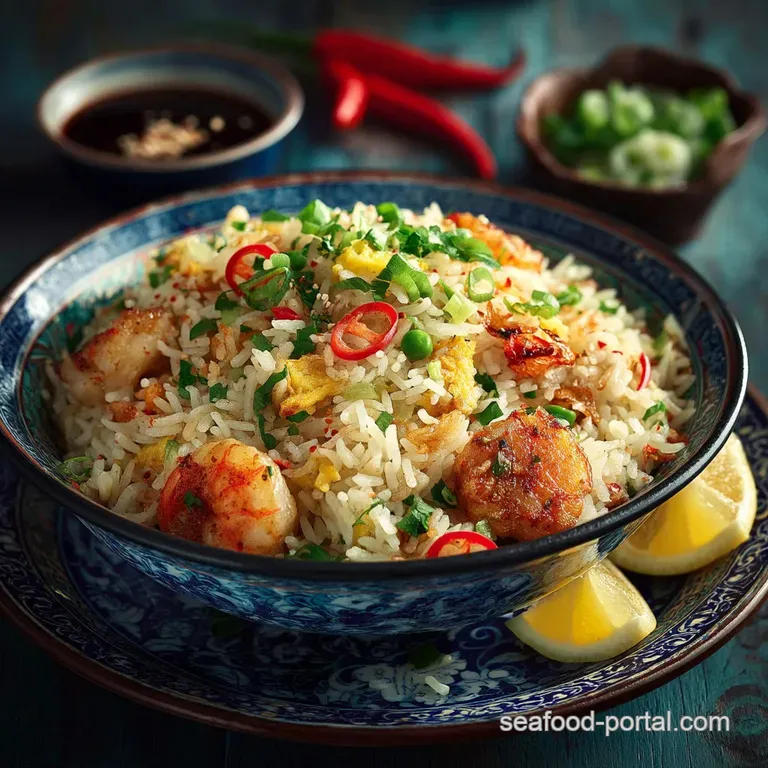
- Decoding the Wok Hei: Why This Egg Fried Rice Technique Changes Everything
- Beyond Takeaway: Achieving True Culinary Excellence at Home
- Assembling Your Arsenal: Essential Components for Authentic Fried Rice
- The High-Heat Dance: Step-by-Step Mastery of the Stir-Fry Process
- Troubleshooting Common Flaws in Home-Cooked Fried Rice
- Customizing Your Bowl: Variations That Enhance the Core Recipe
- Recipe FAQs
- 📝 Recipe Card
Decoding the Wok Hei: Why This Egg Fried Rice Technique Changes Everything
Welcome to the definitive guide on mastering one of the world’s most beloved comfort foods: Egg Fried Rice . Many home cooks accept a soggy, slightly bland result when they attempt this dish, believing the magic only happens inside a professional restaurant kitchen.
I am here to tell you that the elusive, smoky flavour known as wok hei —the breath of the wok is absolutely achievable on your Stove Top Fried Rice setup.
This isn't merely about combining eggs and rice; it’s a focused dance of high heat, precise timing, and the right starting materials. We are going to elevate your Homemade Egg Fried Rice from a simple filler dish to a culinary centerpiece using the blueprint for The Great Wall of Flavour: Authentic, Speedy Egg Fried Rice .
Beyond Takeaway: Achieving True Culinary Excellence at Home
Our goal here is clear: to replicate that perfect, separate grain texture and deep savoury profile you crave from the best Chinese establishments. This Egg Fried Rice Recipe strips away the unnecessary complexity and focuses only on the critical components that deliver maximum impact.
We aim for Easy Egg Fried Rice that tastes anything but simple.
The Secret Behind That Smoky, Restaurant Quality Flavour Profile
The smoky essence of Wok Hei Fried Rice isn't achieved by adding liquid smoke; it comes from vaporized fat and oil hitting an incredibly hot surface, wrapping the food in that signature aroma.
To facilitate this, we must use a material that retains heat exceptionally well, like a well seasoned carbon steel wok, or at least the largest, heaviest skillet you own. On top of that,, the flavour profile hinges on balancing the savory notes of soy sauce with the delicate, earthy warmth of white pepper a key ingredient often overlooked in favour of harsh black pepper.
Why Day-Old Rice Is Non-Negotiable for Perfect Texture
If you take only one lesson away from this guide, let it be this: How To Make Fried Rice successfully requires cold, dry rice. Freshly cooked rice contains too much moisture; when it hits the hot wok, it steams rather than fries, resulting in a sticky, clumpy mess.
Our recipe mandates using Jasmine rice cooked the day prior and thoroughly chilled in the refrigerator. Before we even turn on the burner, we spend 15 minutes ensuring this cold rice is broken up by hand so that every grain is separate and ready to absorb the heat and flavour, making it perfect for this Quick Fried Rice .
Setting Expectations: This Isn't Your Average Kitchen Scramble
When preparing this Egg Fried Rice , you must adjust your expectations regarding cooking speed. This is a fast operation. Once the wok is hot, ingredients go in rapidly and are tossed constantly. This is why meticulous preparation is key.
We are cooking for flavour integration, not slow simmering. This entire cooking process takes under ten minutes, turning leftovers into a fantastic meal almost instantly.
Assembling Your Arsenal: Essential Components for Authentic Fried Rice
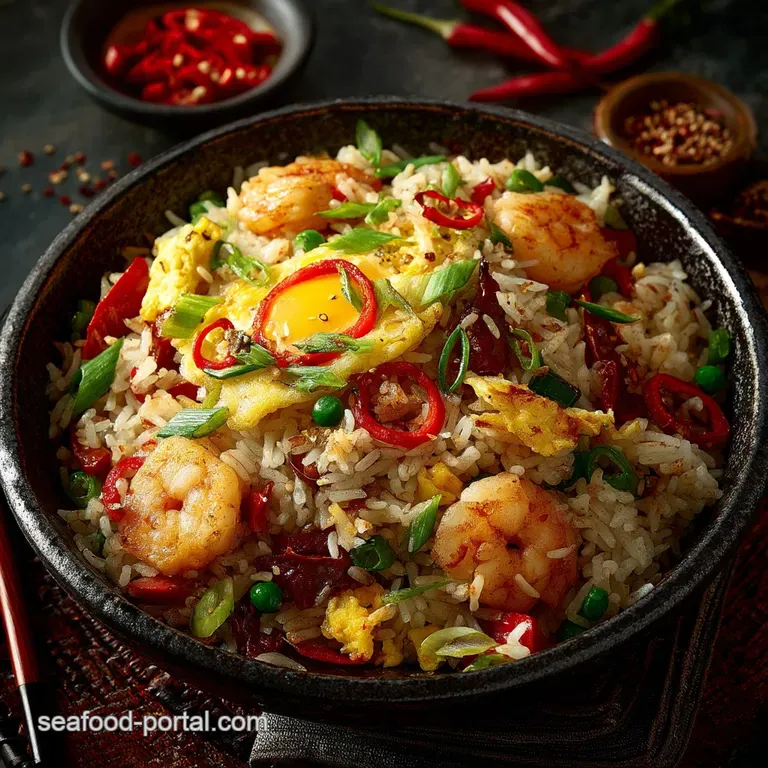
To execute The Great Wall of Flavour successfully, we need the right foundational elements. We are relying on just three core categories: the starch (cold rice), the protein (eggs), and the aromatic/sauce base.
For three generous servings, you’ll need about four cups of that glorious day-old Jasmine rice. The Egg Fried Rice Ingredients are intentionally kept minimal to let the technique shine.
We use three large eggs, lightly whisked with just a pinch of salt, ensuring they remain fluffy rather than becoming tough rubber.
The Critical Gear Checklist: Tools Needed to Master the High Heat Cook
While this recipe avoids extensive special equipment, your choice of cooking vessel is paramount for achieving high temperatures. A traditional wok is ideal because its concave shape concentrates heat efficiently at the base while allowing you to move ingredients up the cooler sides.
If you are making Fried Rice Without Vegetables (or with them), you need a spatula that can handle the heat and scrape the bottom of the pan cleanly. A large mixing bowl is necessary for prepping the cold rice before it enters the heat zone.
Beyond Eggs and Rice: Sourcing Premium Sauces and Aromatics
Flavour depth is built on quality aromatics and smart seasoning choices. We use fresh garlic and ginger, minced finely, alongside diced yellow onion. Crucially, we incorporate both regular low-sodium soy sauce for saltiness and a teaspoon of dark soy sauce strictly for that deep, appetising brown hue.
Don't forget the white pepper; this subtle spice is the signature touch that separates authentic versions from generic attempts.
Prepping for Speed: How to Mise en Place for Ultra Fast Frying
Since the cooking phase is so swift, everything must be ready before the burner is lit. This means chopping all onions, mincing garlic, grating ginger, separating the white and green parts of the scallions, and setting out your sauce mixture in small bowls ready for pouring.
The peas and carrots should be a frozen mix, perhaps slightly thawed to prevent them from cooling down the wok dramatically upon entry.
Choosing the Right Oil: Fat Selection for Maximum Sizzle
For high heat work like this, you need a neutral oil with a high smoke point. Canola or vegetable oil works perfectly, and we use about three tablespoons, divided. The oil needs to be hot and I mean shimmering hot to ensure the ingredients fry immediately, not steam.
Towards the very end, we finish with a drizzle of intensely aromatic toasted sesame oil, which is added off the heat because its flavour compounds break down under intense temperature.
Related Recipes Worth Trying
- The Best Homemade Fried Shrimp Po Boy Recipe Crispy Authentic — Tired of soggy sandwiches Master the Authentic Fried Shrimp Po Boy with our foolproof doubledredge technique and zesty remoulade Your new favourite shrimp...
- The Golden Standard Proper Southern Fried Potatoes Recipe — Forget soggy versions Master the secret to truly crispy Southern Fried Potatoes and Onions with this easy panfried potatoes recipe rich with bacon fat
- The Ultimate Better Than Takeout Shrimp Fried Rice Recipe — Stop ordering in This easy Shrimp Fried Rice recipe gives you perfectly separated smoky grains and plump shrimp in under 30 minutes Get the secret to...
The High Heat Dance: step-by-step Mastery of the Stir Fry Process
The cooking sequence for this Egg Fried Rice must be precise to manage the heat and avoid flavour dilution. We introduce components in order of their required cooking time.
Sequencing for Success: Layering Ingredients for Optimal Integration
The first element to hit the heat is the egg, followed quickly by the aromatics, then the cold rice, and finally the liquid seasonings. This methodical layering ensures that each ingredient is cooked optimally before the next is added, maintaining textural integrity throughout the Quick Fried Rice .
Technique Deep Dive: How to Perfectly Scramble Your Eggs in the Wok
Using one tablespoon of oil over medium high heat, pour in your lightly salted, beaten eggs. Work them quickly, stirring gently with your spatula. The goal is to create soft, fluffy curds they should be set but still slightly moist.
As soon as they reach this state, immediately slide them out of the wok and set them aside. This pre-cooking step prevents them from turning dry later when mixed with the rice.
Introducing the Rice: Mastering the Toss to Avoid Clumping
Once the wok has been cleared and perhaps wiped clean, add the remaining oil and crank the heat to its maximum setting. Toss in the diced onion, garlic, ginger, and the white parts of the scallions. After about 30 seconds, when the aromatics are fragrant, introduce the cold, pre-broken rice.
This is where the intensity of your Stove Top Fried Rice technique pays off. You must toss, lift, and fold continuously for a solid two to three minutes, using the heat to dry out and toast the surface of every grain.
The Final Seasoning Blast: Achieving That Umami Finish in Your Egg Fried Rice
After the rice is hot and slightly toasted, introduce the frozen vegetables (peas and carrots). After tossing for another minute, create a small open space in the centre of the rice bed. Pour the soy sauces and white pepper directly onto this hot metal surface.
Let them sizzle for a few seconds, then quickly fold the rice over them, ensuring even coating. Finally, return the pre-scrambled eggs to the wok. Toss everything together one last time, remove from the heat, and immediately incorporate the teaspoon of toasted sesame oil and the remaining green scallions.
This instant removal from the heat locks in the flavour and texture we worked so hard to build.
Troubleshooting Common Flaws in Home Cooked Fried Rice
If your Homemade Egg Fried Rice ends up greasy, it likely means your heat was too low when you introduced the rice, causing the oil to soak in rather than flash fry the surface. If it tastes bland, you didn't use enough salt or, crucially, you skipped the white pepper.
If the rice is clumpy, revert to the golden rule: your rice was not cold enough or you didn't spend enough time breaking it up before it hit the wok.
Customizing Your Bowl: Variations That Enhance the Core Recipe
While the core Egg Fried Rice Ingredients make a fantastic classic, feel free to enhance this base. Adding diced, pre-cooked protein like shrimp, chicken, or Chinese BBQ pork during the vegetable stage is a popular upgrade.
For a richer, vegetarian option, consider substituting mushroom based vegetarian oyster sauce for the dark soy sauce.
Storage Wisdom: Keeping Leftover Fried Rice Safe and Flavorful
Leftover Egg Fried Rice stores beautifully, provided it was cooked correctly in the first place. Allow it to cool completely before sealing it in an airtight container. It will keep well in the refrigerator for up to three days.
Reheating should be done quickly in a hot pan or wok with a splash of water or oil to refresh the texture; microwaving tends to bring back that unwanted steaminess.
Scaling Up: Adjusting Ratios When Cooking for a Crowd
When increasing the yield beyond the three servings listed, do not simply overcrowd your wok. The fundamental principle of Wok Hei Fried Rice requires space for constant tossing and high heat contact.
If you need to feed six people, cook the recipe in two separate, sequential batches, cleaning the wok between batches to ensure maximum heat is maintained both times.
Alternative Heating Surfaces: Making Great Fried Rice Without a Dedicated Wok
If a wok is unavailable, use your largest, heaviest stainless steel or cast iron skillet. The key difference is that you must work in smaller batches, even for a single serving, to ensure the surface temperature doesn't drop too low when ingredients are added.
A large, flat surface can achieve a good sear, even if it can’t quite replicate the full immersive experience of a true Egg Fried Rice wok toss.
Recipe FAQs
Why does my Egg Fried Rice always end up soggy instead of fluffy?
Ah, the dreaded soggy bottom! This is almost always down to using freshly cooked rice. You absolutely must use rice that has been cooked the day before and thoroughly chilled in the fridge.
Cold, firm grains resist breaking down and absorb the heat without releasing too much moisture, keeping your final dish light as a feather.
What’s the secret to getting that restaurant style flavour in my homemade Egg Fried Rice?
It’s all about high heat and the right aromatics, my friend. You need a roaring hot wok hot enough that the ingredients barely touch the pan before being tossed. Also, don't skimp on the white pepper; that’s the subtle, earthy flavour that separates the good from the merely decent takeaway standard.
Can I add other ingredients like chicken or shrimp to this Egg Fried Rice recipe?
Absolutely, but timing is key! If you are adding any raw protein like chicken or shrimp, you must cook it fully first, remove it from the wok, and only add it back in right at the end with the cooked eggs. This prevents overcooking the eggs or letting the meat stew while waiting for the rice to heat through.
How should I store leftover Egg Fried Rice, and is it safe to reheat?
Store any leftovers in a shallow, airtight container in the fridge promptly; it should be eaten within three days. When reheating, spread the rice thinly on a plate and microwave briefly, stirring halfway through, or better yet, toss it quickly in a very hot, dry pan for a minute or two to revive that lovely fried texture.
I don't have a wok; can I still make this successfully in a regular frying pan?
Yes, you can manage, but you’ll need to adjust your strategy slightly. If you're using a standard pan, cook in smaller batches, as overcrowding will drop the temperature immediately and lead to steaming. Make sure your pan is heavy bottomed, and heat it until it’s practically smoking before adding any oil.
Is there a way to make this recipe healthier or lower in sodium?
To lighten things up, use a reduced sodium soy sauce and use just a teaspoon of toasted sesame oil right at the very end for flavour rather than cooking with it. For a healthier kick, bulk out the rice with extra finely diced vegetables like mushrooms or broccoli florets, reducing the overall portion of the rice itself.
Speedy Wok Hei Egg Fried Rice