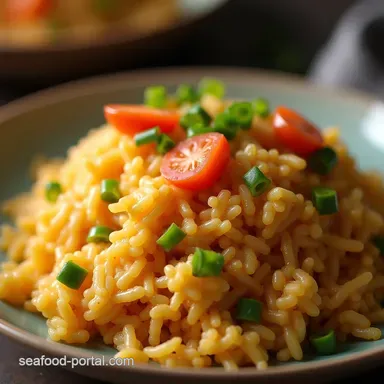
The Golden Standard Restaurantstyle Leftover Rice Fried Rice
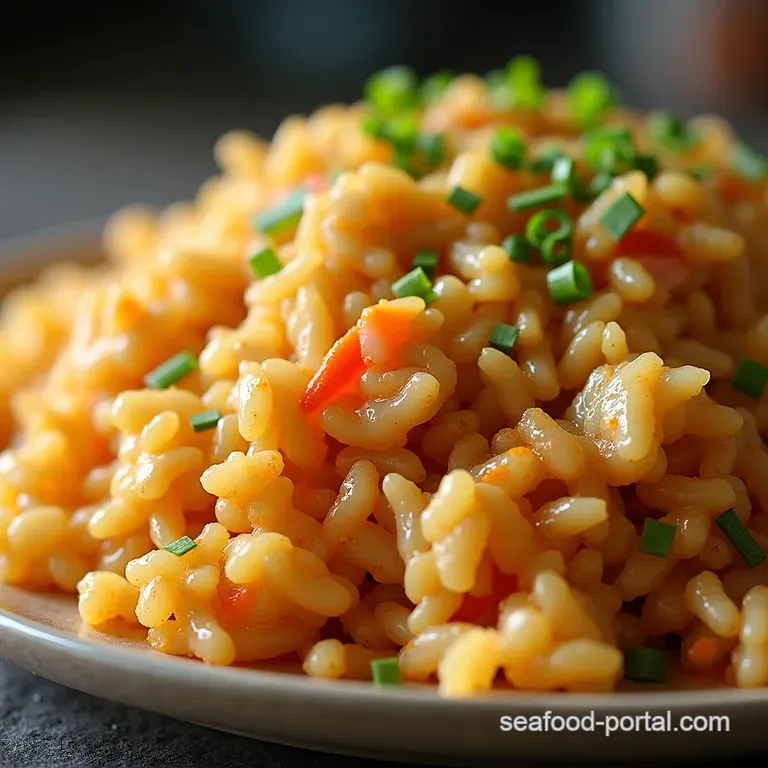
- Unlocking the Secrets to Authentic Wok-Seared Flavor at Home
- Why This Egg Fried Rice Recipe Beats the Takeaway Standard
- Sourcing Superior Components for Superior Frying
- Essential Tools for High-Heat Chinese Home Cooking
- Mastering the Technique: Step-by-Step Frying Chronology
- Troubleshooting and Customizing Your Ultimate Egg Fried Rice
- Recipe FAQs
- 📝 Recipe Card
Unlocking the Secrets to Authentic Wok-Seared Flavor at Home
There is a profound difference between the sad, clumpy rice you sometimes scoop from a low-quality container and the vibrant, perfectly textured version served in the best establishments. That difference lies in technique and heat.
This comprehensive guide is dedicated to revealing how you can master the Best Egg Fried Rice Recipe right in your own kitchen. We aren’t just mixing leftovers; we are executing a culinary quick strike designed to deliver that coveted smoky flavour profile associated with true wok cooking.
Forget takeout menus; this is how you create a dish that satisfies instantly, serving as an excellent choice for 30 Minute Dinners .
Why This Egg Fried Rice Recipe Beats the Takeaway Standard
The magic behind truly superior Egg Fried Rice isn't found in expensive spices, but in mastering moisture control and temperature. Our approach centres on transforming humble ingredients specifically cold, leftover rice into a dish brimming with texture and aroma.
This technique ensures that every grain is distinct, coated in just the right amount of sauce, and kissed by searing heat.
The Quest for 'Wok Hei': What Makes Perfect Fried Rice Sing?
In Cantonese cooking, the term Wok Hei translates to "the breath of the wok." This complex, slightly charred, smoky flavour develops when oil vapours catch fire momentarily over extremely high heat, searing the ingredients instantly.
While achieving true, open flame Wok Hei is difficult on a standard home stove, we can replicate its essence by ensuring our cooking surfaces are scorching hot and that we do not overcrowd the pan, allowing the ingredients to fry, not steam.
Economical Excellence: Transforming Stale Rice into Gold
One of the greatest joys of this recipe is its inherent thriftiness. This isn't just an Easy Egg Fried Rice ; it’s smart cooking. Leftover rice, particularly Jasmine or Basmati, has lost significant moisture during refrigeration.
This dehydrated state is non-negotiable for achieving the right texture. Using fresh rice guarantees a gummy, heavy result, whereas day-old rice breaks apart perfectly, ready to absorb flavour.
Our Promise: Non-Soggy, Perfectly Separated Grains Every Time
The core philosophy here revolves around timing and high temperature. We cook components separately the eggs first, then the aromatics, and finally the rice to ensure each element is perfectly executed before they meet in the final, rapid toss.
This layering method prevents moisture from pooling and guarantees the light, fluffy texture essential for stellar Homemade Egg Fried Rice .
Sourcing Superior Components for Superior Frying
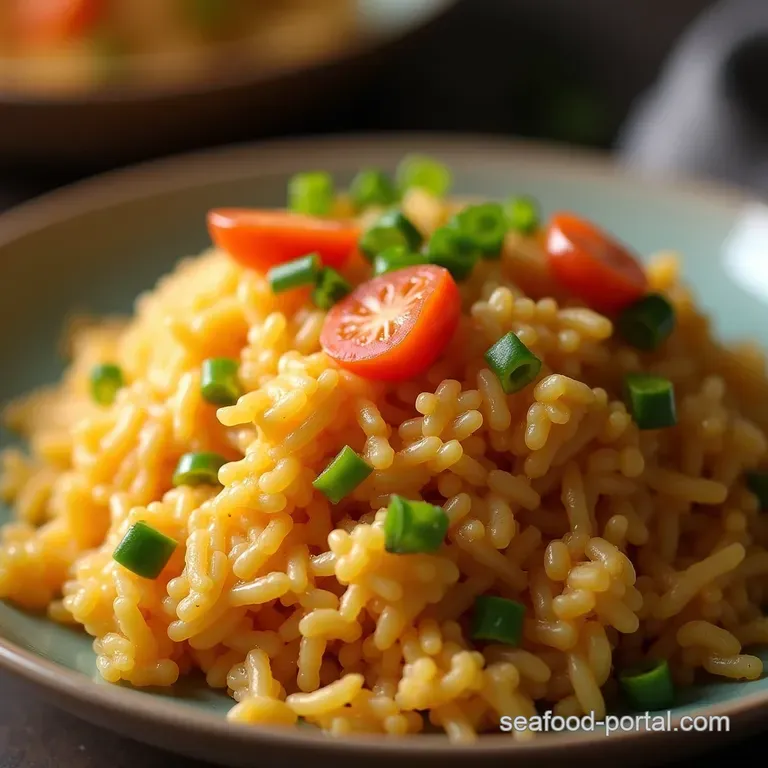
To build a flavourful base, the quality and preparation of your Egg Fried Rice Ingredients matter immensely. We are aiming for clean, high impact flavour delivered quickly.
The foundation starts with the rice itself, but the aromatics provide the necessary backbone. We’ll utilize finely minced garlic and optional grated fresh ginger, combined with diced yellow onion for a subtle sweetness.
For that authentic colour and salty depth, a combination of light soy sauce (for salinity) and a touch of dark soy sauce (purely for a deep mahogany tint) is critical. Finally, frozen peas and carrots, thawed slightly to prevent them from chilling the wok down during the fry, integrate seamlessly.
Related Recipes Worth Trying
- Best Ever Fried Rice Recipe Better Than Takeout Flavor — Achieve fluffy Wok Hei Fried Rice tonight This easy recipe guarantees homemade fried rice better than takeout See the crucial rice prep secret
- The Perfect Crunch Crispy Fried Soft Shell Crabs Recipe — Forget soggy seafood Learn how to fry soft shell crabs to a shattering golden crisp with our foolproof dredging tutorial and zesty aioli A true taste of...
- Best Light Crispy Fried Calamari Recipe No More Rubber — Ditch the soggy takeout This Italian Fried Calamari Recipe yields impossibly light crispy rings perfect with a simple aioli sauce
Essential Tools for High Heat Chinese Home Cooking
While you can manage with a large, heavy skillet, a well seasoned wok is your greatest ally for creating Takeaway Style Egg Fried Rice . The curved sides promote constant movement and heat concentration at the base, which is exactly what we need.
Ensure you have a sturdy spatula or wooden spoon ready, as rapid stirring is a hallmark of this cooking process.
The Crucial Role of Day-Old, Chilled Rice Selection
Let's hammer this point home: your rice must be cold. Ideally, you cooked your rice the day before, spread it thinly on a baking sheet to cool rapidly in the refrigerator, and allowed it to chill for at least 12 hours.
This firmness prevents sticking and allows the grains to tumble freely when introduced to the hot oil. This step separates a good Egg Fried Rice Quick Meal from a great one.
Flavor Building Blocks: Aromatics, Sauces, and Proteins (Optional)
For a standard serving size of four cups of rice, we rely on two cloves of minced garlic, half a cup of finely diced yellow onion, and a cup of mixed peas and carrots. The sauces two tablespoons of light soy sauce and one teaspoon of dark soy sauce are added toward the end to season the grains.
If you are looking for a more substantial meal, this is also the stage where pre-cooked proteins like diced ham or shredded chicken should be ready to go.
Perfecting the Egg Scramble: Ratios and Techniques for Fluffiness
The four large eggs are lightly beaten with a pinch of salt and pepper. Crucially, they are cooked first in a separate tablespoon of oil over medium high heat. We want soft, fluffy curds, not crispy, flat sheets. As soon as they set, they must be removed from the wok immediately and reserved.
This prevents them from drying out while the rice is achieving its perfect sear.
Mastering the Technique: step-by-step Frying Chronology
This recipe moves at speed. When the heat is high, you cannot afford to pause searching for an ingredient. Following a strict sequence ensures maximum flavour development and the desired final texture.
Prep First: Mise en Place for Rapid Fire Cooking
Before the burner is even lit, all chopping, measuring, and whisking must be complete. Have your cold rice ready to break up, your eggs whisked, your vegetables sauté ready, and your soy sauces poured into small dipping bowls near the stove.
This preparation, known as mise en place , is the single biggest factor in successfully executing any stir fry, especially when chasing that Smoked Egg Fried Rice flavour.
Scrambling Like a Pro: Setting the Stage with High Heat
Start by heating your wok until it is almost smoking, then add one tablespoon of your high smoke point oil (like canola or peanut). Pour in the eggs and allow them to puff slightly before rapidly scrambling them into soft curds. Remove them promptly.
Now, return the wok to high heat and add the remaining three tablespoons of oil. Wait until this fresh oil shimmers intensely before adding your onions.
The Layering Method: Introducing Rice and Seasoning for Maximum Smoke
Once the onions are fragrant (about 30 seconds), add the garlic and ginger for a brief 15-second flash of aroma, immediately followed by the peas and carrots. Push these ingredients to one side of the wok or remove them. Add the cold rice to the hottest exposed area.
Allow it to sit for about 30 seconds without stirring this toasts the exterior. Then, begin tossing vigorously for two to three minutes until the rice grains are fully separated and hot. Create a small clearing in the rice and pour in the light and dark soy sauces.
Let them hit the hot metal for a moment before tossing everything to achieve uniform colour.
Final Toss: Integrating Finishes in Under Sixty Seconds
Return the cooked egg curds to the wok. Toss everything together quickly. The absolute final step involves removing the wok from the heat source. Only then do you drizzle in the toasted sesame oil adding it while the wok is screaming hot will burn off its delicate flavour.
Stir in the thinly sliced scallions and serve instantly.
Troubleshooting and Customizing Your Ultimate Egg Fried Rice
Even with the best preparation, home cooking environments vary. Understanding how to adapt will make you a confident chef.
Adapting to Your Range: Tips for Electric vs. Gas Burners
If you are using an electric stove, achieving the sustained, concentrated heat of a gas burner is challenging. You may need to work in smaller batches or accept that you might not achieve the deepest Wok Hei .
If the rice seems sluggish or begins to steam, lower the heat slightly and cook in smaller volumes, always stirring constantly to encourage moisture evaporation.
Flavor Twists: Incorporating Premium Add-Ins Like Shrimp or Chicken
For those seeking a more substantial dish, pre-cooked proteins are easily incorporated. Small, peeled, and deveined shrimp should be tossed in with the vegetables (Step 10), cooking only until pink.
Diced char siu pork or leftover roast chicken can be added right before the seasonings in Step 14, as they only require heating through, not primary cooking.
Reviving Leftovers: How to Reheat Fried Rice Without Drying It Out
If you have perfectly executed Egg Fried Rice , it reheats beautifully. The best method is steaming for two minutes, or reheating gently in a non-stick pan over low heat with a single teaspoon of water added and quickly covered.
This reintroduces just enough steam to soften the grains without making them wet.
Nutritional Snapshot: Making This Classic Dish Healthier
While the technique requires oil, you can mitigate fat content by wiping out excess oil between cooking stages, particularly after the egg scramble. On top of that,, swap out some of the white rice for brown rice (though be aware brown rice requires longer to heat through) and increase the ratio of vegetables to grains for a lighter, more fibre rich meal.
Recipe FAQs
What’s the secret to making my Egg Fried Rice not turn out soggy and clumpy?
That's the million dollar question! The absolute key is using cold, day-old cooked rice; refrigeration dries out the surface moisture, allowing the grains to separate and fry, rather than steam. Also, make sure your wok or skillet is ripping hot before the rice goes in we want a quick sear, not a slow simmer!
My takeaway version seems darker; should I use Dark Soy Sauce in my homemade Egg Fried Rice?
Yes, absolutely, if you fancy that deep mahogany colour! Light soy sauce provides the saltiness, but dark soy sauce is thicker and sweeter, giving you that authentic, richer hue without making the dish overly salty.
Remember to pour it onto the hot metal of the wok briefly before tossing so it caramelises slightly for extra depth.
Can I make this Egg Fried Rice recipe ahead of time or freeze leftovers?
It’s best eaten immediately, but yes, you can prepare it ahead. Cool any leftovers quickly, transfer them to an airtight container, and keep them in the fridge for up to two days it often tastes even better the next day!
Freezing isn't ideal as the texture can become a bit grainy upon reheating, but if you must, use a freezer bag and reheat thoroughly in a hot pan.
I don't have a wok; can I still achieve that smoky 'Wok Hei' flavour?
While a wok is superb, a large, heavy bottomed cast iron skillet will do a stellar job. The important thing isn't the pan shape, but the heat management. Don't overcrowd the pan; cook in smaller batches if necessary, and ensure the oil is shimmering before adding ingredients to mimic that quick, high heat action.
What protein can I add to this basic Egg Fried Rice to make it a full meal?
You have loads of options, mate! Small pieces of pre-cooked protein work best because they just need heating through. Try adding diced char siu (BBQ pork), small cooked shrimp, or shredded leftover roast chicken in with your vegetables. Just make sure the protein is cut small so it mixes evenly.
Wok Hei Egg Fried Rice