The True Taste of the Liberties Authentic Dublin Coddle Simple Hearty
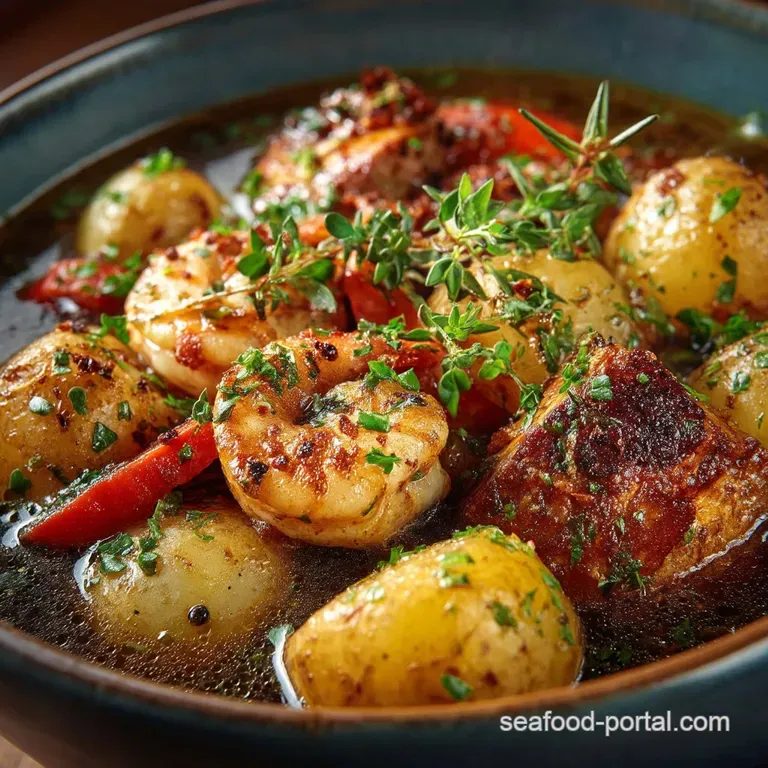
- Unearthing Dublin Coddle: The Soulful Story of a Simmered Classic
- Why This Recipe Captures the True Spirit of a Dublin Evening
- Assembling Your Traditional Dublin Coddle Components
- The Essential Pantry Checklist for Authentic Flavor
- Step-by-Step Mastery: Simmering Your Perfect Coddle
- Achieving the Right Texture: Layering and Slow Cooking Techniques
- Elevating Your Dublin Coddle: Serving Suggestions and Variations
- Recipe FAQs
- 📝 Recipe Card
Unearthing Dublin Coddle: The Soulful Story of a Simmered Classic
Right then, let’s get cracking on a proper Dublin Coddle ! This isn't just stew, my friends; it's history simmering in a pot, the ultimate comfort food that reminds you of a cozy night in a proper Dublin pub, even if you’re miles away.
A deceptively simple yet deeply satisfying traditional Irish dish, it’s the slow simmered soul food of the Emerald Isle. Originating as a resourceful meal cooked by working class families in Dublin, this one-pot wonder combines layers of smoked sausage, bacon (or rashers), onions, and potatoes, gently cooked in a light, savory broth.
The result is incredibly tender meat, meltingly soft vegetables, and a stock rich with flavour perfect for chasing away the chill on a blustery evening. This recipe is straightforward, honest, and easy enough for a weeknight, providing truly authentic Irish Comfort Food .
Why This Recipe Captures the True Spirit of a Dublin Evening
This Dublin Coddle Recipe succeeds because it relies on time, not complex technique. It's defined by its patience, allowing humble ingredients to marry their flavours during a low, slow simmer.
While some modern interpretations complicate the process, we are sticking to the tried and-true method that has sustained generations.
More Than Just Soup: Defining True Irish Comfort Food
When people think of Filling Dinner Ideas from Ireland, they often jump straight to Shepherd's Pie or thick beef stews. However, the coddle occupies a unique niche.
It leans toward the lighter side more of a hearty stewed dish than a thick, gravy laden offering yet it is immensely satisfying. The broth, which becomes creamy from the starch released by the potatoes, is the star, making this dish qualify as a wonderful Dublin Coddle Soup when served generously with bread.
The Historical Roots: How Resourcefulness Shaped Our Dublin Coddle
The genesis of the Traditional Dublin Coddle is rooted in necessity. Historically, it was the dish made at the end of the week, utilizing leftovers the bacon bones, the leftover sausages, and whatever potatoes and onions were on hand.
Because meat was often expensive, these cheaper, intensely flavoured cuts were stretched by simmering them slowly in water or thin stock with root vegetables. This necessity forged a dish that tastes rich despite its simple origins.
What Makes This Preparation Uniquely Traditional
To be truly traditional, the meats must be cooked low and slow alongside the root vegetables, never aggressively boiled. We will be using high-quality, thick Irish pork sausages and smoked back bacon, cut into substantial chunks. The texture contrast between the almost melting potatoes and the firm meat pieces is key.
This entire preparation is designed to be robust, yet refined by patience, resulting in the ultimate Cozy Dinner Recipes staple.
Assembling Your Traditional Dublin Coddle Components
Preparing this meal is almost as therapeutic as eating it. Success lies in the quality of your initial components. We will be preparing this for four generous servings, requiring about 25 minutes of prep time before the gentle cooking begins.
The core equipment needed is simply a large, heavy bottomed pot or Dutch oven to ensure the heat distributes evenly across the bottom.
Related Recipes Worth Trying
- The Ultimate Dublin Coddle Easy Irish Sausage Stew Recipe — Craving hearty Irish comfort food This authentic Dublin Coddle recipe simmers sausages bacon and potatoes into a silky flavourful broth So simple yet...
The Essential Pantry Checklist for Authentic Flavor

To bring this Dublin Coddle Recipe to life, we need the core flavour builders. Do not be tempted to over season early on, as the bacon and sausages will release considerable salt during the cooking process.
Selecting the Perfect Sausages and Bacon (The Meaty Foundation)
The heart of the coddle depends on these two elements. For the bacon, seek out thick cut smoked back bacon or quality unsmoked pork belly, cut into hearty one-inch pieces about six ounces (170g) should suffice. For the sausages, you need about one pound (450g) of high-quality, thick Irish pork sausages.
If you can find smoked links, even better, as that smoky depth is wonderful. You will lightly brown these first to lock in flavour before the long simmer begins.
Necessary Produce: Potatoes, Onions, and the Herb Trinity
The vegetables provide both body and sweetness. You will need two large yellow onions, peeled and sliced thickly (about half an inch), and two pounds (900g) of starchy potatoes, such as Russet or King Edward, also peeled and cut into thick, half inch rounds.
These thicker cuts are vital; they hold their shape better than thin slices during the hour plus simmering time. A generous half cup of freshly chopped parsley is non-negotiable for layering and garnishing, and a single bay leaf is optional but recommended for background depth.
Stock Alternatives and the Secret to a Broth Like Consistency
While some ultra traditional recipes use just water, utilizing a light, low-sodium stock elevates the flavour significantly. We will use three cups of good chicken or vegetable stock.
We supplement this with one cup of water, poured gently around the edges, ensuring the liquid covers about three quarters of the ingredients. This balance prevents the final broth from becoming too salty or too rich while allowing the vegetables to steam tenderly.
Step-by-step Mastery: Simmering Your Perfect Coddle
The total cooking time for this dish settles around one hour and 15 minutes after the initial prep. Remember, this dish requires low, dedicated attention the magic happens during the slow cook, not the fast boil.
Achieving the Right Texture: Layering and Slow Cooking Techniques
The order in which you assemble the pot is what prevents some vegetables from turning to paste while others remain undercooked.
Preparing the Base: Browning and Building the Flavor Depth
Begin by placing your heavy pot over medium heat. Add the cut bacon pieces and render the fat until they are slightly crisp at the edges. Scoop these out with a slotted spoon, leaving the glorious rendered fat behind.
Next, add half of your sliced onions to this fat and cook gently for about five minutes until they soften and sweat, but do not allow them to brown deeply.
The Crucial Layering Method for Even Cooking
Now, we build the pot structure. Place half of your sliced potatoes directly over the softened onions. Follow this with half of your pre-browned bacon and sausages. Sprinkle generously with parsley. Next, add the remaining onions, followed by the rest of the potatoes.
Finally, nestle the remaining sausages and bacon pieces artfully on top of the final potato layer. Season lightly overall with salt and pepper, and add your single bay leaf. Gently pour the stock and water mixture around the edges of the pot, being careful not to disturb the layers too much.
Long, Slow Simmering: When to Check and Skim
Bring the liquid just to a gentle simmer over medium heat. This is the crucial transition point: as soon as tiny bubbles appear, immediately reduce the heat to the absolute lowest setting possible. The liquid should barely burble if it boils vigorously, the potatoes will disintegrate too quickly.
Cover the pot tightly and allow it to simmer gently for 60 to 75 minutes. You are checking for total tenderness in the potatoes. You may notice a small amount of greyish foam rise to the top; use a spoon to gently skim this off halfway through cooking for a cleaner broth.
Final Touches: Seasoning and Resting the Dublin Coddle
Once the potatoes yield perfectly to the touch of a fork, remove the bay leaf. Taste the resulting broth it should be savoury, lightly salty, and infused with meat flavour. Adjust the seasoning now, if necessary.
Then, remove the pot from the heat and let the Dublin Coddle rest, still covered, for ten minutes before serving. This resting period allows the flavours to settle and the liquid to thicken just slightly.
Elevating Your Dublin Coddle: Serving Suggestions and Variations
Serving this dish correctly completes the experience. Ladle the contents deeply into bowls, ensuring every serving gets a good mixture of meat, soft potatoes, and plenty of that rich, brothy liquid. Garnish heavily with fresh parsley.
The Unofficial Rule: What Bread Absolutely Must Accompany Coddle
The true, unofficial requirement for any proper coddle meal is dense, crusty bread. Forget flimsy white slices; you must have plenty of thick cut Irish soda bread or a similarly rustic loaf on hand.
This bread is essential for mopping up every last, precious drop of the broth it is the perfect delivery vehicle for that flavour. Pair this with a dark stout for the authentic pub atmosphere.
Beyond the Basics: Optional Additions for a Richer Pot
While the classic recipe is lean on additions, if you desire a slightly richer experience, consider adding two or three thickly sliced carrots during the onion stage for a touch of sweetness, or perhaps a few pearl barley grains soaked overnight to add body to the broth.
Troubleshooting Common Coddle Issues (Too Watery? Too Salty?)
If your broth seems too watery after the cook time, simply remove the lid and increase the heat slightly (but keep it below a rolling boil) for the last 10- 15 minutes to allow some evaporation.
If it is too salty, the remedy is trickier add a raw, peeled, quartered potato to the simmering pot for 15 minutes; the potato starch will absorb excess salt, and you can then discard the potato before serving.
Optimal Storage and Reheating for Next Day Enjoyment
Dublin Coddle is often said to taste even better the next day. Store leftovers tightly covered in the refrigerator for up to three days. When reheating, use a low heat setting and add a splash of water or fresh stock, stirring gently until heated through.
The potatoes will have completely melted into the broth, creating an even thicker, more luxurious stew base.
Recipe FAQs
What exactly is a Dublin Coddle, and is it hard to make?
A Dublin Coddle is a classic, resourceful Irish one-pot meal made by slowly simmering sausages, bacon, onions, and potatoes in a light stock. Don't let the history fool you it’s incredibly easy!
It's mostly about layering your ingredients correctly and then letting it simmer low and slow, which is perfect even if you’re just starting out in the kitchen.
My potatoes seem to be turning to mush! Am I boiling the Dublin Coddle too hard?
You’ve hit upon the most crucial bit! Yes, if you’re boiling it vigorously, the potatoes will disintegrate before the flavour develops. The key word is 'coddle,' meaning a very gentle simmer the liquid should only barely ripple, not bubble like a rolling boil.
Keep that heat turned right down, and you’ll get beautifully soft potatoes without them turning into glue.
Can I make this ahead of time, or freeze leftovers?
Absolutely, like many slow cooked dishes, Coddle is often better the next day once the flavours have really married up! Store leftovers in an airtight container in the fridge for up to three days.
While it freezes reasonably well, the texture of the potatoes can sometimes become a bit grainy after thawing, so fresh is always best, but it's still perfectly grand for a quick lunch.
What is the best type of sausage to use for an authentic flavour?
For the real Dublin experience, you want good quality, thick Irish pork sausages the ones that have a nice, high meat content. If you can find them smoked, even better! If not, a good quality unsmoked sausage will do nicely, as the bacon will provide most of the smokiness to the broth.
Do I really need to brown the meat first, or can I just throw everything in the pot?
Browning the meat first is highly recommended, although not strictly mandatory if you’re in a massive rush. Searing the sausages and bacon renders out some fat and develops a lovely, deep flavour base in your pot that the onions can soak up.
This initial browning adds a crucial layer of savoury complexity that you just won’t get if you stick everything in cold.
Authentic Dublin Coddle Recipe 2