Salmon Poke Bowl Recipe with Ginger Glaze
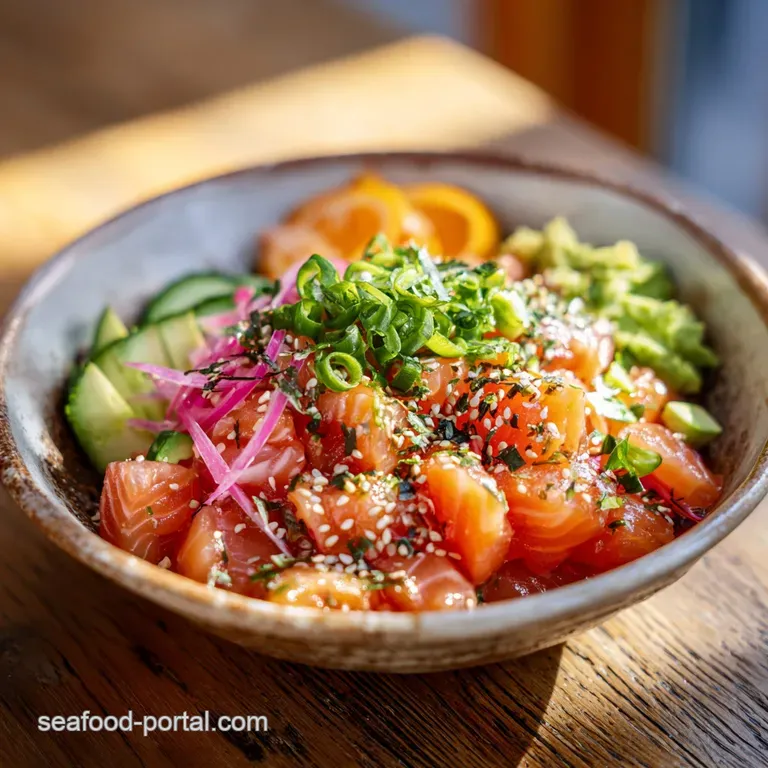
- Time: Active 15 minutes, Passive 10 minutes, Total 25 minutes
- Flavor/Texture Hook: Buttery salmon paired with a zingy ginger tamari glaze
- Perfect for: A vibrant weeknight dinner or high protein meal prep
- Master This Healthy Salmon Poke Bowl Recipe
- The Science Behind Flavor Layering
- Essential Stats For Perfect Bowls
- Fresh Ingredients For Your Poke
- Kitchen Gear For Precise Prepping
- Assembly Steps From Prep To Plate
- Expert Fixes For Common Bowl Mistakes
- Flavor Twists To Customize Your Meal
- Storage Tips And Minimal Waste Ideas
- Ideal Pairings For Your Fish Bowl
- Myths About Raw Fish
- Critical Level of Sodium
- Recipe FAQs
- 📝 Recipe Card
Master This Healthy Salmon Poke Bowl Recipe
Picture this: you've just finished a long, humid day, and the very thought of standing over a steaming stove feels like a chore. You open the fridge and pull out a chilled, marbled fillet of salmon. As your knife glides through the flesh, it feels like butter.
You toss those cubes into a bowl with a splash of dark tamari and toasted sesame oil, and suddenly, the kitchen smells like a high end sushi bar. That first bite is a revelation - the cold, velvety fish hitting the warm, nutty quinoa, followed by the sharp, electric "pop" of steamed edamame.
This isn't just another salad; it's a structural masterpiece of temperatures and textures. We're talking about a dish that feels incredibly indulgent but leaves you feeling light and energized.
I used to think poke was something you could only get at a specialized shop until I realized that the secret isn't a complex recipe, it's just about respecting the ingredients. Once you get the hang of the quick marinade, you'll find yourself craving this homemade salmon poke bowl recipe every single Tuesday.
In the next few minutes, I'm going to show you exactly how to build those layers of flavor so every bite is balanced. We’ll look at why quinoa is a secret weapon for texture and how to handle raw fish like a seasoned pro.
Whether you’re a total beginner or a kitchen veteran, this easy salmon poke bowl recipe is about to become your new favorite "no cook" (well, mostly no cook) obsession. Let's get into the details and turn your kitchen into the best poke spot in town.
The Science Behind Flavor Layering
The Osmotic Pull: Salt in the tamari draws out a tiny amount of moisture from the salmon, which then allows the ginger and sesame oil to penetrate the surface deeper and faster. This creates a "flash cure" that firms up the fish texture without making it tough.
Lipid Masking: The fats in the avocado and sesame oil coat the tongue, which rounds off the sharp acidity of the rice vinegar. This ensures the sriracha heat glows in the back of your throat rather than stinging the front of your mouth.
- Temperature Contrast: Serving the chilled salmon over slightly warm quinoa creates a sensory bridge that makes the fish feel creamier than it actually is.
- Enzymatic Action: Fresh ginger contains protease enzymes that begin to gently break down the fish proteins, ensuring every cube is melt in-your mouth tender.
- Starch Gelatinization: Rinsing the quinoa before cooking removes bitter saponins and ensures each grain stays separate, providing a "pop" that mimics fish roe.
| Salmon Cut | Marinating Time | Internal Texture | Best For |
|---|---|---|---|
| 1/2 inch cubes | 10 minutes | Velvety & firm | Standard poke bowls |
| 1/4 inch mince | 5 minutes | Soft & spreadable | Spicy salmon tartare style |
| Large 1 inch chunks | 20 minutes | Dense & meaty | Hearty, protein heavy meals |
Choosing the right cut of fish is the most important decision you'll make today. I always recommend using a skinless fillet to save yourself the hassle of trimming. If you're looking for another way to use high-quality fish, you might also enjoy My Recipe for a creamy dip that works great for weekend snacking.
Essential Stats For Perfect Bowls
When we look at the components of a raw salmon poke bowl recipe, it's not just about what's in the bowl, but what each ingredient does for the overall experience. Every piece of this puzzle has a job to do.
| Ingredient | Science Role | Pro Secret |
|---|---|---|
| Tamari | Umami & Curing Agent | Use cold tamari to keep the fish temperature down during prep. |
| Fresh Ginger | Protease Enzyme | Freeze the ginger root for 10 minutes before grating for a fine paste. |
| Quinoa | Structural Base | Toast the dry quinoa in the pot for 2 minutes before adding water. |
| Sesame Oil | Aromatic Lipid | Always use "toasted" oil; regular sesame oil lacks the nutty depth needed. |
The quinoa provides a low glycemic foundation that keeps you full longer than white rice would. It’s the backbone of this healthy salmon poke bowl recipe, offering a nutty flavor that pairs brilliantly with the fatty salmon.
Fresh Ingredients For Your Poke
Building a great bowl starts at the grocery store. You want the freshest salmon poke bowl ingredients you can find, especially when it comes to the star of the show.
- 10 oz skinless salmon fillet: Cubed into 1/2 inch pieces. Why this? Farmed Atlantic or King salmon has the best fat content for raw eating.
- 2 tbsp tamari: A gluten-free soy sauce alternative. Why this? It has a richer, less salty finish than standard soy sauce.
- 1 tsp toasted sesame oil: For that signature nutty aroma.
- 1 tsp freshly grated ginger: Adds a zingy, warming heat.
- 0.5 tsp rice vinegar: To provide a bright, acidic lift.
- 0.5 tsp sriracha: Just enough for a gentle hum of heat.
- 2 cups cooked quinoa: The earthy, high protein base.
- 1 ripe avocado: Sliced thinly for a creamy mouthfeel.
- 0.5 cup shelled edamame: Steamed for a bright green "pop."
- 0.25 cup English cucumber: Thinly sliced for cooling hydration.
- 2 tbsp scallions: Finely cut for a fresh, oniony bite.
- 1 tsp furikake: A Japanese seasoning for a salty, sea inspired crunch.
| Original Ingredient | Substitute | Why It Works |
|---|---|---|
| Tamari | Soy Sauce | Similar salt profile. Note: Not gluten-free and slightly more aggressive flavor. |
| Quinoa | Jasmine Rice | Traditional poke base. Note: Higher glycemic index but very soft texture. |
| Sriracha | Chili Garlic Sauce | Adds heat. Note: Will add a chunkier texture and more garlic flavor. |
If you aren't a fan of raw fish, don't worry. You can easily adapt this by using a Crispy Skin Salmon recipe and flaking the cooked fish over the top of your quinoa and veggies.
Kitchen Gear For Precise Prepping
You don't need a lot of fancy equipment for a bowl recipe, but a few specific tools will make your life much easier and your presentation much cleaner.
2 Essential Tools
- A Very Sharp Chef’s Knife: Since we are working with raw fish, a dull knife will "mash" the flesh rather than slicing it. This preserves the beautiful fat lines in the salmon.
- Fine Mesh Strainer: Essential for rinsing the quinoa properly. If you don't rinse it, your base will have a soapy, bitter aftertaste that ruins the delicate fish flavor.
Chef's Tip: If your knife feels a bit dull, give it a quick hone before starting. When slicing the salmon, use a single long "pulling" motion rather than a sawing motion to get those clean, restaurant style cubes.
Assembly Steps From Prep To Plate
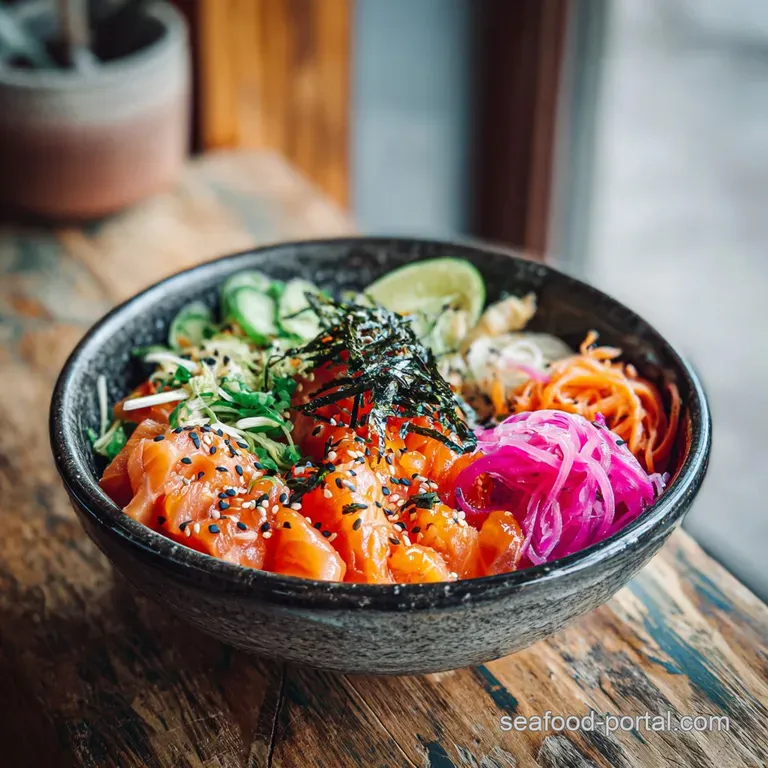
- Prep the base. Cook your 2 cups of quinoa according to package instructions. Note: Use a 1:2 ratio of quinoa to water for the fluffiest results.
- Cube the salmon. Cut the 10 oz fillet into uniform 1/2 inch pieces. until they look like perfect little rubies.
- Whisk the sauce. In a small bowl, combine the tamari, sesame oil, ginger, rice vinegar, and sriracha. Note: This is your signature salmon poke bowl sauce recipe.
- Marinate the fish. Gently toss the salmon cubes in the sauce. until every piece is glossy and coated. Let it sit in the fridge for 5 minutes.
- Steam the edamame. If using frozen shelled edamame, steam for 3 minutes until bright green and tender crisp.
- Slice the aromatics. Thinly slice the English cucumber and finely cut the scallions. Note: Keep the cucumber slices thin enough to see through for a delicate crunch.
- Prepare the avocado. Slice the avocado just before serving until the flesh is velvety and pale green.
- Layer the bowls. Divide the cooked quinoa into two bowls.
- Arrange the toppings. Place the marinated salmon in the center, then arrange the avocado, edamame, and cucumber around it.
- Final garnish. Sprinkle with furikake and the extra scallions until the bowl looks like a piece of art.
Expert Fixes For Common Bowl Mistakes
Even the simplest dishes can have a few hiccups. Usually, it's a matter of moisture control or seasoning balance.
Why Your Poke Is Sallow
If the salmon looks dull or gray, it likely sat in the marinade too long. The acid in the vinegar and the salt in the tamari will eventually "cook" the fish, similar to ceviche. Keep the marinating time under 10 minutes to maintain that vibrant, raw pink color.
Why Your Quinoa Is Mushy
This usually happens from overwatering or not letting the grain steam after cooking. Once the water is absorbed, turn off the heat, put a lid on the pot, and let it sit for 5 minutes before fluffing with a fork.
| Problem | Root Cause | Solution |
|---|---|---|
| Fish tastes "fishy" | Temperature was too high | Keep salmon on ice or in the back of the fridge until the very second you cube it. |
| Bowl is too salty | Too much tamari | Add a squeeze of fresh lime juice or an extra slice of avocado to buffer the salt. |
| Quinoa is bitter | Saponins not removed | Rinse quinoa in a fine mesh sieve under cold running water for 60 seconds before cooking. |
Common Mistakes Checklist
- ✓ Always use a dedicated cutting board for raw fish to avoid cross contamination.
- ✓ Never use "frozen then thawed" salmon that has been sitting in a display case; buy high-quality frozen or fresh.
- ✓ Don't skip the ginger - it's the key to the homemade salmon poke bowl recipe's depth.
- ✓ Avoid over mixing the salmon once the sauce is on, or you'll break the delicate cubes.
Flavor Twists To Customize Your Meal
If you're making this for a crowd or just want to change things up, this quick salmon poke bowl recipe is incredibly flexible.
2 Flavor Twists
- The Tropical Heat: Add diced mango and a few slices of fresh jalapeño. The sweetness of the mango against the spicy sriracha is a classic combo.
- The Teriyaki Twist: Swap the tamari ginger sauce for a thicker teriyaki salmon poke bowl recipe style glaze. You can even lightly sear the salmon for 30 seconds a side if you prefer a "cooked" feel.
2 Diet Swaps
- Low Carb: Replace the quinoa with cauliflower rice or a bed of shredded kale.
- Vegan Option: Use cubed firm tofu or roasted golden beets instead of salmon. The marinade works surprisingly well with earthy vegetables!
Storage Tips And Minimal Waste Ideas
Poke is best eaten immediately, but life happens! If you have leftovers, here is how to handle them.
Storage: The cooked quinoa and veggies will last in the fridge for up to 3 days. However, the marinated raw salmon should be eaten within 24 hours. After that, the texture begins to degrade.
If you have leftover raw salmon that you can't eat the next day, quickly sear it in a pan to extend its life by another day.
Zero Waste: Don't toss those scallion ends! Place them in a small jar of water on your windowsill, and they will regrow in about a week. If you have leftover cucumber or edamame, they make a great addition to a chilled noodle salad the next day.
You can even use the leftover salmon marinade as a dressing for a simple side salad.
Ideal Pairings For Your Fish Bowl
Since this bowl is a complete meal with protein, healthy fats, and complex carbs, you don't need much else. However, if you're hosting a dinner party, a few light sides can really make the meal feel special.
A simple miso soup is the perfect warm starter to contrast with the cold poke. I also love serving this with a side of pickled ginger or a small dish of seaweed salad to lean into those traditional Japanese flavors. If you're looking for a different preparation of salmon for a future meal, consider a Salmon in Foil recipe which offers a completely different, warm, and Mediterranean flavor profile.
Myths About Raw Fish
"Sushi grade" is a legal classification. Actually, "sushi grade" is a marketing term used by fishmongers to indicate high-quality. There is no official FDA grading system for sushi fish.
The most important thing is that the fish was "flash frozen" at extremely low temperatures to ensure it is safe for raw consumption.
You should wash your raw salmon with water. Please don't! Washing raw fish (or poultry) under the tap can splash bacteria around your sink and kitchen. Instead, pat the salmon dry with a clean paper towel. This actually helps the marinade stick better to the surface of the fish.
Poke must always be made with white rice. While traditional Hawaiian poke is often served with white rice, using a salmon poke bowl with quinoa is a fantastic modern adaptation. It adds more fiber and a nutty complexity that actually stands up better to the strong flavors of ginger and tamari.
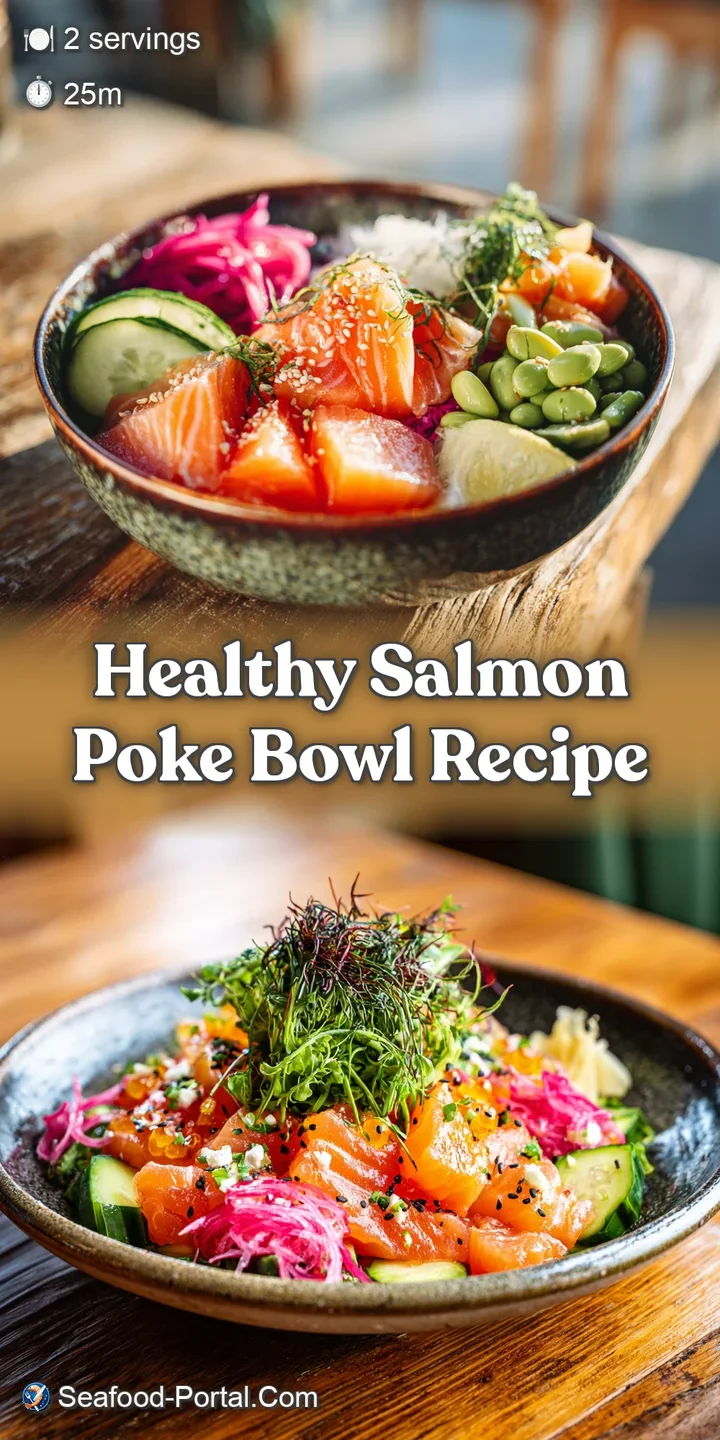
Critical Level of Sodium
1210 mg of sodium per serving (53% of daily value)
The American Heart Association recommends limiting sodium intake to about 2,300mg per day for adults. Try to stay below that limit!
Sodium Reduction Tips for Your Salmon Quinoa Bowl:
-
Lower Sodium Tamari-25%
Replace the regular tamari with a low-sodium tamari alternative. This simple swap can significantly reduce the sodium content of the marinade.
-
Control the Sriracha-20%
Use sriracha sparingly or replace it with a fresh chili pepper, finely minced, to add a kick without the added sodium. Consider a chili garlic sauce alternative with lower sodium.
-
Sodium Free Quinoa-15%
Ensure that the quinoa is cooked without any added salt or sodium rich broth. Cook it in plain water to control the sodium content.
-
DIY Furikake-10%
Prepare your own furikake by using ingredients with no salt added such as dried seaweed flakes, sesame seeds, and dried herbs to avoid store-bought options that are often high in sodium.
-
Acidic Boost-5%
Enhance the flavor with a squeeze of fresh lemon or lime juice instead of relying heavily on salty ingredients.
-
Fresh Herbs & Spices
Experiment with a variety of fresh herbs and spices like cilantro, basil, or black pepper to boost the flavor profile naturally without adding sodium. Get creative!
Recipe FAQs
What do I put in a salmon poke bowl?
Cubed, high-quality raw salmon, a grain base, and several fresh toppings. The core ingredients are diced fish, seasoned quinoa or rice, sliced avocado, edamame, and cucumber, all dressed in a tamari ginger marinade.
What ingredients are usually in a poke bowl?
Usually protein, a starch, vegetables, and a savory acidic sauce. Standard components include diced fish, sticky rice, sliced scallions, seaweed, and a dressing made from soy sauce, sesame oil, and rice vinegar.
What kind of salmon is used in a poke bowl?
Sashimi grade King or Atlantic salmon is recommended for the best texture. This fish has a higher fat content, which translates to a buttery mouthfeel, crucial for raw preparations. If you prefer a different cooking application, see how we apply fat-ratio logic for texture control in our Homemade Sushi Rolls recipe.
Do you use raw salmon for poke bowls?
Yes, traditionally you use raw, sushi grade salmon. The fish is quickly marinated to add flavor, but the texture remains uncooked, lending that signature velvety quality to the bowl.
How long should I marinate the salmon cubes?
Marinate for only 5 to 10 minutes before serving. This brief time is just enough for the tamari and ginger to penetrate the surface without over curing the fish, which can turn the texture mushy.
How do I make the quinoa a better base for the bowl?
Toast the dry quinoa lightly before cooking to enhance its nutty flavor. Rinse it thoroughly first to remove saponins, and then use a 1:2 quinoa-to-water ratio, letting it steam off the heat for 5 minutes after boiling.
Is it true that I must only use high sodium soy sauce for the dressing?
No, using tamari or low-sodium soy sauce is often preferred. Tamari provides a deeper umami flavor without the aggressive saltiness of standard soy sauce, allowing the ginger and sesame notes to shine through more clearly.
Salmon Poke Bowl Recipe
Ingredients:
Instructions:
Nutrition Facts:
| Calories | 714 kcal |
|---|---|
| Protein | 44g |
| Fat | 37g |
| Carbs | 50g |
| Fiber | 9g |
| Sugar | 2g |
| Sodium | 1210mg |
