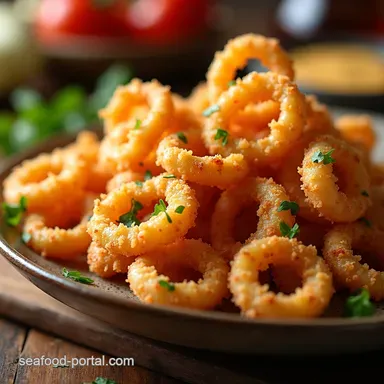
Proper Crispy Calamari the Secret to a Light Crunchy Seafood Treat
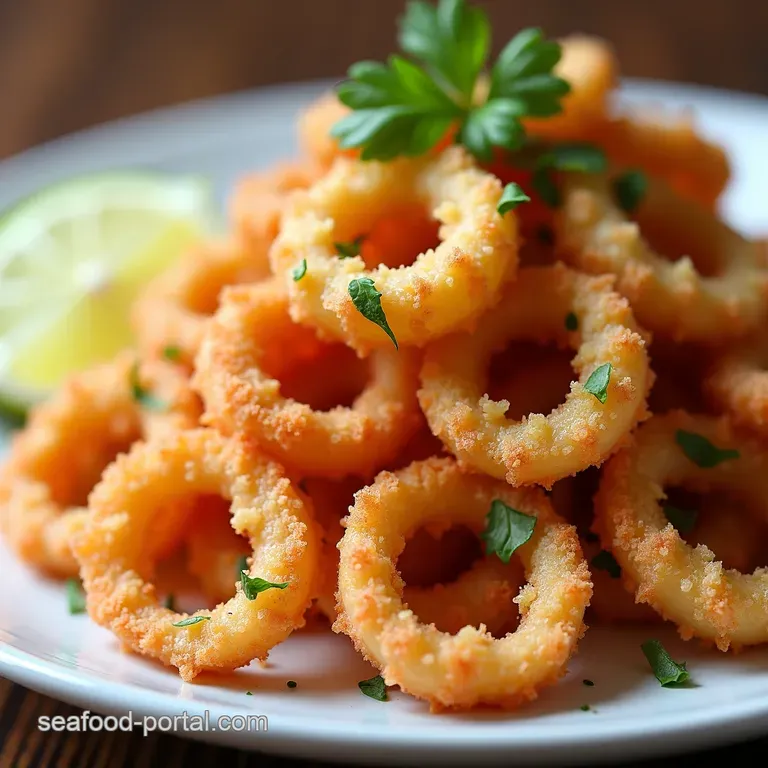
- The Quest for Pub-Worthy, Non-Greasy Crispy Fried Calamari
- Why This Technique Guarantees Tender Squid Every Single Time
- The Essential Shopping List for Flawless Crispy Fried Calamari
- Sourcing and Preparing Your Seafood
- The Step-by-Step Roadmap to Golden Perfection
- Temperature Control: The Key to Non-Soggy Results
- Elevating Your Platter: Sauces and Serving Suggestions
- Troubleshooting and Advanced Calamari Strategies
- Frequently Asked Questions
- 📝 Recipe Card
The Quest for Pub-Worthy, Non-Greasy Crispy Fried Calamari
There is a distinct pleasure found only in biting through a perfectly golden shell to meet tender, almost sweet squid beneath. Too often, the experience of ordering Crispy Fried Calamari results in disappointing, heavy rings saturated with oil.
We’re setting out today to banish that soggy fate forever. This isn't just another frying recipe; it's a precise methodology designed to deliver that elusive, cloud like crunch you typically only find in the best seaside taverns.
Mastering this technique will elevate your home cooking and instantly make you the hero of any gathering featuring Pub Food Appetizers . We are aiming for a light, shatteringly crisp result that remains delightfully Non-Greasy Fried Calamari .
Why This Technique Guarantees Tender Squid Every Single Time
The secret to superior Easy Calamari Rings lies in managing two critical elements: the tenderness of the squid itself and the texture of the coating. Squid, being muscle, cooks very quickly; overcook it by even a minute, and it tightens up into rubber bands.
Our approach uses a gentle preliminary soak to ensure the meat remains supple before it even sees the hot oil.
Busting the Myth: Frying Isn't Scary Anymore
Many home cooks shy away from deep frying, associating it with messy cleanups and unsafe temperatures. However, when you adhere strictly to temperature guidelines which we will discuss in detail frying becomes a rapid fire cooking process.
Because the cooking time is so short (less than 90 seconds per batch!), the oil isn’t given time to penetrate the coating excessively, which is why our final product achieves that lovely, airy texture rather than becoming a heavy sponge.
The Diamond Jubilee Standard of Crunch Explained
When we aim for quality here, we look for a standard as flawless as a diamond jubilee celebration. The crunch we are pursuing relies heavily on the combination of starches in our dry mix. Using both all-purpose flour for body and cornstarch for sheer crispness creates layers that expand rapidly in the heat.
We even introduce a touch of fine semolina, an old trick, which provides structure and that slight textural complexity associated with premium Seafood Appetizers .
Setting Expectations: What Makes This Recipe Superior
What sets this Crispy Fried Calamari Recipe apart is the buttermilk marinade. Buttermilk, with its mild acidity, gently breaks down the proteins in the squid flesh, resulting in an impossibly tender bite.
Following this tenderizing bath with an aggressively dry coating ensures a perfect barrier against the hot oil. This combination transforms what can be a tough ingredient into a delightful centerpiece of your appetizer spread.
The Essential Shopping List for Flawless Crispy Fried Calamari
To ensure a successful outcome for your Classic Fried Calamari , organization is key. Gather every item before you begin heating the oil. Our Calamari Ingredients list is built around creating maximum surface crispness and internal tenderness.
You will need 1 lb of cleaned calamari tubes and tentacles, 1 cup of buttermilk, 1 cup of all-purpose flour, ½ cup of cornstarch, 2 tablespoons of fine semolina (optional but recommended), 1 teaspoon of baking powder, and spices including smoked paprika and garlic powder.
For frying, ensure you have at least four cups of a high smoke point oil like canola or peanut oil.
Sourcing and Preparing Your Seafood
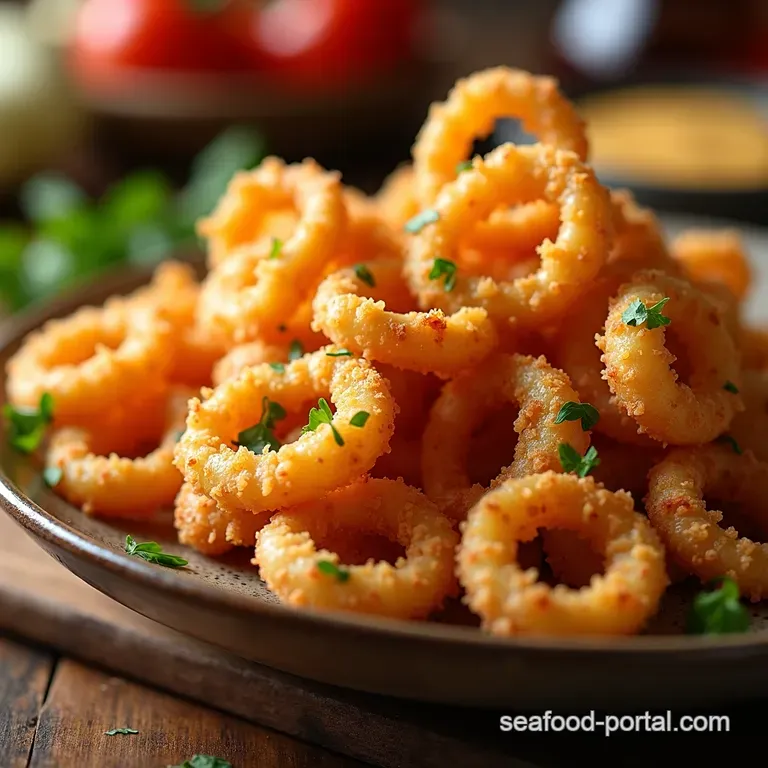
The foundation of any great seafood dish rests on the quality of the main ingredient. If you are using frozen calamari, ensure it is completely thawed and, crucially, patted bone dry before the next step.
If you are fortunate enough to source fresh, clean the tubes well, slice them into rings about ½ inch thick, and leave the tentacles whole, as they crisp up wonderfully.
The Dry Coating Components: Achieving Peak Crispiness
The dry mix is where we build the structure for Light Crispy Calamari . Whisk together the all-purpose flour and cornstarch the workhorses of crispness. The cornstarch raises the temperature at which the coating sets, reducing oil absorption.
The teaspoon of baking powder is non-negotiable; it releases small gas bubbles during frying, creating that airy, light exterior rather than a dense shell. Don’t forget the seasonings like smoked paprika and garlic powder mixed right into this dredge for built-in flavor.
Liquid Binders: What Makes the Batter Stick Right
We are using buttermilk for its tenderizing capabilities, but it also serves as the perfect binder. After the calamari has marinated for its allotted time, you want to remove the pieces and let the excess buttermilk drip off significantly.
The goal isn't a thick, wet batter; it’s a light, tacky coating of flour that adheres immediately to the slightly moistened surface of the squid.
Tools of the Trade: Necessary Frying Equipment
While you can technically fry in any deep pot, success hinges on temperature stability. You absolutely need a heavy bottomed vessel a Dutch oven works perfectly to maintain heat when cold food is added. Most importantly, an accurate digital or candy thermometer is your best friend.
Without one, monitoring the oil temperature becomes guesswork, which is the fastest route to a greasy plate of Crispy Calamari Ideas . Finally, prepare a wire rack set over a baking sheet for draining; this allows air to circulate around the rings, preventing the bottoms from steaming themselves soggy.
Related Recipes Worth Trying
- Crispy Skin Rainbow Trout with Brown Butter Sauce Easy Fish Dinner — Master the perfect Seared Rainbow Trout with shatteringly crisp skin This easy trout recipe cooks in under 20 minutesa true showstopper for a midweek meal
- Easy Homemade Fish Cakes Super Crispy Cod Salmon Recipe — Master how to make crispy fish cakes that taste like the seaside This easy homemade fish cakes recipe uses cod or salmon for moist centres and Panko for crunch
- Easy Smoky Southern Fried Cabbage with Crispy Bacon — Stop making soggy cabbage This Southern Fried Cabbage Recipe uses bacon fat and a splash of vinegar for the perfect tendercrisp side dish So easy
The step-by-step Roadmap to Golden Perfection
The actual cooking phase is rapid, so have your draining station ready before you begin. After the calamari has soaked in the buttermilk bath for 30 to 60 minutes, gently drain off the excess liquid. Now, dredge the rings thoroughly in your prepared dry coating.
Shake off any loose, heavy clumps of flour only a light, even dusting should remain adhered to the squid.
Temperature Control: The Key to Non-Soggy Results
The cardinal rule of deep frying is temperature discipline. We are aiming for a consistent oil temperature of exactly 350° F ( 175° C). Fluctuations are the enemy of crispness.
Prepping the Squid: A Crucial Drying Phase
Before submerging them in the buttermilk, ensure the calamari is as dry as possible after its initial rinse. This initial dryness maximizes the buttermilk’s ability to penetrate and tenderize during the soak phase without adding unnecessary water content to the flour dredge later.
Mixing the Coating: Don't Overwork the Flour
When combining your flour, cornstarch, semolina, and leavening agents, a quick whisk is all that is needed. Overmixing develops gluten in the flour, leading to a tougher coating rather than a delicate crisp.
The Swift Fry Cycle: Getting In and Out Fast
Working in small batches is vital; try not to overcrowd the pot by adding more than a handful of pieces at once. When the calamari hits the 350° F oil, the temperature will inevitably dip slightly. This is normal. Fry for just 60 to 90 seconds.
The calamari is done when it is a pale, delicate gold. If you wait until it’s deep brown, it’s already overcooked internally.
Draining and Seasoning Immediately Post Fry
As soon as the pieces float and achieve that perfect hue, remove them immediately with a spider or slotted spoon and place them directly onto the wire rack. Crucially, sprinkle them generously with flaky sea salt (Maldon is ideal) while they are still sizzling hot.
This draws out any residual surface moisture and ensures the seasoning adheres perfectly, finishing our exploration of Crispy Calamari Ideas .
Elevating Your Platter: Sauces and Serving Suggestions
While the texture of the fried squid is the star, the presentation and accompaniment seal the deal. A squeeze of fresh lemon juice over the hot calamari brightens the entire flavor profile. For dipping, consider something bold to contrast the richness of the fry.
A zesty aioli infused with roasted garlic or a slightly spicy sriracha mayo are excellent modern choices, moving beyond the standard ketchup presentation.
Troubleshooting and Advanced Calamari Strategies
Even with the best plan, things can sometimes go slightly awry in the kitchen. Knowing how to adjust on the fly is the mark of an expert cook.
Flavor Variations: Beyond the Classic Dusting
If you desire more complexity than the basic garlic and paprika powder, consider incorporating finely ground dried herbs into your dredge think a pinch of dried oregano or thyme.
For a fun twist that caters to those who like a bit of heat, replace the smoked paprika with a quality cayenne or a dash of smoked chipotle powder for a deeper, earthier spice note in your Crispy Fried Calamari .
Storage Realities: Can You Save Leftover Crunch?
The sad truth about deep fried foods is that they are designed to be eaten immediately. Once cooled, the moisture trapped inside begins to condense on the coating, inevitably leading to sogginess. If you must store leftovers, place them in a paper bag at room temperature, never sealed in plastic.
Reheating is difficult; an oven or air fryer at 375° F for a few minutes will revive some crispness, but the texture will never truly replicate the fresh from-the-oil experience.
Perfect Pairings: The Ultimate Dipping Sauces
To truly complement this Classic Fried Calamari , think about balancing the fat and saltiness. A vibrant, acidic sauce cuts through beautifully. A homemade tartar sauce featuring capers and fresh dill, or even a simple lemon herb yogurt dip, provides the perfect cool counterpoint.
Serve these alongside fresh lemon wedges, and you’ll have a starter worthy of any five star menu.
Frequently Asked Questions
Why is my Crispy Fried Calamari always soggy instead of light and crunchy?
Sogginess is usually down to two culprits: oil temperature or moisture. Ensure your oil is a steady 350°F (175°C); if it's too cool, the batter soaks up grease like a sponge.
Also, make absolutely certain the calamari is well drained after the buttermilk soak and that you’ve vigorously shaken off any excess flour clumps before frying.
How long should I soak the calamari in buttermilk for the best texture?
We recommend a minimum of 30 minutes, but up to an hour in the fridge is the sweet spot. The mild acid in the buttermilk works wonders to tenderise the squid rings, preventing them from becoming tough when they hit the hot oil. Don't leave it much longer than an hour, though, or the texture might get mushy.
Can I make the coating mixture ahead of time for my Crispy Fried Calamari?
Yes, you absolutely can mix the dry ingredients (flour, cornstarch, semolina, spices) a day ahead and store them in an airtight container. However, the leavening agent, baking powder, starts to lose its oomph over time, so for maximum puffiness, mix the dry dredge just an hour or two before you plan to fry.
My oil temperature keeps dropping what's the trick to keeping it consistent when frying in batches?
This is the bain of home deep frying! The trick is simplicity itself: fry in very small batches only enough to cover the bottom of the pot without overlapping. Let the oil return to 350°F (175°C) completely between each batch; patience here ensures that shatteringly crisp finish we’re after.
How do I store leftover fried calamari so it doesn't just turn into chewy rubber?
Honestly, the best way is straight from the fryer to the plate it’s not a dish that holds up well! If you must store it, lay the pieces out on a rack (not paper towels) and let them cool completely, then store in a paper bag at room temperature for a few hours.
Reheat briefly in a very hot oven (about 400°F or 200°C) to try and revive some crispness, but it won't be the same as freshly cooked.
What is the absolute best dipping sauce to pair with this recipe?
For a truly classic pub experience, you can't beat a simple, zesty aioli made with roasted garlic and a generous squeeze of lemon juice; the creaminess complements the crunch perfectly.
Alternatively, a bright, slightly spicy marinara sauce is excellent for dipping those rings, much like you’d find down by the seaside!
Proper Crispy Calamari