Crispy Light and Ohsomoreish Proper Fried Calamari
- Achieving Seaside Perfection: The Ultimate Crispy Fried Calamari
- Why This Light Dredge Outperforms Heavy Batters
- Procuring and Preparing Your Calamari
- The Simple Flour Mix for Superior Crunch
- The Process: Transforming Squid into Golden Delights
- Elevating Your Experience: Serving Suggestions and Troubleshooting
- Frequently Asked Questions
- 📝 Recipe Card
Achieving Seaside Perfection: The Ultimate Crispy Fried Calamari
There is perhaps no starter that instantly conjures images of sun-drenched coastal towns and lively evening chatter quite like perfectly executed Fried Calamari .
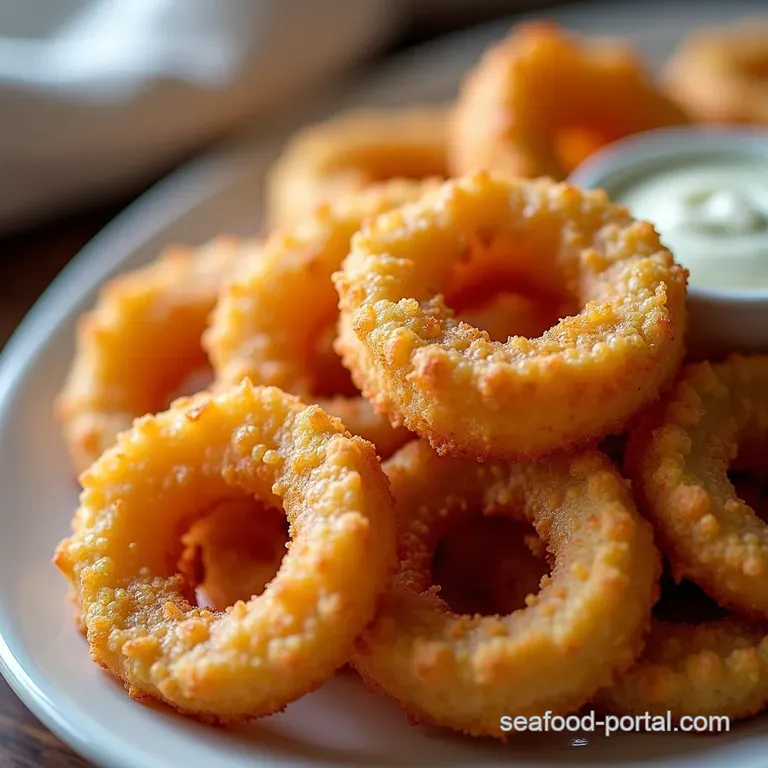
We’re not talking about the pale, oil-logged rings you sometimes encounter; we are chasing that shatteringly crisp, golden exterior that gives way to tender, sweet squid within. This pursuit of textural excellence is what separates a good appetizer from an unforgettable one.
Forget expensive restaurant orders; mastering this Best Fried Calamari Recipe at home elevates any gathering from casual to coastal chic.
Why This Light Dredge Outperforms Heavy Batters
Many recipes rely on thick, cumbersome beer batters, resulting in a heavy, bread like coating that often tastes more of the fryer oil than the delicate seafood it encases. For truly authentic Italian Fried Calamari , we opt instead for a featherlight flour and starch dredge.
This method ensures the natural flavor of the squid shines through while providing just enough structure to catch the heat and deliver that addictive crunch.
Setting the Standard for Tender Squid Rings
The journey to non-rubbery calamari begins long before the oil gets hot. Our technique incorporates a brief, but vital, soaking period in milk or buttermilk. This acidic bath, often overlooked in simpler preparations, helps to break down the connective tissues in the squid, resulting in meat that remains surprisingly tender even when flash fried.
This initial step is non-negotiable if you want truly delicate Homemade Fried Calamari .
The Secret to Non-Soggy Seafood Coatings
Achieving that signature crispness the hallmark of any great Restaurant Style Calamari —hinges on two major factors: surface moisture and oil stability. First, the calamari must be painstakingly dried before coating.
Second, the use of cornstarch (or potato starch) mixed with the flour in our dredge dramatically lowers the moisture barrier contact with the hot oil, promoting rapid crisping rather than slow steaming.
A Mediterranean Appetizer That Steals the Show
Whether you are planning an elaborate dinner spread or simply need exceptional Appetizer Recipes Seafood ideas, this dish fits the bill perfectly. It is quick to prepare once the squid is rested, offering that immediate gratification we crave from deep fried treats.
Served simply with lemon and fresh herbs, it truly is a testament to how minimal ingredients can achieve maximal flavour.
Procuring and Preparing Your Calamari
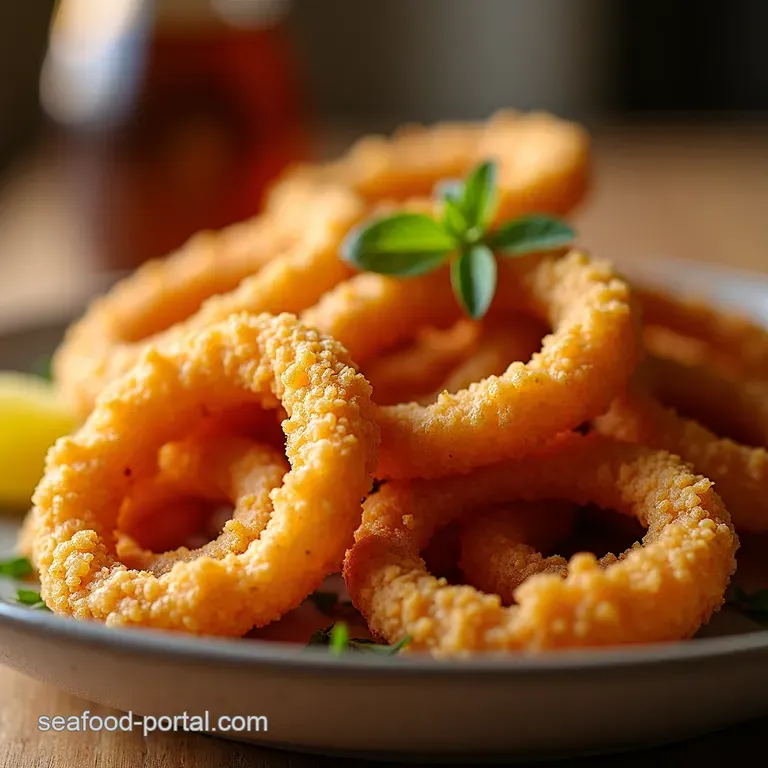
For exceptional Seaside Fried Calamari , the quality of your main ingredient matters. You’ll need about 1.5 pounds of cleaned calamari tubes and tentacles. While fresh is always wonderful, high-quality flash frozen calamari, properly thawed and dried, works beautifully.
The key preparation involves slicing the tubes into uniform rings, no thicker than half an inch, to ensure they cook evenly. Tentacles are usually left whole, as their irregular shapes crisp up delightfully.
Related Recipes Worth Trying
- Proper Crispy Calamari Light Crunchy Seafood Treat — Master the art of truly light nongreasy crispy fried calamari with this foolproof buttermilk soak recipe Say goodbye to soggy rings
- Easy Smoky Southern Fried Cabbage with Crispy Bacon — Stop making soggy cabbage This Southern Fried Cabbage Recipe uses bacon fat and a splash of vinegar for the perfect tendercrisp side dish So easy
- BetterThanTakeout Shrimp Fried Rice in 20 Minutes — Stop settling for soggy rice Learn how to make quick Shrimp Fried Rice with smoky separated grains and vibrant veg This easy Shrimp Fried Rice recipe is a...
The Simple Flour Mix for Superior Crunch
This dredge is designed for speed and texture. It’s a foundational blend that prioritizes crispness over bulk. The ratios are specifically balanced to provide structure without weighing down the squid.
Selecting Fresh or Frozen Calamari Cuts
When sourcing, aim for tubes that are firm and odourless. If using frozen, ensure they are fully thawed in the refrigerator overnight, then rinsed lightly. Regardless of origin, the next step is the most critical for crisp results.
Essential Seasonings for the Dry Dredge
Our dry mix begins with a base of all-purpose flour, heavily supplemented with cornstarch the element that guarantees that airy, light exterior. For flavour depth, we introduce a touch of smoked paprika for colour, garlic powder for a subtle aromatic background, freshly cracked black pepper, and good quality kosher salt.
Whisk these dry components thoroughly together in a wide, shallow dish to ensure the seasoning is evenly distributed throughout the mixture.
High Heat Oil Selection for Perfect Frying
When diving into deep frying, stability is paramount. We rely on neutral oils with high smoke points, such as canola, peanut, or vegetable oil. You need enough oil about 2 inches deep in a heavy bottomed pot to comfortably submerge the calamari without splashing.
This generous oil volume helps maintain the temperature when cold items are introduced.
Tools Required for Success
A deep fry thermometer is your most valuable tool here; guessing the temperature is a guaranteed route to mediocrity. You will also need tongs for careful placement and retrieval, and crucially, a wire rack set over a baking sheet to allow air circulation while draining excess oil avoiding a soggy bottom is essential for truly Crispy Fried Calamari .
The Process: Transforming Squid into Golden Delights
Once the squid is prepared and the dredge mixed, the final assembly phase begins. This stage moves quickly, so have everything staged and ready near your hot oil.
Rinsing and Thoroughly Drying the Calamari
After their essential soak in the milk bath (which should last about 30 minutes in the fridge to tenderize), remove the squid pieces. Gently rinse them under cool water to remove the milk residue, and then pat every single piece aggressively dry with paper towels.
Residual moisture turns into steam, which immediately sabotages crispness.
The Gentle Tossing Technique for Coating
Working in small batches to prevent clumping, gently toss the dried calamari into the seasoned flour mixture. Ensure every surface is coated, but then shake off the excess vigorously before dropping them into the oil. A light dusting is all you require for this style of Fried Calamari Recipe .
Achieving and Maintaining Ideal Oil Temperature
The target temperature for frying is precisely 365° F ( 185° C) . Use your thermometer to confirm this before adding the first batch. When the coated calamari enters the oil, the temperature will drop slightly.
Monitor constantly; if it dips below 350° F, wait patiently for it to recover before adding the next batch.
Draining and Immediate Seasoning of the Fried Calamari
The squid cooks incredibly fast usually 90 seconds to 2. 5 minutes max. Once they achieve a delicate pale gold, lift them out immediately and place them onto the waiting wire rack. The moment they hit the rack, sprinkle them with a final, light dusting of flaky salt.
This seasoning adheres best when the product is piping hot.
Elevating Your Experience: Serving Suggestions and Troubleshooting
The presentation and accompaniment can turn simple Homemade Fried Calamari into a memorable feast.
The Perfect Zesty Dipping Sauces
While the squid itself is flavourful, it truly sings when paired with acid and brightness. A classic homemade marinara is welcome, but for a tangier profile that complements the frying process, try whipping up a quick lemon herb aioli.
Whisking together quality mayonnaise with lemon zest, fresh lemon juice, a tiny bit of minced garlic, and a splash of Dijon mustard creates an incomparable dipping partner.
How to Prevent Overcooking the Squid
If your calamari turns out chewy or rubbery, you’ve likely overcooked it. Squid is extremely lean and tightens up rapidly under prolonged heat. Remember: the goal is a very fast cook time. If you notice the coating browning too quickly, your oil is too hot, and you must reduce the flame immediately.
Storage Recommendations for Leftovers (If Any Remain!)
Frankly, there should be none left when you master How to Make Fried Calamari this well! However, if you do have leftovers, storing them is tricky. Fried food quickly loses its texture.
The best strategy is to spread them on a paper towel and let them cool completely, then store them briefly in an airtight container in the fridge. Reheat them very briefly in a hot oven (around 400° F) or an air fryer never the microwave to attempt to reactivate some crispness.
Frequently Asked Questions
How do I stop my Fried Calamari from turning out rubbery?
That's the million dollar question! The key lies in the quick cook time; squid cooks very fast, so overcooking makes it tough as old boots. The milk soak in the recipe also helps tenderise the meat before it hits the pan. Make sure your oil is at a ripping hot 365°F (185°C) so it cooks in under three minutes.
My coating always seems to fall off; what am I doing wrong?
It sounds like your calamari pieces aren't dry enough before coating, or you're overcrowding the pot. Always pat the squid extremely dry after rinsing, and ensure you're working in small batches so the oil temperature doesn't plummet.
Also, give the dredged pieces a good shake to remove excess flour before they go into the fryer.
Can I prepare the Fried Calamari ahead of time, or how should I store leftovers?
Honestly, fried food is best eaten the second it comes out of the oil it’s just not the same the next day! If you must store leftovers, let them cool completely, then put them in an airtight container in the fridge for no more than 24 hours.
To reheat, skip the microwave; try baking them briefly in a hot oven (around 400°F/200°C) to bring back some crispness.
What oil is best for frying calamari, and how hot should it be?
You need a neutral oil with a high smoke point, like canola, peanut, or vegetable oil don't use olive oil, it will smoke something awful! The temperature is absolutely crucial; aim precisely for 365°F (185°C). Too cool, and it gets greasy; too hot, and the coating burns before the squid is done.
I don’t have buttermilk; what can I use instead for the tenderizing soak?
No worries at all, you don't need to run down to the shops for buttermilk! You can simply use whole milk as suggested, which still works wonders for tenderising. If you want to mimic buttermilk's slight acidity, just add a teaspoon of white vinegar or lemon juice to a cup of regular milk and let it sit for five minutes before adding the squid.
Crispy Fried Calamari Recipe

