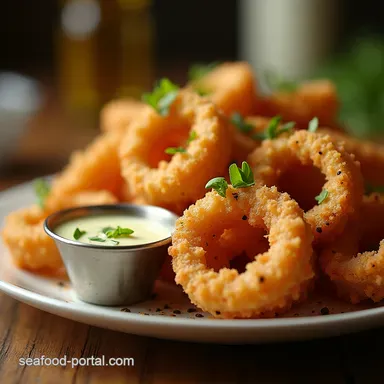
The Better Than the Chippy Crispy Fried Calamari with Lemonherb Aioli
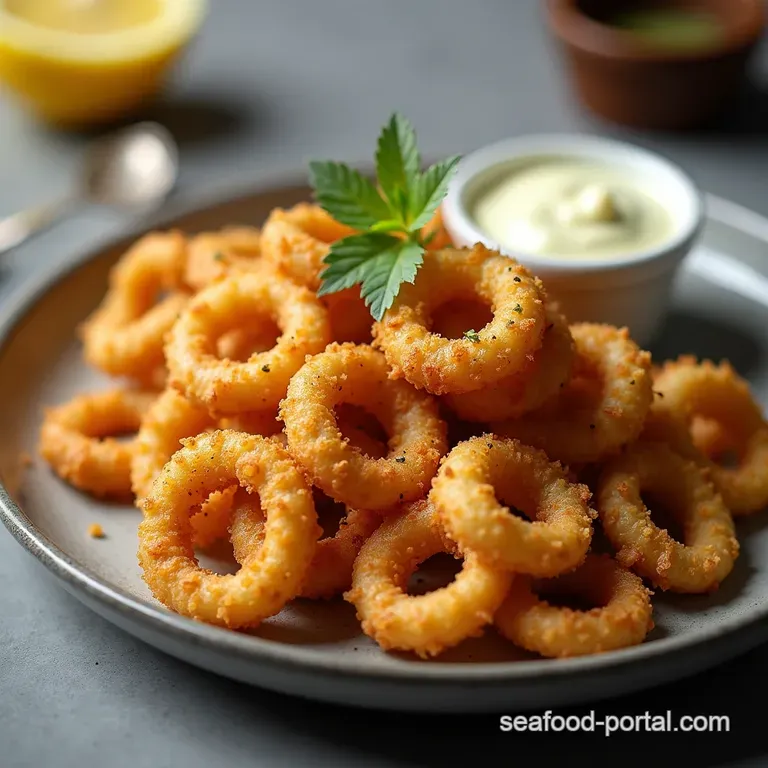
- The Secret to Achieving Non-Soggy, Featherlight Calamari Rings
- Elevating Pub Classic: Why This Fried Calamari Stands Apart
- Essential Components for Perfect Crispy Fried Calamari Coating
- Sourcing and Prepping Your Squid: Freshness First
- Mastering the Breading Technique for Superior Adhesion
- The High-Heat Strategy: Frying for Golden Perfection
- Flavor Enhancements and Healthy Alternative Coatings
- Recipe FAQs
- 📝 Recipe Card
The Secret to Achieving Non-Soggy, Featherlight Calamari Rings
Achieving that ethereal, light crunch in your homemade seafood is often the goal, yet so many attempts result in heavy, oil-logged disappointment. The secret to truly outstanding Crispy Fried Calamari lies not just in the batter, but in managing moisture and temperature meticulously.
We are aiming for a coating so delicate it shatters at the slightest pressure, revealing tender, perfectly cooked squid beneath. This involves a strategic buttermilk marinade to tenderize the protein and a precise dry dredge featuring cornstarch, which is crucial for that signature, non-soggy texture we are pursuing.
Elevating Pub Classic: Why This Fried Calamari Stands Apart
While many associate fried squid with overly thick, chewy pub fare, our Fried Calamari Recipe focuses on Mediterranean finesse. We utilize a quick marinade time combined with a high-heat cooking strategy to ensure the squid remains juicy and never rubbery.
This approach transforms a simple appetizer into a stunning culinary event, perfect for serving as a starter or a substantial snack. This is the kind of Crispy Fried Calamari Recipe you’ll want to bookmark immediately.
Defining True Culinary Crispness in Seafood Frying
Culinary crispness hinges on the rapid expulsion of surface moisture when the food hits hot oil. In our Light Fried Calamari , the inclusion of baking powder in the dry coating creates micro-bubbles upon contact with the heat.
These bubbles inflate rapidly, pushing moisture away from the surface and setting the coating instantly into a hard, shatteringly crisp shell. This aeration is what separates a good coating from the Best Fried Calamari you’ve ever made at home.
A Zesty Companion: Introducing Our Signature Dipping Sauce
A rich, fried appetizer demands a bright counterpoint to cleanse the palate. Therefore, we pair this dish with a vibrant Lemon-Herb Aioli. This sauce is effortlessly assembled using good quality mayonnaise as a base, sharpened with fresh lemon zest, juice, and finely minced garlic, along with fragrant fresh parsley.
This zesty addition cuts through the richness of the oil, ensuring that every bite feels as exciting as the first.
Why A Gentle Touch Prevents Tough Textures
The texture of squid is inherently delicate; overcooking, even by seconds, causes the muscle fibers to contract rapidly, leading to that unpleasantly tough, rubbery chew. Because the squid rings are cut thin and the oil temperature is high (aiming for 375° F or 190° C), the entire cooking time for each batch is astonishingly brief, often under 90 seconds.
This rapid cook time is the fundamental guardian against chewiness.
Essential Components for Perfect Crispy Fried Calamari Coating
Creating that perfect, light crust requires a carefully balanced mix of dry ingredients. For the coating, the foundational elements are one cup of all-purpose flour combined with a half-cup of cornstarch.
The cornstarch is indispensable; its high starch content absorbs less oil and produces a lighter, more crystalline crunch than flour alone. We also incorporate a teaspoon of baking powder for lift, along with salt and a dash of cayenne pepper for warmth.
Related Recipes Worth Trying
- The Perfect Oven Baked Potatoes with Crispy Skin — Achieve the crispiest skin and fluffiest interior with this foolproof Oven Baked Potatoes Recipe Forget foilthis method guarantees perfection every time
- The Crispiest Southern Fried Okra Recipe No Slime — Master the best fried okra recipe using our noslime technique involving buttermilk and chilling Get that shatteringly crisp Southern Fried Okra every time
- Golden Crunch Truly Crispy Southern Fried Okra No Slime Allowed — Master the art of Homemade Fried Okra with this foolproof recipe Learn the cornmeal secret for a perfect crispy texture every time A true Southern classic...
Sourcing and Prepping Your Squid: Freshness First
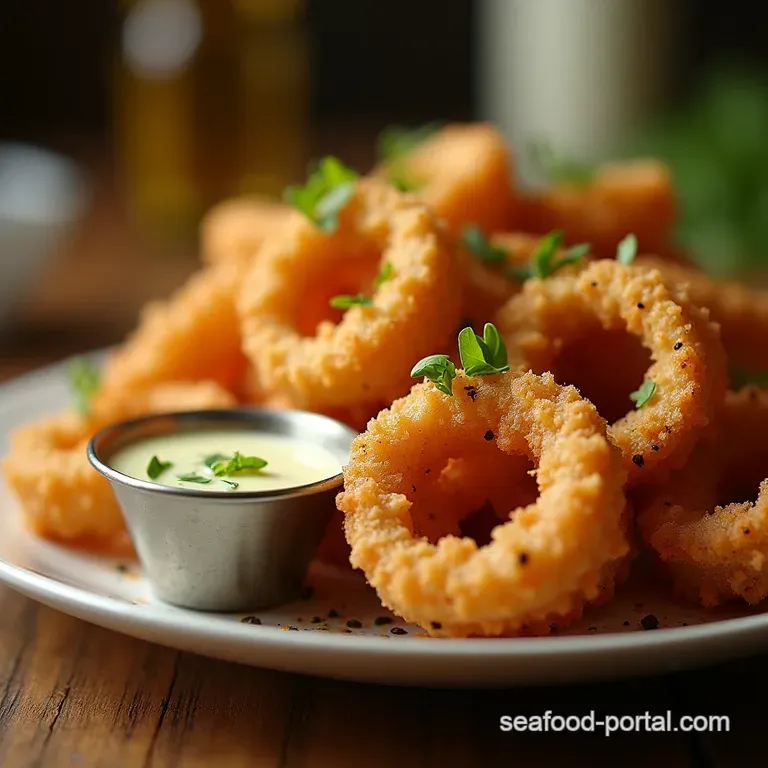
When preparing this Crispy Calamari Rings masterpiece, start with quality squid. Whether you opt for fresh or properly thawed frozen bodies and tentacles, the most critical step is preparation.
Once the squid is cleaned and sliced into uniform half-inch rings, they must be rinsed and then patted absolutely dry using paper towels. Any residual water will compromise the adhesion of the marinade and the eventual crispness of the crust.
Following the drying phase, the squid is submerged in a buttermilk marinade, seasoned with kosher salt, black pepper, and smoked paprika, and chilled for a minimum of 45 minutes to allow the acid in the buttermilk to work its tenderizing magic.
The Dry Mix Magic: Flour Alternatives for Maximum Crunch
While standard all-purpose flour forms the structure, the cornstarch is the agent of crispness. This duo, whisked together with leavening agents, creates a coating that adheres well while offering minimal density.
This intentional lightness is what prevents the dish from becoming heavy, reinforcing the "light" in our Light Fried Calamari .
Chilling the Components: A Non-Negotiable Preparation Step
Temperature differential is a cornerstone of successful frying, especially for Seafood Recipes that cook quickly. The buttermilk marinade must be cold straight from the refrigerator, and the oil must be fiercely hot.
This contrast shocks the coating, setting it immediately before the heat can penetrate too deeply and toughen the interior squid. Ensure all components are staged and ready before you even turn on the burner to maintain this essential thermal gradient.
Tools of the Trade: Fryer Setup and Temperature Calibration
For frying success, a deep, heavy-bottomed pot, like a Dutch oven, is ideal as it retains heat well. However, the single most important piece of equipment for this Easy Fried Calamari method is an accurate deep-fry or candy thermometer.
Eyeballing the temperature is a recipe for disaster; we require the oil to hold steady at 375° F ( 190° C) for the best results.
Mastering the Breading Technique for Superior Adhesion
Once the squid has marinated, it's time for the crucial dredging phase. Lift the rings from the buttermilk, allowing the excess liquid to drip away naturally for a moment, but do not shake them excessively dry. Immediately transfer them to the shallow bowl containing the seasoned flour/cornstarch mix.
The residual moisture from the buttermilk allows the dry coating to cling tenaciously. Gently toss and press the calamari within the flour until every surface is completely enveloped, ensuring superior adhesion when they hit the oil.
The High-Heat Strategy: Frying for Golden Perfection
With the oil preheated to the precise target temperature, the frying process becomes a matter of rapid timing. This method ensures your final product belongs firmly in the category of Crispy Fried Calamari .
The Double-Dredge Method Explained Simply
While this recipe focuses on a single, robust dredge, the key to a slightly more textured coating often associated with the double-dredge is proper management within the single coating. After the initial coat, ensure every piece is fully covered.
If you see any wet spots clinging to the squid, toss it again lightly in the dry mix until it looks dusty and matte. This ensures an even, protective shell.
Monitoring Oil Temperature: The Key to Speedy Cooking
As you gently introduce small batches of coated squid into the 375° F oil, watch the thermometer closely. If the temperature dips below 350° F, the coating will absorb oil instead of crisping, leading to a greasy result.
If it gets too high, the outside will burn before the inside cooks. Maintain that sweet spot for the duration of the quick fry.
Draining and Seasoning Immediately After Leaving the Heat
Using a spider strainer, remove the golden-brown rings promptly, typically after only 60 to 90 seconds. Transfer them directly onto a wire cooling rack set over a baking sheet.
This elevated draining setup is vital; it allows air to circulate completely around the rings, preventing steam from collecting underneath and softening the hard-earned crust. As they rest on the rack, immediately sprinkle them with a whisper of fine salt to enhance the flavour profile.
Flavor Enhancements and Healthy Alternative Coatings
While the cornstarch blend provides exceptional texture, you can introduce exciting global flavours into the dry coating mix. Consider adding toasted ground sesame seeds for a nutty depth, or substituting smoked paprika with ground cumin and chili powder for a Southwestern flair.
This adaptability makes it easy to customize this Fried Calamari Recipe for any occasion.
Gluten-free Flours That Still Deliver Incredible Flavor
For those avoiding gluten, excellent alternatives exist that replicate the desired lightness. A mixture combining rice flour (which is very fine) and potato starch (which crisps beautifully) works wonderfully in place of wheat flour and cornstarch.
This substitution maintains the integrity of the coating without compromising the goal of achieving true Crispy Fried Calamari .
Reheating Tactics That Revive the Crunch Factor
If you must reheat leftovers, the microwave is your sworn enemy. To restore the crunch, place the calamari in a single layer on a baking sheet and bake in a hot oven ( 400° F or 200° C) for about 5 to 7 minutes, or until they crisp up again.
An air fryer, set to 375° F for 3 minutes, is also highly effective for reviving the texture.
Pairing Suggestions: Wines and Garnishes That Complement Fried Seafood
To truly complete the experience, garnish the finished calamari generously with thin lemon wedges for a final squeeze of acid and a scattering of finely chopped fresh parsley. A crisp, dry white wine like Sauvignon Blanc or an unoaked Chardonnay provides the perfect acidic cut, balancing the fat beautifully.
Troubleshooting Common Calamari Failures (Chewy or Greasy Results)
If your results are chewy, the oil temperature was likely too low, causing the squid to steam rather than fry quickly. If the coating slides off or the calamari tastes greasy, it points back to overcrowding the pot; too much cold product lowered the oil temperature too quickly, leading to absorption rather than crust formation.
Remember, small, fast batches cooked in scorching oil are the pathway to the Best Fried Calamari .
Recipe FAQs
How do I stop my Crispy Fried Calamari from turning out rubbery and chewy?
That’s the age-old battle! The key is speed and temperature. Overcooking is the culprit, so make sure your oil is hot, a steady 375°F (190°C). Fry the calamari in small batches for only 60 to 90 seconds until just golden; this cooks them fast enough to stay tender inside.
My coating is falling off into the oil. What am I doing wrong?
This usually happens for two reasons: either the squid wasn't patted dry enough before marinating, or you’re trying to coat too much at once. Ensure every piece is nicely coated in the flour mix and press it on gently, then transfer straight to the hot oil immediately before the coating has time to get wet again.
Can I make this ahead of time, or how should I store leftovers?
Sadly, deep-fried food is best eaten piping hot, fresh off the rack. If you have leftovers, avoid the microwave, it'll turn them soggy as anything! Reheat them quickly in a very hot oven (around 425°F or 220°C) for about 5-7 minutes to try and bring back some of that crispness.
I don't have buttermilk; what can I use instead for the marinade?
Don't fret; you don't need to pop down to the corner shop! You can easily create a buttermilk substitute by mixing one cup of regular milk with one tablespoon of lemon juice or white vinegar and letting it sit for about ten minutes until it looks slightly curdled. That slight acidity does the trick for tenderising.
What’s the secret ingredient in your recipe that makes the coating so light and crispy?
Ah, that's our little trick up the sleeve: the cornstarch and baking powder combination in the dry dredge. The cornstarch keeps things light and shatteringly crisp, while the tiny bit of baking powder creates microscopic air pockets as it hits the hot oil, giving you that lovely, airy crunch, rather than a heavy, doughy shell.
Is Crispy Fried Calamari a terribly unhealthy snack, and can I lighten it up?
It is fried, so it will absorb some oil, making it richer, but the ultra-quick cooking time helps reduce overall absorption. To lighten the experience, ensure you drain them properly on a wire rack, not paper towels, as air circulation prevents steam build-up.
Serving it alongside a sharp, vinegary salad also helps balance the richness!
The Best Crispy Fried Calamari with Tender Rings