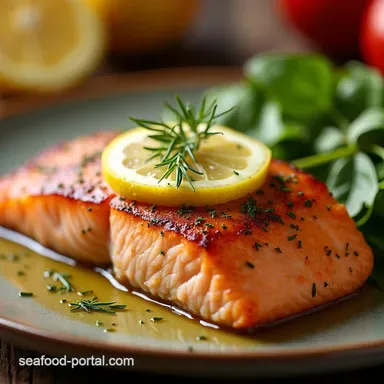
The Perfect 10Minute Crisp Foolproof Panseared Salmon with Lemondill Butter
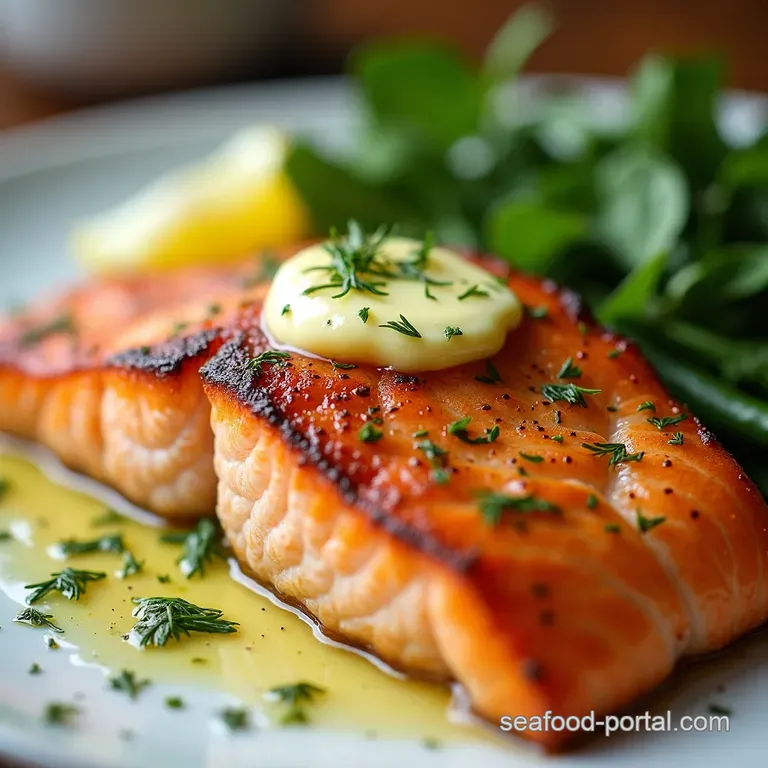
- Why Pan-Seared Salmon Reigns Supreme on Weeknights
- The Secret to Non-Negotiable Crispy Skin
- Assembling Your Pan Seared Salmon Arsenal
- Stocking the Pantry for Success
- The Definitive Method for Flawless Pan Seared Salmon
- From Sizzle to Serve: The Finishing Touches
- Troubleshooting and Advanced Techniques for Pan-Seared Perfection
- Making This Recipe Your Own
- Frequently Asked Questions
- 📝 Recipe Card
Why Pan-Seared Salmon Reigns Supreme on Weeknights
When it comes to elevating a simple weeknight meal without demanding hours in the kitchen, nothing quite beats the technique of pan-searing. This method transforms a humble piece of fish into something truly restaurant worthy.
Achieving a Perfect Pan Seared Salmon is often perceived as tricky, but in reality, it relies on mastering just a few core principles: high heat, patience, and absolute dryness.
Forget oven baking or poaching; this approach yields an intensely flavourful exterior while locking in the tender, moist flakes we all crave. It’s the gateway to mastering fish cookery, proving that an Easy Salmon Dinner doesn't mean compromising on texture or taste.
The Secret to Non-Negotiable Crispy Skin
The true hallmark of a successful pan-sear, and the key differentiator in this Pan Seared Salmon Recipe , is that gloriously crackling skin. This isn't a happy accident; it’s a direct result of technique.
When skin hits a sufficiently hot, oiled surface, the moisture rapidly evaporates, causing the remaining collagen and proteins to crisp up beautifully. If the pan isn't hot enough, or if the skin retains any moisture, the result is steaming, leading to a soft, unappetizing texture.
We are aiming for texture contrast: shatteringly crisp skin juxtaposed against succulent, buttery flesh.
Elevating the Everyday Fish Dinner
To transition this from a basic supper to something special, we focus on quality ingredients and focused flavour layering. This Salmon Fillet Recipe is deceptively simple, relying on the fish to shine, but the right aromatics applied at the right time specifically during the finishing baste elevates the entire experience.
It’s about maximizing impact with minimal effort, making it a reliable favourite for busy households.
A Quick Path to Culinary Gold: Under 15 Minutes!
One of the greatest appeals of this preparation is its speed. With a total time hovering around 15 minutes, this moves firmly into the realm of Quick Pan Seared Salmon .
Once your two 6-ounce skin-on fillets are prepped, the entire cooking process takes less than ten minutes. This rapid cooking window ensures the interior remains perfectly cooked not overdone which is critical for maintaining juiciness.
Flavor Profile: Bright Lemon Meets Aromatic Dill
For this specific iteration of our expertly seared fish, we are pairing the rich flavour of the salmon with a classic, bright combination. Once the searing phase is complete, we introduce unsalted butter, allowing it to foam and brown slightly.
Into this melted fat, we fold in freshly squeezed lemon juice and finely chopped fresh dill. This creates a vibrant Pan Seared Salmon with Lemon Butter Sauce that cuts through the richness of the fish, delivering a fresh, herbaceous finish that complements the crispy exterior beautifully.
Assembling Your Pan Seared Salmon Arsenal
A flawless result starts long before the heat is turned on; it begins with what you select for the cook. Having the right equipment and understanding the role of each ingredient is paramount to achieving that coveted crust.
Stocking the Pantry for Success
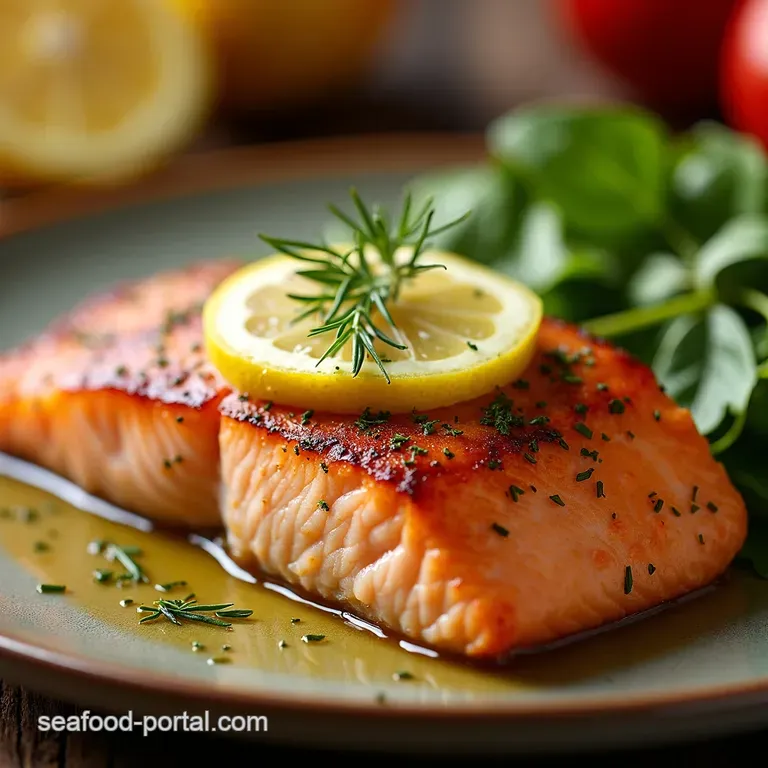
To execute this dish perfectly, we need high heat-tolerant fats, robust seasoning, and, most importantly, impeccable fish. For a standard serving of two, you will need those two beautiful 6-ounce salmon portions, about 1 tablespoon of high smoke-point oil, 2 tablespoons of unsalted butter, a teaspoon of fresh lemon juice, and a tablespoon of chopped dill for the finishing sauce.
The Star: Choosing high-quality Salmon Fillets
When seeking out your fish, look for skin-on fillets they hold together better under high heat and, naturally, provide the desired crisp texture. If possible, choose centre cut pieces, as they are generally thicker and more uniform in shape, allowing for even cooking.
Ensure the skin has been scaled, and always check for pin bones; removing these beforehand makes for a much more pleasant eating experience later on.
Aromatic Boosters: Herbs, Zest, and Seasoning Ratios
Simplicity is key here. Coarse sea salt and freshly ground black pepper are the only mandatory seasonings before searing, applied generously to the skin side. The "sauce" flavour comes from the addition of fresh dill and lemon.
Remember, these are added after the main sear, protecting them from burning while infusing the final butter baste.
Essential Cooking Fats and Their Smoke Points
The fat you use for the initial sear must be able to withstand medium high heat without breaking down and smoking excessively. While butter adds incredible flavour, its low smoke point makes it unsuitable for the initial sear.
We rely on a light olive oil or, ideally, grapeseed or avocado oil, which possess higher smoke points, to facilitate the initial crisping process. The butter is reserved strictly for the low-heat basting stage at the end.
Related Recipes Worth Trying
- The Foolproof 15Minute Flake Perfectly Baked LemonDill Salmon — Learn how long to bake salmon for the perfect flaky texture every time This easy baked salmon recipe at 400 degrees is a healthy salmon dinner classic
- The Grand Salmon Celebration Cake A Savoury Fish Birthday Cake — Forget sponge Learn how to make a spectacular savoury Fish Birthday Cakea layered salmon terrine so elegant it works for adults or kids Easy assembly tips...
- Easy Homemade Fish Cakes Super Crispy Cod Salmon Recipe — Master how to make crispy fish cakes that taste like the seaside This easy homemade fish cakes recipe uses cod or salmon for moist centres and Panko for crunch
The Definitive Method for Flawless Pan Seared Salmon
Mastering the Pan Seared Salmon Cook Time means understanding that most of the cooking happens on the skin side. We aim to cook about 75% of the fish from the bottom up before introducing the flesh side to the heat for a brief finish.
This ensures the flesh cooks gently through convection from the bottom, while the skin achieves peak crispness.
From Sizzle to Serve: The Finishing Touches
The cooking phase requires concentration, as the window between perfectly cooked and overdone is narrow. Attention to detail during these few minutes makes all the difference in creating a truly Perfect Pan Seared Salmon .
Preparation: Drying the Skin is Non-Negotiable
This is the first and most crucial step. Lay your seasoned fillets skin side up on a plate lined with several layers of paper towels. Place another layer of towels on top and press down firmly. Repeat this process until the skin feels utterly dry to the touch.
Any surface water will immediately turn to steam upon contact with the pan, inhibiting the crisping process entirely.
Heat Management: Finding That Perfect Medium High Sizzle
Heat your heavy bottomed skillet (stainless steel or cast iron performs best here) over medium high heat. Add your high smoke-point oil and wait until you see the slightest shimmer across the surface this indicates it’s ready. Drop the salmon carefully, skin side down, away from you.
Immediately use tongs or a sturdy spatula to gently press down on the top of each fillet for about 10 seconds. This initial press ensures full contact across the entire skin surface, preventing curling.
The Critical Flip: Timing the Cook for Juiciness
Leave the fish undisturbed. Resist the urge to peek or nudge it! As it cooks, you will see the colour of the fish changing, with the cooked opaque flesh creeping up the sides this is your visual indicator.
When you see that pale colour has risen about two-thirds to three quarters of the way up the side of the fillet, it is time for the critical flip. This typically takes between four to six minutes, depending on fillet thickness. Flip gently onto the flesh side.
Basting Magic: Infusing Flavor During the Final Minutes
Once flipped, immediately reduce the heat slightly to medium. Add the 2 tablespoons of butter to the pan. As it melts and foams, tilt the pan slightly so the butter pools. Using a spoon, continuously ladle this aromatic, foaming butter over the top of the salmon flesh for about one to two minutes.
This basting helps finish the cook gently while infusing the flesh with rich flavour. Just before removing the pan from the heat, stir in your teaspoon of lemon juice and chopped dill into the residual butter.
Remove the fish immediately and spoon this resulting Pan Seared Salmon with Sauce over the top.
Troubleshooting and Advanced Techniques for Pan-Seared Perfection
Even with clear instructions, sticking can sometimes happen, or perhaps the heat fluctuates unexpectedly. Knowing how to adjust mid-cook is vital. If your Pan Seared Salmon seems glued to the pan after four minutes of searing, it simply means the skin hasn't fully released its collagen yet.
Give it another 30 seconds without touching it; the fish will naturally release itself from the pan when the crust is fully formed and crisp. Never force it. If you are nervous about internal temperature, aim for an internal reading of 135° F ( 57° C) before resting, as carryover cooking will bring it up to a safe, flaky 145° F ( 63° C).
Making This Recipe Your Own
While this classic approach is stellar, feel free to personalize the flavour profile. The high heat sear is the constant; the finishing baste is where you can experiment.
Preventing Sticking: The Ultimate Non-Stick Shield
Beyond ensuring a dry skin and hot pan, using a stainless steel or cast iron skillet is key, as they retain heat better than non-stick pans, creating a stronger barrier between the skin and the metal.
If you are new to searing, a high-quality non-stick pan will provide a safety net, though often sacrificing the absolute highest level of deep browning achievable with stainless steel.
Storing Leftovers and Reheating for Texture Retention
If you have any remnants, store the Pan Seared Salmon in an airtight container in the refrigerator for up to two days. The skin will soften. The best way to reheat is in a dry, preheated oven at 300° F ( 150° C) for about 5– 7 minutes.
If you must use the microwave, place a paper towel over the fish to absorb ambient moisture.
Pairing Suggestions: Sides That Complement the Crisp
This rich yet light fish demands sides that offer balance. For the ultimate comfort food pairing, creamy mashed potatoes are ideal for soaking up the leftover lemon butter. For a lighter approach, consider tender crisp green beans or blanched asparagus tossed simply with olive oil and sea salt.
A crisp, lightly dressed salad also provides a refreshing counterpoint to the richness of the salmon.
Frequently Asked Questions
How do I make sure the skin on my Pan Seared Salmon is properly crispy?
The secret lies in aggressively drying the skin with paper towels before seasoning moisture is the enemy of crispness! You also need a properly hot pan with oil that is just shimmering before the fish goes skin side down. Remember to press gently for the first 10 seconds to ensure full contact!
My salmon keeps sticking to the pan! What am I doing wrong?
This is usually due to the pan not being hot enough, or trying to move the fish too soon. Ensure your stainless steel or cast iron skillet is nicely heated before adding the oil and fish. If it sticks, don't fret; just let it cook for another 30 seconds; the skin will naturally release once a good sear is established.
How do I know when my Pan Seared Salmon is cooked through without overdoing it?
Look for the colour change creeping up the side of the fillet it should be about three quarters cooked before you flip it. For beginners, an instant read thermometer is a jolly good investment; aim for an internal temperature of 135°F (about 57°C) before resting for medium rare to medium perfection.
Can I use frozen salmon fillets instead of fresh ones for pan-searing?
You certainly can, but you must thaw them completely first, and the drying step becomes even more critical! Thaw the salmon slowly in the fridge overnight for the best texture. If you skip the thorough drying, the excess moisture will steam the skin, resulting in a rather soggy bottom, which is a crying shame!
What can I serve with this to make it feel like a proper Sunday roast, but faster?
To elevate this quick meal, go for something comforting underneath. Creamy mashed potatoes are brilliant for soaking up that lemon dill butter, or alternatively, some tenderstem broccoli sautéed quickly with garlic. It’s all about balancing the rich fish with bright, simple sides.
How long will leftovers of this perfectly seared fish keep in the fridge?
Ideally, you want to eat it fresh, as that crispy skin won't last long once chilled! However, leftovers can be stored in an airtight container in the fridge for up to two days. To reheat, the best way is briefly in a low-heat oven or air fryer to try and salvage some texture, rather than using the microwave.
Crispy Pan Seared Salmon