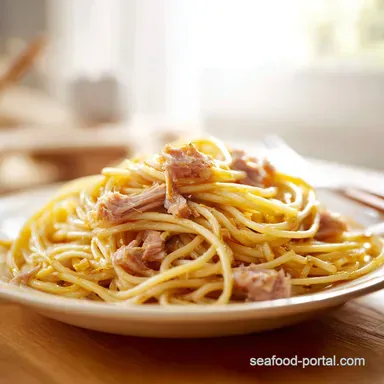
Canned Tuna Meal: Mediterranean Pasta
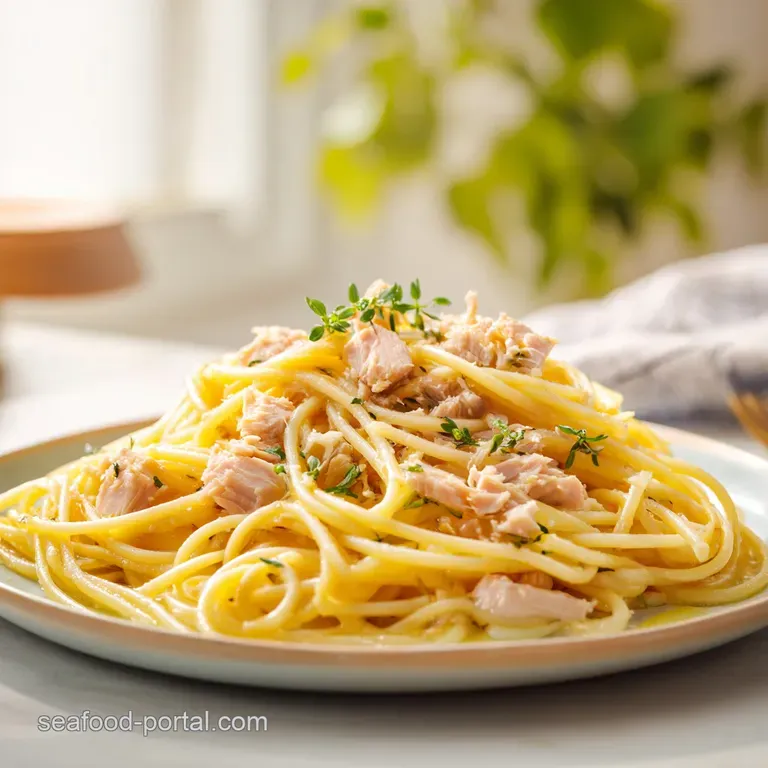
- Time: 5 min active + 10 min cooking = Total 15 mins
- Flavor/Texture Hook: Zesty, salty, and glossy
- Perfect for: Weeknight dinner or a high protein lunch
- The Secret to a Canned Tuna Meal
- Why This Pasta Works
- Component Analysis
- The Essential Pantry List
- Getting Your Gear Ready
- Steps to the Finish
- Fixing Your Common Issues
- Making it Work For You
- Truths About Pantry Fish
- Keeping Leftovers Fresh
- Best Sides for Tuna
- Critical Sodium Level
- Recipe FAQs
- 📝 Recipe Card
That sharp sizzle of garlic hitting hot olive oil is the sound of a Tuesday night win. I remember the first time I tried a proper Pasta al Tonno while visiting a tiny kitchen in Sicily.
The cook didn't have much, just a few tins of tuna and some lemons, but the result was a bright, punchy dish that put every fancy seafood platter I'd ever had to shame. It taught me that you don't need fresh fillets to make something that feels expensive.
For a long time, I thought tuna was only for mayo heavy salads or heavy bakes. But once you embrace the contrast of salty capers against fresh lemon zest, everything changes. This is a dish about balance, where the rich oil from the tin meets the acidity of citrus to create something that feels light yet satisfying.
You're about to make a Canned Tuna Meal that actually tastes intentional. We aren't just dumping things in a bowl; we're building layers of flavor. From the pale golden garlic to the silky finish of the parmesan, this is how you make pantry cooking feel like a treat.
The Secret to a Canned Tuna Meal
To get this right, you have to focus on the contrast. We're playing with the heavy, savory notes of the tuna and the sharp, bright hit of the lemon and capers. It's that push and pull that keeps the dish from feeling one dimensional.
Flavor Map:
- Rich/Savory: Tuna in olive oil and Parmesan
- Salty/Briny: Capers and pasta water
- Bright/Acidic: Lemon juice and zest
- Fresh/Herbal: Flat leaf parsley
Right then, let's look at the "how" behind the magic. If you're in the mood for something heartier and more traditional, a Tuna Casserole recipe is a great alternative, but this version is all about speed and brightness.
Why This Pasta Works
- Pasta Water Glue: The starchy water binds the oil and lemon juice, creating a velvety sauce instead of a greasy puddle.
- Oil Layering: Using both extra virgin olive oil and the tuna's own oil adds a deeper, fish forward richness to the aromatics.
- Acid Balance: Lemon juice cuts through the fat of the tuna, preventing the dish from feeling too heavy on the palate.
- Controlled Heat: Sautéing garlic until pale gold ensures a nutty sweetness without the bitter burnt taste.
| Method | Time | Texture | Best For |
|---|---|---|---|
| Fast Pasta (This) | 15 mins | Glossy & Light | Weeknights |
| Classic Bake | 45 mins | Creamy & Soft | Comfort Food |
| Cold Salad | 10 mins | Chunky & Crisp | Meal Prep |
Component Analysis
The ingredients in a Canned Tuna Meal might seem simple, but they each do a specific job to keep the flavors from clashing.
| Ingredient | Science Role | Pro Secret |
|---|---|---|
| Tuna Oil | Flavor Carrier | Don't toss it; it holds the most concentrated tuna essence |
| Capers | Salt Burst | Pat them dry before adding to get a slight sear |
| Pasta Water | Emulsifier | The starch acts as a bridge between fat and water |
| Lemon Zest | Aroma | Add at the very end to keep the citrus oils volatile |
The Essential Pantry List
Gather these ingredients before you turn on the stove. For this Canned Tuna Meal, quality matters, especially with the olive oil.
- 8 oz spaghetti or linguine Why this? Long noodles carry the glossy sauce best (Substitute: Fettuccine)
- 4 quarts water
- 1 tbsp salt
- 1 can (5 oz) tuna in olive oil, drained Why this? Oil packed tuna has a better texture than brine (Substitute: Tuna in sunflower oil)
- 2 tbsp extra virgin olive oil (Substitute: Avocado oil)
- 3 cloves garlic, thinly sliced (Substitute: 1 tsp garlic powder, though fresh is better)
- 2 tbsp capers, drained (Substitute: Chopped green olives)
- 1/2 tsp red pepper flakes (Substitute: A pinch of cayenne)
- 1 tbsp fresh lemon juice (Substitute: White wine vinegar)
- 1/4 cup fresh parsley, chopped (Substitute: Fresh basil)
- 1/4 cup parmesan cheese, freshly grated (Substitute: Pecorino Romano for more salt)
- 1 tsp lemon zest
Getting Your Gear Ready
You don't need a professional kitchen for this, just a few basics. I use a wide skillet because it gives the pasta more room to toss, which helps that sauce emulsify better.
- Large pot for the pasta
- Wide non stick or stainless steel skillet
- Fine mesh strainer
- Microplane or zester for the lemon
- Tongs for tossing
Steps to the Finish
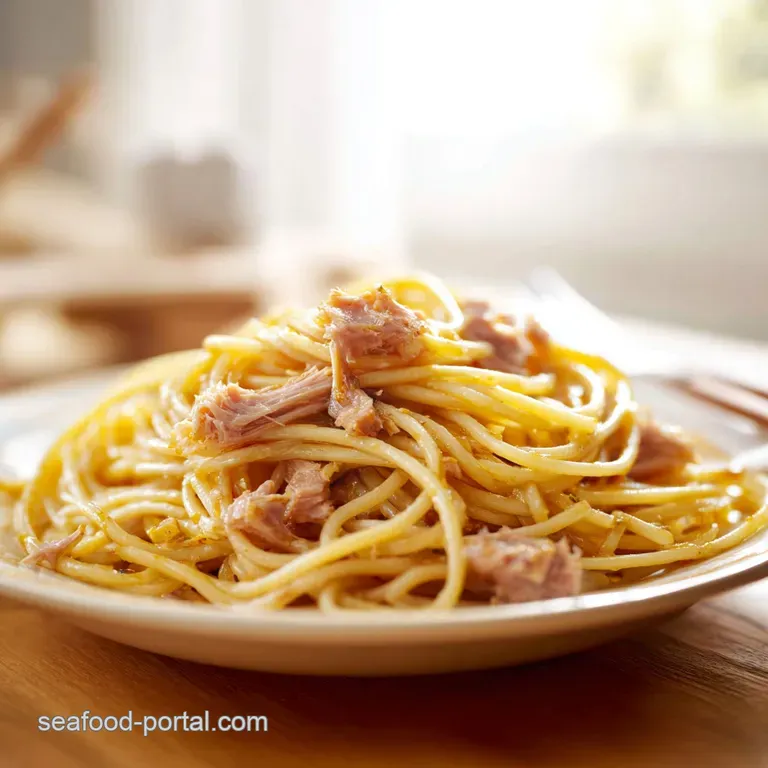
Let's crack on. Follow these steps closely, especially the timing on the garlic.
- Bring 4 quarts of water to a rolling boil, add salt, and cook pasta for 1 minute less than package instructions. Note: This ensures the pasta finishes cooking in the sauce.
- Reserve 1/2 cup of pasta water before draining the noodles.
- Heat 2 tbsp olive oil and 1 tbsp reserved tuna oil in a skillet over medium heat.
- Sauté sliced garlic and red pepper flakes until fragrant and pale golden.
- Stir in capers for 60 seconds to let them warm through and release their brine.
- Add drained tuna to the skillet, breaking it into large flakes. Note: Avoid mashing it into a paste.
- Pour in lemon juice and 1/4 cup of the reserved pasta water.
- Toss in the cooked pasta and stir vigorously over medium heat for 1-2 mins until the sauce becomes a glossy emulsion coating the noodles.
- Remove from heat and fold in chopped parsley, lemon zest, and grated parmesan cheese.
Fixing Your Common Issues
Even a simple Canned Tuna Meal can go sideways if the heat is too high or the timing is off. Most problems come down to the sauce consistency.
The Sauce is Too Dry
If the pasta looks matte instead of glossy, you likely didn't use enough pasta water. The starch is what creates that velvety coating. Add another splash of reserved water and toss over heat for 30 seconds.
The Flavor Feels "Flat"
This usually means the acidity is too low. Tuna is a heavy protein, and without enough lemon, it can taste "fishy" rather than "fresh." Add a squeeze more lemon juice or a pinch more salt.
The Garlic Burned
If the garlic turns dark brown, it becomes bitter. You can't "un burn" it. If it happens, it's best to wipe the pan and start the sauté over.
| Problem | Root Cause | Solution |
|---|---|---|
| Clumpy Sauce | Not enough stirring | Toss vigorously over medium heat |
| Mushy Pasta | Overcooked in pot | Pull pasta 1 min early |
| Oil Separation | Heat too high | Lower heat and add more pasta water |
Common Mistakes Checklist:
- ✓ Using pre grated cheese (the cellulose prevents it from melting smoothly)
- ✓ Draining all the tuna oil (save a tablespoon for the pan!)
- ✓ Adding lemon zest while the pan is on high heat (it burns and loses flavor)
- ✓ Forgetting to salt the pasta water (the noodles will taste bland)
- ✓ Overcooking the tuna (it only needs to be warmed through)
Making it Work For You
Depending on who you're feeding, you might want to tweak this. For a different vibe, my Tuna Melt Sandwich is the ultimate comfort food, but for this pasta, try these swaps.
Scaling the Recipe: - For one person: Use 4 oz pasta. Reduce the garlic to 2 cloves and the oil by half. Since you're using a smaller volume, the pasta will cook faster in the pan, so be extra careful not to overcook it.
- For a family (4x): Use a very large skillet or two separate pans. Increase salt and pepper to 1.5x rather than 4x to avoid over salting. Work in batches when tossing the pasta to ensure every strand is coated.
Decision Shortcut:
- If you want it creamier, add a tablespoon of butter at the end.
- If you want more heat, double the red pepper flakes.
- If you want it heartier, stir in a handful of baby spinach in step 8.
Dietary Adjustments:
- Low Carb/Keto: Swap the pasta for zucchini noodles or shirataki noodles. Skip the pasta water and use a splash of veg broth.
- gluten-free: Use a high-quality brown rice or chickpea pasta. Note that chickpea pasta releases more starch, so you may need less reserved water.
- Plant Based: Replace tuna with mashed chickpeas and use nutritional yeast instead of parmesan.
Truths About Pantry Fish
There are a few things people get wrong about making a Canned Tuna Meal. Let's clear them up.
Myth: Tuna oil is waste. Truth: The oil in the tin is infused with the flavor of the fish. Using a bit of it in the sauté provides a depth of flavor you can't get with plain olive oil.
Myth: Canned tuna is only for cold dishes. Truth: When heated gently with aromatics like garlic and lemon, canned tuna takes on a savory, almost steak like quality that's perfect for hot pasta.
Keeping Leftovers Fresh
Since this is a Canned Tuna Meal, you have to be mindful of the seafood.
Storage Guidelines: - Fridge: Store in an airtight container for up to 2 days. - Freezer: I don't recommend freezing this dish. The emulsion will break, and the pasta will become mushy.
Zero Waste Tips:
- Tuna Can: Clean the tin and use it to start a small herb garden on your windowsill.
- Lemon Scraps: Toss the leftover lemon peel into your compost or freeze it in a bag to infuse into sugar for cakes.
- Parsley Stems: Don't toss the stems! Chop them finely and add them to the sauté in step 4 for extra flavor.
Best Sides for Tuna
Because this pasta is so zesty and rich, you want sides that provide a crisp contrast. A simple arugula salad with a light balsamic glaze works beautifully to cut through the parmesan. If you want something warm, roasted asparagus or charred broccolini provides that earthy balance to the briny capers.
Trust me on this: a glass of chilled Pinot Grigio or a sparkling water with a lime wedge is the only way to finish this meal. It keeps the palate refreshed between those salty, velvety bites of pasta.
This Canned Tuna Meal proves that you don't need a huge budget or hours of time to eat something that feels genuinely special. Right then, get your water boiling and let's eat!
Critical Sodium Level
1420 mg 1420 mg of sodium per serving (62% 62% of daily value)
The American Heart Association recommends a daily sodium limit of no more than 2,300 mg, and ideally 1,500 mg for most adults to reduce the risk of cardiovascular disease.
Personalized Sodium Reduction Tips
-
Reduce Pasta Water Salt-25%
Reduce or omit the 1 tbsp of salt used for boiling the pasta; most of this salt is poured down the drain but contributes to overall intake.
-
Rinse the Capers-25%
Rinse the capers thoroughly under cold water before adding them to the recipe to wash away excess brine.
-
Switch to Low-Sodium Tuna-20%
Substitute the standard tuna with low-sodium canned tuna or rinse the drained tuna to further lower salt content.
-
Moderate the Parmesan-15%
Reduce the parmesan cheese to 1-2 tbsp or use a salt-free hard cheese alternative.
-
Enhance with Aromatics
Increase the lemon zest, fresh parsley, and garlic to provide a punch of flavor that compensates for less salt.
Recipe FAQs
What can I do with canned tuna for dinner?
Toss it with pasta, lemon, and capers. If you prefer a sandwich, you can make a creamy tuna melt for a faster meal.
Can you eat canned tuna with high cholesterol?
Yes, in moderation. Tuna in olive oil provides heart-healthy fats, though you should monitor the sodium content in the parmesan and capers.
Which tuna is better for diabetics?
Tuna in olive oil or water. These options avoid added sugars and provide lean protein and healthy fats that help maintain stable blood glucose levels.
Is canned tuna good for IBS?
Generally yes, but watch the aromatics. While tuna is typically well-tolerated, the sliced garlic and red pepper flakes in this specific recipe may trigger sensitivity.
How to prevent the garlic from burning?
Maintain medium heat in the skillet. Sauté the slices only until they are fragrant and pale golden before immediately stirring in the capers.
Is it true that I should overcook the pasta before adding it to the pan?
No, this is a common misconception. Cook the noodles for one minute less than the package instructions so they finish cooking while absorbing the sauce.
Why is my sauce not glossy?
You likely need more pasta water. Stir the noodles vigorously over medium heat with the reserved pasta water to create a stable emulsion that coats the pasta.
Canned Tuna Meal in 15 Minutes