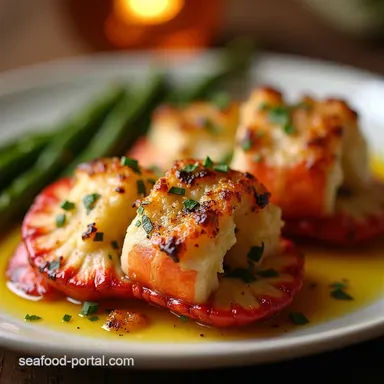
The Perfect Posh Night in Simply Sublime Baked Lobster Tails with Garlicherb Butter
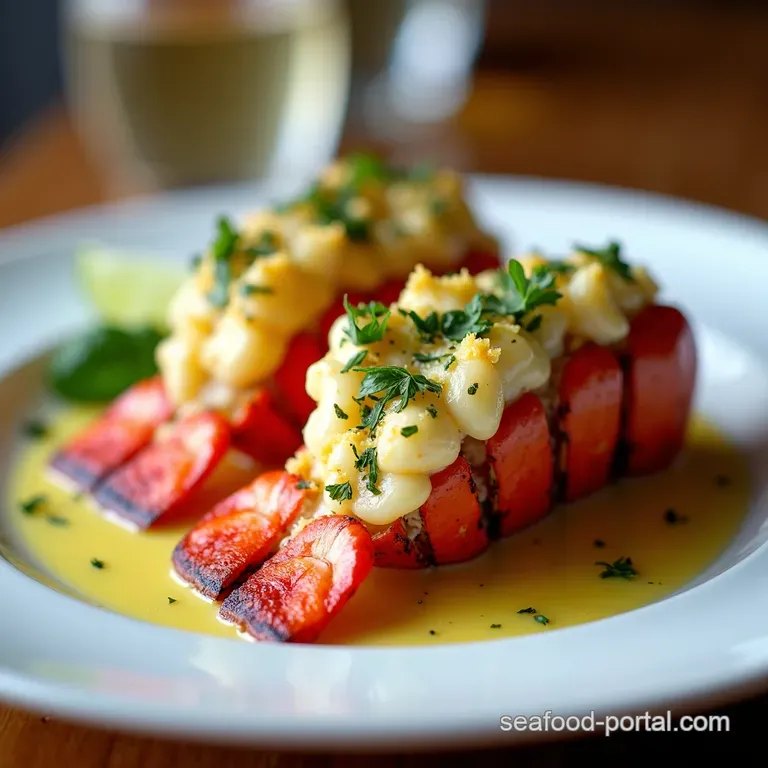
- Elevating Dinner: Why Baking is the Superior Way to Prepare Lobster Tails
- Unlocking Juicy Flavor: The Magic of Compound Butter Infusion
- Curating Your Culinary Arsenal for Baked Lobster Tails
- The Definitive Method for Perfectly Cooked Baked Lobster Tails
- Beyond the Basic Bake: Creative Variations and Serving Suggestions
- Troubleshooting and Storing Leftover Decadence
- Frequently Asked Questions
- 📝 Recipe Card
Elevating Dinner: Why Baking is the Superior Way to Prepare Lobster Tails
When the craving for luxury strikes, few things fit the bill quite like perfectly prepared lobster. While traditional boiling or steaming methods have their place, there’s a compelling argument to be made for the oven. Baking lobster tails allows for precise flavour infusion that steaming simply cannot match.
This method ensures that the delicate meat is consistently cooked through while being deeply saturated with aromatic fats, resulting in truly Juicy Baked Lobster Tails .
We are aiming for maximum succulence with minimum hands-on time, transforming a potentially intimidating ingredient into an accessible weeknight delight or a spectacular weekend centerpiece.
Unlocking Juicy Flavor: The Magic of Compound Butter Infusion
The secret sauce to extraordinary seafood the element that separates an acceptable dish from a phenomenal one lies entirely in the fat we use for basting. This recipe centers around creating a vibrant compound butter, which acts as a protective, flavour delivery system as the lobster cooks.
Introducing the Easiest Showstopper Seafood Dish
Despite the inherent elegance associated with lobster, the Simple Baked Lobster Tails recipe we are exploring requires only about fifteen minutes of active preparation. This approach bypasses the inherent risks of overcooking associated with water based methods.
By surrounding the meat with flavour from the moment it hits the heat, we guarantee a memorable experience. Our goal is to master Baked Lobster Tails so thoroughly that you never feel the need to call a seafood restaurant just for this specific craving again.
Achieving Restaurant Quality Results at Home
Many home cooks shy away from shellfish, believing true culinary mastery requires specialized tools or techniques. However, learning How to Bake Lobster Tails successfully relies on two key steps: proper preparation of the shell (often called butterflying) and the quality of the flavouring agent.
When the rich, herby butter melts during the bake, it bathes the exposed flesh, ensuring every morsel is tender and seasoned perfectly.
Our Secret Weapon: The Garlic Herb Butter Blend
This is where the true alchemy happens. We combine softened, high-quality unsalted butter with the foundational aromatics that define great seafood. Specifically, we integrate finely minced fresh garlic, bright parsley, and the zest and juice of a fresh lemon.
This Garlic Butter Lobster Tails approach means the butter melts not just into the shell, but directly into the meat itself, creating an irresistible, self basting sauce as the Lobster Tails in Oven cook.
For those who prefer a little depth, we’ve included a touch of dry white wine or water in our plan to help thin the butter slightly, allowing it to spread more evenly.
Curating Your Culinary Arsenal for Baked Lobster Tails
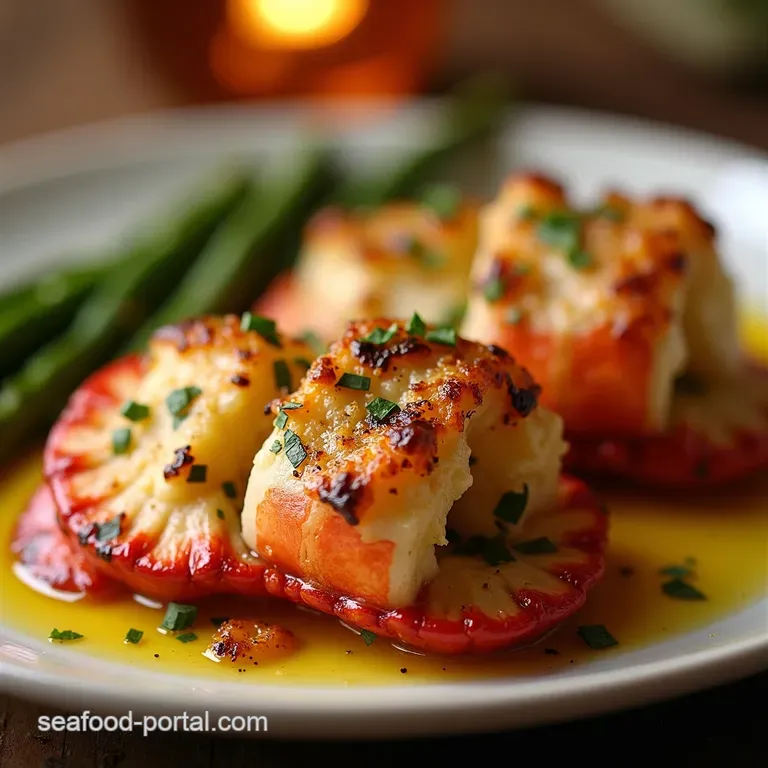
Preparation is the bedrock of any successful bake. Gathering your tools and ingredients beforehand streamlines the cooking process, ensuring that nothing cools down or dries out waiting for the next step.
Sourcing Premium Lobster Tails
For this recipe, we will be focusing on two 6 to 8-ounce tails, which yields a satisfying portion for two individuals. Whether you opt for fresh or previously frozen tails, quality is paramount.
The flavour profile of our Baked Lobster Tails with Garlic Butter is simple enough that any off-notes in the seafood will be immediately apparent, so seek out tails that look plump and have a clean, ocean fresh aroma.
Precise Measurements for the Herbaceous Butter Topping
To achieve that signature, vibrant flavour, you will require four tablespoons of softened unsalted butter. Into this creamy base goes two minced cloves of fresh garlic, two tablespoons of finely chopped fresh parsley, one tablespoon of freshly squeezed lemon juice, and a half teaspoon of zesty lemon peel.
Finally, season this mixture with a half teaspoon of kosher salt and a quarter teaspoon of freshly ground black pepper. Mix these components thoroughly in a small bowl until you have a uniform Garlic Herb Butter Lobster paste.
Selecting Fresh vs. Frozen Shellfish
If you are utilizing previously frozen tails a perfectly acceptable route, particularly for preparing Baked Lobster Tails from Frozen —ensure they are thawed completely and safely overnight in the refrigerator.
Never rush the thawing process at room temperature, as this compromises texture and safety. Fully thawed tails will absorb the butter infusion far more effectively than partially frozen ones.
Essential Equipment for Seamless Preparation
While this is a Simple Baked Lobster Tails preparation, a few key tools are non-negotiable. You absolutely need a sharp pair of kitchen shears to safely butterfly the shell without damaging the delicate meat inside.
Beyond that, a standard baking sheet lined with parchment paper (or aluminum foil for easier cleanup) and a small bowl for mixing the butter are all that stand between you and dinner perfection.
Related Recipes Worth Trying
- The Foolproof 15Minute Flake Perfectly Baked LemonDill Salmon — Learn how long to bake salmon for the perfect flaky texture every time This easy baked salmon recipe at 400 degrees is a healthy salmon dinner classic
- Foolproof Baked Brie with Fig Jam and Pecans Recipe — This oven baked Brie with fig jam and pecans is your new favourite holiday appetizer Ready in under 30 minutes its gooey crunchy perfection
- Velvet Wheel Honey Walnut Baked Brie with Thyme Salt — Our foolproof Baked Brie with Honey Walnuts recipe skips the pastry for pure molten cheese bliss Its the ultimate warm brie appetizer ready in under 30 minutes
The Definitive Method for Perfectly Cooked Baked Lobster Tails
Once your butter is mixed and your tails are thawed, the physical preparation can begin. This stage is crucial for ensuring even cooking and maximum butter penetration.
Executing the Essential Shell Split and Butter Application
Position your tail, shell side down, on a cutting board. Using the kitchen shears, carefully cut straight down the centre ridge of the top shell, cutting only through the very top layer of the shell, stopping short of the tail fan.
Gently pry the shell open just enough so you can slide your fingers underneath the meat, lifting it carefully out of the shell cavity. Then, rest the meat back on top of the shell this technique, often called 'piggybacking,' exposes the most tender part of the meat directly to the oven’s heat and the melting butter.
Brush the exposed meat generously with your prepared compound butter, ensuring it’s fully coated.
Setting the Optimal Oven Temperature for Succulence
To achieve that ideal balance between a cooked shell and tender meat, preheat your oven precisely to 400° F ( 200° C). A moderately high, consistent heat ensures the butter sizzles and bastes the meat quickly without drying it out.
Line a baking sheet with parchment paper to catch drips, and place the prepared tails meat side up on the sheet.
Calculating Cook Time Based on Tail Size
Timing is everything when cooking shellfish. For the standard 6 to 8-ounce tails prepared in this manner, the expected cook time within the 400° F environment is typically between 10 and 15 minutes.
The goal is for the meat to turn opaque white and become firm to the touch. If you happen to be working with significantly larger tails, you might extend this slightly, but always monitor closely.
The Crucial Resting Period Post Baking
As soon as the lobster meat reaches that beautiful opaque state, remove the pan from the oven immediately. Lobster will continue to cook briefly from residual heat, so allow the tails to rest on the pan for about three minutes before plating.
This brief pause ensures the muscle fibers relax, maximizing the retained moisture and resulting in incredibly Juicy Baked Lobster Tails .
Beyond the Basic Bake: Creative Variations and Serving Suggestions
While the classic Garlic Herb Butter Lobster preparation is timeless, the simple base allows for endless creative twists to suit your palate or the occasion.
Spice It Up: Alternative Seasoning Ideas
If you enjoy a little warmth, consider adding a quarter teaspoon of smoked paprika or a pinch of cayenne pepper directly into your compound butter mix; the sweetness of the lobster pairs wonderfully with a subtle background heat.
Alternatively, for a completely different flavour profile, you could swap the lemon for lime juice and add a teaspoon of finely grated fresh ginger to the butter before baking.
Pairing Perfection: Recommended Side Dishes
The richness of the butter demands sides that offer a contrast in texture or acidity. Asparagus, quickly blanched and tossed with a drizzle of olive oil, is a classic partner. For starches, a light, fluffy risotto or a simple lemon infused wild rice pilaf provides the perfect bed to soak up any luscious, melted butter runoff from the shells.
Don't forget a crisp, cold, unoaked Chardonnay to elevate the entire seaside experience.
Troubleshooting and Storing Leftover Decadence
Even the simplest recipes occasionally present minor hitches, and knowing how to handle leftovers ensures your luxurious meal lasts.
How Long Can You Safely Store Cooked Lobster?
Leftover baked lobster tails should be cooled promptly after resting and stored in an airtight container in the refrigerator. They are best consumed within two to three days. While they can be frozen, the texture may change slightly upon reheating.
When ready to enjoy leftovers, gently reheat them in a covered baking dish with a small pat of fresh butter added to prevent drying.
Pairing Perfection: Recommended Side Dishes
The richness of the butter demands sides that offer a contrast in texture or acidity. Asparagus, quickly blanched and tossed with a drizzle of olive oil, is a classic partner. For starches, a light, fluffy risotto or a simple lemon infused wild rice pilaf provides the perfect bed to soak up any luscious, melted butter runoff from the shells.
Don't forget a crisp, cold, unoaked Chardonnay to elevate the entire seaside experience.
Frequently Asked Questions
How do I know when my Baked Lobster Tails are perfectly cooked and not rubbery?
The secret is to watch the colour and texture closely; the meat should turn opaque white all the way through and feel firm when gently pressed with a fork. For true precision, aim for an internal temperature of 140°F (60°C).
Remember, lobster cooks fast, so pull them out just before you think they are done carry-over heat is your friend here!
Can I bake frozen lobster tails, or do they need to be fully thawed first?
While you can bake them from frozen, the results are rarely brilliant, often leading to dry edges and uneven cooking. For the best flavour and texture in your Baked Lobster Tails, always thaw them fully overnight in the fridge first. This ensures the compound butter can properly penetrate the meat and cook evenly.
What’s the trick to getting the butter flavour to really shine through the shell?
The key is ensuring your butter is properly softened not melted so it adheres nicely to the meat. Also, make sure you’ve used the "piggyback" technique of lifting the meat up and over the shell. This exposes the thickest part directly to the herb butter, basting it beautifully as it bakes.
I’m worried about drying out the meat; can I add extra moisture while baking?
Absolutely, that’s a smashing preventative measure! If you notice the butter starting to sizzle away before the meat is done, gently brush the tops with a tablespoon of dry white wine or even just water halfway through the cooking time.
This creates a little steam bath effect and keeps everything wonderfully succulent.
How should I store any leftover cooked lobster, and can I freeze it?
Leftover cooked lobster is best eaten the next day; store it tightly wrapped in the fridge for up to two days. While you can technically freeze cooked lobster, the texture often becomes slightly tougher upon reheating.
If you must freeze it, place it in an airtight container and try to consume it within a month for the best quality.
What's a good, simple side dish to serve with these posh lobster tails?
Keep the sides simple so the lobster remains the star of the show you don't want anything too heavy! Thinly roasted asparagus drizzled with olive oil or a classic bowl of creamy mashed potatoes make a superb pairing. The potatoes are brilliant for soaking up all that glorious garlic herb butter left on the plate.
Simple Baked Lobster Tails with GarlicHerb Butter Juicy Tender