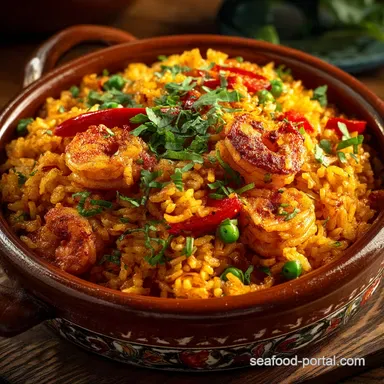
Proper Spanish Rice Fluffy Flavourful Fussfree
- Why Most 'Mexican Rice' Recipes Miss the Mark
- The Secret to Fuss-Free, Vibrant Spanish Rice
- Essential Elements for Authentically Flavourful Spanish Rice
- Mastering the Spice Profile
- Step-by-Step Guide to Perfecting This Spanish Rice
- Troubleshooting: What to Avoid for Gluey Results
- Make-Ahead Strategy and Safe Storage of Leftovers
- Recipe FAQs
- 📝 Recipe Card
Why Most 'Mexican Rice' Recipes Miss the Mark
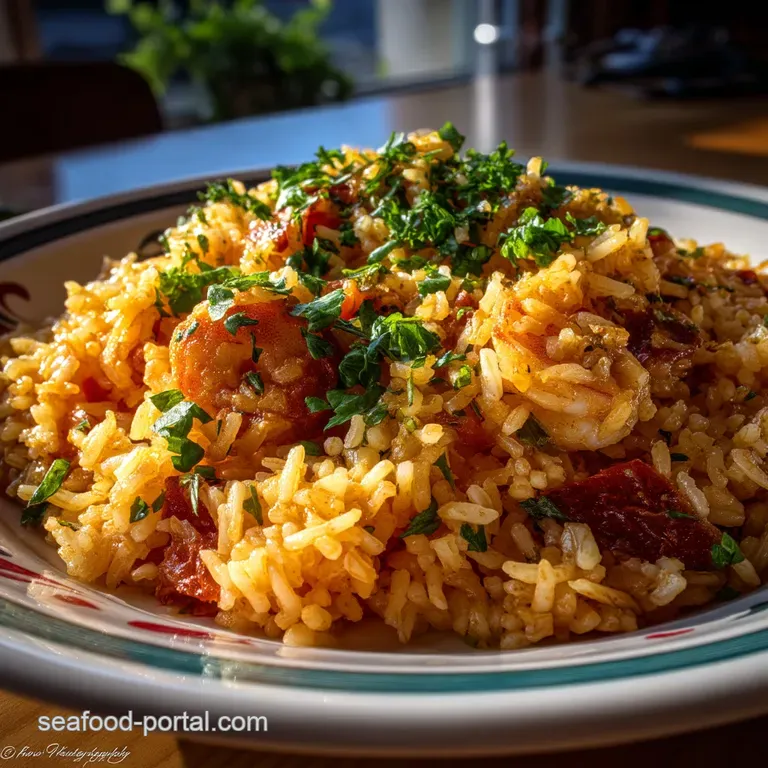
Too often, the side of rice served at American style Tex-Mex restaurants is a disappointing, gluey clump. Achieving that iconic, perfectly separate grain texture found in truly great Spanish Rice requires moving past simply boiling rice in flavoured water.
The crucial difference lies in the foundational preparation stages, specifically the process of sealing the starches before the liquid is introduced. This method, which results in the vibrant hue and deep flavour characteristic of authentic Red Spanish Rice , ensures that every grain is distinct and fluffy, rather than turning into a starchy, bland monolith.
This detailed guide eliminates guesswork and delivers the Best Spanish Rice you’ve ever tasted, guaranteeing professional results right in your home kitchen.
The Secret to Fuss Free, Vibrant Spanish Rice
The secret to this reliable Spanish Rice Recipe easy method involves two non-negotiable steps: aggressive rinsing and thorough toasting. These two actions, which happen before the rice ever meets the cooking liquid, are what separate a good side dish from a truly exceptional one.
By removing the surface starch and then frying the remaining starches in oil, we lock in the structure of the grain, allowing it to swell evenly without breaking down and sticking together during the simmer.
Achieving Truly Separate Grains: The Key Technique
To guarantee perfect fluffiness, start by using a long grain white rice, such as Basmati or Jasmine. Place two cups of the rice in a fine mesh sieve and run cold water over it until the liquid running through is perfectly clear. Once thoroughly drained, the rice is ready for the second stage: the toasting.
We will add the rinsed rice to the hot, aromatized oil and stir constantly for three to five minutes until the grains begin to turn translucent around the edges and develop a subtle, frosted appearance. This simple step, known as tostada de arroz , is the foundational technique that ensures success.
Defining the Dish: Is It Spanish or Mexican Rice?
While this dish is universally adored throughout North America, its name can be confusing. The term "Spanish Rice" is widely used in the United States, but this specific preparation a side dish cooked in a tomato infused broth with cumin and garlic is native to Mexico and commonly referred to as Arroz Mexicano or Arroz Rojo (Red Rice) there.
True Spanish rice, like Paella, involves saffron and different cooking methods. Regardless of the name you use, the technique outlined here delivers the quintessential fluffy, tomato stained Red Spanish Rice experience.
Essential Elements for Authentically Flavourful Spanish Rice
The backbone of this recipe relies on a few key, high-quality ingredients. We start with three tablespoons of quality olive oil, which serves as the medium for blooming the spices and toasting the rice.
The aromatic base is built on half a medium yellow onion, finely diced and patiently sautéed until translucent, followed by three cloves of minced garlic, cooked just until fragrant.
This layering of flavour ensures the rice base is deep and savoury, complementing the robust tomato and spice profile that follows.
Related Recipes Worth Trying
- Authentic Mexican Rice Fluffy Arroz Rojo with Blended Tomato Base — Forget sticky takeout rice Our foolproof guide reveals the authentic Mexican Rice recipe secrets for fluffy vibrant Arroz Rojo using a fresh tomato blend...
- The Great Wall of Flavour Speedy Egg Fried Rice Recipe — Ditch the soggy takeout Learn how to make authentic fluffy homemade egg fried rice with that essential smoky wok hei flavour in under 25 minutes
- The Ultimate Better Than Takeout Shrimp Fried Rice Recipe — Stop ordering in This easy Shrimp Fried Rice recipe gives you perfectly separated smoky grains and plump shrimp in under 30 minutes Get the secret to...
Mastering the Spice Profile
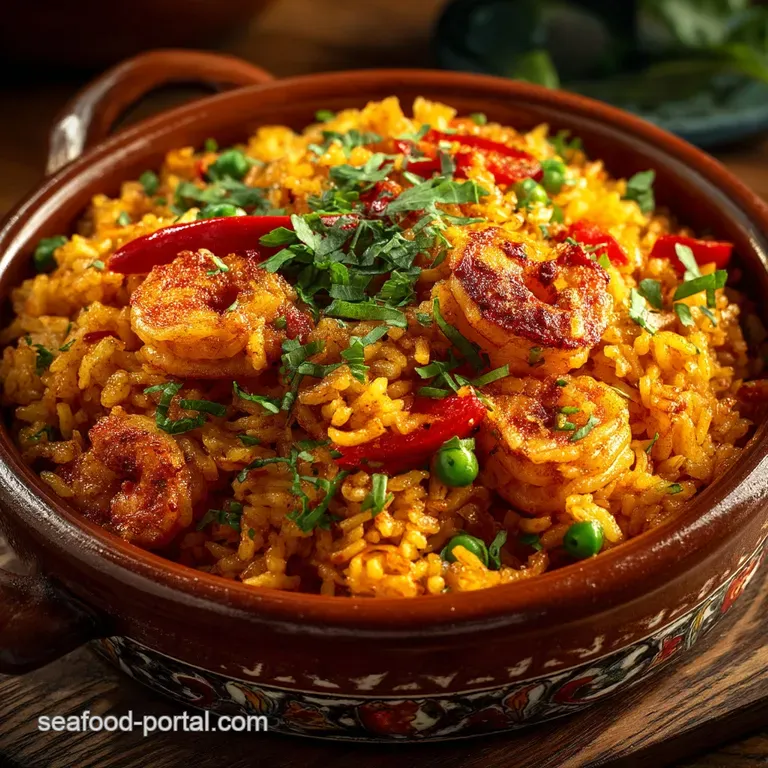
The signature warmth of the Best Spanish Rice comes from a balanced and thoughtful application of dried seasonings. Our specific blend, which we can call the perfect Spanish rice seasoning , includes one teaspoon of smoked paprika, half a teaspoon of earthy cumin, and half a teaspoon of dried oregano (Mexican oregano is preferred for an authentic touch).
Crucially, these spices are added to the pot after the rice has been toasted but before the liquid is added, allowing them to bloom in the hot oil for one minute.
This process activates their fat-soluble flavour compounds, deepening their aroma and ensuring they are fully integrated into the tomato base.
Beyond the Grains: Selecting the Right Broth and Tomato Base
To achieve the beautiful red colour and intense flavour, we use two tablespoons of concentrated tomato purée or paste stirred into the toasted rice and spices. We then introduce the cooking liquid: four cups of hot chicken or vegetable stock.
It is vital that the stock is hot when added, as cold liquid would dramatically lower the temperature of the pot and disrupt the texture of the toasted rice. The 2:1 liquid-to-rice ratio, combined with a precise seasoning of salt and pepper, is non-negotiable for a fluffy result.
Ingredient Swaps and Expert Alternatives
If tomato paste isn't available, you can substitute four ounces of tomato sauce (passata), adjusting the stock slightly if the consistency seems too watery. For those looking for a plant based option, swapping chicken stock for vegetable stock maintains the deep umami notes.
If you are preparing a large batch of Spanish Rice For A Crowd , using a quality bouillon cube dissolved in hot water is a practical and effective alternative to boxed stock.
For those who enjoy preparing dishes with less active time, note that a tested Spanish rice instant pot variation can achieve a similar result by using the pressure cooking function, though the stovetop method remains supreme for subtle textural control.
Necessary Tools for Maximum Fluffiness
Success hinges on even heat distribution and steam retention. The most critical piece of equipment is a heavy bottomed pot or a Dutch oven with a tightly fitting lid. The heavy base prevents scorching during the toasting phase and maintains a low, consistent simmering temperature.
A fine mesh sieve is also required for the all-important rinsing step, ensuring that the excess starch is removed before cooking begins. While the traditional method requires the stovetop, adapting this Spanish rice in rice cooker is possible by using the sauté function for the toasting and then switching to the standard cooking cycle with the prescribed liquid ratio.
Step-by-step Guide to Perfecting This Spanish Rice
Our journey begins with preparation: the rice is rinsed, the onions diced, and the stock heated. First, the onions and garlic are softened in oil. Next, the drained rice is added and toasted until lightly golden, followed by the tomato purée and spices, which bloom for sixty seconds.
Then, the four cups of piping hot stock are poured in, and the entire mixture is brought rapidly to a rolling boil. As soon as the boil is reached, the heat is reduced to the lowest possible setting, and the pot is covered tightly.
The rice must simmer, undisturbed, for precisely 20 minutes, followed by a mandatory 10-minute rest off the heat.
Troubleshooting: What to Avoid for Gluey Results
The difference between a perfect, fluffy dish and a gluey, mushy one is usually a simple breach of cooking protocol. The two greatest enemies of fluffy rice are starch contamination and steam loss. Never stir the rice once the lid is on, and resist the temptation to check on it during the cooking period.
The Crucial Toasting Phase (Tostada de Arroz)
Skipping or rushing the toasting phase (Step 3 in the recipe outline) is the most common error in a failed Spanish Rice Recipe . If the grains are not properly sealed in the hot oil which should take 3 to 5 minutes until they achieve that lightly "frosted" look the outer starch layer will dissolve prematurely during the simmer, turning your liquid starchy and creating a sticky mess.
Invest the time here to ensure your texture is secured.
Simmering and Locking in the Moisture
Once the hot stock is added and the mixture is boiling, reduce the heat immediately to the absolute lowest setting. The goal is to maintain a gentle, even heat that allows the liquid to be absorbed through steam, not aggressive boiling.
The pot must remain tightly covered for the full 20 minutes of cooking. Lifting the lid releases the trapped steam, which is essential for cooking the top layer of rice, resulting in undercooked or unevenly cooked grains.
The Absolute Requirement of the Final Steam Rest
The cooking process is incomplete once the heat is turned off. After 20 minutes of simmering, remove the pot from the burner and let it sit, still covered, for 10 full minutes.
This rest allows the grains to finish absorbing the residual moisture and steam, firming up their structure and preventing them from becoming fragile or mushy when you finally fluff them.
Make-ahead Strategy and Safe Storage of Leftovers
This recipe is excellent for meal prepping or preparing Spanish Rice For A Crowd , as many components can be prepared in advance, and the cooked dish stores beautifully.
Can I Prepare the Base Ahead of Time?
Yes. You can complete the sauté and spice blooming phases (Stage 1 and 2, minus the rice). Sauté the onions, garlic, tomato paste, and Spanish rice seasoning fully, and then store this cooked flavour base in an airtight container in the refrigerator for up to three days.
When ready to cook, reheat the base, add the properly rinsed and drained rice for toasting, and proceed with adding the hot stock.
Refrigerating and Freezing Cooked Spanish Rice
Cool the rice quickly after cooking (within two hours) and store it in sealed containers in the refrigerator for up to four days. Cooked Red Spanish Rice also freezes exceptionally well. Portion the cooled rice into freezer safe bags, pressing out the air, and freeze for up to three months.
To reheat, thaw overnight in the fridge and add a tablespoon or two of water or broth before microwaving or heating gently on the stovetop until light and fluffy again.
Nutritional Overview and Dietary Notes
Based on six generous servings, this rice provides approximately 320 calories per portion, primarily from carbohydrates (60g). It is relatively low in fat (6g, primarily from healthy olive oil) and provides a small amount of protein (7g) depending on the stock used. This dish is naturally gluten-free.
For a fully vegan/vegetarian option, simply ensure the substitution of chicken stock with vegetable stock or water fortified with nutritional yeast.
Pairing This Fluffy Side Dish
This vibrant, fluffy side dish is remarkably versatile. It serves as the perfect textural contrast to slow cooked meats like tender Carnitas or barbacoa. For a comforting one-pot meal, consider making a hearty Spanish rice with ground beef by incorporating seasoned, cooked ground beef directly into the dish before the final resting stage.
It also pairs beautifully with simple grilled chicken or fish, alongside traditional accompaniments like warm tortillas, refried beans, and a garnish of fresh lime wedges and coriander.
Recipe FAQs
My rice always comes out sticky or gluey. How can I guarantee a fluffy Spanish Rice every single time?
Right then, the secret to a perfect, non-sticky result is twofold. First, rinsing the rice until the water runs completely clear is an absolute game changer, removing that excess starch that causes the dreaded gluey texture.
Secondly, don't skimp on the toasting stage (Step 3); coating the grains in oil and slightly browning them seals the outside, guaranteeing fluffy, separate grains every single time.
Is Spanish Rice the same thing as Mexican Rice, or are they different beasts entirely?
That's a bit of a linguistic pickle! While true Spanish rice (from Spain) often involves Saffron (like in Paella), the version most people in the UK and US know as 'Spanish Rice' is virtually identical to what is widely called 'Mexican Rice' or 'Arroz Rojo' (red rice).
The core difference is regional naming; this recipe delivers that rich, tomato red, cumin spiced flavour profile common to Tex-Mex and regional Mexican cooking, rather than the true European Spanish equivalent. But fret not, this is the cracking side dish you were looking for!
I followed the recipe exactly, but my rice is still crunchy in the middle. What went wrong?
Ah, the dreaded crunch this usually means the steam escaped, which is the critical element for finishing the cook. The two most likely culprits are lifting the lid during the 20-minute simmer, or not letting it rest for the full 10 minutes afterwards.
You must treat the lid like the crown jewels; don't peek! The resting time allows the last remaining moisture to absorb fully, letting the steam work its magic and ensure the centre of every grain is properly cooked and tender.
Can I make this ahead of time, and how long will Spanish Rice leftovers keep in the fridge?
Absolutely, it keeps brilliantly! Once cooled quickly and stored in an airtight container, the rice will last safely in the refrigerator for up to 3 to 4 days, making it a cracking weeknight lunch option.
When reheating, sprinkle a tablespoon of water over the rice before warming it in the microwave or on the hob to inject a bit of moisture and prevent it from drying out it’ll taste almost as good as fresh.
I fancy turning this into a main course. What's the best way to add meat or vegetables?
If you want a proper protein hit, you should add pre-cooked ingredients right before the resting stage (Step 8), rather than during the initial simmer. Good options include 1 cup of drained black beans, finely diced cooked chorizo, or leftover shredded chicken.
The key is to avoid messing with the liquid ratio, so ensure whatever you add is already cooked and doesn't introduce much extra liquid. Just stir it in gently, replace the lid, and let it rest for 10 minutes to heat through.
Fluffy Proper Spanish Rice Recipe