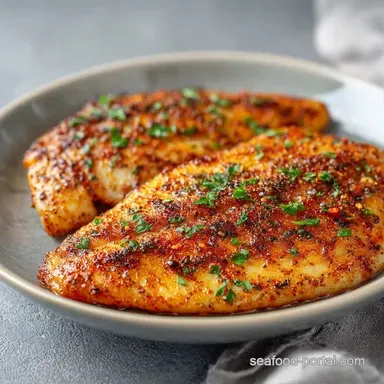
Seasoned Tilapia Fillets: Quick and Golden
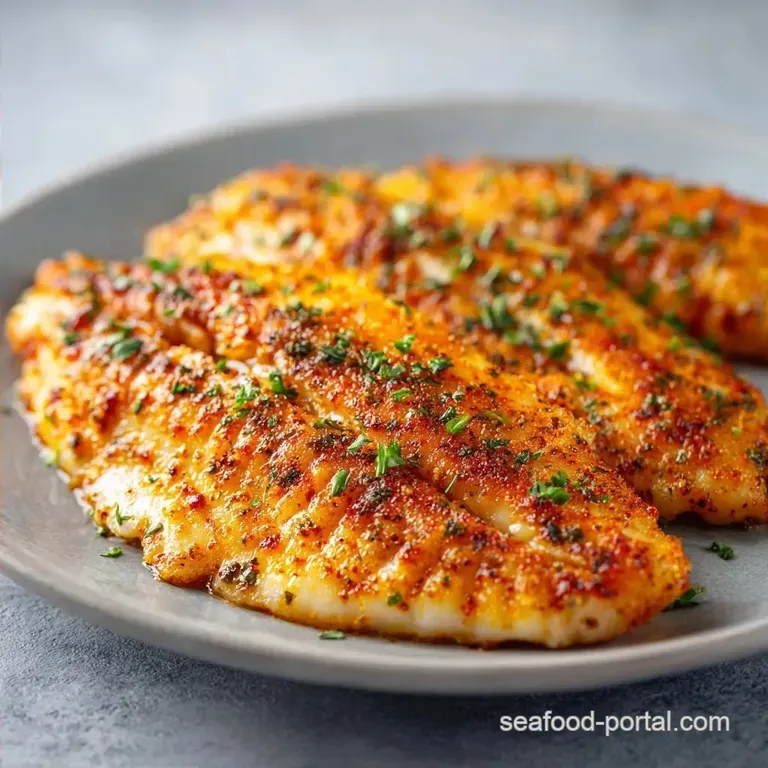
- Time: 5 min active + 10 min cook
- Flavor/Texture Hook: Smoky, crisp exterior with a flaky center
- Perfect for: 15 minute weeknight dinners
Ever wonder why restaurant fish has that distinct, golden brown crust while home cooked fillets often just look... gray? I used to think it was some fancy equipment, but it actually comes down to a few tiny habits in the pan.
I remember the first time I tried searing fish; I just threw them in the pan and they stuck like glue. I spent more time scrubbing the skillet than eating. Once I started treating the fish with a bit more precision, everything changed.
You're going to get a meal that smells like a steakhouse and tastes like a lot more effort than it actually takes. We're making Seasoned Tilapia Fillets that hit that sweet spot between smoky and bright.
Seasoned Tilapia Fillets
Right then, let's get into the meat of this. Tilapia is a blank canvas, which is why the seasoning blend is so heavy on the smoked paprika and garlic. It gives the fish a depth that masks the mildness without overpowering it.
I've found that using a cast iron skillet is the move here, though a good non stick works too. The goal is to get the surface of the fish to react with the oil quickly so it doesn't have time to stick.
Trust me on this, don't be afraid of the heat. You want the oil shimmering before the fish ever touches the metal. If the pan is too cool, the fish just steams in its own juices and you lose that crust.
The Dryness Trick
The biggest hurdle with Seasoned Tilapia Fillets is surface moisture. If the fillets are damp, they won't sear; they'll just boil in the pan.
Paper Towels: Patting the fish bone dry removes the water that creates steam, allowing the proteins to brown immediately. Oil Temp: Using a high smoke point oil ensures the fish slides across the pan rather than bonding to it.
According to Serious Eats, the ability to get a hard sear depends entirely on the absence of water on the food's surface. It's a simple physics problem.
| Method | Time | Texture | Best For |
|---|---|---|---|
| Stovetop | 10 min | Crisp crust, juicy center | Quick weeknights |
| Oven | 12-15 min | Evenly cooked, softer | Larger batches |
Fast Facts and Timing
When you're rushing through a Tuesday night, you need to know exactly when to move. These Seasoned Tilapia Fillets cook fast, so there's no room for distractions.
The prep takes 5 minutes, mostly just mixing spices and drying the fish. The actual cooking time is 10 minutes. Total time from fridge to plate is 15 minutes.
I usually set a timer for the first 3 minutes of the sear. If you leave them too long without flipping, you might overcook the thin edges before the center is done.
What Each Ingredient Does
I don't use a lot of fluff here. Every spice in this Seasoned Tilapia Fillets recipe serves a purpose to balance the lean protein.
| Ingredient | What It Does | Best Swap |
|---|---|---|
| Smoked Paprika | Adds wood fire aroma and color | Sweet paprika (less smoky) |
| Unsalted Butter | Creates a rich, glossy finish | Ghee (higher smoke point) |
| Cayenne Pepper | Gives a tiny back of-throat heat | Red pepper flakes (chunkier) |
| Lemon | Cuts through the butter fat | Lime (more tropical) |
If you're watching your sodium, you can swap the salt for a salt free seasoning blend, though the crust won't be as pronounced.
The Right Pan Setup
You don't need a professional kitchen, but the pan choice matters for Seasoned Tilapia Fillets. A cast iron skillet holds heat the best, meaning the temperature doesn't drop when the cold fish hits the oil.
If you only have a thin stainless steel pan, just give it an extra minute to heat up. You should see the oil shimmering, almost like it's dancing, before you drop the fillets in.
A fish spatula is a lifesaver here. It's thin and flexible, which means you can get under the crust without breaking the fillet.
The Searing Process
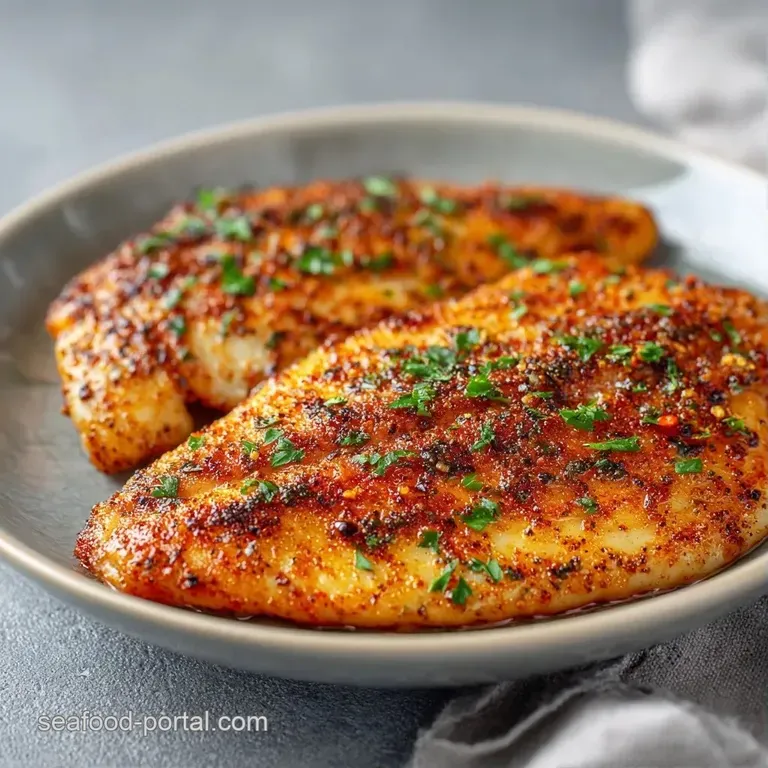
Let's crack on with the actual cooking. Make sure your Seasoned Tilapia Fillets are seasoned and the pan is hot.
- Pat the tilapia fillets dry on both sides. Note: This is the most important step for the crust.
- Mix smoked paprika, garlic powder, onion powder, cayenne, salt, and pepper in a bowl. Press this blend into both sides of the fillets.
- Heat olive oil in a large skillet over medium high heat until the oil shimmers and just starts to smoke.
- Place fillets in the pan and sear for 3 minutes until you see a golden brown edge lifting from the bottom.
- Carefully flip the fillets using a spatula.
- Add unsalted butter to the pan. Wait for the butter to foam and bubble.
- Tilt the pan and spoon the foaming butter over the fish for the final 2 minutes.
- Remove from heat and serve immediately with lemon wedges.
Chef Note: Don't crowd the pan. If the fillets are touching, they'll release moisture and steam each other, which kills the sear. Work in two batches if your pan is small.
Fixing Searing Issues
Even the best of us have a bad pan day. When Seasoned Tilapia Fillets go wrong, it's usually a temperature or moisture issue.
Sticking to Pan
If the fish won't budge, don't force it. Usually, the fish will "release" itself once the crust has formed. If it's still stuck after 3 minutes, your pan probably wasn't hot enough.
Tough Fillets
Rubbery fish happens when you overcook it. Since tilapia is lean, it goes from "done" to "cardboard" in about 60 seconds.
| Problem | Root Cause | Solution |
|---|---|---|
| Fish sticks | Pan too cold or fish too wet | Heat oil until shimmering; pat dry |
| Rubbery texture | Overcooked | Pull off heat when center is opaque |
| Bland taste | Under seasoned | Press spices firmly into the flesh |
If you find yourself struggling with pan searing, you might prefer my lemon peppered baked tilapia, which is a bit more forgiving with timing.
Flavor Tweaks and Swaps
You can easily pivot these Seasoned Tilapia Fillets to fit whatever you have in the pantry. If you want something more zesty, add a pinch of lemon pepper to the dry rub.
For a more "blackened" style, increase the paprika and add a pinch of dried thyme. Just be careful with the cayenne; a little goes a long way.
If you're craving something richer, you can finish the fish with a butter sauce tilapia approach by adding a splash of white wine to the butter baste.
Quick Decision Guide:
- If you want it spicier, double the cayenne.
- If you want it earthier, add 1/2 tsp of cumin.
- If you want it brighter, zest the lemon directly into the butter.
Saving and Reheating Fish
I'll be honest: Seasoned Tilapia Fillets are best eaten the second they leave the pan. However, leftovers happen. Store them in an airtight container in the fridge for up to 2 days.
Don't use the microwave to reheat them, or you'll end up with rubber. Instead, put them in a skillet over medium heat with a tiny knob of butter for 2 minutes per side.
You can freeze cooked fillets, but the texture changes. Wrap them tightly in foil and freeze for up to 2 months. Thaw in the fridge overnight before reheating in a pan.
To avoid waste, any leftover seasoning blend can be used as a rub for shrimp or chicken breasts. It's a versatile mix that works for almost any lean protein.
Serving and Pairing Tips
Since these Seasoned Tilapia Fillets have a smoky, rich profile, you need sides that bring some freshness. I love serving them with steamed asparagus or a crisp cucumber salad.
For a heartier meal, a scoop of jasmine rice or some quinoa works well to soak up that leftover lemon butter from the pan.
Squeeze the lemon wedge over the fish right before the first bite. That hit of acid cuts through the butter and wakes up the smoked paprika.
Right then, you're all set. These Seasoned Tilapia Fillets are a great way to get a high end feel on a budget. Just remember: dry fish, hot pan, and don't overthink it. Enjoy!
High in Sodium
980 mg 980 mg of sodium per serving (43% 43% of daily value)
The American Heart Association recommends a limit of 2,300 mg of sodium per day for most adults to maintain heart health.
Tips to Reduce Sodium
-
Reduce Added Salt-25%
The 1/2 tsp of salt is the primary sodium source. Omit or reduce this ingredient by half to significantly lower the sodium content.
-
Maximize Lemon Juice-10%
Increase the lemon wedges to a full squeeze of lemon over the fish. The acidity mimics the taste of salt and enhances the tilapia's natural flavor.
-
Swap for Fresh Aromatics-5%
Replace garlic and onion powders with freshly minced garlic and onion to provide a more intense, natural flavor without added processing.
-
Enhance the Spice Blend-5%
Slightly increase the smoked paprika and cayenne pepper to add more depth and heat, which reduces the perceived need for salt.
-
Add Fresh Herbs
Garnish the finished tilapia with fresh chopped parsley or cilantro to add a fresh, aromatic layer to the dish.
Recipe FAQs
What's the best thing to season tilapia with?
Smoked paprika, garlic powder, and onion powder. This combination adds a savory, smoky depth that enhances the fish's mild flavor without overpowering it.
Is tilapia good for triglycerides?
Yes, as it is a lean protein. Reducing saturated fat intake is a key part of managing triglyceride levels in the blood.
Can heart patients eat tilapia?
Yes, it is a heart healthy choice. Its low saturated fat content makes it an excellent protein source for those on cardiovascular diets.
Can you eat tilapia on a renal diet?
Consult your doctor first. Tilapia contains phosphorus and potassium, which may need to be strictly limited depending on your stage of renal disease.
How to cook tilapia fillets in an oven?
Preheat your oven to 400°F and bake for 10-12 minutes. Place the seasoned fillets on a parchment lined tray to ensure they don't stick.
How are tilapia fillets grilled?
Oil the grates and sear over medium high heat. Cook each side for 3-4 minutes until the fish is opaque and flakes easily with a fork.
What are the quickest recipes to cook tilapia?
Pan-searing is the fastest method. It takes only 15 minutes from prep to plate. For a different preparation, see how we bake fish for a tender roasted result.
Seasoned Tilapia Fillets