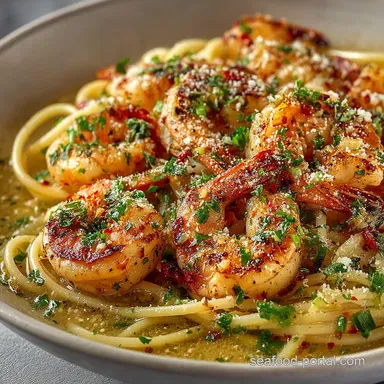
Classic Lemongarlic Italian Shrimp Scampi with Silky Linguine
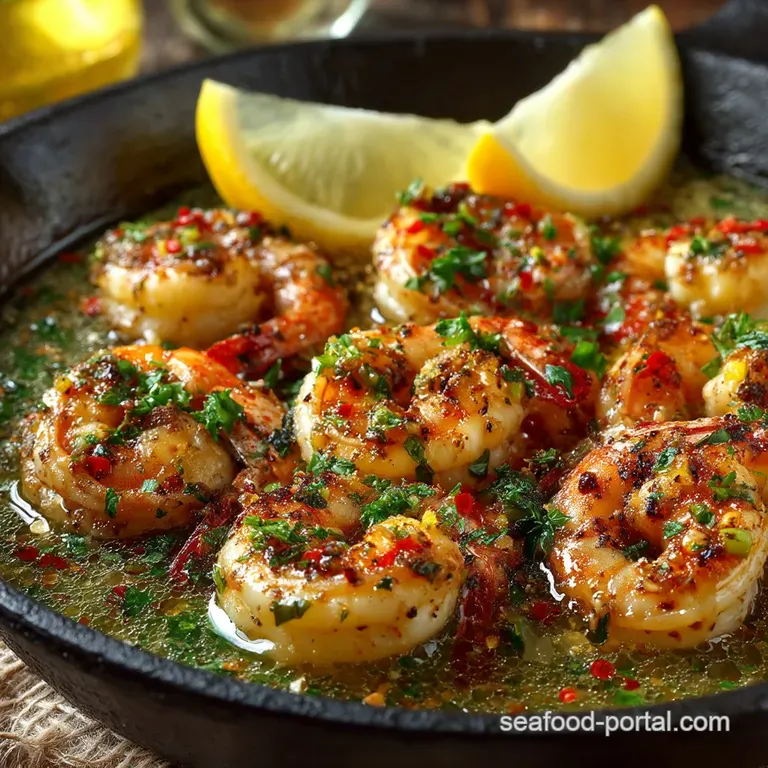
Mastering the Italian Shrimp Scampi: A Weeknight Restaurant Secret
There is perhaps no dish that so effortlessly embodies elegance and speed as the classic preparation known as Italian Shrimp Scampi. Far from a daunting challenge, this is a 30-minute masterpiece, a feat of culinary efficiency perfect for weeknights when you crave restaurant quality without the hour-long commitment.
When executed properly, utilizing the specific techniques of emulsification and precise timing, this Best Shrimp Scampi recipe offers a bright, highly aromatic, and velvety finish that transforms humble ingredients into a spectacular meal.
It’s a guaranteed crowd-pleaser that proves the secret to great Italian cooking isn't complexity, but clarity of flavour.
The Culinary History of Scampi: From Italian Roots to American Classic
To appreciate the modern iteration of this dish, we must trace its origins. The word "scampi" in Europe historically refers not to shrimp, but to Norway lobsters or langoustines (often called Dublin Bay Prawns).
In Italy, these small, delicate crustaceans were often prepared simply: sautéed in olive oil, garlic, and perhaps a splash of white wine. As Italian immigrants brought their traditions to America, particularly during the 20th century, langoustines were difficult or expensive to source.
They substituted readily available large shrimp, applying the same beloved preparation method. Thus, what we now universally recognize as Italian Shrimp Scampi Pasta is a brilliant Italian-American adaptation, retaining the core Italian simplicity while establishing itself as a comforting seafood staple.
Why Simplicity Wins: Deconstructing the Lemon-Garlic Trio
The enduring appeal of the Simple Shrimp Scampi lies in its masterful reliance on a few potent, high-quality ingredients. This dish is built upon a dynamic trio: the richness of fat (butter and olive oil), the sharp perfume of fresh garlic, and the necessary balance of acidity provided by fresh lemon and wine.
By meticulously layering these elements, first sautéing the aromatics in fat, then deglazing with wine, and finally lifting the flavours with lemon juice and zest, we create the complex Italian Shrimp Scampi Sauce .
This minimalist approach ensures that the sweet flavour of the shrimp remains the star, perfectly complemented rather than overwhelmed.
Essential Components for a Brilliant Scampi Sauce
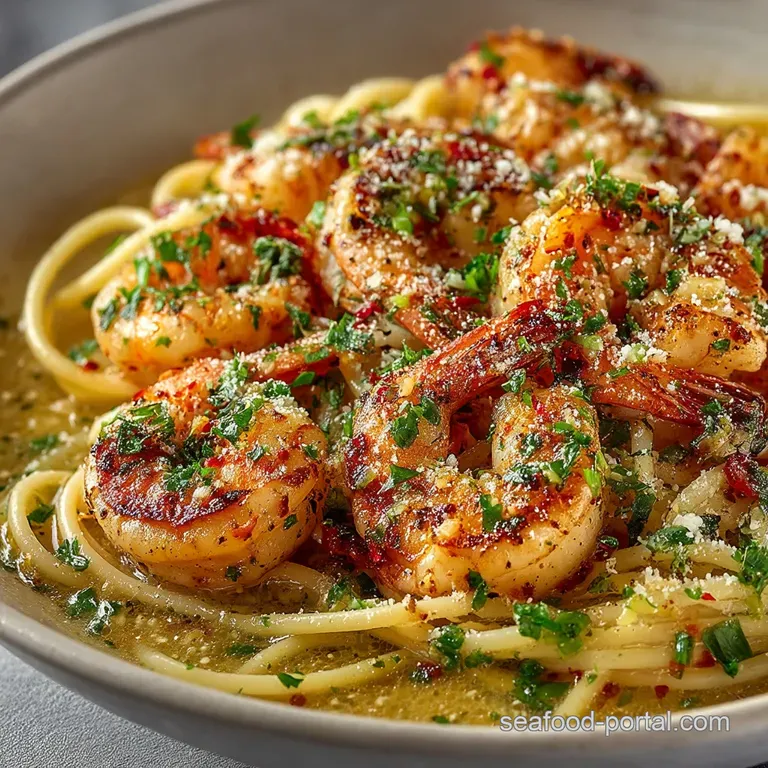
The foundation of any successful scampi recipe is the quality of its components, especially since the cooking time is so brief. We are aiming for sunshine in a skillet, and that requires premium sourcing.
Selecting the Perfect Prawns: Freshness and Size Matters
For truly satisfying texture, we recommend using large shrimp, specifically a 16-20 count (meaning 16 to 20 shrimp per pound). You will need approximately 1.5 lbs (680g) for four generous servings. While it may seem obvious, using fresh or properly flash-frozen, high-quality shrimp is non-negotiable.
Peel and devein the shrimp completely, deciding whether to leave the tails on for visual appeal or remove them for easier eating. Season them lightly with just a pinch of Kosher salt and pepper before they even hit the pan; this initial seasoning is critical to enhancing the natural sweetness of the seafood.
Building the Aromatic Base: Garlic, Shallots, and Quality Wine
The complex depth of flavour in the sauce relies entirely on the quality and handling of the aromatics. This recipe calls for a generous six cloves of finely minced garlic. The key here is to sauté the garlic until it is highly fragrant, about 60 to 90 seconds, but never browned, as burnt garlic will impart a bitter flavour.
The aromatic sauté begins by melting 4 tablespoons of butter with 2 tablespoons of extra virgin olive oil. To build the sauce, you must deglaze the pan with 1/2 cup (120ml) of a dry white wine, such as Pinot Grigio or Sauvignon Blanc.
The wine not only adds vital depth but also scrapes up the tasty fond (browned bits) left by the shrimp, ensuring maximum flavour in your Authentic Italian Shrimp Scampi .
Equipping Your Kitchen: Must-Have Tools for Pasta Perfection
While this recipe is simple, having the right equipment ensures flawless execution. A large stock pot is necessary for boiling the linguine, ensuring the pasta has enough room to move freely and cook evenly. Crucially, you must use a large skillet, a 12-inch minimum, for preparing the sauce.
This large surface area allows the wine to reduce rapidly and provides sufficient space to toss all the Italian Shrimp Scampi Pasta thoroughly without crowding, which is essential for proper emulsification.
Tongs are the ultimate tool for tossing the finished dish, and a microplane is indispensable for zesting the lemon before juicing.
Related Recipes Worth Trying
- Easy Shrimp Spring Rolls Recipe Fresh Summer Rolls with Zesty Peanut Sauce — Learn how to make foolproof vibrant Shrimp Spring Rolls in just 35 minutes These healthy Shrimp Rice Wraps are light packed with fresh herbs and served with...
- Quick Shrimp Pho TurboCharged Aromatic Broth Phở Tôm in 1 Hour — Get a deeply aromatic Vietnamese Shrimp Pho Broth without the daylong simmer Our shortcut uses charred aromatics and shrimp shells for a proper cracker of a...
- Our Best Ever Olive Garden Shrimp Scampi Recipe Copycat — Master the classic Olive Garden Shrimp Scampi recipe This copycat delivers tender shrimp in a rich buttery glossy lemongarlic sauce Perfect Italian Shrimp...
The 15-Minute Method: Cooking Scampi from Prep to Plate
The entire cooking process, from dropping the linguine to plating, takes roughly 15 minutes. Speed and proper timing are everything.
Prepping the Pasta: Achieving Al Dente Texture
Our chosen pasta, linguine (12 oz / 340g), provides the perfect flat surface for the glossy sauce to cling to. Bring a large pot of water to a rolling boil and season it aggressively with 2 tablespoons of sea salt. Cook the linguine until it is al dente —firm to the bite.
The most important step in this phase is to retrieve and reserve 1/2 cup (120ml) of the starchy cooking water just before draining the pasta. This starchy liquid is the chef’s secret for creating a beautifully glossy, cohesive sauce.
Sautéing the Seafood: Mastering the Quick Scampi Sear
The shrimp must be seared quickly over medium-high heat. Melt 2 tablespoons of the butter with the olive oil in the large skillet. Lay the seasoned shrimp in a single layer, working in batches if necessary to prevent crowding and steaming, and sear them for just 60 to 90 seconds per side.
They should turn pink and opaque but remain slightly undercooked in the centre. This is the critical moment: remove the shrimp immediately and set them aside. They will finish cooking perfectly when reintroduced to the hot sauce later, guaranteeing a tender, snappy result.
Finishing the Sauce: Emulsifying Butter and Lemon for Velvety Richness
With the heat reduced to medium, add the remaining 4 tablespoons of butter along with the minced garlic and red pepper flakes. Sauté this mixture, stirring constantly, for just over a minute until fragrant.
Deglaze the pan by pouring in the white wine and scraping up any browned bits; allow this to reduce by half (about 2 minutes). Now, introduce the reserved starchy pasta water. Bring the mixture to a simmer, then turn the heat down to low.
Whisk vigorously as you add the 2 tablespoons of fresh lemon juice and 1 teaspoon of lemon zest. The movement and the starch will create a beautiful, thick emulsion. Return the drained linguine and the partially cooked shrimp (along with any accumulated juices) to the pan, tossing gently until the pasta is coated and the shrimp are cooked through, which takes about one minute.
Stir in the 1/2 cup of fresh Italian parsley, season to taste, and serve the Italian Shrimp Scampi immediately.
Elevating Your Scampi Game: Chef’s Tips and Troubleshooting
Even simple recipes benefit from professional insights to ensure they move from good to truly phenomenal.
Creative Twists on Classic Italian Shrimp Scampi
While the classic lemon-garlic preparation is perfect, the structure of the Italian Shrimp Scampi Recipe allows for delightful customization. For a vibrant visual and flavour boost, try adding 1/2 cup of halved cherry tomatoes during the deglazing step; they burst slightly, adding a lovely tangy component.
If you prefer a more decadent sauce, stirring in 1/4 cup of heavy cream along with the reserved pasta water will yield a richer, velvety texture. Alternatively, introduce a Spicy Calabrian style by increasing the red pepper flakes to one full teaspoon and adding one tablespoon of finely chopped sun-dried tomatoes along with the garlic for a deeper, more robust Mediterranean flavour profile.
This adaptability makes it easy to adjust the Shrimp Scampi For Two or cater to a larger gathering.
Reheating and Storage Safety: Keeping Leftovers Fresh
Seafood dishes, especially those with such fresh ingredients, are always best enjoyed immediately. However, if you do have leftovers, refrigerate them promptly and consume within two days. To reheat, avoid the microwave, which tends to toughen the shrimp and dry out the pasta.
Instead, gently warm the scampi in a skillet over low heat, adding a splash of chicken broth or water to reactivate the Italian Shrimp Scampi Sauce and prevent the linguine from becoming dry.
Remember that reheating shrimp will cook it further, so tender texture may be compromised compared to the fresh preparation.
Calculating Nutrition: How Scampi Fits into Your Meal Plan
This recipe offers a high-protein, satisfying meal solution. Based on four servings, each plate of Italian Shrimp Scampi provides an estimated 580 to 620 calories. A significant portion of this is derived from the generous 45 grams of protein from the 1.5 lbs of seafood, making it excellent for hitting nutritional goals.
While the recipe uses a fair amount of butter (6 tablespoons total), the inclusion of 45 grams of carbohydrates from the linguine provides good energy, making it a balanced main course. Serving it alongside a crisp arugula salad with a light vinaigrette perfectly complements the richness of the butter and garlic sauce.
Recipe FAQs
Why isn't my scampi sauce thick and glossy? It looks a bit oily.
Ah, the trick, old bean, is the starchy pasta water! That crucial starchy liquid, along with whisking the final knob of butter into the sauce off the highest heat, creates an essential emulsion.
If your sauce looks greasy or 'broken,' it means the fat and liquid separated; try adding another small ladle of reserved pasta water and whisking like fury over low heat to bring it back together.
This looks quick, but can I make Italian Shrimp Scampi ahead of time?
Scampi is a dish that waits for no one, it needs to be eaten immediately when the shrimp is perfectly cooked and the garlic is fragrant! However, you can save bags of time by doing your mise en place (prep work) a day ahead: mince the garlic, chop the parsley, and peel and devein the shrimp.
Keep the peeled shrimp tightly covered in the fridge until you are ready to cook.
I haven't got any white wine kicking about. Is there a good substitute for the sauce?
Absolutely! While the wine adds lovely depth, an equal amount of good quality vegetable or chicken stock will do the job nicely. Since the wine provides vital acidity, just whisk in half a teaspoon of white wine vinegar or a smidge more lemon juice when building the sauce to ensure the flavour remains bright and balanced.
Every time I cook shrimp, they turn out like rubber. What’s the secret to keeping them tender?
Ah, the curse of the overcooked prawn! The secret is in the timing. Sear them quickly, 60 to 90 seconds per side, and crucially, remove them from the pan while they are still slightly undercooked.
They finish cooking beautifully and gently when returned to the warm, simmering sauce at the very end, guaranteeing that wonderful, snappy texture.
I’ve got a mountain of leftovers. How should I store and reheat this dish safely?
Leftovers should be stored in an airtight container in the fridge for a maximum of two days. Reheating is tricky because of the shrimp; avoid the microwave, as it tends to make the shrimp tough and the sauce thin.
Instead, warm it gently in a skillet over low heat, adding a splash of chicken broth or water to refresh the sauce and loosen the pasta.
Best 30Minute Italian Shrimp Scampi Recipe with LemonGarlic Sauce