Baked Salmon Recipe: Honey Garlic Glaze
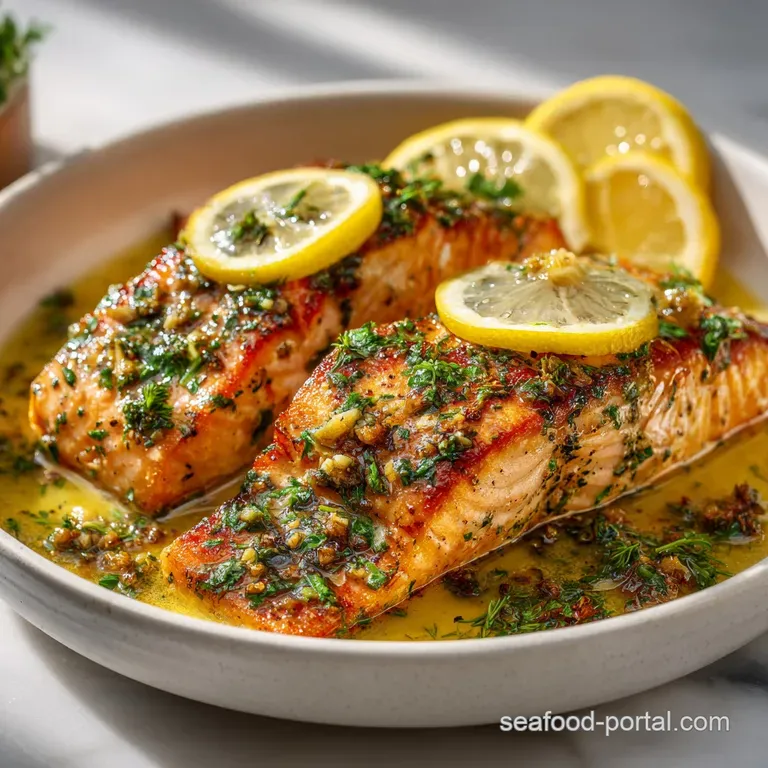
- Time: Active 10 minutes, Passive 12 minutes, Total 22 minutes
- Flavor/Texture Hook: Zesty, buttery glaze with a silky, fork tender crumb
- Perfect for: Weeknight dinners or impressive date nights
- The Secret to a Flaky Baked Salmon Recipe
- Why This Salmon Shatters All Oven Standards
- Precision Metrics for Your Next Seafood Dinner
- Essential Elements for a Zesty Garlic Glaze
- Minimalist Tools for Maximum Flavor Impact
- Step-by-Step Guide to Silky Oven-Roasted Fillets
- Troubleshooting Common Pitfalls and Flaky Failures
- Simple Adjustments for Any Crowd Size
- Debunking Common Kitchen Superstitions
- Storing and Reheating for Zero Waste Success
- Final Touches for a Restaurant Quality Plate
- Recipe FAQs
- 📝 Recipe Card
The Secret to a Flaky Baked Salmon Recipe
I still remember the first time I tried to host a "fancy" dinner for my in laws. I was so nervous I practically vibrating. I bought these gorgeous, expensive fillets and then, in a fit of over caution, baked them until they were basically orange colored driftwood.
We all sat there, politely gnawing on dry fish while the lemon slices looked on in pity. It was a total kitchen heartbreak, but it taught me everything I needed to know about what not to do.
The magic happens when you stop treating salmon like a piece of chicken and start treating it like the delicate, fat rich protein it actually is. When you pull that tray out of the oven, you shouldn't just see fish, you should smell the zesty lemon competing with the deep, nutty aroma of browned butter.
It’s that specific scent - the one that makes your neighbors wonder what’s happening in your kitchen - that tells you you’ve nailed it. We’re going for a texture that’s so buttery it practically melts the moment it hits your tongue.
Why This Salmon Shatters All Oven Standards
We've all had that bland, greyish fish from a cafeteria line, but this method is different because it respects the thermodynamics of seafood. Most people blast salmon at high heat for too long, which squeezes out the moisture and leaves you with a chalky mess.
This baked salmon recipe focuses on gentle heat followed by a quick burst of intensity to create a glaze that sticks to your ribs (and your heart).
- Thermal Buffering: The honey and butter create a protective, sugary "blanket" that slows down the evaporation of internal moisture.
- Albumin Control: By starting at 200°C (400°F), we set the exterior protein quickly, which helps prevent that white "goo" (albumin) from leaking out and making the fish look unappetizing.
- Lipid Infusion: The unsalted butter carries the garlic and lemon zest deep into the flakes as the heat opens up the muscle fibers.
- Osmotic Balance: The sea salt draws out just enough surface moisture to allow the glaze to adhere properly, rather than sliding off into the pan.
| Thickness | Internal Temp | Rest Time | Visual Cue |
|---|---|---|---|
| 2 cm | 52°C (125°F) | 3 minutes | Translucent center turns opaque |
| 3 cm | 54°C (130°F) | 5 minutes | Flakes separate easily with a fork |
| 4 cm | 55°C (132°F) | 5 minutes | Firm to touch but still gives slightly |
Precision Metrics for Your Next Seafood Dinner
To get this right every single time, you need to watch your numbers like a hawk. I used to eyeball everything, but once I started using a digital thermometer, my kitchen game changed forever.
For this recipe, we are looking for three specific precision checkpoints: 4 (6 oz) fillets for consistent cooking, a 200°C (400°F) oven for the right sear, and exactly 12 minutes of cook time for medium rare perfection.
| Ingredient | Science Role | Pro Secret |
|---|---|---|
| Salmon Fillets | High fat protein base | Room temp fish cooks 30% more evenly |
| Honey | Glucose based caramelization | Provides "stickiness" for the garlic bits |
| Garlic | Aromatic sulfur compounds | Mince finely to release maximum oils |
If you want a truly decadent experience, this fish pairs beautifully with a side of asparagus or even a light salad. If you're looking for a dipping option that adds a bit of tang, you might want to try The 5Minute Creamy recipe which complements the honey garlic notes without overpowering the natural flavor of the fish.
Essential Elements for a Zesty Garlic Glaze
Right then, let's talk about what's going into the pan. You don't need a pantry full of exotic items, but the quality of these few things makes a massive difference. I always use unsalted butter so I can control the salt levels myself, especially since sea salt flakes can vary so much in "saltiness" between brands.
- 4 (6 oz) salmon fillets, skin on: Why this? Skin acts as an insulator, protecting the delicate flesh from the hot pan.
- Substitute: Steelhead trout works well, though it’s slightly leaner.
- 3 tbsp unsalted butter, melted: Why this? Fat carries flavor and provides that velvety mouthfeel we're after.
- Substitute: Ghee (clarified butter) for a nuttier, more stable fat profile.
- 1 tbsp honey: Why this? Essential for the Maillard reaction and balancing the lemon's acidity.
- Substitute: Maple syrup, which adds a lovely woodsy depth.
- 3 cloves garlic, minced: Why this? Fresh garlic provides a sharp, pungent kick that mellows as it roasts.
- Substitute: 1 tsp garlic powder in a pinch, though it lacks the texture.
- 1 tbsp fresh lemon juice & 1 tsp zest: Why this? Acid cuts through the fatty fish and rich butter glaze.
- Substitute: Lime juice for a more tropical, bright profile.
- 1 tbsp fresh parsley, finely chopped: Why this? Adds a necessary grassy freshness to the finished plate.
- Substitute: Fresh dill, which is the classic partner for any salmon dish.
- 1 tbsp extra virgin olive oil: Why this? Helps the salt and pepper adhere to the skin before searing.
- Substitute: Avocado oil, which has a very neutral flavor.
- 0.5 tsp sea salt & 0.25 tsp cracked black pepper: Why this? Basic seasoning that enhances everything else in the glaze.
Minimalist Tools for Maximum Flavor Impact
You don't need a professional kitchen to make this work, but a couple of items are non negotiable. First, a heavy rimmed baking sheet or a cast iron skillet (like a Lodge) is your best friend here. These materials hold onto heat, ensuring the bottom of the fish gets just as much love as the top.
I also highly recommend using parchment paper. Not because I'm lazy about cleaning (though I am), but because honey based glazes can turn into a sticky, scorched mess on a bare pan.
If you don't have parchment, a silicone baking mat works too, but avoid foil if you can - the fish skin tends to fuse to it like superglue, which is a tragedy when you're trying to plate something beautiful.
step-by-step Guide to Silky oven-roasted Fillets
1. The Tempering Phase
Take your 4 salmon fillets out of the fridge 20 minutes before you plan to cook. Note: Cold fish in a hot oven causes the muscle fibers to seize up, resulting in a tough texture.
2. The Prep Work
Preheat your oven to 200°C (400°F). While that's heating, pat the fillets bone dry with paper towels. You want that skin to feel like parchment, not a wet sponge.
3. The Skin Seasoning
Rub the 1 tbsp olive oil over the skin side. Sprinkle with a pinch of the sea salt. Note: This oil barrier helps the skin crisp up rather than just steaming against the pan.
4. The Glaze Creation
In a small bowl, whisk together the 3 tbsp melted butter, 1 tbsp honey, 3 minced garlic cloves, 1 tbsp lemon juice, and 1 tsp lemon zest. Wait for the aroma of garlic and citrus to fill your workspace.
5. The Infusion
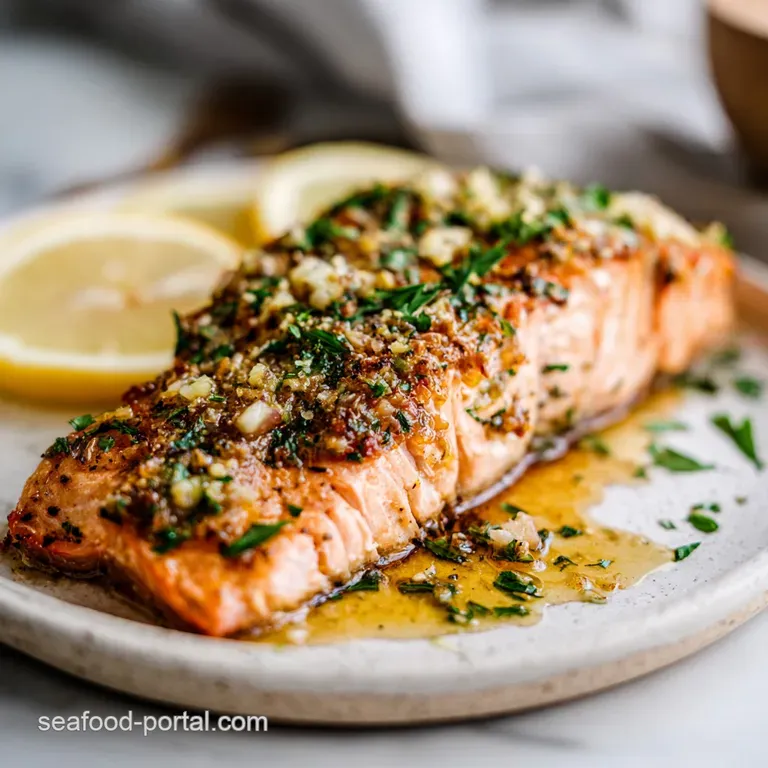
Place the fillets skin side down on your parchment lined tray. Brush the glaze generously over the tops and sides of the fish. Use it all - don't hold back.
6. The Precision Roast
Slide the tray into the center of the oven. Bake for 10 to 12 minutes until the edges are slightly opaque and the glaze is bubbling.
7. The Sizzle Finish
Optional but highly recommended: Turn the broiler on for the last 2 minutes. Watch it closely! You want the honey to shatter into a golden, caramelized crust.
8. The Essential Rest
Remove from the oven and let the fish sit on the tray for 5 minutes. Note: Carryover heat will finish the cooking process gently while the juices redistribute.
9. The Final Flourish
Sprinkle the 1 tbsp fresh parsley over the top and add an extra squeeze of lemon if you like it zingy.
Troubleshooting Common Pitfalls and Flaky Failures
The most common issue I hear about is the "white stuff" appearing on the salmon. That’s albumin, a protein that's perfectly safe to eat but looks a bit messy. It happens when the internal temperature rises too quickly, forcing the protein out of the muscle fibers.
If you see a lot of it, your oven might be running too hot, or you’ve left the fish in a minute or two too long.
Why Your Salmon Skin Is Soggy
If you pull the fish out and the skin is limp and rubbery, it's almost always due to moisture. If you don't pat the fish dry or if you crowd the pan too much, you create a steam room rather than a roasting environment. Give those fillets some space!
| Problem | Root Cause | Solution |
|---|---|---|
| Dry, chalky meat | Overcooking | Pull from oven at 52°C (125°F) |
| Burnt garlic glaze | Too much honey/high rack | Move tray to middle rack; avoid top shelf broiling |
| Fish sticks to pan | No oil or no parchment | Use parchment paper and oil the skin thoroughly |
Common Mistakes Checklist
- ✓ Skipping the "dry down" phase (wet skin never gets crispy).
- ✓ Using "bottled" lemon juice (the flavor is flat and metallic compared to fresh).
- ✓ Crowding the fillets (they need airflow to roast properly).
- ✓ Not checking the thickness (a 2 cm fillet cooks much faster than a 4 cm one).
- ✓ Forgetting to let it rest (you'll lose all the velvety moisture the moment you cut in).
Simple Adjustments for Any Crowd Size
If you're cooking for a larger group, say 8 people, don't just double everything and throw it in. When you scale up, the moisture release in the oven increases significantly. Work in batches or use two separate pans on different racks, rotating them halfway through.
For the seasonings, you can double the butter and garlic, but keep the salt to about 1.5x the original amount - you can always add more at the table, but you can't take it away.
If you're scaling down for a solo dinner, use a small toaster oven pan or a tiny cast iron skillet. Reduce the cooking time by about 20% because smaller pans tend to heat up faster. If you find yourself with extra fillets but no time to cook, you can look into the Frozen Salmon Savior recipe for tips on how to handle salmon that hasn't been properly thawed, which is a life saver on busy Tuesdays.
| Method | Time | Texture | Best For |
|---|---|---|---|
| Oven Baked | 12 minutes | Silky, uniform | Hands off meal prep |
| Stovetop Sear | 8 minutes | Crispy skin, rare center | Professional chef style |
| Air Fryer | 10 minutes | Maximum crunch | Quick lunch for one |
Debunking Common Kitchen Superstitions
One big myth is that you should always remove the skin before cooking. This is a mistake! The skin acts as a safety barrier between the heat and the meat. Even if you don't plan on eating it, leave it on during the bake to keep the fish juicy. It peels right off after it’s cooked anyway.
Another one is that "fresh is always better." Honestly, unless you live right on the coast, high-quality flash frozen salmon is often "fresher" than the "fresh" fish at the grocery store, which might have been sitting on ice for days.
Don't be afraid of the freezer aisle; just make sure to thaw it slowly in the fridge overnight.
Storing and Reheating for Zero Waste Success
Salmon is best eaten fresh, but if you have leftovers, they’ll stay good in the fridge for up to 3 days in an airtight container. To reheat, avoid the microwave at all costs! It turns salmon into rubber.
Instead, put it in a 150°C (300°F) oven with a splash of water and a lid (or foil) for about 10 minutes. This creates a little steam bath that revives the texture.
Don't toss those skins if you didn't eat them! You can fry them up in a pan until they're like sea salt crackers. Also, any leftover flaked fish is incredible the next morning folded into an omelet or tossed with some cold pasta and a bit of pesto. Zero waste means getting creative with the "scraps."
Final Touches for a Restaurant Quality Plate
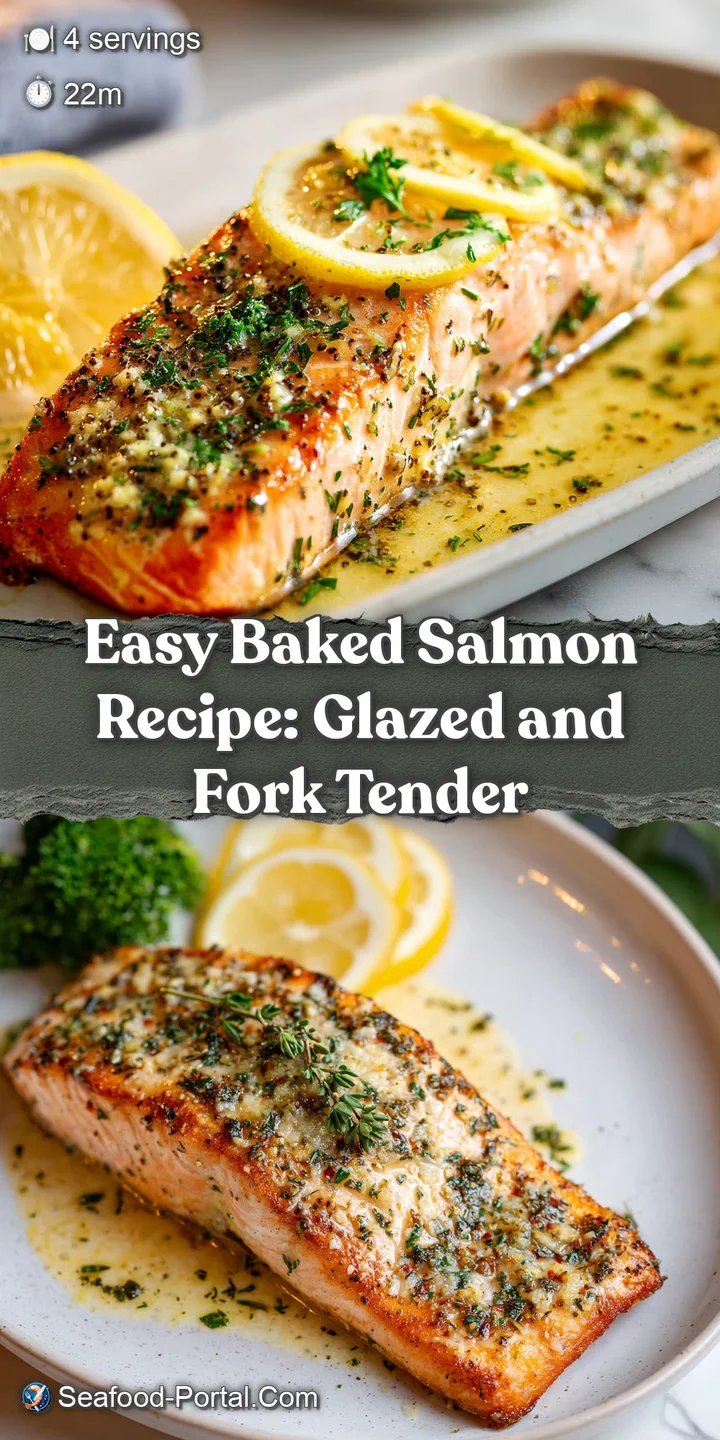
Presentation isn't just about being fancy; it's about the "wow" factor when you set the tray down. I love to serve this on a large wooden board or a bright white platter to let the orange pink of the salmon really pop.
A few extra charred lemon halves on the side don't just look good - they provide a warm, mellow juice that's much better than cold lemon.
If you want to get really creative, a tiny drizzle of balsamic glaze or a sprinkle of toasted sesame seeds can change the whole vibe of the dish. For another version of this that's a bit more intense, you might try the Effortless Baked Salmon recipe which uses Dijon mustard to add a sharper bite.
- For a "Mediterranean" feel
- Swap parsley for dill and add feta crumbles.
- For a "Pub Style" feel
- Add a side of smashed potatoes and extra butter.
- For a "Healthy" feel
- Serve over a bed of sautéed spinach or quinoa.
Recipe FAQs
Is it best to cook salmon at 350 or 400?
400°F is generally better for this recipe. Baking at 400°F achieves a faster set on the exterior, helping the honey glaze caramelize quickly before the interior overcooks. This technique respects the heat dynamics necessary for that perfect balance between a crust and a silky center.
How long to cook salmon on 400 in the oven?
Aim for 10 to 12 minutes for standard 1.5 inch thick fillets. Always rely on internal temperature over strict timing; pull it when it hits 125°F internally, using carryover heat to finish. If you want to explore timing based on thickness, refer to the chart in the main guide on our Bake Salmon Perfectly recipe page.
Should I cover my salmon when baking it in the oven?
No, you should not cover it. Covering the salmon traps steam, which prevents the surface from developing the necessary crust from the glaze. We want a dry environment for proper caramelization, not a moist, steamed environment.
Is it better to bake salmon with butter or oil?
Using both butter and oil provides the best result. The oil (like EVOO) has a higher smoke point and helps the seasonings adhere, while the butter introduces rich flavor and aids in the delicious, low-temperature browning of the glaze components.
What is the purpose of letting the salmon sit at room temperature before baking?
Tempering the fish ensures even cooking from edge to center. Cold fish entering a hot oven causes the exterior proteins to seize immediately, resulting in a tough, overcooked outer layer while the center remains underdone. Letting it temper by 20 minutes helps you master the textural gradient.
Why is my salmon sticking to the pan during baking?
This almost always happens because the skin wasn't sufficiently dried or oiled before placing it down. Sugar in glazes can also scorch and adhere if the baking sheet is too hot; using parchment paper creates a crucial barrier, protecting the skin from direct contact.
Can I use frozen salmon fillets without ruining the texture?
Yes, provided you thaw them slowly and properly first. You must thaw overnight in the refrigerator to allow moisture to redistribute naturally; quick thawing methods often lead to watery fish. For a related technique handling high moisture fish, look at the preparation steps in the Crispy Baked Mackerel recipe.
Flaky Baked Salmon Fillets
Ingredients:
Instructions:
Nutrition Facts:
| Calories | 475 kcal |
|---|---|
| Protein | 35 g |
| Fat | 34 g |
| Carbs | 5 g |
| Fiber | 0.2 g |
| Sugar | 4 g |
| Sodium | 390 mg |
