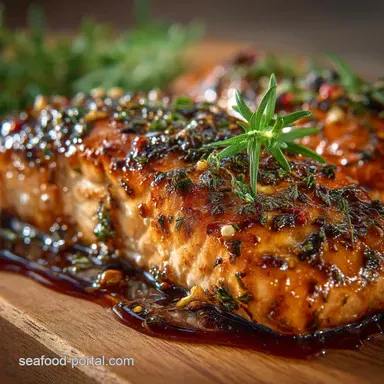
The Ultimate Umami Glaze a Cheat Sheet Marinade for Perfectly Flaky Salmon
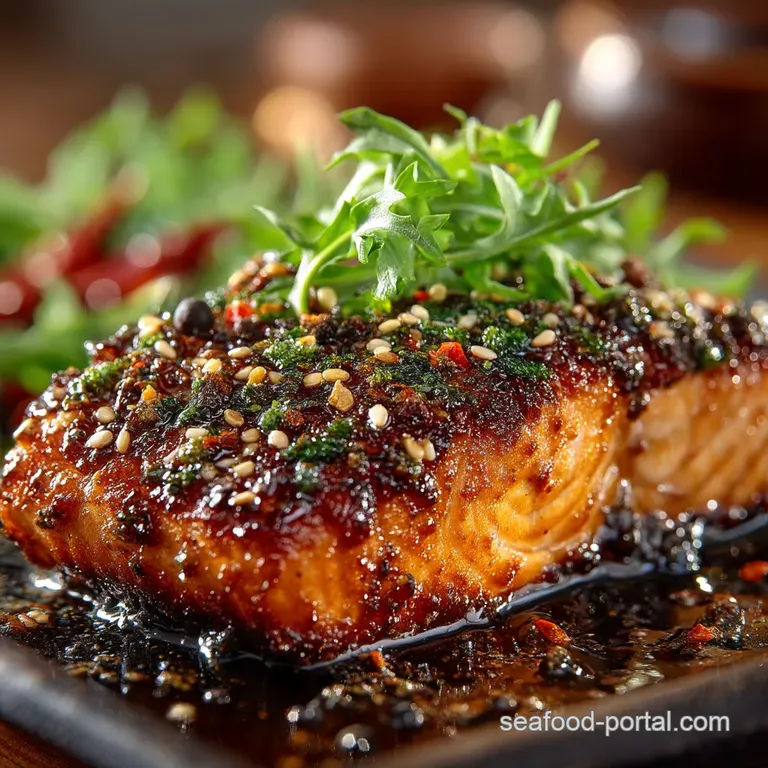
- Mastering Umami: Why This Is Your New Go-To Salmon Marinade
- The Ultimate Dinner Solution: Speed, Flavor, and Flakiness Combined
- Essential Components for the Ultimate Umami Salmon Marinade
- Pantry Staples Decoded: Understanding the Core Flavor Builders
- Step-by-Step: Crafting the Marinade and Achieving a Flaky Finish
- Cooking Methods Comparison: Baking, Broiling, and Pan-Searing
- Expert Tips for Zero-Fail Salmon Marinade Results
- Tailoring the Recipe: Flavor Variations and Spice Levels
- Recipe FAQs
- 📝 Recipe Card
Mastering Umami: Why This Is Your New Go-To Salmon Marinade
Achieving perfectly flaky, flavor packed salmon doesn't require a culinary degree or hours of dedicated cooking time. It requires a flawless marinade. This specific recipe, inspired by robust East Asian flavor profiles, delivers a potent punch of umami, transforming simple salmon fillets into a spectacular weeknight meal.
We’re moving past basic lemon and dill and stepping into a savory sweet synergy that guarantees rich caramelization and deep infusion. This isn't just a basic coating; it’s an Asian Marinade For Salmon designed to enhance the fish's natural oils and texture, ensuring moisture is locked in while the exterior develops a sticky, complex finish.
If you’ve struggled with dry, under seasoned fish in the past, consider this the definitive key to effortless culinary success.
The Ultimate Dinner Solution: Speed, Flavor, and Flakiness Combined
The beauty of this recipe lies in its balanced complexity and sheer speed. It’s the definition of an Easy Salmon Marinade , demanding just under an hour from prep to plate (assuming minimum marination).
The robust ingredients mean maximum flavor absorption in minimal time, making it suitable for even the busiest schedule.
What Makes This Umami Glaze Truly 'Ultimate'?
The key to this "ultimate" glaze is the meticulous balancing act between savory, sweet, and acidic elements, drawing heavily from the fundamentals of a classic Japanese Salmon Marinade .
We utilize low-sodium soy sauce (a precise ¼ cup) for that indispensable savory depth, complemented by the rich sweetness of 3 tablespoons of honey. Crucially, the addition of rice vinegar (2 tablespoons) cuts through the richness, ensuring the final bite is bright and clean, not cloying.
This combination provides a powerful base that permeates the dense flesh of the fish beautifully.
The Five Minute Prep Time Miracle
While the total process takes about 52 minutes, the active preparation whisking and chopping is incredibly fast. You only need about 10 minutes to mince the two large cloves of garlic and finely grate the tablespoon of fresh ginger.
Once these aromatics are combined with the liquid ingredients and the rich, nutty toasted sesame oil, the initial work is done. This low effort for such a high impact flavor payoff solidifies its status as a dependable weeknight staple.
Choosing the Right Cut: Skin On vs. Skin Off
The foundation of a great salmon dish is, naturally, the fish itself. We recommend selecting four sturdy fillets, each weighing between 6 and 7 ounces (170 200g). Whether you opt for skin on or skin off largely depends on your chosen cooking method.
If you plan on pan-searing, the skin-on option provides excellent insulation, ensuring the flesh cooks gently while the skin crisps into a beautiful, protective layer. For baking, either cut works well, but always opt for fillets at least one inch thick to prevent overcooking before the glaze has caramelized.
Essential Components for the Ultimate Umami Salmon Marinade
This recipe relies on just a handful of accessible ingredients to create a world of flavor. The core components define the successful fusion of sweetness and saltiness required for an outstanding Salmon Marinade .
The essential pairing of low-sodium soy sauce and honey forms the foundational salmon marinade honey soy profile, giving the sauce its characteristic stickiness when reduced.
Beyond this pair, fresh aromatics ginger and garlic are non-negotiable, providing the necessary depth and sharpness that balances the rich salmon fat.
Pantry Staples Decoded: Understanding the Core Flavor Builders

A successful marinade is a chemical reaction waiting to happen; understanding the role of each pantry staple helps you perfect the process.
The Secret Weapon: Balancing Sweetness and Fiery Heat
The sweetness is delivered by 3 tablespoons of honey, which is not merely for flavor but also functions as the key caramelizing agent. When exposed to heat (especially during grilling or baking), the honey interacts with the soy sauce and the natural sugars in the fish, yielding that stunning golden brown crust.
This is the cornerstone of the popular salmon marinade soy sauce brown sugar flavour profile, though we favour honey here for its distinct floral depth. The "fiery heat" comes from the tablespoon of freshly grated ginger, which provides a clean, warming spice that contrasts beautifully with the smokiness provided by the optional half teaspoon of smoked paprika.
Substitutions: Swapping Soy for Tamari or Coconut Aminos
This marinade is highly flexible. If you are aiming for a gluten-free preparation, substitute the low-sodium soy sauce directly with Tamari. Tamari offers a slightly richer, darker umami flavor without the wheat content.
For those following a Paleo diet or needing to significantly reduce sodium, Coconut Aminos can be used as a 1:1 replacement, offering a softer, naturally sweeter flavor profile.
Required Kitchen Gear for a Seamless Cooking Experience
While the recipe is simple, the right tools ensure a clean finish. You will need a small whisk to thoroughly incorporate the honey, a microplane or grater for the ginger, and a shallow, non-reactive dish or large Ziploc bag for the marinating process. Crucially, have a small saucepan on hand.
This is necessary for reducing the reserved marinade into a safe, thick finishing glaze. Depending on your chosen technique, also prepare a baking sheet lined with parchment paper for the oven, or a heavy bottomed cast iron skillet for searing.
Related Recipes Worth Trying
- The Ultimate Easy Smoked Salmon Dip with Cream Cheese and Dill — This luxurious Easy Salmon Dip is the perfect starter Whipped salmon dip with cream cheese fresh dill and lemon Velvety smooth and ready in 15 minutes flat
- The Secret to Crispy Skin PanFried Salmon Brown Butter Basting — Learn how to pan fry salmon perfectly every time This pan fried salmon recipe guarantees shatteringly crispy skin and a flaky moist fillet finished with a...
- 30Minute Smoked Salmon Breakfast Flatbread Quick Yoghurt Dough Recipe — This Smoked Salmon Breakfast Flatbread is the business It uses a foolproof 2ingredient yogurt dough ready in 30 minutes A cracking gourmet breakfast...
Step-by-step: Crafting the Marinade and Achieving a Flaky Finish
Crafting the perfect Salmon Marinade involves a critical two-part strategy to ensure both deep flavor infusion and food safety. First, combine all marinade ingredients soy sauce, honey, vinegar, aromatics, sesame oil, and seasonings whisking them until the honey is completely dissolved.
The crucial next step is immediate reservation: set aside approximately ¼ cup (60 ml) of this raw mixture before it touches the fish. This reserved portion will later be boiled down into your concentrated, food safe glaze.
Once the rest of the marinade is poured over the patted dry salmon fillets, they should chill for a minimum of 30 minutes to absorb flavor, but never exceed four hours, as the acidity in the rice vinegar can begin to break down the delicate fish protein, leading to a mushy texture.
Cooking Methods Comparison: Baking, Broiling, and Pan-Searing
This versatile Salmon Marinade works beautifully across virtually all heating methods, providing excellent results whether you are preparing salmon marinade for grilling , salmon marinade for baking , or even using a modern appliance like a salmon marinade air fryer .
The Golden Rule of Marinating: Time vs. Flavor Absorption
As mentioned, salmon is sensitive. Unlike beef or poultry, it only requires a short window for maximum flavor uptake. Marinating for 30 minutes is enough to start the infusion process, while the four hour maximum is a hard limit.
Once the marinating time is up, remove the fish and pat it lightly dry again, discarding the used marinade entirely.
Temperature Guide for Different Fillet Thicknesses
For a reliable bake using the salmon marinade for baking , preheat your oven to 200° C ( 400° F). Place the fillets skin side down on the prepared baking sheet.
Cooking time typically ranges from 12 to 15 minutes for a standard inch thick fillet. The definitive sign of readiness is an internal temperature of 60° C ( 145° F), or when the fish flakes effortlessly with a fork.
If you choose to pan-sear, achieve a crispy skin by placing the fillet skin side down in a hot, lightly oiled skillet for 4– 5 minutes before flipping and finishing for another 4– 6 minutes.
How to Achieve That Signature Caramelized Glaze
The stunning, sticky finish is achieved through the reserved marinade. While the salmon cooks, pour the clean, reserved ¼ cup of marinade into a small saucepan. Bring this mixture to a rolling boil, then reduce the heat and simmer gently for three to five minutes until it thickens into a slightly syrupy glaze.
Brush this reduced glaze liberally over the salmon fillets during the final two minutes of baking, or immediately after removing them from the skillet, allowing the heat to set the beautiful caramelization.
Expert Tips for Zero Fail Salmon Marinade Results
Achieving perfect results every time comes down to respecting the integrity of the fish and the sauce. First, Pat Dry, Every Time . Moisture inhibits the Maillard reaction, preventing the crisp skin and deep browning we are looking for.
Second, always allow the cooked salmon to rest for three to five minutes after cooking; this critical resting time allows the internal juices to redistribute, guaranteeing a tender, succulent, and flaky result. Finally, never skip the step of boiling and reducing the reserved glaze.
This is the safest and most effective way to produce a glossy, thick, and flavorful finishing sauce.
Tailoring the Recipe: Flavor Variations and Spice Levels
The foundation of this Asian Marinade For Salmon is so strong that it serves as an excellent jumping off point for other flavor profiles. If you prefer a Mediterranean feel, swap the soy sauce for lemon juice (a full ¼ cup) and replace the Asian aromatics with dried oregano, thyme, and a dash of white wine vinegar.
For a spicier kick, introduce 1 tablespoon of Gochujang (Korean chili paste) or a teaspoon of dried chili flakes directly into the Umami Glaze mixture.
Troubleshooting: Preventing a Sticky or Burnt Glaze
The primary culprits for a sticky or burnt glaze are sugar concentration and application timing. Because the marinade contains honey, it is highly prone to burning if applied too early in the cooking process, especially under high heat like a broiler or when preparing salmon marinade for grilling .
Always brush the reduced glaze onto the fish only during the final two minutes of cooking, or right after it has been removed from the heat source. If your glaze seems excessively thick after reduction, add a tablespoon of water before boiling to thin it slightly.
Leftovers and Smart Storage Solutions
Cooked salmon keeps well in an airtight container in the refrigerator for up to three days. It reheats perfectly, though we recommend gently warming it in a low oven (around 150° C/ 300° F) to retain moisture, rather than using a microwave.
For a delicious lunch the next day, try flaking the cold leftover salmon over a fresh salad or mixing it into a quick Asian inspired slaw served atop fluffy coconut rice.
Analyzing the Nutritional Impact Per Serving
This recipe offers not only exceptional flavor but also impressive nutritional density. Based on a standard 6-ounce fillet and one-quarter of the marinade, one serving typically clocks in between 380 and 420 kilocalories.
Thanks to the high-quality protein content of the fish, you can expect an impressive 40 to 45 grams of protein per serving, making this a satisfying and muscle building meal. The carbohydrate count is low (10 12g), primarily coming from the honey used in the glaze.
Recipe FAQs
How long should I leave the salmon in this Umami Salmon Marinade?
You don't need to push your luck here; salmon is quite delicate. A quick 30 minutes in the fridge is usually enough to infuse serious flavour, but you can go up to 4 hours maximum.
If you leave it soaking much longer, the acid and salt in the soy sauce and vinegar can start to ‘cook’ the fish (like ceviche), giving it an unpleasant mushy texture. Keep it brief for perfectly flaky results.
The instructions say to reduce the reserved marinade. Can’t I just pour the leftover marinade over the cooked fish?
Absolutely not! That would be a genuine food safety sticky wicket, mate. The marinade that touched the raw salmon contains bacteria and must be discarded immediately. The trick is to reserve a clean portion of the marinade before it goes near the fish; this clean portion is then boiled and reduced into the safe, thick, syrupy glaze that gives this dish its show stopping shine.
I’m trying to go gluten-free, but this recipe uses soy sauce. What’s the best swap?
That’s an easy fix! You can swap the standard soy sauce 1:1 with Tamari, which offers that deep, salty umami flavour without the wheat gluten. Alternatively, Coconut Aminos work well if you need an even lower sodium content, though you might need to add a touch more salt to balance the flavour profile.
Either way, you’ll still achieve that gorgeous Asian inspired glaze.
What’s the secret to getting crispy skin on the salmon when pan-searing?
The secret is two-fold: technique and moisture control. Firstly, pat the skin side of the fillets bone dry with kitchen paper moisture is the enemy of crispiness. Secondly, use medium high heat with a high smoke point oil (like grapeseed) and place the salmon skin side down, leaving it completely undisturbed for a good four to five minutes.
Don’t fiddle with it; let the heat do the work, and the skin will lift easily when it’s perfectly crisp. Job’s a good 'un!
Can I prep this salmon marinade the night before for a quick meal later in the week?
You can certainly make the marinade mixture itself up to three days ahead and keep it stored in a sealed jar in the fridge. However, don't combine it with the salmon until the day you plan to cook it.
As we established, salmon shouldn't swim in the acidic marinade for more than four hours, or you’ll end up compromising the texture for your planned midweek feast!
Easy Umami Salmon Marinade Glaze Recipe