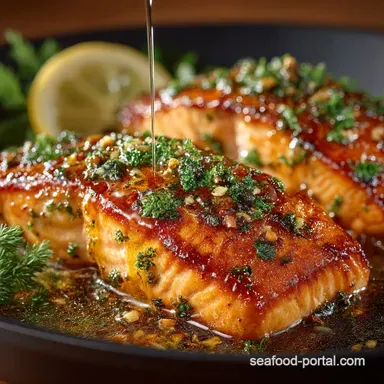
The Crispy Crown Panseared Salmon with Lemon Thyme Brown Butter
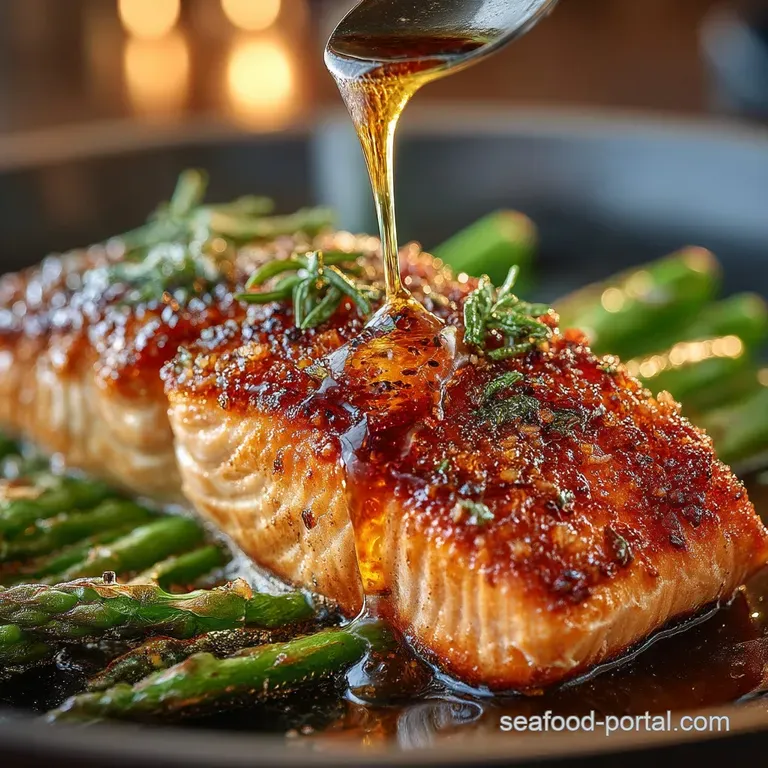
- Mastering the Perfect PanFried Salmon Technique
- Why Your Salmon Skin Isn't Crisp (And How to Fix It)
- Essential Elements for Your Best Skillet Salmon
- Equipment Needed for Restaurant-Quality Pan-Seared Salmon
- Step-by-Step Guide to Flawless PanFried Salmon
- The High-Heat Method: Achieving the Ultimate Sear
- Troubleshooting & Serving Suggestions
- How to Store and Reheat Leftover Pan-Fried Salmon
- Recipe FAQs
- 📝 Recipe Card
Mastering the Perfect PanFried Salmon Technique
Achieving a truly remarkable plate of salmon hinges entirely on technique. When executed correctly, the method of cooking salmon in a pan transforms a simple fillet into a culinary masterpiece: a moist, flaky interior cocooned within a deeply browned, savory crust.
This specific approach, often referred to as the PanFried Salmon or skillet sear, is arguably the best way to prepare skin-on salmon. We are not just cooking fish; we are mastering controlled heat and fat to render the delicious, beneficial fat in the skin, which is the secret ingredient to creating the ultimate texture.
Forget the oven or the grill; learning How To Pan Fry Salmon with confidence is the key to unlocking the flavor potential of pan fried salmon fillets right in your own kitchen.
Why Your Salmon Skin Isn't Crisp (And How to Fix It)
If you have previously attempted this dish only to end up with limp, chewy, or soggy salmon skin, the culprit is almost always moisture. Water on the surface of the fish instantly cools the oil and the pan upon contact, causing the temperature to drop below the searing point.
Instead of generating the Maillard reaction needed for browning and crispness, this moisture creates steam, essentially steaming the skin and resulting in that undesirable rubbery texture. The fix is simple but mandatory: aggressive drying and strategic seasoning.
Achieving the Holy Grail: Shatteringly Crisp Skin
The journey to getting that phenomenal pan fried salmon with crispy skin begins well before the fish hits the heat. First, utilize an abundance of paper towels to thoroughly pat the salmon fillets dry on all sides, concentrating particularly on the skin. You must remove every trace of surface water.
Second, season the skin side heavily with flaky sea salt. Salt draws out any residual moisture lingering beneath the surface, further dehydrating the skin and ensuring the best possible contact with the hot metal. This preparation stage is non-negotiable for success.
Beyond Simple Sear: What Makes Brown Butter Transformative
While a simple sear would cook the fish, the addition of a brown butter baste takes this pan fried salmon recipe into the realm of restaurant quality dining. Brown butter, or beurre noisette , is created when the milk solids in the butter caramelize and take on a distinctively rich, nutty flavor.
By introducing butter, thyme sprigs, and smashed garlic cloves immediately after flipping the fillet, the ensuing foam acts as a vehicle to infuse the top flesh of the fish with complex savory notes while ensuring it remains beautifully lubricated and prevents drying out as the salmon finishes cooking.
The Scientific Reason for Resting Your Fillet
Just like steak, salmon benefits immensely from a post cook rest. When the fish is subjected to high heat, the muscle fibers contract, pushing internal moisture toward the center of the fillet. If you slice into the fish immediately, all those flavorful juices will leak out onto the plate, leaving the salmon dry.
By removing the cooked fish from the heat and allowing it to rest for a full five minutes, the muscle fibers relax, allowing the juices to redistribute evenly throughout the flesh. Crucially, always rest the salmon skin side up on a wire rack to maintain its hard won crispness.
Essential Elements for Your Best Skillet Salmon
For the best results, your focus should be on creating high-quality, continuous heat while enriching the fish with minimal ingredients. Our recipe uses four fundamental elements alongside the fish itself: a high heat neutral oil (such as canola or grapeseed) for the initial sear, unsalted butter for the basting stage, fresh aromatics (thyme and garlic) for infusion, and a squeeze of fresh lemon juice at the end to brighten the final sauce.
This combination provides the perfect balance needed for truly standout Salmon Recipes Fried in a pan.
Equipment Needed for Restaurant Quality Pan-Seared Salmon
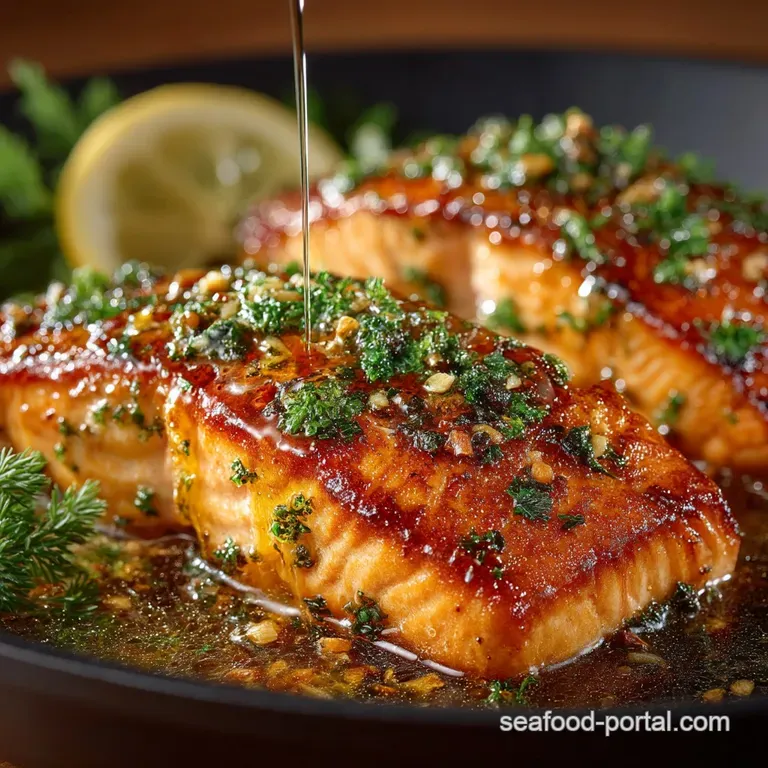
The quality of your tools profoundly influences the outcome when Frying Salmon In A Pan. We strongly recommend a heavy bottomed skillet, ideally made of cast iron or high-quality stainless steel.
These materials retain heat exceptionally well and prevent temperature fluctuations when the cold fish is added, which is vital for a consistent, hard sear. The second crucial piece of equipment is a thin, flexible fish spatula.
This tool is designed with a specific angle and width that allows you to slide under the delicate, hot skin without tearing it when flipping, ensuring the crisp exterior remains intact. An instant read meat thermometer is also recommended for precise internal temperature checking, guaranteeing perfect doneness.
Choosing the Right Cut: Wild vs. Farmed Fillets
When selecting your protein, the most important characteristic is that the fillet must be skin-on. This technique simply cannot be performed successfully without it. For the four standard portions detailed here, look for four 6-ounce (170g) skin-on pan fried salmon fillets.
While either wild or farmed salmon works, farmed fish generally has a higher fat content, which leads to a more robust, slightly easier-to-achieve crispy skin. Wild salmon often has a cleaner flavor profile but requires slightly faster cooking times due to its leaner nature.
Prep Stage Zero: Tempering the Fish Before the Pan
Many home cooks skip the crucial step of tempering the fish. Just as with steak, salmon should be brought close to room temperature before cooking. If you attempt to sear a fillet straight from the refrigerator, the intense cold will immediately drop the temperature of your hot oil and pan, severely slowing the searing process and leading to unevenly cooked fish.
Allow the seasoned fillets to rest on the counter for about 10 minutes while you prepare the remaining ingredients and heat the skillet.
The Aromatic Trio: Thyme, Lemon Zest, and Garlic
The brown butter sauce receives its depth and complexity from the thoughtful addition of fresh aromatics. We use four sprigs of fresh thyme and two lightly smashed garlic cloves. These are introduced to the butter after the flip, preventing the herbs and garlic from burning during the high heat searing phase.
The fresh herbs infuse the foaming butter with earthy flavor, while the ultimate finish a squeeze of fresh lemon juice added off the heat degazes the pan, creating a bright, emulsified sauce that perfectly cuts through the richness of the salmon.
Related Recipes Worth Trying
- 30Minute Smoked Salmon Breakfast Flatbread Quick Yoghurt Dough Recipe — This Smoked Salmon Breakfast Flatbread is the business It uses a foolproof 2ingredient yogurt dough ready in 30 minutes A cracking gourmet breakfast...
- Weeknight Silky Thai Red Curry with Salmon Ready in 35 Mins — Ditch the takeaway This vibrant Thai Red Curry with Salmon is quick healthy and low carb without the rice Learn the trick to blooming the paste for deep flavour
- Foolproof Salmon Croquettes Recipe Crispy Panada Lemon Aioli — Skip the dry fish cakes This easy Salmon Croquettes recipe uses a creamy panada binder for a tender middle and a golden crunchy crust Perfect weeknight comfort
Step-by-step Guide to Flawless PanFried Salmon
Achieving perfection with PanFried Salmon can be broken down into three streamlined stages: thorough preparation (drying and seasoning), aggressive skin side searing, and a strategic basting finish. This high heat, focused approach guarantees both maximum crispness and ideal internal moisture.
The High Heat Method: Achieving the Ultimate Sear
This technique relies on maintaining continuous, high heat to ensure the surface of the skin gets sufficiently hot to rapidly dehydrate and crisp up before the interior overcooks. Confidence in heat management is key here.
Prepping the Pan: Why Oil Smoke Point Matters
Begin by setting your heavy skillet over medium high heat. Add two tablespoons of high heat neutral oil (like grapeseed or canola). We select these oils because they possess a high smoke point, meaning they can be heated aggressively without burning or breaking down, which is essential for a proper sear.
Wait until the oil is shimmering and just beginning to lightly smoke this confirms the pan is ripping hot and ready for the pan fried salmon skin on.
Searing Strategy: The 90% Rule (Skin Side Down Dominance)
Carefully place the salmon fillets into the screaming hot pan, skin side down . Immediately press down firmly and lightly on the thickest part of the fillet using your fish spatula for the first 15 seconds.
This simple maneuver is essential to prevent the skin from seizing up and curling away from the pan, ensuring maximum contact and uniform crispness. Reduce the heat slightly to medium and leave the fillets undisturbed for four to five minutes.
This is the "90% rule": the vast majority of the cooking time is spent on the skin side. You will see the color of the flesh changing, climbing about two-thirds of the way up the side of the fillet.
Creating the Brown Butter Sauce and Basting Finish
Once the skin is deeply golden brown and crisp, use your spatula to flip the fillets. Immediately drop the four tablespoons of cut unsalted butter, the smashed garlic, and the thyme sprigs into the pan next to the fish.
As the butter melts and begins to foam and brown, tilt the pan slightly and use a spoon to continuously scoop the foaming brown butter mixture over the top, exposed flesh of the salmon. Continue this basting stage for one to two minutes.
Just as the salmon nears completion, turn off the heat and squeeze the juice from half a medium lemon directly into the hot pan juices, swirling quickly to deglaze and emulsify the rich sauce.
The Internal Temp Check: Knowing When to Pull the Fish
The final step is verifying doneness. For a perfectly cooked, moist medium, remove the fish from the heat when the internal temperature, measured with an instant read thermometer inserted into the thickest part, registers 135° F ( 57° C).
The fillet will continue to cook as it rests, carrying over to the ideal final temperature of around 140° F ( 60° C). Transfer the salmon immediately to a plate or wire rack, ensuring the beautiful crispy skin is facing up.
Troubleshooting & Serving Suggestions
Even experienced cooks encounter minor issues. Knowing how to quickly remedy them ensures your final dish maintains its restaurant quality standards.
How to Store and Reheat Leftover pan-fried Salmon
If you have leftovers, store them in an airtight container in the refrigerator for up to three days. To best preserve the delicate texture and that wonderful crust, avoid using the microwave for reheating.
Instead, place the salmon skin side up on a baking sheet and reheat gently in a preheated oven or air fryer at 300° F ( 150° C) for five to eight minutes until warmed through. This gentle heat reactivates the crispness without drying out the flesh.
Dealing with Skin Curl: A Simple Trick
As mentioned in the searing strategy, salmon skin tends to contract dramatically when exposed to high heat, causing the fillet edges to curl away from the pan surface. If you find your fish curling aggressively, simply apply light, gentle pressure with your spatula or tongs across the thickest part of the fillet for the first 15 seconds of cooking.
This prevents the initial contraction and ensures full, even contact for maximum crispness.
Creative Twists: Herb and Spice Variations
While the lemon and thyme brown butter combination is definitive, this high heat method supports a variety of flavor profiles. For an Asian inspired twist, omit the butter and herbs and instead finish the salmon by basting with a mixture of soy sauce, honey, and a dash of ginger paste.
Alternatively, achieve a Mediterranean Herb Crust by pressing a finely chopped mixture of basil and parsley onto the flesh side before searing, adding complexity and aroma to the finish.
Meal Pairing Perfection: Ideal Sides to Serve
When planning your meal, select side dishes that balance the richness of the pan fried Salmon and the brown butter. Creamy starches, such as mashed potatoes or polenta, provide a luxurious base to soak up the flavorful pan sauce.
For vegetables, choose sides with a slight bitterness or acidity, such as blanched asparagus, roasted broccoli, or a fresh green salad dressed with vinaigrette. A crisp, dry white wine like Sauvignon Blanc or Pinot Grigio makes the perfect beverage pairing, cutting through the fat and complementing the bright lemon notes.
Nutrition Breakdown & Dietary Adjustments
Salmon is a powerhouse of nutrition, rich in high-quality protein (approximately 38 to 42 grams per serving) and essential Omega-3 fatty acids (EPA and DHA), which contribute significantly to heart and brain health.
This cooking method, while utilizing fats for searing and basting, results in a meal typically ranging from 450 to 500 total calories, primarily derived from healthy fats. For those seeking dairy-free options, the basting butter can be substituted effectively with Ghee (clarified butter, which has a higher smoke point) or a quality olive oil.
While the nutty flavor of brown butter will be lost, the basting technique remains functional, ensuring a moist and delicious result.
Recipe FAQs
How can I guarantee that lovely, shatteringly crisp skin on my PanFried Salmon?
The secret, mate, is dryness and heat! You must pat the fillets bone dry with kitchen paper before seasoning any lingering moisture is the enemy of crispness and will steam the skin instead of searing it.
Crucially, ensure your heavy bottomed pan is piping hot when the skin side goes in, and once the salmon is down, resist the urge to peek or move it for those crucial first five minutes.
My salmon always sticks! What’s the secret to getting a clean release from the pan?
Sticking usually happens because the pan isn't hot enough, or you’re too eager to flip. Start with a screaming hot pan and high heat oil until it shimmers. If you try to slide your fish spatula underneath and the salmon fights back, it means the proteins haven't fully set yet just give it another minute.
I worry about undercooking the fish. What’s the foolproof way to tell when the salmon is perfectly done?
The simplest method, especially if you’re fresh off the boat, is using an instant read thermometer; 135°F (57°C) is spot on for a beautifully moist medium fillet. Visually, watch the opaque colour climb up the side of the fillet when it reaches about two-thirds of the way, or the flaky white fat (albumin) just starts to appear, you’re ready to remove it and rest.
Do I really need to use the brown butter basting stage, or can I skip it?
While you can certainly cook the salmon without basting, you’d be missing a trick! Basting with the brown butter, lemon, and thyme mixture is what elevates this dish from simply pan-seared to restaurant quality.
It quickly finishes the cooking from the top down, infuses the flesh with nutty flavour, and creates that gorgeous, rich pan sauce it’s the dog’s bollocks!
Can I cook this PanFried Salmon ahead of time, and what’s the best way to store and reheat leftovers?
Cooked salmon keeps brilliantly in an airtight container in the fridge for up to three days, making it great for tomorrow’s lunch. To reheat without ruining the texture, avoid the microwave, which turns it into rubber.
Gently warm the salmon in a low oven (about 275°F/135°C) for 10 15 minutes, or briefly sear it in a dry pan skin side down just until heated through to try and revive that lovely crisp crust.
Crispy Panfried Salmon Brown Butter