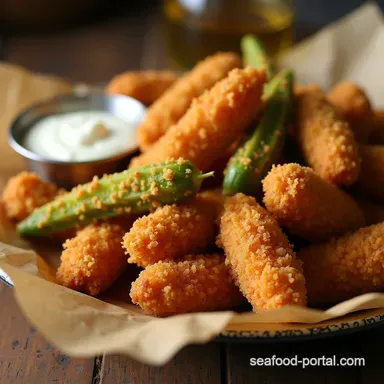
Golden Crunch Truly Crispy Southern Fried Okra No Slime Allowed
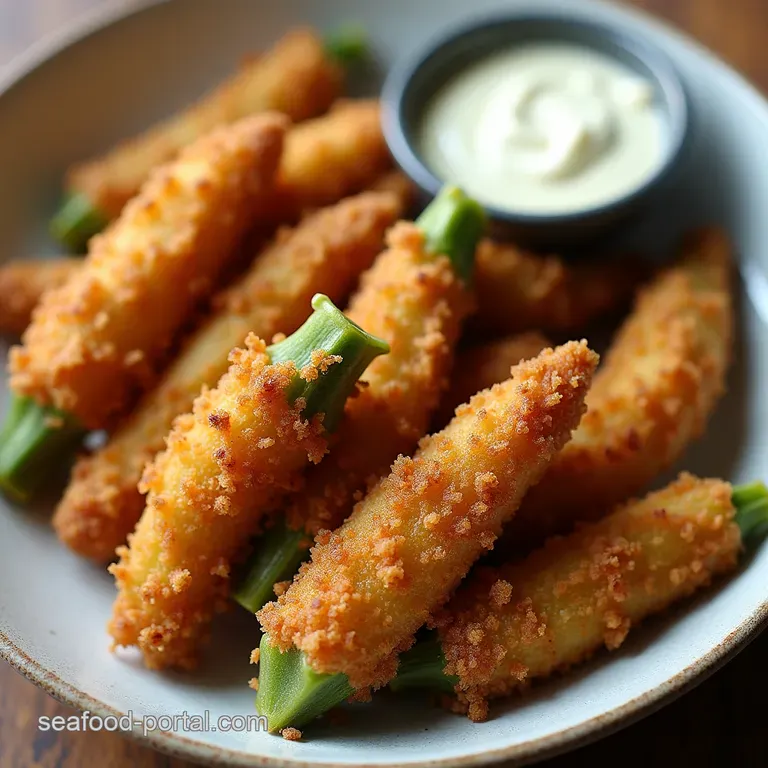
- Why This Recipe Banishes Sliminess Forever
- The Secret History of Truly Crispy Southern Fried Okra
- The Essential Arsenal for Breading Perfection
- Tool Checklist: Setting Up Your Frying Station
- Mastering the Critical Drying and Soaking Phase
- The Step-by-Step Frying Technique for Peak Crispness
- From Fryer to Plate: Draining and Seasoning Swiftly
- Elevating Your Experience: Perfect Pairings and Sauces
- Recipe FAQs
- 📝 Recipe Card
Why This Recipe Banishes Sliminess Forever
The biggest hurdle when preparing okra, especially for frying, is the mucilage that natural, slightly gelatinous liquid that makes the vegetable infamous. We are not here to tolerate sliminess; we are here to obliterate it.
The key to achieving truly Crispy Fried Okra lies in two non-negotiable preparation steps: meticulous drying and the specific nature of the coating. By ensuring the sliced okra is as dry as possible before it ever meets the wet binder, we prevent excess moisture from turning our beautiful coating into paste.
On top of that,, the slight acidity of the buttermilk tenderizes the exterior ever so slightly while setting the stage for a coating that adheres perfectly, resulting in a flawless shell that locks in flavor and locks out goo.
This methodical approach is the foundation of our Southern Fried Okra Recipe .
The Secret History of Truly Crispy Southern Fried Okra
Fried okra is more than just a side dish in the South; it’s a culinary institution, a nostalgic flavor that signals comfort and home. While modern takes often involve oven baking or air frying, the traditional, deeply satisfying crunch comes only from a proper hot oil bath.
Understanding why the classic method works explains why we stick to these time tested techniques for our Homemade Fried Okra .
Setting the Stage for Audibly Crunchy Pods
To achieve that auditory delight the sound of a truly crispy exterior you must manage temperature and coating hydration. We are aiming for immediate searing upon contact with the hot fat, which effectively seals the surface before any internal moisture can escape and steam its way through the breading.
This requires a heavier, structured coating than you might use for something lighter like fried mushrooms.
What Makes Authentic Southern Preparation Different?
The real differentiator in authentic Southern Fried Okra is the inclusion of cornmeal. While plain flour yields a crispy crust, it often lacks the characteristic "grit" and deep golden hue.
Fine ground yellow cornmeal is indispensable; it crisps up differently than flour, providing a sturdier, more textured shell that stands up beautifully to the frying process.
A Quick Primer: Understanding Okra Texture
Okra texture breaks down into two main categories: slimy and crisp. Sliminess is caused by heat reacting with the internal structure when water is present, creating those long polysaccharide chains.
Our method combats this by coating the okra quickly in a two-stage process wet followed by dry and then allowing that dry coating to sit and absorb the residual moisture before the final, rapid cooking phase.
The Essential Arsenal for Breading Perfection
Creating an amazing Best Fried Okra Batter requires a partnership between the wet and the dry components. We are using a buttermilk wash, which not only acts as a glue but also adds a slight tang that balances the savory coating. For the dry mix, a blend is crucial.
We start with all-purpose flour for binding strength, but then we incorporate fine cornmeal the non-negotiable element for that signature Southern texture. A precise measurement of salt, pepper, and a whisper of cayenne brings the seasoning right to the surface.
Tool Checklist: Setting Up Your Frying Station
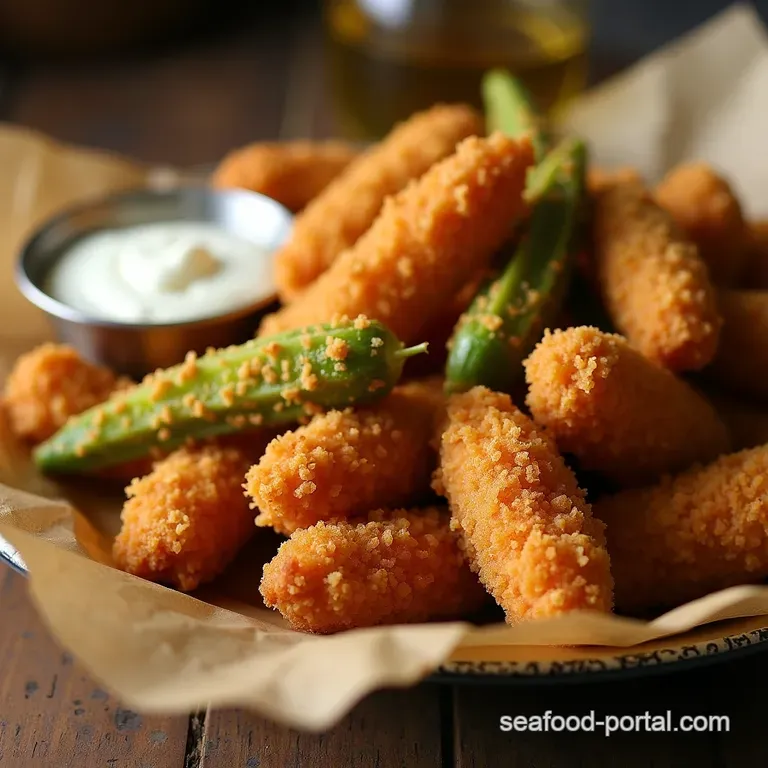
Before you even start slicing, ensure your workstation is organized for swift assembly and frying. A good setup minimizes handling and mess, which keeps your coating drier.
Selecting and Prepping Your Fresh or Frozen Okra
For the best results in this Easy Fried Okra Dish , aim for young, tender pods that are about three to four inches long. If using fresh okra, wash it thoroughly and then lay it out on several layers of paper towels. Pat every surface dry.
Seriously pat it until you think it’s dry, then pat it once more. If using frozen okra, do not thaw it first; simply rinse off any excess ice crystals and dry it as thoroughly as possible.
Trim off the tough stem ends, avoiding cutting deep into the pod itself, and slice the pods into uniform half inch rounds.
Mixing the Dry Dusting: Cornmeal vs. Flour Ratios
For the ultimate crust, you’ll combine one cup of all-purpose flour with half a cup of fine cornmeal. This 2:1 ratio provides structure without becoming too heavy. Whisk in your seasonings about a teaspoon of salt and half a teaspoon of black pepper to ensure even distribution throughout the coating.
This combination is what gives us that distinctive Southern Southern Fried Okra Cornmeal crunch.
The Right Fat Matters: Choosing Your Frying Medium
When deep or shallow frying, smoke point is paramount. You need a neutral oil that can handle high heat without breaking down or imparting off-flavors. Canola, vegetable, or peanut oil are excellent choices.
You only need about a half inch of oil depth in a heavy bottomed skillet, ideally cast iron, as it retains heat beautifully, which is vital for consistent results.
Related Recipes Worth Trying
- The Ultimate Speedy Shrimp Fried Rice Recipe Better Than Takeout — Ditch the takeaway for this Easy Shrimp Fried Rice recipe ready in under 30 minutes Get that signature flavour using cold rice and simple ingredients
- Foolproof Crispy Southern Salmon Croquettes Recipe — Master the best Southern Salmon Croquettescrispy outside perfectly flaky inside This easy recipe guarantees a comforting classic every time Get cooking
- Best Creamy Homemade Refried Beans Recipe Better Than Canned — Learn how to make authentic creamy Refried Beans from scratch in about an hour This easy recipe delivers unbelievable flavour perfect for taco fillings
Mastering the Critical Drying and Soaking Phase
This is the step most rushed by home cooks, and it’s the one that guarantees success for Okra Fries Recipe enthusiasts. After slicing, the okra pieces go into the wet mixture half a cup of buttermilk whisked with one large egg just long enough to coat them lightly.
The excess should drip off. Immediately transfer the wet pieces to the dry cornmeal/flour blend. Toss gently until every surface is coated. Now, the magic happens: spread the coated okra out on a clean, dry plate or tray and let it rest for a full 30 minutes at room temperature.
This resting period allows the coating to hydrate slightly, bonding tightly to the okra. When this hydrated crust hits the hot oil, it stays put, leading to cleaner oil and superior crispness.
The step-by-step Frying Technique for Peak Crispness
With your dredged okra resting and your oil heating, you are ready for the final transformation. Managing the heat ensures you achieve golden brown perfection rather than pale, soggy failure.
The Pre-Breading Prep Work: Avoiding the Goo Factor
As mentioned, dryness is key, but organization matters too. Have your frying station ready: oil heating, coating mixed, and your wire rack set over a baking sheet nearby. You want to move the okra from the tray directly into the oil as quickly as possible once the temperature is correct.
Achieving the Ideal Oil Temperature for Golden Results
Heat your oil slowly until it reaches 365° F ( 185° C). If you don't have a thermometer, test the oil by dropping a tiny pinch of the dry coating into it. If it sizzles vigorously right away but doesn't instantly burn, you are in the right zone.
If it sits quietly, the oil is too cold; if it smokes violently, it’s too hot.
Batch Cooking Secrets: Keeping Fried Okra Hot and Crisp
Never overcrowd the pan. Doing so drastically drops the oil temperature, forcing the okra to steam rather than fry, resulting in greasy, soft pods. Fry in small batches, ensuring there is space between each piece.
Allow them to cook undisturbed for about two minutes, then gently turn using tongs until they are uniformly deep golden brown, typically 3 to 5 minutes total.
From Fryer to Plate: Draining and Seasoning Swiftly
Speed is essential right after frying. The residual heat will continue to cook the okra slightly, and you need to stop the cooking process and set that crispness immediately.
Remove the cooked okra immediately with tongs or a spider strainer and place them directly onto the waiting wire rack set over a baking sheet. Do not place them on paper towels alone, as the trapped steam underneath will soften the bottom layer.
As soon as they hit the rack, sprinkle them lightly with a fresh pinch of fine salt. This adheres perfectly to the hot, slightly oily surface and enhances that irresistible crunch.
Elevating Your Experience: Perfect Pairings and Sauces
While perfectly prepared Southern Fried Okra is delicious enough to eat by the handful plain, pairing it thoughtfully can elevate it into a complete meal experience.
Flavor Twists: Spice Variations for Your Breading Mix
To introduce more depth to your coating, try integrating non-traditional but delicious elements. A dash of smoked paprika lends a barbecue note, while dried thyme or even a tiny amount of garlic powder complements the savory cornmeal base beautifully. This customization allows you to tailor the flavor profile easily.
Storage Solutions: Maintaining Crunch After Cooling
Honestly, the best way to enjoy this dish is straight from the fryer. However, if you must store leftovers, let them cool completely on the rack first to minimize trapped moisture. Store them in a loosely covered paper bag at room temperature for up to a day.
Reheating is best done in a 400° F ( 200° C) oven or an air fryer until crisp again; microwave reheating is strongly discouraged as it guarantees sogginess.
What Sides Bring Out the Best in This Classic Dish?
This versatile side shines next to robust flavors. Think about serving it alongside rich, slow cooked meats like smoked brisket or alongside a tangy, vinegary coleslaw to cut through the richness of the fried coating. It’s the perfect crunchy counterpoint to soft textures.
Answering Common Frying Quandaries
If your coating is falling off in the oil, your oil temperature was likely too low, or you rushed the 30-minute resting period. If the okra seems greasy, the oil temperature was too low, or you crowded the pan, causing the cooking process to slow down.
Remember, high, consistent heat equals crispness, whether you are aiming for classic fried okra or experimenting with an Air Fryer Fried Okra variation (which requires a light spray of oil before cooking).
For a less intensive, but still satisfying crunch, you can try Oven Fried Okra , but ensure the pieces are tossed liberally in oil before baking.
Recipe FAQs
How do I stop my Southern Fried Okra from getting slimy?
That dreaded slime is the number one complaint! The key is preparation: first, wash and thoroughly dry your okra pods before slicing, as surface moisture causes issues. Second, don't skip the 30-minute resting period after dredging; this helps the coating absorb the moisture so it sticks firmly to the pod, preventing the interior from leaching out during frying.
Can I make this ahead of time, or how should I store leftovers?
Unfortunately, fried foods, especially coated vegetables like this, are best served piping hot right off the rack they lose their crunch rather quickly once cooled. If you must make them ahead, store cooled leftovers in a single layer in an airtight container in the fridge.
Reheat them in a 400°F (200°C) oven or an air fryer, rather than a microwave, to salvage some crispness.
What’s the secret ingredient for that authentic, crunchy coating on Southern Fried Okra?
The secret weapon is definitely the cornmeal! While flour provides the structure, adding fine grind cornmeal gives you that signature, slightly gritty texture and deep golden colour Southerners expect.
Also, make sure your oil temperature is spot on around 365°F (185°C) so the coating sets instantly and crisps up beautifully.
My coating keeps falling off in the oil. What am I doing wrong?
This usually boils down to two culprits: either the okra wasn't dried sufficiently before coating, or you rushed the dredging process. After coating the okra in the wet binder (buttermilk/egg), you must give it a good 30 minutes to rest before frying.
This hydrates the coating so it adheres properly when it hits the heat, saving your oil from getting clogged with bits of fallen batter.
I don’t have buttermilk what can I substitute for the wet binder?
No need to pop down to the shops for buttermilk; you can whip up a quick substitute right at home! Simply take regular milk (whole milk works best) and stir in one teaspoon of white vinegar or lemon juice per half cup of milk, then let it sit for five minutes to curdle slightly.
This acidic mixture works perfectly to tenderise the okra and help the coating stick.
Crispy Southern Fried Okra