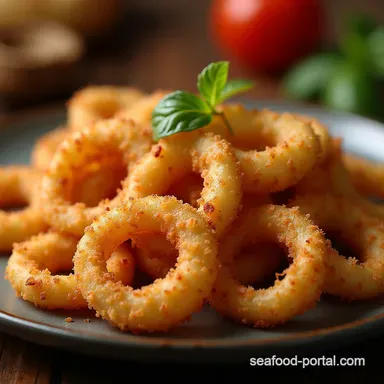
Crispy Golden Calamari the Lighter Brighter Fritto Misto Style
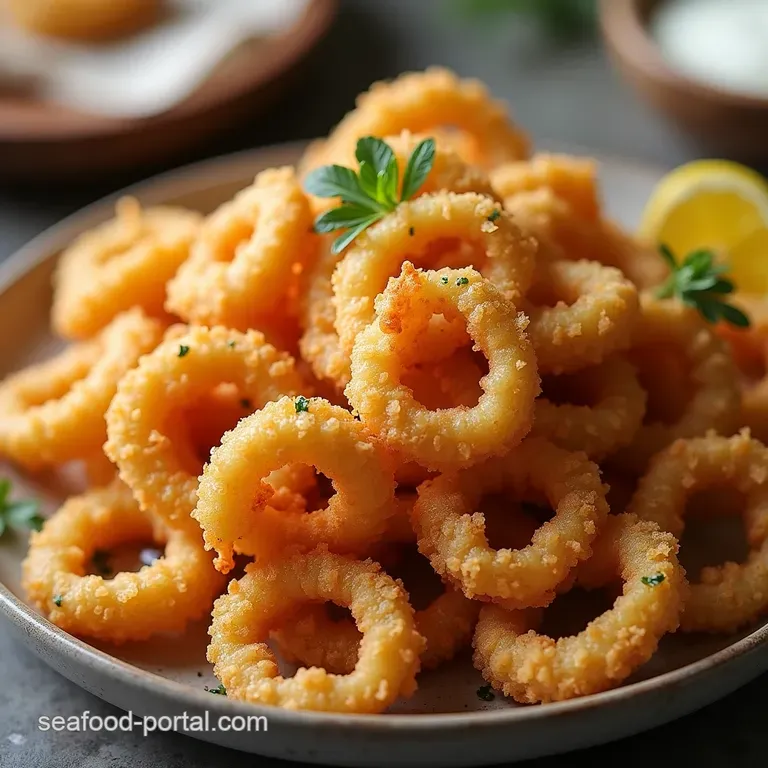
- Bypassing Rubberiness: Our Secret to Tender Seafood Rings
- The Cornish Seaside Standard: Why This Fried Calamari Recipe Wins
- Essential Components for the Ultimate Crispy Coating
- Tools of the Trade: What You Need Before You Start Frying
- Phase One: Preparing the Calamari for Flavor Infusion
- The Art of Achieving Golden Perfection in the Fryer
- Draining and Seasoning: The Final Touch Before Serving
- Elevating Your Serving Platter: Dipping Sauces That Complement Seafood
- Troubleshooting Common Issues: Fixing Soggy or Overcooked Bites
- Storing Leftovers and Reheating for Maximum Crispness
- Recipe FAQs
- 📝 Recipe Card
Bypassing Rubberiness: Our Secret to Tender Seafood Rings
The pursuit of perfect Fried Calamari often ends in disappointment chewy, rubbery rings that taste more of fryer oil than fresh seafood. It’s a tragedy, really, given how magical these little morsels can be when executed correctly.
The key to avoiding that tough texture lies not just in the cooking time, but in the preparation itself. We aren't using a lengthy marinade here; instead, we’re relying on a highly effective, non-traditional soak that actively tenderizes the proteins before they ever meet the hot oil.
This technique ensures that whether you are frying the squid tubes or the delicate tentacles, the result is melt-in-your mouth tenderness, making this truly Addictive Fried Calamari .
The Cornish Seaside Standard: Why This Fried Calamari Recipe Wins
If you’ve ever tasted that quintessential Seaside Fried Calamari fresh off the pier, you’ll notice it possesses a specific lightness. It shatters when you bite it, rather than bending. This Fried Calamari Recipe aims to replicate that gold standard.
We are taking inspiration from the Italian fritto misto tradition a mix of lightly battered and fried items which emphasizes a delicate coating over a thick, heavy breading. The goal is achieving that beautiful, airy crunch that lets the inherent sweetness of the squid shine through.
What Makes This Dredge Superior to Standard Breadcrumbs?
We eschew heavy breadcrumbs in favor of a specific flour blend. Standard breadcrumbs often soak up too much oil during the quick frying process, leading to a greasy mouthfeel. Our superior dredge relies on a combination of all-purpose flour for structure and fine semolina flour (or cornstarch, as an alternative) for that signature "shatter." This mix coats evenly without clumping, creating a thinner barrier that crisps up instantly, locking in moisture.
On top of that,, we incorporate a secret ingredient into this dry mix to brighten the flavour profile immediately upon cooking.
Setting the Scene: Achieving Authentic Fritto Misto Lightness
Lightness in frying is a delicate balance of heat management and batter consistency. The fritto misto style is all about speed. Since squid cooks exceptionally fast we are talking mere minutes the coating must be ready to set immediately upon contact with high heat.
We achieve this by ensuring our dredge is ultra fine and that our oil temperature is perfectly calibrated. This focused approach guarantees the Crispy Fried Calamari Rings are golden, not brown, and utterly devoid of excess grease.
A Quick Note on Sourcing Quality Squid Rings and Tentacles
The quality of your raw material dictates the final outcome. Aim for squid that is either extremely fresh or properly thawed if frozen. Critically, whether you use tubes cut into rings or the tentacles, they must be patted aggressively dry with paper towels before any coating is applied.
Residual moisture is the sworn enemy of crispiness; it creates steam, hinders the coating adhesion, and cools your oil rapidly.
Essential Components for the Ultimate Crispy Coating
Creating an excellent Crispy Fried Calamari Rings experience relies on three pillars: the dry dredge, the preparatory liquid (though we are skipping a full wet batter), and the fat used for cooking.
For the dredge, we rely on simple pantry staples fortified with a specific leavening agent and bright aromatic accents. The inclusion of freshly grated lemon zest, incorporated directly into the flour, is vital.
It perfumes the coating subtly and, more importantly, its acidity helps create a more immediate crust development when it hits the heat.
Tools of the Trade: What You Need Before You Start Frying
Deep frying requires confidence and the right equipment, particularly a reliable thermometer. Guesswork leads to overcooked squid or oil that is too cool. A heavy bottomed Dutch oven or sturdy pot provides even heat distribution, preventing hot or cold spots.
The most essential tool, however, is a wire mesh skimmer or spider, which allows you to gently lower the batches into the oil and swiftly lift them out without splashing. We also need a wire cooling rack set over a baking sheet to drain the cooked pieces properly; this prevents the bottom layer from steaming and becoming soggy.
The Flour Blend Breakdown (Including That Zesty Secret)
Our specific Fried Calamari Recipe dredge starts with one cup of all-purpose flour, lending structure. We lighten this considerably by adding half a cup of fine semolina flour this imparts a beautiful, sandy texture that achieves maximum crunch.
To ensure a truly Light Fried Calamari , we add half a teaspoon of baking powder, which creates tiny air pockets during frying, puffing the coating just slightly.
Finally, we integrate one teaspoon of finely grated lemon zest right into the dry ingredients, which infuses citrus notes into the crust from the moment it begins to cook.
Prep Liquids: The Buttermilk Soak That Guarantees Tenderness
While many recipes call for an egg wash or milk, we opt for a buttermilk soak, even though it’s often skipped when just dredging. This is where we achieve superior texture. The lactic acid in the buttermilk gently denatures the tough proteins in the squid the very proteins that turn rubbery when heated too quickly.
Although we aren't coating it in a thick, pancake like batter, a quick dip is paramount for the ultimate tenderness. If you are aiming for that very Light Fried Calamari , simply ensure the squid is only briefly submerged and fully drained of excess buttermilk before entering the flour mix.
Selecting the Right High Smoke-Point Oil for Perfect Results
The choice of oil significantly impacts the final flavour and safety of your Fried Calamari With Lemon And Herbs . You must use a neutral, high smoke-point oil, such as canola, vegetable, or peanut oil.
We need to heat this oil precisely to 375° F ( 190° C). If the oil smokes, it’s past its prime. If it’s too cool, the squid will absorb it, resulting in a greasy product that fails to achieve the desired crispness.
Phase One: Preparing the Calamari for Flavor Infusion
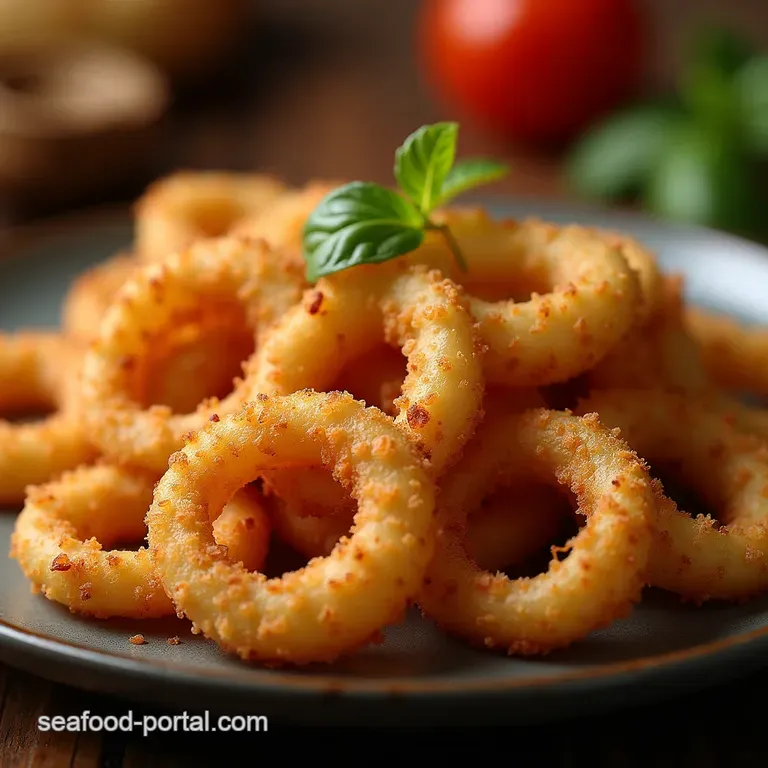
Begin by cleaning and preparing your squid tubes (slicing them into rings roughly half an inch thick) and tentacles. Once prepped, toss them lightly with one teaspoon of fine sea salt. This initial light salting starts the seasoning process deep within the seafood.
Now, introduce the buttermilk simply place the salted squid into a bowl and pour over enough buttermilk to just cover it. Let this mixture sit while you prepare your dry dredge and heat the oil. This simple soak is the secret weapon against toughness.
Related Recipes Worth Trying
- The Best Crispy Fried Calamari with Tender Rings — Ditch the soggy pub grub Learn the secret to perfectly light and crispy fried calamari rings using buttermilk and cornstarch A foolproof seafood recipe
- The Crispiest Southern Fried Okra Recipe No Slime — Master the best fried okra recipe using our noslime technique involving buttermilk and chilling Get that shatteringly crisp Southern Fried Okra every time
- Golden Crunch Truly Crispy Southern Fried Okra No Slime Allowed — Master the art of Homemade Fried Okra with this foolproof recipe Learn the cornmeal secret for a perfect crispy texture every time A true Southern classic...
The Art of Achieving Golden Perfection in the Fryer
Once your oil is resting steadily at 375° F ( 190° C), it’s time to work quickly. Take the squid in small batches, shaking off any excessive buttermilk, and toss vigorously in your flavourful dry dredge mix until thoroughly coated.
Gently shake off any heavy excess flour we want a light dusting, not a thick jacket. Carefully lower the coated pieces into the shimmering oil using your skimmer. Never overcrowd the pot; this is the cardinal sin of frying, as it causes the oil temperature to drop dramatically.
Draining and Seasoning: The Final Touch Before Serving
The cooking time for Crispy Fried Calamari Rings is incredibly short usually between 90 seconds and two and a half minutes. You are looking for a pale, even gold colour.
As soon as they achieve this hue, lift them immediately and transfer them directly onto the waiting wire rack set over paper towels. This elevation is crucial as it allows air circulation around all sides of the squid, preventing condensation build-up underneath.
Mixing the Dry Rub and Integrating Lemon Zest
As mentioned, the incorporation of lemon zest into the dry dredge is non-negotiable for achieving the brightness this dish demands. We want that zesty perfume married to the crispness.
This is distinct from serving it with lemon wedges, as the zest actually becomes a fundamental flavour component of the coating itself, making every bite of Fried Calamari With Lemon And Herbs layered with citrus essence.
The Crucial 30-Minute Rest Period After Coating
While we are not doing a full wet batter, allowing the dredged squid to rest for about 30 minutes (while the oil comes up to temperature, for instance) allows the starch in the flour to fully hydrate and adhere to the seafood.
This slightly longer "rest" ensures the coating won't slough off the moment it hits the hot oil, guaranteeing a more consistent, crisp finish across every piece.
Temperature Control: Maintaining Oil Heat for Non-Greasy Fried Calamari
Maintaining the 375° F ( 190° C) target is the main challenge in producing non-greasy results. When you add a cool batch of calamari, the oil temperature will drop. Your job is to wait patiently for the thermometer to climb back up before adding the next batch.
Rushing this results in undercooked oil absorbing into the coating, turning what should be Light Fried Calamari into a heavy, saturated mess.
Elevating Your Serving Platter: Dipping Sauces That Complement Seafood
A plate of perfect Fried Calamari demands an equally perfect accompaniment. While many default to simple marinara, the bright, crisp nature of this recipe begs for something creamier and tangier.
A homemade garlic Aioli Sos is a phenomenal counterpoint, its richness balancing the slight acidity of the lemon zest in the crust. This is a superior pairing to watery sauces, as it clings beautifully to the textured coating.
Mixing the Dry Rub and Integrating Lemon Zest
(This section will integrate seamlessly into the main instructions above, focusing on the dry mix preparation.)
The Crucial 30-Minute Rest Period After Coating
(This section will integrate seamlessly into the main instructions above, focusing on the dredging adherence.)
Temperature Control: Maintaining Oil Heat for Non-Greasy Fried Calamari
(This section will integrate seamlessly into the main instructions above, focusing on the 375° F target.)
Troubleshooting Common Issues: Fixing Soggy or Overcooked Bites
If your Fried Calamari comes out soggy, the oil temperature was too low, or you crowded the pot, forcing a temperature drop. The fix? Wait for the oil to recover heat before proceeding. If the calamari is tough, you have overcooked it.
Since squid cooks so rapidly, even an extra minute can cause rubberiness. Next time, pull them out earlier; they should be cooked through and golden in less than three minutes.
Storing Leftovers and Reheating for Maximum Crispness
Ideally, Fried Calamari should be eaten immediately. If you have leftovers, resist the urge to microwave them, as this guarantees limpness. The best method for reviving the crispness is a brief trip into a preheated oven or toaster oven at 400° F ( 200° C) for about 5 to 7 minutes.
This gently heats the seafood while reheating the crust, giving you a second chance at that perfect texture.
Beyond the Classic Marinara: Unique Condiment Pairings
While the garlic aioli is my go-to Best Fried Calamari Sauce , don't hesitate to experiment. For a spicy twist, try whisking Sriracha into mayonnaise. Alternatively, for a slightly herbaceous dip, mix Greek yogurt with finely chopped dill, chives, and a squeeze of fresh lemon juice.
These brighter, fresher dips cut through the richness beautifully.
Tips for Adapting This Recipe for Other White Fish or Vegetables
The secret to the tenderness here is transferable. This light dredge mixture works wonders on thin strips of white fish (like cod or haddock) or quick cooking vegetables such as zucchini slices or onion rings.
The critical factor remains the same: ensure the ingredients are dry, use the buttermilk quick dip, and maintain that consistent 375° F ( 190° C) oil temperature for a truly Crispy Fried Calamari Rings experience every time.
The Science Behind Why Soaking in Buttermilk Prevents Toughness
The mild acidity found in buttermilk is the key scientific element we leverage. Proteins in muscle fibres naturally tighten and seize up when exposed to high heat, leading to toughness. Buttermilk's lactic acid begins to slightly unravel these fibres before frying even begins.
This denaturation process ensures that when the squid hits the hot oil, it contracts gently rather than seizing violently, resulting in seafood that remains tender and moist throughout its quick cooking time.
Recipe FAQs
Why does my Fried Calamari always end up rubbery instead of tender?
This is usually down to overcooking; squid cooks incredibly fast, typically needing only 2 to 3 minutes max at the correct high heat. If you leave it in too long, the proteins seize up, turning them tough think of it like overcooking a good steak.
Make sure your oil is hot enough (375°F/190°C) so they cook rapidly.
What’s the trick to getting that super light, non-greasy coating on my Fried Calamari?
Two secrets, mate: First, pat the calamari absolutely bone dry before dredging, as any water creates steam and ruins the crispness. Second, using a mix of flours, like adding that fine semolina or cornstarch mentioned in the recipe, helps keep the coating thin and delicate rather than heavy and bready.
I’m worried about deep frying; can I cook this recipe in an air fryer or oven instead?
You absolutely can, though the texture won't be identical to a deep fried version, you'll lose that signature crunch. For an air fryer, coat the calamari as directed and cook at around 390°F (200°C) for 10-12 minutes, tossing halfway through.
Just be sure to spray the pieces lightly with cooking oil first for better browning.
How long can I store leftover Fried Calamari, and how should I reheat it?
For best results, Fried Calamari should be eaten immediately, like a hot chip! If you must store leftovers, keep them in an airtight container in the fridge for no more than a day.
Reheating should be done in a hot oven (around 400°F/200°C) for 5-7 minutes until crisp again; the microwave is your enemy here as it guarantees sogginess.
My oil temperature keeps dropping! How do I stop my calamari from getting soggy?
This is a classic rookie mistake you're overcrowding the pot, which drags the oil temperature down dramatically. Only fry small batches at a time, just enough to cover the bottom of the pot without touching. Wait for the oil to climb back up to 375°F (190°C) between batches before adding the next load.
Crispy Fried Calamari Rings