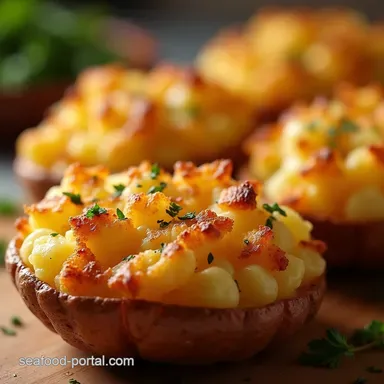
The Golden Flake Ultimate Crispy Oven Baked Potatoes
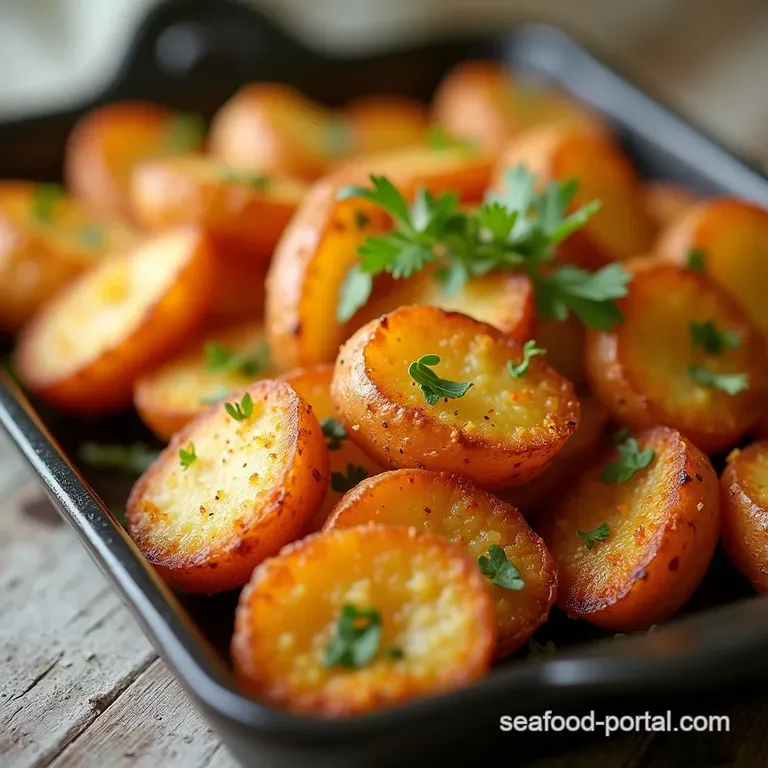
- The Quest for Cloud-Like Fluff: Why This Oven Baked Potatoes Recipe Succeeds
- Beyond the Boil: Mastering the Science of the Perfect Spud
- The Essential Toolkit: Components for Stellar Oven Baked Potatoes
- The Precise Method: Step-by-Step Guide to Baking Perfection
- Elevating Your Meal: Creative Topping Configurations
- Troubleshooting and Long-Term Potato Storage Strategies
- Recipe FAQs
- 📝 Recipe Card
The Quest for Cloud Like Fluff: Why This Oven Baked Potatoes Recipe Succeeds
There’s nothing quite like a magnificent baked potato the king of comfort food! This recipe focuses purely on achieving that sublime texture contrast: a shatteringly crisp, salty skin giving way to a light, floury interior.
Perfect as a hearty side dish or the foundation for a magnificent lunch piled high with your favourite toppings. It’s simple, honest cooking, done right. The difficulty level here is decidedly easy; the technique is straightforward wash, prick, oil, bake.
The magic lies not in complex steps, but in understanding a few critical details that elevate a mere cooked potato into a truly spectacular centerpiece. We are aiming for the Perfect Oven Baked Potatoes every single time.
Beyond the Boil: Mastering the Science of the Perfect Spud
Many home cooks attempt to rush the process or resort to softening their potatoes beforehand, usually by boiling or microwaving. This is a cardinal sin when seeking true textural excellence.
Boiling introduces moisture deep into the starch cells, guaranteeing a dense, heavy interior rather than the airy, Fluffy Baked Potatoes we crave. The beauty of properly Making Baked Potatoes using dry heat lies in concentrating the starches while simultaneously driving moisture out of the skin.
We use a high heat to rapidly convert the internal moisture into steam, which separates the starch granules, resulting in that desirable light texture.
Setting the Standard: Achieving Maximum Exterior Crispness
To achieve that signature crackle, we must treat the exterior surface with respect. This means ensuring maximum heat transfer across the skin. The ideal temperature for this process is a searing 425° F ( 220° C) .
Anything lower and you risk steaming the potato before the crust can form. On top of that,, we rely on fat specifically olive or avocado oil to act as a conductor, helping the salt adhere and allowing the direct heat of the oven to render the skin beautifully dry and bronze.
Your Blueprint for Comfort Food Royalty
For those seeking the Best Oven Baked Potatoes , remember the target yield is four generous servings, roughly using Russet or Maris Piper varieties weighing 10 to 12 ounces each.
The active preparation time is minimal only about 10 minutes of scrubbing, oiling, and piercing but the total commitment is around 80 minutes in the oven, depending on your specific oven calibration.
This time investment is non-negotiable for the textural payoff.
Why We Are Ditching the Foil Wrap Forever
A common kitchen mistake is wrapping potatoes in aluminum foil. While this speeds up cooking slightly, it traps steam, essentially steaming the potato in its own juices. This guarantees a soft, pliable skin the exact opposite of our goal.
To achieve true Crispy Skin Baked Potatoes , the air must flow freely around the entire surface. This is why we employ a rack. Oven Baked Potatoes No Foil is the only way to guarantee that shatteringly crisp exterior.
The Essential Toolkit: Components for Stellar Oven Baked Potatoes

Creating a truly memorable potato requires attention to the few ingredients we utilize. Since the technique is so simple, the quality of the components truly shines through. We focus on starchy varieties, high-quality oil, and liberal seasoning.
Selecting Your Starch: Choosing the Right Potato Variety
Starch content is everything here. You need high starch, low-moisture potatoes. Russets (often called Idaho potatoes in the US) are the gold standard because their thick skin helps contain the starches as they expand. Maris Piper or King Edwards are excellent European equivalents.
Avoid waxy potatoes like Yukon Golds or red varieties, as they hold too much moisture and will yield creamy mash rather than the required airy fluff.
Required Tools for Optimal Heat Distribution
The key piece of equipment, beyond your oven, is the setup on the tray. We use a sturdy baking sheet topped with a wire rack . This elevates the potato, allowing 360-degree exposure to the dry, hot air.
If you don't have a rack, you can attempt to place the potatoes directly on coarse sea salt spread across the tray, but the rack provides superior air circulation for the Oven Baked Potatoes Time and Temp to work effectively.
The Minimalist Ingredient List (And Why Less is More)
Our core ingredients are straightforward: 4 large Russet potatoes, 2 tablespoons of olive or avocado oil, and about 1 ½ teaspoons of coarse sea salt. Black pepper is optional but adds a nice aromatic counterpoint to the earthy potato flavour.
The lack of extraneous liquids or softeners ensures we maintain the integrity of the skin structure during the bake.
Salt Matters: Achieving That Signature Skin Seasoning
The salt is not merely a flavour enhancer; it’s a textural component. We use coarse sea salt . When tossed with the oil, these larger crystals create a slightly abrasive surface that helps draw moisture from the skin during the baking process, contributing immensely to the crispiness.
Be generous; much of this salt will evaporate or be too coarse to eat, leaving behind perfectly seasoned, brittle skin.
Related Recipes Worth Trying
- Easy LemonHerb Baked Salmon Flaky Perfection in 30 Mins — Master the best baked salmon recipe This easy baked salmon at 400 F delivers incredibly flaky results every time Ready for Tuesday tea
- The Best CrispySkin Loaded Baked Potato Recipe — Stop serving sad spuds This Loaded Baked Potato Recipe guarantees a dramatically crisp skin and fluffy inside piled high with bacon cheese
- The Best Baked Creamy Crab Rangoon Dip Recipe Easy Appetizer — Forget the wrappers This Creamy Crab Rangoon Dip Recipe captures all that flavour in a hot bubbly bake Its the best Crab Rangoon Dip youll ever make
The Precise Method: step-by-step Guide to Baking Perfection
Follow these steps meticulously, and you will unlock the secrets to ideal baking. The entire cooking process centers around managing moisture and temperature contrast.
Maximizing Heat Transfer: Preparing the Potato Surface
Before anything goes into the oven, the surface preparation must be flawless. This stage dictates the final texture achieved by this Oven Baked Potatoes Recipe .
Prepping the Spuds: Scrubbing, Pricking, and Drying Techniques
First, the potatoes must be scrubbed vigorously under cold running water using a sturdy brush until all soil residue is gone. Crucially, you must then pat them completely dry with a clean towel. Any residual water clinging to the skin will turn to steam and sabotage your crisping efforts.
Next, take a sturdy fork or skewer and pierce each potato deeply 6 to 8 times around its circumference. This allows internal steam to escape safely, preventing explosions and ensuring the interior puffs up properly.
The Crucial Oil Application and Initial Seasoning Stage
Drizzle the dried, pricked potatoes lightly with the olive oil you want a complete, thin coating, rubbing it over every crevice. Immediately follow this by sprinkling generously with the coarse sea salt and a grind of black pepper. Ensure the salt adheres well; this is what forms the ultimate crust.
Baking Duration and Temperature Secrets for Tender Interiors
Place the seasoned potatoes directly onto your prepared wire rack set over a baking sheet. Slide them into the preheated 425° F ( 220° C) oven. Bake for an initial 45 minutes.
This high heat starts the drying process on the outside while beginning the conversion of starch to fluff inside.
The Final Fluff: How to Open and Aerate Your Cooked Potatoes
After the first 45 minutes, carefully remove the potatoes using oven mitts. Gently squeeze the sides of each hot potato. You should feel the interior flesh starting to yield and pull away from the skin.
This action, known as "the fluffing," is vital as it creates air pockets, ensuring maximum fluffiness. Return the slightly compressed potatoes to the oven for an additional 15 to 30 minutes.
The total Oven Baked Potatoes Time and Temp should result in a skin that is dark golden brown and very firm to the touch. A skewer inserted into the largest potato should meet no resistance whatsoever.
Elevating Your Meal: Creative Topping Configurations
Once baked, the potato must be served immediately. Slice it lengthwise down the middle, taking care not to pierce the bottom skin. Gently use your fingers to push the ends slightly inward, making the center rise up like a boat ready for filling. Fluff the interior flesh with a fork before adding anything else.
Beyond Butter: Unexpected Savory Additions
While classic butter and sour cream are always welcome, consider branching out for exciting Baked Potato Side Dishes . Try mixing the interior flesh with creamy goat cheese, caramelized onions, and fresh thyme before spooning it back into the skin.
For a spicier kick, mix in some kimchi or a smoky chipotle sauce instead of sour cream. A truly decadent option involves topping the potato with slow cooked pulled pork tossed in a light BBQ glaze.
Troubleshooting and Long Term Potato Storage Strategies
Even with the best intentions, sometimes issues arise. Knowing how to correct them or store leftovers saves time later.
Storing Leftover Oven Baked Potatoes for Future Meals
If you have leftovers (unlikely, given how good they are!), let them cool completely. Store the whole, unsliced potatoes in an airtight container in the refrigerator for up to four days.
To reheat and restore crispness, place them directly back into a 400° F ( 200° C) oven for 10– 15 minutes until hot throughout. Reheating in a microwave will negate all your hard work on the skin!
The Role of Turmeric in Complementary Side Dishes (A Quick Digression)
While not directly involved in the potato itself, when serving Baked Potato Side Dishes like a simple side salad or yogurt dip, consider adding a pinch of turmeric.
It imparts a beautiful, sunny colour and subtle earthy warmth that complements the savory richness of the potato beautifully without altering the core flavour profile.
FAQs on Achieving Faster Baking Times
Q: Can I make Oven Baked Potatoes faster than 60 minutes? A: You can try reducing the baking time by lowering the temperature slightly to 400° F ( 200° C) and baking for 75- 90 minutes, but dropping the temperature too low risks the skin steaming.
If you must hurry, microwave the potatoes for 4- 5 minutes before oiling and baking. However, this sacrifices some of that signature fluffiness.
Q: My skins didn’t get crispy; what went wrong? A: The two most common errors are insufficient drying before oiling or wrapping the potatoes in foil. If you used the rack and oil correctly, it means the temperature wasn't high enough to drive off all the remaining internal moisture efficiently.
Recipe FAQs
How can I make sure my Oven Baked Potatoes have really crispy skins?
The secret to a shatteringly crisp skin is dryness and high heat! Make sure you scrub your spuds clean and pat them bone dry before oiling. Then, use plenty of coarse sea salt and bake them on a wire rack so air can circulate all around them.
My potatoes always end up a bit dense inside; what’s the trick for a fluffy middle?
That fluffiness comes from steam, and you release it mid-bake! After the first 45 minutes, carefully take them out and give each one a gentle squeeze to split the skin slightly. This encourages the flesh to separate, letting the steam escape and creating those lovely fluffy pockets. Don't skip the squeeze!
Can I prepare these Oven Baked Potatoes ahead of time, or do they store well?
They are best eaten fresh, but if you must make them ahead, wrap the fully cooked potatoes tightly in foil and keep them in the fridge for up to three days. To reheat, place them back in a hot oven (around 375°F or 190°C) for about 15 minutes until piping hot through.
What is the best type of potato to use for this method?
You want a floury, starchy potato think Russet or Maris Piper if you can find them. These varieties break down nicely when cooked, giving you that beautiful, light, floury interior. Waxy potatoes, like new potatoes, tend to remain firm and aren't suitable for achieving this classic baked texture.
Do I really need to prick the potatoes before baking, and why?
Absolutely, yes! Pricking the skin 6 to 8 times with a fork or skewer is vital for safety and texture. It allows steam built up inside the potato to escape slowly during cooking; otherwise, the pressure could build up, which isn't ideal!
I’m watching my salt intake; can I reduce the salt on the skin of the Oven Baked Potatoes?
You can certainly reduce the salt used before baking, but remember that salt helps draw out moisture for crispness. For a healthier alternative, bake them as described, and then sprinkle with a high-quality, flaky finishing salt after they are cut open.
This way, you get the flavour hit without excessive overall sodium.
Ultimate Crispy Oven Potatoes