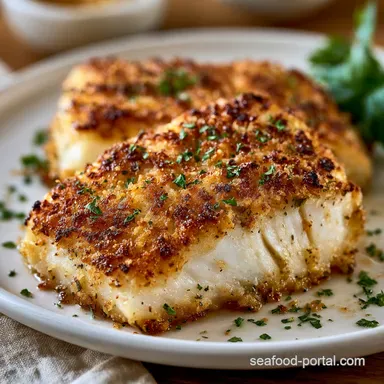
Crispy Baked Haddock: Golden and Buttery
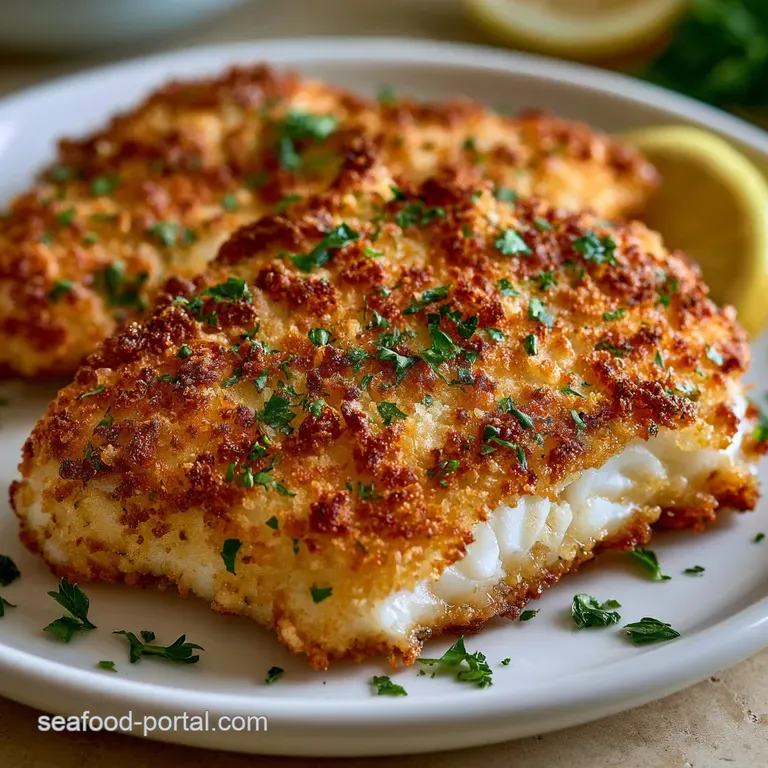
- Time:10 minutes active + 15 minutes baking = Total 25 minutes
- Flavor/Texture Hook: Mahogany colored crust with a buttery, lemony finish
- Perfect for: Quick weeknight dinners or a healthier alternative to fish and chips
- The Ultimate Crispy Baked Haddock Recipe
- How The Crust Stays Crunchy
- Analyzing The Ingredient Roles
- Gathering Your Shopping List
- Essential Tools For Success
- Step By Step Cooking Guide
- Fixing Common Texture Issues
- Adjusting The Serving Size
- Busting Common Fish Myths
- Storage and Waste Tips
- Perfect Side Dish Ideas
- Recipe FAQs
- 📝 Recipe Card
The Ultimate Crispy Baked Haddock Recipe
That first bite is where the magic happens. You hear this distinct, audible crack as your fork breaks through the golden crust, and then you hit that steaming, snowy white fish that just flakes away.
The smell of toasted parmesan and lemon zest fills the kitchen, and it honestly reminds me of those coastal seaside spots, but without the grease soaking through a newspaper wrapper.
I'll be honest, I used to be terrified of baking fish. I once tried a "healthy" version that was basically just steamed fish in a foil packet, and it was bland and mushy. I wanted that fry shop crunch but didn't want my entire kitchen to smell like a commercial deep fryer for three days.
That's why I spent a lot of time playing with different breadcrumbs and temperatures until I found this specific balance.
This Crispy Baked Haddock Recipe is all about the contrast. We're pairing a rich, savory topping with the clean, mild taste of haddock. It's a straightforward process, but there are a few little tricks with the coating that make a huge difference in whether your crust stays attached or slides off like a wet blanket.
How The Crust Stays Crunchy
Fat Integration: Mixing melted butter directly into the panko ensures every crumb is coated in fat, which allows them to brown in the oven without needing to be submerged in oil.
The Moisture Barrier: Dredging in flour first absorbs surface moisture from the fish, creating a dry "anchor" for the egg wash to grip.
Over High heat Blast: Baking at 425°F (218°C) shocks the exterior, setting the crust quickly before the fish overcooks and releases too many juices.
Cheese Reinforcement: The parmesan doesn't just add a salty kick, it acts as a binding agent that fuses the panko together into a solid, crispy shell.
| Method | Time | Texture | Best For |
|---|---|---|---|
| Oven Baked | 25 minutes | Consistent, light crunch | Healthy weeknights |
| pan fried | 15 minutes | Heavy, oily crunch | Indulgent treats |
| Deep Fried | 20 minutes | Shattering, thick crust | Traditional fish & chips |
Analyzing The Ingredient Roles
| Ingredient | Science Role | Pro Secret |
|---|---|---|
| Panko Breadcrumbs | Structural Crunch | Use these over regular crumbs for larger air pockets |
| All Purpose Flour | Moisture Buffer | Season the flour, not just the fish, for deeper flavor |
| Parmesan Cheese | Flavor/Binding | Use finely grated "powder" style for better adhesion |
| Melted Butter | Browning Agent | Adds a nutty aroma that mimics deep frying |
Gathering Your Shopping List
For this Crispy Baked Haddock Recipe, you'll want fresh, high-quality fillets. Haddock is great because it's slightly sweeter than cod and holds up well to high heat.
- 1.5 lbs (680g) haddock fillets Why this? Mild flavor and firm texture
- 1 cup (60g) panko breadcrumbs Why this? Coarser grain for better crunch
- 1/2 cup (50g) grated parmesan cheese Why this? Adds salt and golden color
- 2 large (100g) eggs, beaten Why this? Essential glue for the coating
- 4 tbsp (57g) unsalted butter, melted Why this? Conducts heat for browning
- 1/2 cup (65g) all purpose flour Why this? Prevents the coating from slipping
- 1 tsp (2g) lemon zest Why this? Cuts through the richness of butter
- 1/2 tsp (1g) garlic powder Why this? Adds a savory, aromatic base
- 1/2 tsp (3g) salt Why this? Enhances the natural fish flavor
- 1/4 tsp (1g) black pepper Why this? Subtle warmth
If you're out of panko, crushed cornflakes work in a pinch, though they make the dish sweeter. For a dairy-free version, you can swap the butter for melted coconut oil, which according to Serious Eats, can provide a similar fat profile for browning.
Essential Tools For Success
You don't need a professional kitchen for this, but a few basics make it smoother. I use three shallow bowls to set up a "production line" so I'm not touching the raw fish and then touching the crumbs. A parchment lined baking sheet is non negotiable.
Without it, the parmesan can stick to the pan, and you'll end up ripping the crust off when you try to serve it.
If you have a wire rack that fits inside your baking sheet, use it. This allows hot air to circulate under the fish, meaning you don't have to flip the fillets, and the bottom stays just as crisp as the top. Otherwise, just stick to parchment.
Step by step Cooking Guide
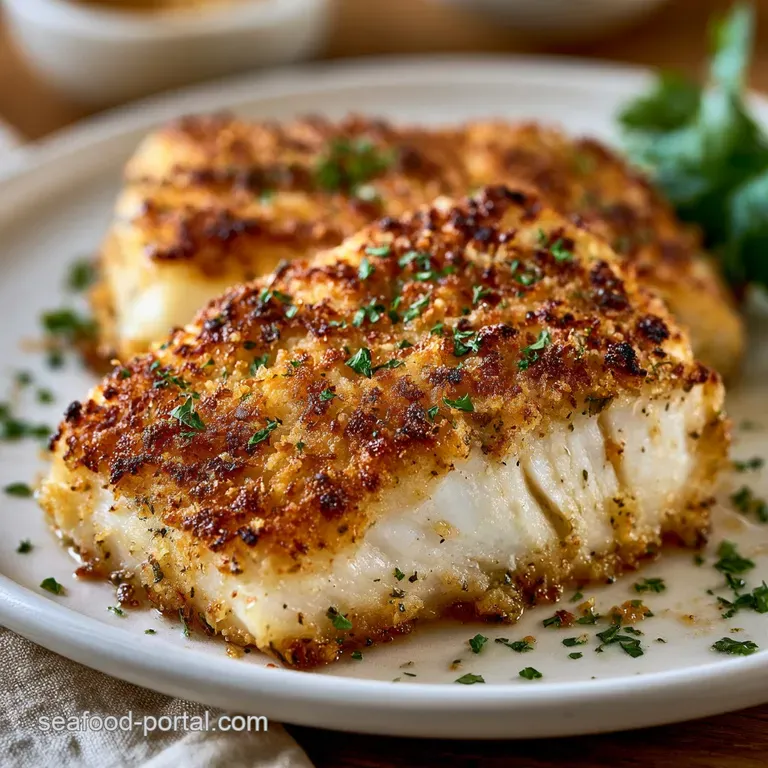
Phase 1: The Coating Station
Set up three shallow bowls. In the first, whisk the flour, salt, and pepper. In the second, beat the eggs until smooth. In the third, combine the panko, parmesan, lemon zest, and garlic powder, then stir in the melted butter until the crumbs are evenly moistened.
Note: Mixing butter into the crumbs is the secret to that golden look.
Phase 2: The Breaded Build
Pat the haddock fillets completely dry with paper towels. This is the most important step. If the fish is damp, the flour will turn into a paste and the crust will slide right off.
Dredge each fillet in the flour, shaking off any excess so there's only a thin veil. Dip it into the egg wash, letting the excess drip off. Finally, press the fillet firmly into the panko parmesan mixture. Don't just toss it in- actually push the crumbs into the fish with your palms to ensure a thick, even layer.
Phase 3: The over High heat Bake
Preheat your oven to 425°F (218°C). Place the coated fillets on your parchment lined sheet. Bake for 12–15 minutes until the crust is mahogany colored and the fish flakes easily with a fork.
Chef's Tip: Resist the urge to peek every 2 minutes. Opening the oven drops the temperature and can lead to a soggier crust. Trust the timer.
If you're looking for other ways to prepare white fish, my baked pollock guide uses a similar over high heat approach but with different seasoning.
Fixing Common Texture Issues
Even with a great Crispy Baked Haddock Recipe, things can go sideways. The most common issue is the "slip," where the breading separates from the fish. This usually happens because the fish was too wet or the flour layer was too thick.
Another headache is the "soggy bottom." This occurs when the fish releases moisture into the pan, and the bottom of the fillet essentially steams instead of bakes. Using a wire rack or flipping the fish halfway through (though risky for the crust) can help.
Why Your Crust Is Slipping
If the coating comes off in one piece, you likely skipped the drying step or didn't press the crumbs in firmly enough.
| Problem | Root Cause | Solution |
|---|---|---|
| Coating slides off | Fish was too damp | Pat fillets bone dry with paper towels |
| Pale, white crust | Oven temp too low | Ensure oven is preheated to 425°F |
| Mushy interior | Undercooked | Bake until fish reaches 145°F internally |
Common Mistakes Checklist
- ✓ Patting fish dry before flouring
- ✓ Pressing crumbs firmly into the meat
- ✓ Using panko instead of fine breadcrumbs
- ✓ Ensuring the oven is fully preheated
- ✓ Avoiding overcrowding on the baking sheet
Adjusting The Serving Size
If you're just cooking for one or two, you can easily halve this. Just beat one egg in a bowl and use half of it. I find that when scaling down, the baking time usually drops by about 20%, so start checking your fish at the 10 minute mark.
When doubling the recipe for a crowd, don't just put more fish on one tray. If the fillets are touching, they'll steam each other, and you'll lose that crispiness. Use two separate baking sheets and rotate them halfway through the bake.
For the seasoning, I usually only increase the salt and garlic powder by 1.5x rather than a full 2x. Spices can become overwhelming when scaled up linearly. If you're doing a massive batch, I'd recommend breading the fish in batches to keep the egg wash from getting too diluted with flour.
Busting Common Fish Myths
Myth: You must fry fish to get a crunch. Not true. As we've seen with this Crispy Baked Haddock Recipe, combining a high temperature with pre fattened breadcrumbs creates a texture that's nearly identical to frying but with far less oil.
Myth: Frozen fish is lower quality. Actually, many "fresh" fillets at the store were frozen at sea immediately after being caught. As long as you thaw them completely in the fridge and pat them very dry, the result is the same.
Myth: Searing the fish first helps it stay moist. Searing is great for flavor, but for a breaded dish, it often just burns the crumbs before the inside is cooked. over High heat baking is more efficient for this specific style.
Storage and Waste Tips
If you have leftovers, store them in an airtight container in the fridge for up to 2 days. Be warned: the crust will soften. To get the crunch back, don't use a microwave. Instead, pop them in a toaster oven or air fryer at 350°F (175°C) for about 5 minutes.
As for zero waste, don't toss those egg wash leftovers. If you have a bit of egg and flour mixture left, you can whisk in a pinch of baking powder and a splash of milk to make a quick savory pancake.
Also, any leftover panko parmesan mix can be toasted in a pan and used as a crunchy topping for steamed broccoli or pasta.
If you love this kind of crunch, you might also enjoy my crispy homemade fish and chips for a more traditional feast.
Perfect Side Dish Ideas
Since this fish is rich and buttery, you need something bright and acidic to balance it out. A simple squeeze of fresh lemon is a must, but a side of garlicky sautéed spinach or roasted asparagus works brilliantly.
For a heartier meal, I love pairing this with a zesty coleslaw or a light quinoa salad. The contrast between the warm, crispy fish and a cold, tangy salad is a winner every time. If you want something more comforting, some smashed baby potatoes with parsley and sea salt hit the spot.
Just remember to keep the sides relatively light. You don't want to overshadow the delicate flavor of the haddock with something too heavy or creamy. A simple side of steamed peas with mint is a classic for a reason- it's clean, fresh, and lets the Crispy Baked Haddock Recipe be the star of the show.
Recipe FAQs
How to bake crispy haddock?
Dredge in flour, dip in egg, and coat with the panko parmesan mixture. Bake at 425°F (218°C) for 12 15 minutes on a parchment lined sheet until mahogany colored.
How to ensure the crust stays crunchy?
Pat the haddock fillets completely dry with paper towels before breading. Excess moisture creates steam in the oven, which prevents the panko and butter from crisping.
Do I need to wrap the fish in parchment paper packets to keep it moist?
No, this is a common misconception. Wrapping the fish in packets steams the fillet, which would make the breaded crust soggy instead of crispy.
How to prevent the breading from falling off during baking?
Press the panko parmesan mixture firmly into the fillets. This ensures the crumbs adhere securely to the egg wash and stay intact while the fish cooks.
Can I use other white fish instead of haddock?
Yes, any firm white fish works well. If you enjoy this coating method, you can apply the same technique to the fish in our lemon herb recipe for a different flavor profile.
How to reheat leftovers without losing the crunch?
Heat in a toaster oven or air fryer at 350°F (175°C) for about 5 minutes. Do not use a microwave, as it will soften the parmesan crust.
What goes well with baked fish?
Pair with light, acidic sides like a fresh citrus salad or steamed green beans. These bright flavors balance the richness of the butter and parmesan.
Crispy Baked Haddock Recipe