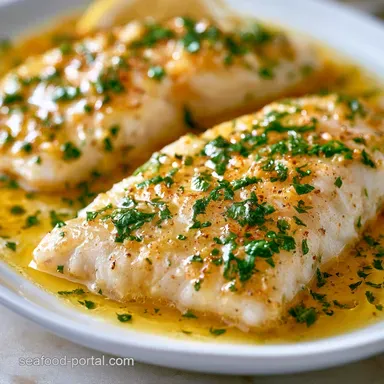
Baked Lemon Butter Haddock in Foil: Silky and Garlic-Infused

- Time: 10 min active + 15 min cook = Total 27 mins
- Flavor/Texture Hook: Velvety, garlic infused fillets with a bright, citrusy punch
- Perfect for: A low stress weeknight dinner that feels fancy but takes zero effort
- Baked LemonButter Haddock in Foil
- The Secrets to Steam Baked Fish
- Component Analysis
- Everything You'll Need
- The Right Gear
- Step by Step Guide
- Avoiding Common Fish Mistakes
- Troubleshooting Common Issues
- Adjusting the Batch Size
- Truths About Oven Baking
- Storage Guidelines
- Best Sides and Presentation
- Recipe FAQs
- 📝 Recipe Card
Baked LemonButter Haddock in Foil
The second you peel back that foil, a cloud of garlic lemon steam hits you right in the face. It's that specific, mouth watering aroma of butter melting into white fish that tells you dinner is actually going to be good. I remember the first time I tried baking haddock without the foil, and I completely overdid it.
I left it in for five minutes too long, and the fillets turned into something resembling a rubber pencil eraser. I almost gave up on oven baked fish entirely.
Then I tried the pouch method. By sealing everything inside, the fish doesn't just bake, it practically poaches in a bath of lemon butter. It changed everything for me. Now, this is my go to when I want something that tastes like a seaside bistro but I only have about half an hour before I'm starving.
You get this tender, flaky result every single time, and the best part is that you don't have to scrub a single pan afterward.
This Baked LemonButter Haddock in Foil is all about layering. We start with a bit of oil to keep things from sticking, then the seasoning, then a rich butter sauce, and finally fresh lemon slices to protect the fish from the direct heat.
It's a simple process, but the result is a velvety piece of seafood that just slides apart with a fork. Trust me on this, once you start using foil packets, you'll never go back to open tray baking.
The Secrets to Steam Baked Fish
I used to think that the foil was just for cleanup, but it's actually doing a lot of the heavy lifting here. When you seal the packet, you're creating a closed environment where the moisture from the fish and the lemon juice has nowhere to go. This creates a gentle steam that cooks the haddock evenly from all sides.
- The Moisture Trap
- The foil prevents evaporation, which keeps the fillets from getting that tough, dry exterior.
- Butter Basting
- As the butter melts, it mixes with the fish juices and lemon, creating a natural sauce that bastes the fillet while it cooks.
- Acid Tenderizing
- The lemon juice begins breaking down the protein fibers the moment it hits the fish, ensuring a silky finish.
- Aromatic Infusion
- Because the pouch is sealed, the garlic and parsley scents are forced into the meat rather than escaping into the oven.
| Method | Time | Texture | Best For |
|---|---|---|---|
| Foil Pouch | 15 mins | Velvety & Juicy | Weeknights |
| Open Tray | 20 mins | Firm & Browned | Toasted toppings |
| Pan Sear | 8 mins | Crispy Edges | Quick lunches |
Right then, let's look at what's actually happening with the ingredients. It's not just about taste; each part has a job to do to make sure the fish doesn't end up rubbery.
Component Analysis
| Ingredient | Science Role | Pro Secret |
|---|---|---|
| Unsalted Butter | Flavor Carrier | Use melted butter for instant saturation |
| Fresh Lemon | pH Balancer | Slice thinly to create a heat shield |
| Garlic | Aromatic Base | Mince finely to avoid bitter chunks |
| Olive Oil | Surface Barrier | Prevents the foil from gripping the skin |
Everything You'll Need
I've found that using fresh lemon is non negotiable here. The bottled stuff has a metallic aftertaste that ruins the delicate flavor of the haddock. Also, don't be afraid of the butter. Since we aren't breading this fish, the butter is what gives it that rich, luxurious mouthfeel.
- 4 haddock fillets, approx. 1.5 lb (680g) Why this? Mild flavor and holds shape well in steam
- 1/2 tsp (3g) salt
- 1/4 tsp (1g) black pepper
- 4 tbsp (57g) unsalted butter, melted Why this? Adds richness and carries the garlic flavor
- 2 tbsp (30ml) fresh lemon juice Why this? Brightens the dish and tenderizes protein
- 2 cloves (6g) garlic, minced
- 1 tbsp (4g) fresh parsley, finely chopped
- 1 lemon, thinly sliced into rounds Why this? Infuses flavor and prevents overcooking
- 1 tbsp (15ml) olive oil
| Original Ingredient | Substitute | Why It Works |
|---|---|---|
| Unsalted Butter | Ghee (4 tbsp) | Similar fat content. Note: Higher smoke point, slightly nuttier flavor |
| Fresh Parsley | Fresh Dill (1 tbsp) | Classic pairing. Note: Changes flavor profile to more "Nordic" |
| Haddock Fillets | Cod Fillets | Very similar texture. Note: Cod is slightly flakier but less sweet |
| Fresh Lemon Juice | Lime Juice | Similar acidity. Note: Adds a zestier, tropical tang |
If you're looking for a different way to handle white fish, you might like my baked white fish guide, which uses a slightly different oven approach. But for this specific recipe, we're sticking to the pouch.
The Right Gear
You don't need a fancy kitchen for this, but a few specific things make it easier. Heavy duty aluminum foil is a must. The cheap, thin stuff tends to rip when you're pinching the edges shut, and if the steam escapes, the fish dries out.
I also suggest using a rimmed baking sheet. If a pouch accidentally leaks, you don't want lemon butter dripping all over the bottom of your oven. It's a nightmare to clean. A small whisk or even a fork works for the sauce, and a sharp knife for those lemon slices.
Step by step Guide
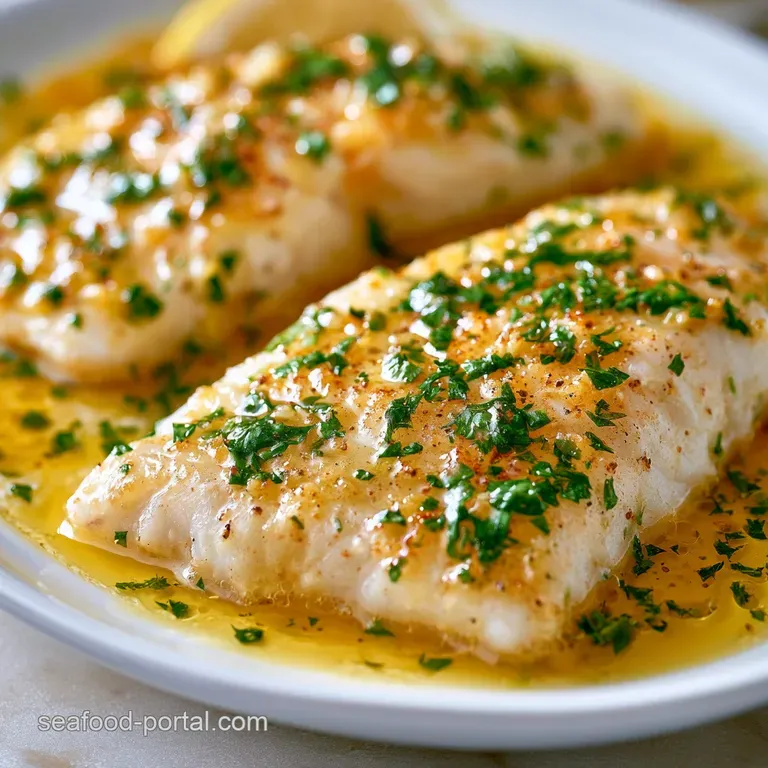
Let's crack on with the cooking. Make sure your fillets are patted dry with a paper towel first. If they're too wet, the butter sauce will just slide off instead of clinging to the fish.
Phase 1: Prepping the Packets
- Preheat your oven to 400°F (200°C). Note: This high heat creates the steam quickly
- Tear four large squares of aluminum foil and lightly brush the center of each square with olive oil. Note: This stops the fish from sticking to the foil
- Place one haddock fillet in the center of each foil sheet and season evenly with salt and pepper.
Phase 2: The Flavor Infusion
- In a small bowl, whisk together the melted butter, lemon juice, minced garlic, and parsley.
- Drizzle the butter mixture generously over each fillet. Note: Make sure the edges are covered
- Top each piece of fish with 2-3 lemon slices. Note: These act as a protective layer
Phase 3: The Precision Bake
- Fold the sides of the foil up and pinch them tightly to create a sealed pouch. Place the packets on a rimmed baking sheet.
- Bake for 12-15 minutes until the fish is opaque throughout and flakes easily with a fork.
- Let the packets rest for 2 minutes before opening to allow the juices to redistribute.
According to foodsafety.gov, fish should be cooked to an internal temperature of 145°F to be safe. If you have a meat thermometer, just poke it through the foil into the thickest part of the fillet.
Avoiding Common Fish Mistakes
The biggest issue people have with Baked LemonButter Haddock in Foil is timing. Fish goes from "perfect" to "rubber" in about 120 seconds. If your fillets are very thin, lean toward the 12 minute mark. If they're thick loins, you might need the full 15 minutes.
Troubleshooting Common Issues
| Issue | Solution |
|---|---|
| Why Your Fish Is Rubber | This usually happens because the foil wasn't sealed tightly enough. If the steam escapes, the fish is essentially just roasting in dry heat, which sucks the moisture out. Ensure your pinch at the top |
| Why Your Fillets Are Soggy | If you add too much extra liquid or use frozen fish that wasn't fully thawed, you'll end up with a puddle of water. This dilutes the butter sauce and prevents the fish from getting that clean, flaky t |
| Why The Sauce Is Bland | Under seasoning the fish before adding the butter is a common mistake. The salt needs to penetrate the meat, not just sit in the sauce. Always season the fillets directly before drizzling. |
Common Mistakes Checklist
- ✓ Patted fillets dry before seasoning
- ✓ Foil pouches sealed tightly with no gaps
- ✓ Used fresh lemon juice instead of bottled
- ✓ Checked for opacity before removing from oven
- ✓ Allowed 2 minutes of resting time
Adjusting the Batch Size
If you're just cooking for yourself, halving this is easy. Use two fillets and cut the butter and lemon in half. I'd suggest reducing the bake time by about 20% if you're using smaller portions, as the oven recovers heat faster with fewer packets.
For a crowd, you can double or triple the recipe, but don't crowd the baking sheet. If the pouches are touching too tightly, the air can't circulate, and the ones in the middle will take longer to cook. Work in batches if you have to.
If you're doubling the butter sauce, I only increase the garlic to 3 cloves instead of 4, as too much garlic can overpower the delicate haddock.
Truths About Oven Baking
There's a common idea that searing fish first "seals in the juices." Honestly, that's a myth. Searing creates flavor and color, but it doesn't actually create a waterproof seal. Moisture loss happens regardless of how you start.
In this recipe, we skip the sear because the foil pouch handles the moisture retention much more effectively.
Another misconception is that all white fish are interchangeable. While you can use cod or tilapia, haddock has a slightly different flake and a sweeter profile. Using a very thin fish like sole in this recipe would be a mistake, as it would overcook in under 10 minutes.
Storage Guidelines
Once you've finished your meal, store any leftovers in an airtight container in the fridge for up to 2 days. Fish doesn't keep forever, and the texture will change slightly as it sits in the lemon butter.
For reheating, avoid the microwave if you can. It tends to make fish rubbery. Instead, put the fillet back in a small piece of foil with a tiny knob of extra butter and warm it in a 300°F oven for about 5-8 minutes. If you're looking for a different way to prep fish for the week, you might enjoy a pan seared tilapia for a quicker lunch option.
To avoid waste, don't toss those leftover lemon rinds. You can zest them and freeze the zest in a small jar for future baking or pasta dishes. Even the leftover butter sauce from the foil pouch can be poured over steamed asparagus or quinoa.
Best Sides and Presentation
To make this a full meal, I love pairing it with something that can soak up that extra lemon butter. A bed of fluffy jasmine rice or some roasted baby potatoes is brilliant. For something lighter, steamed snap peas or sautéed spinach provide a nice color contrast to the white fish.
When serving, I usually slide the fillet out of the foil and onto a warm plate, then pour the remaining sauce from the pouch right over the top. Garnish with a bit more fresh parsley for that pop of green. It looks sophisticated, but we both know it took almost no effort. Enjoy it while it's hot and silky!
Recipe FAQs
How long to cook haddock in the oven in foil?
Bake for 12-15 minutes at 400°F (200°C). The fillets are ready once they are opaque throughout and flake easily with a fork.
Do you cover fish with foil when baking in the oven?
Yes, seal it in a tight pouch. This traps the steam inside, which keeps the fish moist and prevents the butter sauce from evaporating.
Can you bake fish in foil with lemon?
Yes, it is a classic pairing. Using both fresh lemon juice in the butter and slices on top provides the acidity needed to balance the richness of the butter.
How to cook fish in parchment paper?
Fold the paper into a sealed packet similar to the foil method. If you mastered the steam locking technique here, see how the same principle works in our baked pollock recipe.
What goes well with baked fish?
Pair it with light, fresh sides. Steamed asparagus, quinoa, or a crisp green salad complement the lemon butter sauce without overpowering the fish.
Why did my baked haddock turn out rubbery?
The foil pouch was likely not sealed tightly. If steam escapes during baking, the fish roasts in dry heat, which sucks the moisture out of the fillet.
Can I use other white fish instead of haddock?
Yes, cod or pollock are excellent substitutes. These mild white fish have a similar texture and cook within the same time frame.
Baked Lemon Butter Haddock