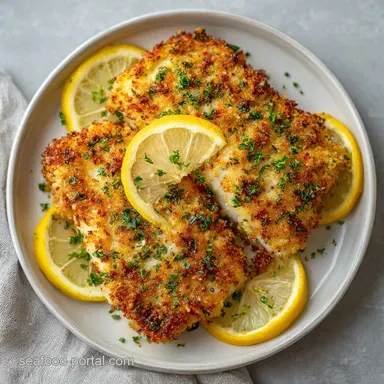
Parmesan Baked Haddock with Lemon: Golden and Crispy
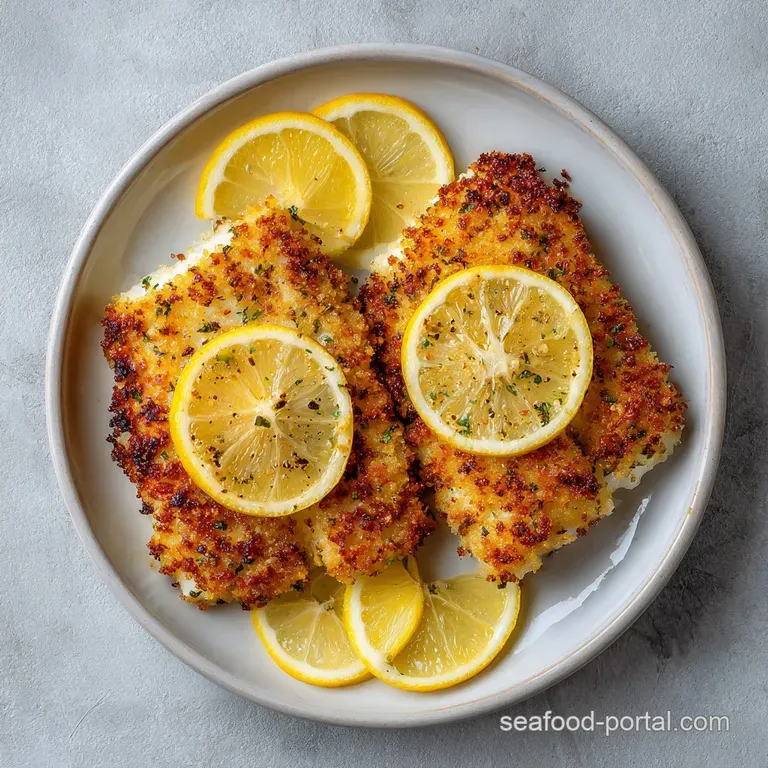
- Time: 10 min active + 15 min baking = Total 25 mins
- Flavor/Texture Hook: Buttery, golden brown crust with a velvety, flaky interior
- Perfect for: A low stress weeknight dinner that feels like a bistro meal
Parmesan Baked Haddock with Lemon
Imagine it's a rainy Tuesday, the kind of evening where you're exhausted from work but the thought of a bland sandwich just doesn't cut it. You want something that feels special, something that fills the kitchen with the scent of roasting garlic and zesty citrus, but you don't have the energy for a mountain of dishes.
That's exactly when this dish becomes a lifesaver.
You'll love this simple and delicious Parmesan Baked Haddock with Lemon and Garlic. It's the kind of meal that transforms a basic fillet into something that looks and tastes like it came from a professional kitchen, all while you're probably still in your loungewear.
The contrast between the salty, toasted cheese and the clean, mild flavor of the haddock is honestly a match made in heaven.
I remember the first time I tried making this. I used to overthink fish, worrying it would either turn into rubber or fall apart the moment I touched it. But once I realized that a high temp bake with a protective crust acts like a shield for the moisture, everything changed.
Now, it's my go to when I need a win in under 30 minutes.
Why the Crust Stays Crisp
I spent way too much time wondering why some oven fish ends up with a soggy top. It turns out, it's all about the moisture barrier and the heat.
Panko Air Pockets: Unlike standard breadcrumbs, panko flakes are larger and more porous, which means they don't clump together into a paste. This allows the hot air to circulate and toast the edges instead of steaming them.
Fat Protection: The melted butter and Parmesan create a fat rich seal on top of the fillet. This prevents the juices from the haddock from soaking into the crumbs, ensuring you get that shatter effect when you bite in.
Rapid Heat: By using 400°F (200°C), we're essentially searing the topping and poaching the fish simultaneously. This prevents the fish from sitting in the oven too long, which is the primary cause of that rubbery, overcooked texture.
| Method | Prep Time | Texture | Best For |
|---|---|---|---|
| Oven Baked | 10 mins | Golden crust, moist center | Easy cleanup, consistent results |
| Stovetop Pan Sear | 15 mins | Deeply browned, firmer | Intense flavor, smaller portions |
Component Analysis
I've found that using the right version of these ingredients makes a massive difference in the final result. Don't just grab whatever is in the pantry; a few specific choices change everything.
| Ingredient | Science Role | Pro Secret |
|---|---|---|
| Panko Crumbs | Structural Crunch | Toast them slightly in a pan first for extra color |
| Parmesan Cheese | Umami & Binding | Use freshly grated for a more velvety melt |
| Lemon Zest | Aromatic Brightness | Rub the zest into the cheese to release oils |
| Haddock Fillets | Lean Protein Base | Pat them bone dry to prevent steaming |
What You'll Need
Right then, let's get the gear and ingredients ready. For the fish, I highly recommend getting skinless fillets to keep the focus on the crust. If you're looking for more ways to handle fish, check out some breaded fish techniques to see how different coatings behave.
The Main Ingredients
- 1.5 lb haddock filletsWhy this? Mild flavor and firm texture that holds up well
- 1 tbsp olive oilWhy this? High smoke point for the baking dish
- 1/2 tsp saltWhy this? Essential for drawing out fish flavors
- 1/4 tsp black pepperWhy this? Adds a subtle earthy warmth
- 1/2 cup panko breadcrumbsWhy this? Creates a lighter, crispier texture than flour
- 1/2 cup grated parmesan cheeseWhy this? Provides a salty, nutty crust
- 3 tbsp unsalted butter, meltedWhy this? Carries the garlic and lemon flavor
- 1 tbsp fresh lemon juiceWhy this? Cuts through the richness of the cheese
- 1 tsp lemon zestWhy this? Concentrated citrus aroma without adding liquid
- 2 cloves garlic, mincedWhy this? Pungent base that mellows when baked
- 1/2 tsp paprikaWhy this? Adds a beautiful golden hue
- 1 tbsp fresh parsley, finely choppedWhy this? Fresh, green contrast to the salty cheese
Ingredient Swaps
| Original Ingredient | Substitute | Why It Works |
|---|---|---|
| Haddock | Cod or Halibut | Similar lean white fish. Note: Halibut is denser and may need 2 mins more |
| Panko | Crushed Cornflakes | gluten-free and very crunchy. Note: Adds a slight sweetness |
| Parmesan | Pecorino Romano | Similar salty profile. Note: Stronger, tangier flavor than Parmesan |
Step-by-step Guide
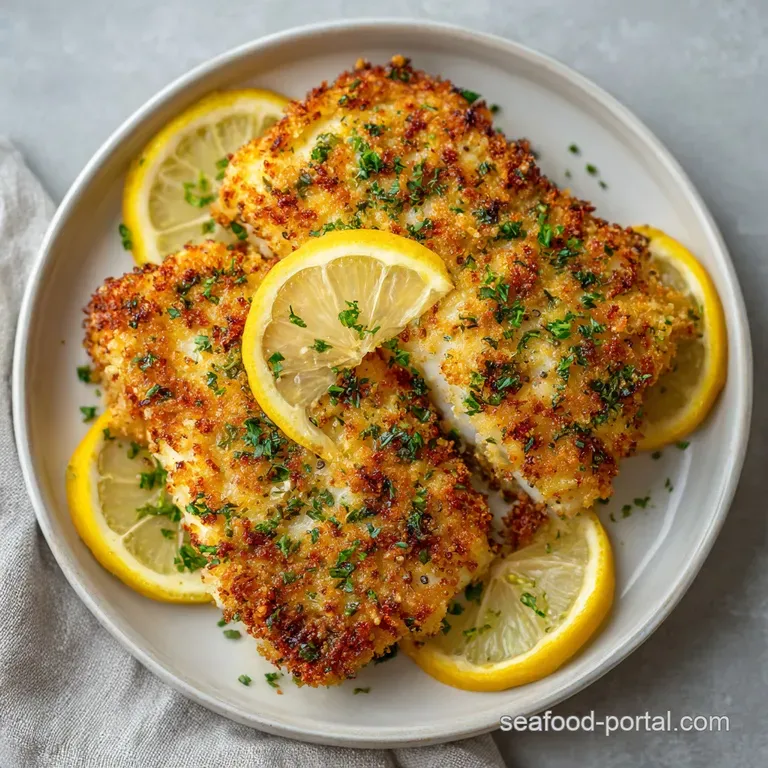
Let's crack on with the cooking. The key here is to keep things moving so the fish doesn't sit out too long.
- Preheat your oven to 400°F (200°C) and lightly grease a 9x13 inch baking dish with olive oil. Note: This prevents the crust from sticking to the sides.
- Use paper towels to pat the haddock fillets bone dry. Arrange them in a single layer in the dish, then season both sides with salt and pepper. Note: Dry fish equals a crispier crust.
- In a small bowl, combine the melted butter, lemon juice, lemon zest, and minced garlic. Scent Check: You should smell the sharp garlic mixing with the bright citrus.
- Stir the panko, parmesan, paprika, and parsley into the butter mixture until everything is evenly moistened.
- Spoon the topping over each fillet. Use the back of a spoon to press it down gently so the crust adheres to the fish.
- Slide the dish into the oven. Bake for 13-16 minutes. Visual Cue: Bake until the crust is deep golden brown and the fish flakes easily with a fork.
- Remove from the oven and let it rest for 2 mins. Scent Check: The aroma should be a mix of toasted cheese and roasted lemon.
- Garnish with extra parsley if you're feeling fancy and serve immediately.
Chef's Note: If you have a broiler, you can pop the fish under it for the last 60 seconds to get an even more intense "shatter" on the Parmesan crust. Just watch it like a hawk it goes from golden to burnt in seconds!
Fixing Common Mistakes
Even the best of us mess up sometimes. I once forgot to pat my fish dry, and the result was a soggy, steamed mess that looked more like a porridge than a crust. It was a lesson learned the hard way.
Why Your Crust Is Soggy
This usually happens if the fish was damp or if the oven temperature was too low. If the moisture can't evaporate quickly, it seeps into the panko. Ensure the oven is fully preheated before the dish goes in.
Preventing Rubbery Fish
Overcooking white fish is the easiest mistake to make. Haddock is lean, so it doesn't have much fat to protect it from the heat. Use a fork to check for "flaking" - as soon as the layers separate easily, take it out.
Managing Excess Salt
Between the salt and the Parmesan, this dish can lean salty. If you're using a very salty cheese like Pecorino, reduce the added salt by half.
| Problem | Root Cause | Solution |
|---|---|---|
| Crust falls off | Not pressed down enough | Use a spoon to firmly pack the topping |
| Fish is translucent | Undercooked center | Bake for an additional 2-3 minutes |
| Burnt topping | Oven rack too high | Move rack to the center position |
Common Mistakes Checklist
- ✓ Fillets are patted completely dry with paper towels
- ✓ Oven is fully preheated to 400°F (200°C)
- ✓ Topping is pressed firmly into the fish
- ✓ Fish is removed as soon as it flakes with a fork
- ✓ Fresh lemon juice is used instead of bottled
Adjusting the Portion Size
Whether you're cooking for just yourself or hosting a small crowd, this recipe is pretty flexible. Just keep a few things in mind regarding the pan size and heat.
Scaling Down (1-2 people) If you're using just 2 fillets, use a smaller baking dish (like an 8x8). If there's too much empty space in a large pan, the butter in the crust can run off the sides and burn. Reduce the baking time by about 20% and start checking the fish at the 10 minute mark.
Scaling Up (6-8 people) When doubling the recipe, don't just pile the fish on top of each other. Use two separate baking sheets or a very large roasting pan. I recommend only increasing the salt and paprika to 1.5x instead of 2x spices can become overpowering in larger batches.
Since the oven is more crowded, you might need to add 3-5 minutes to the total cook time.
| If you want... | Do this... |
|---|---|
| Extra Crunch | Add 1 tbsp of melted butter to the panko |
| Lower Carb | Replace panko with almond flour |
| More Zing | Add a splash of white wine to the butter mix |
Truths About Baking Fish
There are a lot of old wives' tales in the kitchen. Let's clear a few up so you can trust your instincts.
The "Sealing" Myth: You might hear that you need to sear fish in a pan first to "seal in the juices." This isn't actually true. Moisture loss happens regardless of whether you sear it or not. The crust in this recipe isn't about sealing; it's about adding flavor and protecting the top from direct heat.
The Frozen Fish Debate: Some people say you can't use frozen fillets. That's a lie. As long as they are fully thawed and this is the critical part patted completely dry, frozen haddock works just as well as fresh.
Storage Guidelines
If you have leftovers (which is rare in my house), here is how to handle them without ruining the texture.
Fridge Storage Keep the fish in an airtight container for up to 2 days. The crust will naturally soften in the fridge, so don't expect it to stay crispy.
Freezing Tips I don't recommend freezing this dish after it's been baked. The texture of the fish changes and the crust becomes mushy. If you want to meal prep, freeze the raw fillets and the topping ingredients separately.
Reheating for Crunch Avoid the microwave! It will make the fish rubbery and the crust soggy. Instead, put the fillets in a toaster oven or air fryer at 350°F (180°C) for 5-7 minutes. This brings back that golden brown snap.
Zero Waste Tip Don't toss the lemon rinds! Once you've zested and juiced your lemon, you can put the rinds in a jar with white vinegar for a few weeks to make a powerful, natural all purpose cleaner for your kitchen counters.
Pairing Ideas
Since this is a light but savory dish, you want sides that complement the acidity of the lemon. If you're looking for something hearty, my Tuna Casserole recipe is a great companion for a seafood themed night.
For a healthier balance, I love serving this with steamed asparagus or a crisp cucumber salad. If you're in the mood for another fish dish but want a different flavor profile, you might enjoy an oven grilled fish with lemon herb crust for your next meal.
Honestly, a simple side of sautéed spinach with a touch of nutmeg is the ultimate pairing here. The earthiness of the greens plays off the brightness of the Parmesan Baked Haddock with Lemon beautifully. Just keep the sides simple so the fish remains the star of the show.
Recipe FAQs
Is lemon good on haddock?
Yes, it is essential. The acidity of the lemon juice and zest cuts through the richness of the melted butter and parmesan.
What spices enhance the flavor of haddock?
Paprika, salt, and pepper. These provide a subtle smoky depth and basic seasoning that allows the mild flavor of the fish to shine.
How to keep the Parmesan crust from falling off?
Pat the fillets bone dry with paper towels. Removing surface moisture ensures the butter based topping adheres firmly to the fish.
Is it true that haddock should be cooked at 350°F for the best results?
No, this is a common misconception. This recipe requires 400°F (200°C) to achieve a deep golden brown crust without overcooking the delicate fillets.
How to tell when the haddock is perfectly cooked?
Check that the fish flakes easily with a fork. The crust should also be golden brown and crisp to the touch.
Can I use frozen haddock fillets for this recipe?
Yes, but thaw them completely first. If you enjoy using citrus to brighten seafood, you can apply a similar flavor profile to our shrimp and gnocchi.
What is the best cooking technique for haddock in the oven?
Bake at a high temperature with a protective topping. Using 400°F with a panko parmesan layer prevents the fish from drying out while adding a crunch.
Parmesan Baked Haddock With Lemon