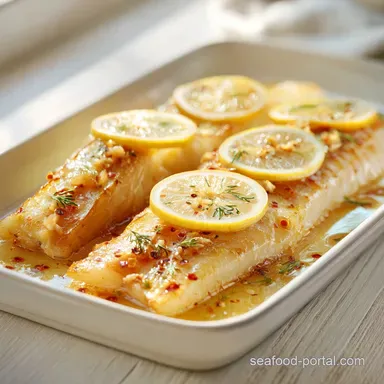
Lemon Garlic Baked Pollock Fish: Flaky and Zesty
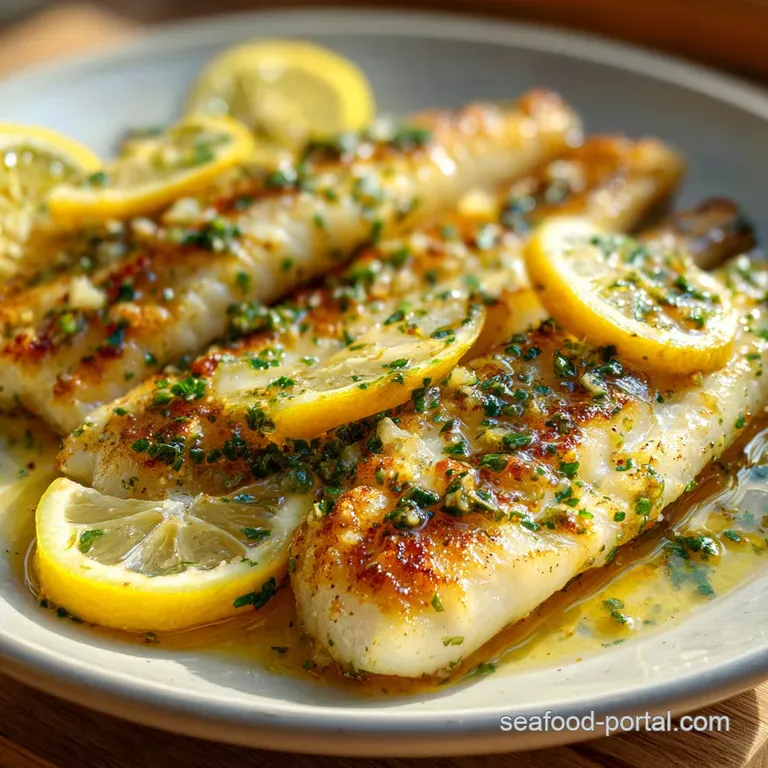
- Time: 5 min active + 12 min cook = Total 17 min
- Flavor/Texture Hook: Zesty, buttery, and flaky
- Perfect for: Quick weeknight dinner or beginner seafood night
- How to bake pollock fish
- The Secret to No Soggy Fish
- Component Analysis
- Simple Ingredients for Better Taste
- Easy Step-by-Step Baking Guide
- What Can Go Wrong (and How to Fix It)
- Troubleshooting Common Issues
- Dietary Adaptations
- Adjusting the Portion Size
- Busting Common Fish Myths
- Storage and Zero Waste
- Serving and Enjoying
- Recipe FAQs
- 📝 Recipe Card
That smell of garlic and lemon hitting a hot oven is honestly one of my favorite things in the world. It fills the kitchen in minutes and immediately makes the house feel like a cozy bistro. For the longest time, I had this weird hang up about pollock.
I thought it was just the "filler" fish you find in frozen fish sticks or cheap tacos, and I assumed it would be bland or, worse, have that strong "fishy" smell that ruins a meal.
But here is the thing: pollock is actually a brilliant blank canvas. Once I stopped treating it like a budget substitute and started treating it like a prime piece of seafood, everything changed.
I realized that the "blandness" is actually its superpower because it carries flavors like browned butter and citrus without fighting them. This recipe is the result of me finally figuring out how to bake pollock fish so it stays moist and flaky instead of turning into a rubbery sponge.
How to bake pollock fish
The trick to getting this right is all about the contrast. You want the rich, velvety feel of the butter paired with the bright, sharp acidity of the lemon. Pollock is a lean fish, which means it can dry out in a heartbeat if you aren't careful.
By coating it in a fat based glaze and using a high temperature, we protect the proteins while getting that golden, bubbling finish on top.
When you pull the tray out of the oven, the fish should be opaque and just starting to flake. If you see a lot of white albumin (that weird white protein) leaking out, you've gone a bit too far. The goal is a fillet that yields to a fork with almost no resistance.
It's a simple process, but getting those small details right makes the difference between a mediocre meal and something you'll actually crave again next week.
The Secret to No Soggy Fish
Since we're keeping things simple, we don't need a lab report, but there are a few reasons why this specific approach works every time.
- Surface Moisture: Patting the fish dry stops it from steaming in its own juices, which is why the fillets don't end up mushy.
- High Heat: Baking at 400°F (200°C) cooks the fish quickly, meaning the outside sets before the inside has a chance to overcook and toughen up.
- The Fat Barrier: The butter creates a protective layer that locks in the natural juices while adding a rich, savory depth.
- Acid Timing: Adding lemon juice and zest at the start helps break down some of the fishy odors and brightens the overall profile.
| Method | Time | Texture | Best For |
|---|---|---|---|
| Oven Baked | 12 mins | Velvety & Flaky | Easy cleanup, family meals |
| Pan Seared | 6-8 mins | Crispy edges | Single fillets, restaurant feel |
| Poached | 10 mins | Soft & Silky | low-fat diets, delicate sauces |
Component Analysis
Understanding what each ingredient is doing helps you tweak the recipe later without ruining the dish.
| Ingredient | Science Role | Pro Secret |
|---|---|---|
| Pollock Fillets | Protein Base | Pat dry with paper towels for 30 seconds per side |
| Unsalted Butter | Fat/Conductivity | Melt it slowly to avoid separating the milk solids |
| Lemon Zest | Essential Oils | Grate only the yellow part; the white pith is bitter |
| Garlic | Aromatic | Mince it into a paste for more even distribution |
Simple Ingredients for Better Taste
I've found that when you use high-quality butter and fresh lemons, you don't need a long list of spices. Keep it minimal so the fish can shine.
- 1 lb pollock fish fillets Why this? Mild flavor and affordable, making it great for weeknights
- 1/2 tsp sea salt Why this? Enhances the natural sweetness of the fish
- 1/4 tsp cracked black pepper Why this? Adds a subtle heat that cuts through the butter
- 3 tbsp unsalted butter, melted Why this? Provides the richness and helps the garlic stick
- 2 cloves garlic, minced Why this? Adds a savory, pungent punch
- 1 tbsp fresh lemon juice Why this? Brightens the dish and removes "fishiness"
- 1 tsp lemon zest Why this? Concentrated citrus oils for a deeper aroma
- 1/2 tsp dried parsley Why this? Adds a touch of earthiness and color
Ingredient Swaps
| Original Ingredient | Substitute | Why It Works |
|---|---|---|
| Unsalted Butter | Olive Oil (3 tbsp) | Similar fat content. Note: Lacks the creamy flavor of butter |
| Lemon Juice | White Wine (1 tbsp) | Same acidity level. Note: Adds a more sophisticated, fermented tang |
| Dried Parsley | Fresh Parsley (1 tbsp) | Fresher, cleaner taste. Note: Add at the very end to prevent burning |
| Pollock | Cod or Haddock | Very similar lean texture. Note: Cod is slightly thicker and needs 1-2 extra minutes |
Easy step-by-step Baking Guide
Right then, let's get into the actual cooking. This is a fast process, so have everything prepped and ready on your counter before you turn on the heat.
Phase 1: Prep and Dry
- Preheat the oven to 400°F (200°C) and line a baking sheet with parchment paper. Note: Parchment prevents the butter from sticking to the pan
- Pat the pollock fillets completely dry using paper towels. Squeeze gently to remove as much surface moisture as possible.
Phase 2: Seasoning and Coating
- Place the fillets on the prepared baking sheet and season evenly with salt and pepper.
- In a small bowl, whisk together the melted butter, minced garlic, lemon juice, lemon zest, and dried parsley.
- Brush the lemon garlic butter mixture generously over the top and edges of each fillet. Note: Don't miss the sides, as they can dry out first
Phase 3: The Bake and Finish
- Bake on the center rack for 10–12 minutes until the fish is opaque and flakes easily with a fork.
- Optional: Turn on the broiler for the final 60 seconds until the butter is bubbling and golden brown.
Chef's Note: If you're using frozen fillets, make sure they are completely thawed in the fridge overnight. If you bake them from frozen, they'll release too much water and you'll end up steaming the fish instead of baking it.
What Can Go Wrong (and How to Fix It)
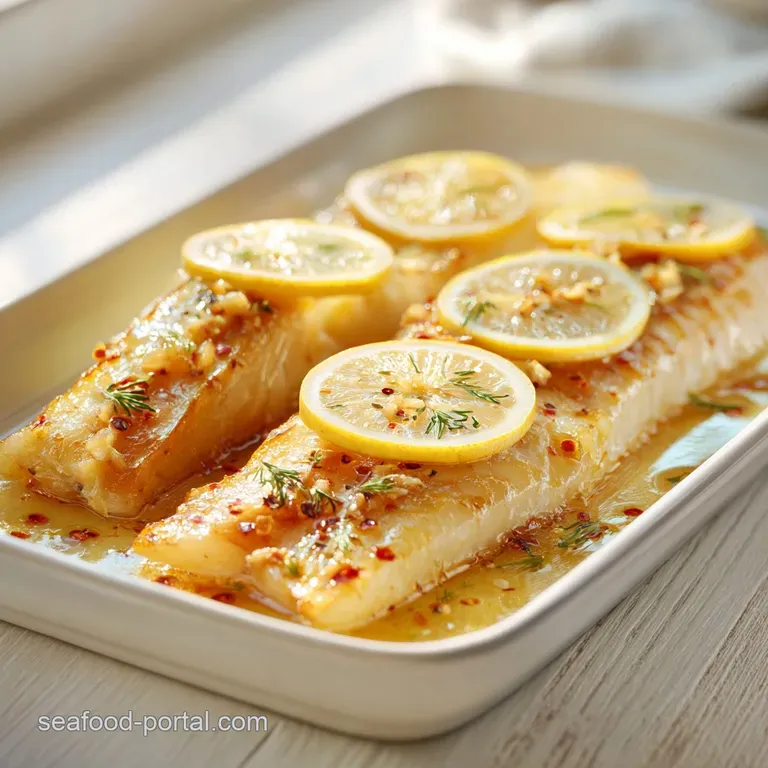
Even the easiest recipes can go sideways if the oven is acting up or the fish isn't prepped right. I've definitely had a few "rubbery fish" incidents in my time.
Troubleshooting Common Issues
| Issue | Solution |
|---|---|
| Fish rubbery | This usually happens when the fish is overcooked. Pollock is lean, so once the proteins tighten up, there's no fat inside the meat to keep it tender. According to [Serious Eats](https://www.seriouseat |
| Why is the fish releasing too much water | This is almost always due to two things: not patting the fillets dry enough or using fish that wasn't fully thawed. When water hits the hot pan, it turns to steam, which pushes the juices out of the f |
| Why is the garlic burnt | If your oven runs hot or the fillets are very thin, the minced garlic can burn before the fish is done. If this happens, try mixing the garlic into the butter but adding it halfway through the bake, o |
Mistakes Checklist
- ✓ Did you pat the fish dry with paper towels?
- ✓ Is the oven fully preheated to 400°F (200°C)?
- ✓ Did you check for opacity before removing from oven?
- ✓ Is the garlic finely minced to prevent large burnt chunks?
- ✓ Did you avoid overcrowding the pan?
Dietary Adaptations
Since pollock is such a versatile fish, it's easy to tweak this recipe for different needs. If you're looking for something with a bit more "crunch," you might enjoy my Herb Crusted Baked Haddock which uses a breadcrumb topping for a different texture.
For a dairy-free Version Simply swap the unsalted butter for a high-quality vegan butter or extra virgin olive oil. The lemon and garlic will still do the heavy lifting for the flavor, though you'll lose that specific nutty aroma that browned butter provides.
Making it Low Carb/Keto This recipe is already naturally keto friendly. To keep it that way, just be careful with what you serve it with. Avoid the temptation to add a honey glaze or sugary sauces. Stick to the butter and lemon.
Adding a Spicy Kick If you want more heat, add 1/4 tsp of red pepper flakes or a pinch of cayenne pepper to the butter mixture. This creates a great contrast with the bright lemon juice.
Adjusting for Batch Sizes If you're cooking for a crowd, don't just double everything in one pan. If the fillets are too close together, they'll steam instead of bake. Work in batches or use two separate baking sheets.
Adjusting the Portion Size
When you're changing the amount of fish, you can't always just multiply by two. Heat distribution changes based on how much food is in the oven.
Scaling Down (2 servings) If you're just cooking two fillets, reduce the butter mixture by half. You can usually shave about 1-2 minutes off the bake time because the oven doesn't have to work as hard to maintain the temperature with less cold mass inside.
Scaling Up (8+ servings) When doubling or tripling the recipe, only increase the salt and pepper to about 1.5x. Spices can become overwhelming in large batches. Also, reduce the liquid in the butter mixture by about 10% to prevent the fish from swimming in sauce. Most importantly, use multiple pans.
If you crowd the tray, the fillets will release water and you'll lose that lovely browning.
Busting Common Fish Myths
There are a lot of old school "rules" about fish that just aren't true. Let's clear some of those up.
Myth: Frozen pollock is way lower quality than fresh. Truth: Most "fresh" pollock at the grocery store was frozen shortly after being caught anyway. As long as it was flash frozen on the boat, the quality is almost identical. The only real difference is how you thaw it.
Myth: You have to sear fish first to "lock in" the juices. Truth: Searing adds a lot of flavor and a nice crust, but it doesn't actually seal the meat. Moisture loss happens throughout the entire cooking process. Baking at a high temperature is just as effective for keeping the inside moist.
Storage and Zero Waste
If you have leftovers, you've actually got a great start for another meal. I often turn leftover baked pollock into a quick fish cake or toss it into a salad.
Fridge and Freezer Rules Store leftovers in an airtight container in the fridge for up to 2 days. I don't recommend freezing the fish after it's been baked, as the texture becomes grainy and dry when reheated.
Reheating Tips Avoid the microwave if you can. It'll turn the fish into rubber. Instead, put the fillet back in the oven at 300°F (150°C) for about 5-7 minutes, or gently warm it in a pan with a tiny bit of extra butter.
Using Every Bit Don't throw away the lemon rinds after zesting! You can put them in a jar with white vinegar for a few weeks to make a natural kitchen cleaner. Also, if you have leftover garlic butter in the bowl, drizzle it over some steamed asparagus or sautéed spinach for an easy side. For something more indulgent, you could see how this compares to the crunch of a classic fish and chips meal.
Serving and Enjoying
The final step is all about how you present it. Since the fish is so mild, you want sides that offer a bit of a punch.
Pairing Idea 1: The Steakhouse Side For a rich, comforting meal, serve the pollock alongside a creamy garlic mashed potato and some charred broccolini. The heaviness of the potatoes balances the brightness of the lemon butter.
Pairing Idea 2: The Light Summer Plate If you want something fresher, pair it with a quinoa salad featuring cucumber, cherry tomatoes, and a splash of balsamic vinaigrette. This keeps the meal light and healthy without sacrificing flavor.
The Finishing Touch Right before serving, squeeze a little extra fresh lemon juice over the fish. The heat from the fillet will wake up the citrus oils, and it adds that final "zing" that makes the whole dish pop.
If you have some fresh parsley on hand, a quick sprinkle of chopped leaves adds a vibrant green color that makes the golden brown butter look even better.
Recipe FAQs
How to oven cook pollock?
Preheat your oven to 400°F (200°C). Pat the fillets dry, season with salt and pepper, brush with lemon garlic butter, and bake for 10 12 minutes.
What temperature should pollock be cooked at?
Bake at 400°F (200°C). This high heat ensures the fish cooks quickly so the lean meat stays moist.
Is pollock fish good for diabetes?
Yes, it is an excellent choice. Pollock is a lean protein that is naturally low in carbohydrates and saturated fats.
How long does fish take in the oven at 400 degrees?
Bake for 10 12 minutes. The fillets are finished when the meat is opaque and flakes easily with a fork.
Why is my pollock releasing too much water in the oven?
This happens if the fillets weren't patted dry. Excess surface moisture turns to steam, which pushes internal juices out of the fish.
How do I stop pollock from getting rubbery?
Avoid overcooking the fillets. Since pollock is very lean, overcooking causes the proteins to tighten quickly and lose their tenderness.
Can I use salmon instead of pollock for this recipe?
Yes, salmon is a great substitute. If you prefer a richer flavor, apply the same roasting technique used in our baked salmon guide.
Baked Pollock Fish Fillets