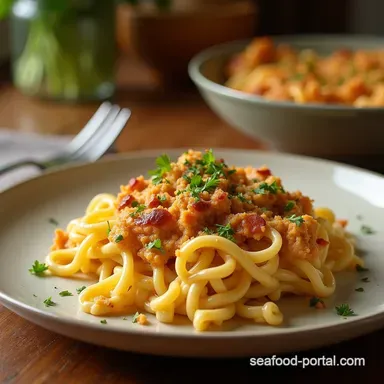
The Ultimate Comfort Creamy Crunchy Tuna Noodle Casserole the Grownup Version
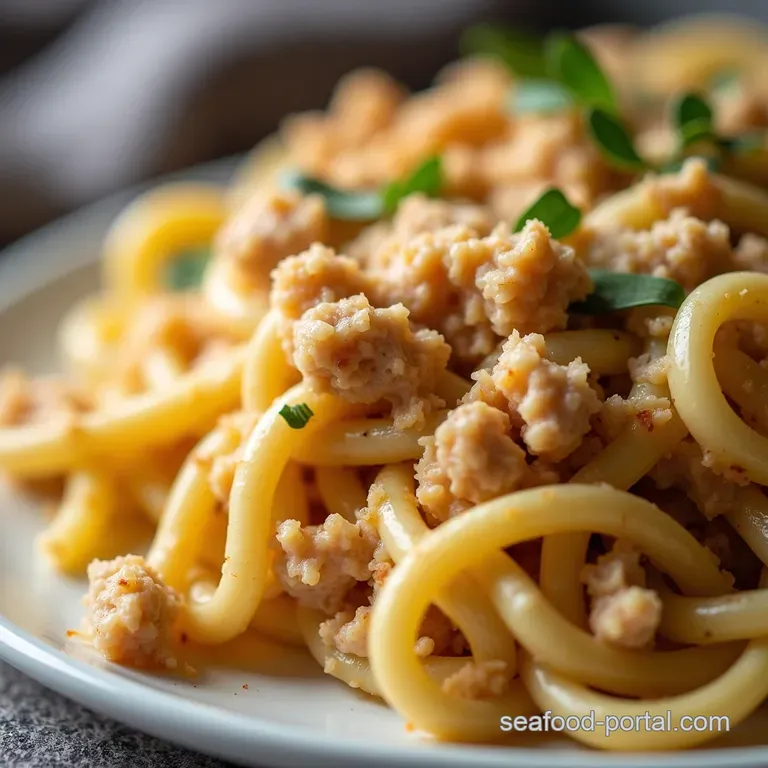
- Elevating the Weeknight Classic: Why This Tuna Noodle Casserole Recipe Shines
- Assembling the Building Blocks for Superior Tuna Casserole
- Step-by-Step Mastery: Executing the Perfect Baked Dish
- The Crucial Stages of Sauce Building and Noodle Integration
- Mastering Make-Ahead Strategies for Effortless Entertaining
- Customization Corner: Variations on the Traditional Tuna Noodle Casserole
- Recipe FAQs
- 📝 Recipe Card
Elevating the Weeknight Classic: Why This Tuna Noodle Casserole Recipe Shines
There are certain dishes that hold a sacred, nostalgic space in our culinary memories. For many of us growing up, the ultimate staple of comfort was the humble baked dish that combined pantry staples into something warm and satisfying.
However, that classic often suffered from being overly salty or structurally unsound leading to a disappointing, soupy mess. Our goal here is different: to transform that memory into a genuinely sophisticated, yet entirely approachable, meal.
This Tuna Noodle Casserole Recipe focuses on building layers of genuine flavour and achieving that coveted, perfect contrast between a velvety interior and a shattering, crunchy crust.
Forget everything you thought you knew about this dinner staple; this is the Best Tuna Casserole Recipe you’ll ever make, perfectly structured for a busy schedule.
Reimagining Nostalgia: A Modern Take on an American Staple
What separates this version from its predecessors? It starts with intention. We are treating this dish not as a quick fix, but as a genuine bake, demanding fresh ingredients where it counts. This is far from a tin-and-dump operation.
By integrating sautéed aromatics like onions and mushrooms, we introduce an earthy depth that canned soup simply cannot replicate. This focus on building a flavour foundation transforms the dish into what I proudly call my Tuna Casserole from Scratch .
It proves that even the most basic comfort food can be elevated with simple techniques, making it an ideal candidate for a hearty, yet surprisingly quick, Weeknight Tuna Noodle Casserole .
What Makes Our Sauce Unforgettably Creamy?
The soul of any great baked pasta dish resides entirely in its sauce, and for this Creamy Tuna Noodle Casserole , we rely on a time honoured technique: the béchamel.
Rather than relying solely on condensed cream soups, we start by creating a roux a simple cooked mixture of fat and flour before gradually incorporating warmed milk and broth. This foundation ensures a sauce that is inherently smooth, rich, and clings beautifully to every noodle.
We then fortify this base with freshly grated sharp cheddar, which melts into a luscious, cohesive blanket around the tuna and vegetables.
Setting the Stage: Essential Kitchen Gear for Success
While this is an Easy Tuna Noodle Casserole to execute, having the right tools streamlines the process, ensuring we hit our 50-to-55-minute total time goal.
You’ll need a large saucepan or Dutch oven for boiling the pasta until it’s perfectly al dente —remember, it will continue to cook later! Crucially, you need a large, deep skillet for developing the mushroom and onion base and subsequently building the sauce.
Finally, a standard 9x13 inch baking dish is perfect for achieving six generous servings, allowing adequate space for the creamy mixture to bake evenly without overflowing.
Assembling the Building Blocks for Superior Tuna Casserole
Crafting this ultimate comfort bake requires thoughtful selection of components. Every element, from the type of noodle to the quality of the cheese, contributes significantly to the final textural harmony.
We aren't just throwing things together; we are curating the ingredients to ensure that the richness of the sauce is balanced by the savoury protein and punctuated by satisfying crunch.
Selecting Premium Components for Maximum Flavor Impact
The difference between good and great often boils down to the quality of the main players. In this recipe, we allocate attention to three core areas: the protein, the sauce base, and the texture enhancer.
By focusing on freshness and flavour density in these areas, we guarantee a superior outcome that honors the Classic Tuna Casserole tradition while surpassing expectations.
The Star Proteins: Sourcing Your Tuna and Noodles Wisely
For the tuna, steer clear of the very cheapest options; a quality canned tuna packed in olive oil, or even spring water if you prefer a lighter base, will yield much better flakes and flavour. Drain it thoroughly so it doesn't introduce excess liquid into our carefully constructed sauce.
The pasta choice is equally important: wide egg noodles are non-negotiable for this preparation. They possess the necessary starch content and hearty structure to hold up against the thick sauce and aggressive baking process without dissolving into mush.
Cook them until they are noticeably firm, as they will absorb liquid during baking.
Dairy & Aromatics: Crafting the Rich Béchamel Foundation
While we are using milk for the sauce, the key to its depth lies in the initial sauté. We begin by sweating finely diced yellow onion and slicing cremini mushrooms until they have released their moisture and started to brown lightly. This process creates umami, providing the essential savoury foundation.
The subsequent addition of garlic, flour (to create the roux), and high-quality sharp cheddar cheese freshly grated, please ensures the sauce is not only thick but possesses a beautiful tanginess that cuts through the creaminess.
Crunch Factor Components: Toppings That Deliver Texture, Not Just Fat
A great Tuna Noodle Casserole with Cheese needs a textural counterpoint to its inherent softness. While some purists adore crushed potato chips, we elevate this by utilizing Panko breadcrumbs mixed generously with melted butter and a reserved portion of sharp cheddar.
These Panko crumbs toast up into a golden, shattering crust that provides the perfect textural contrast to the soft interior, delivering satisfying crunch in every bite.
Step-by-step Mastery: Executing the Perfect Baked Dish

The journey to the perfect bake involves three distinct phases: preparing the foundational elements, building the complex sauce, and then marrying everything together for the final trip to the oven. Timing is crucial, especially when creating the roux based sauce to ensure a lump free consistency.
Related Recipes Worth Trying
- The Definitive Proper Job Tuna Melt Recipe Crispy Creamy — Tired of soggy sandwiches Learn the secret to the Best Tuna Melt Recipe with a perfectly golden crispy exterior and a savoury bright filling Easy comfort...
- Golden Gooey Crispy Tuna Melt Patties Recipe — Ditch the sandwich These easy Tuna Melt Patties are panfried until golden and packed with sharp cheddar A pure comfort food fix in 30 minutes
- Bright LemonDill Tuna Pasta Salad Recipe No Soggy Bottoms — Toss out the dull versions This bright zesty Tuna Pasta Salad uses orzo and a homemade lemondill vinaigrette Perfect for healthy meal prep
The Crucial Stages of Sauce Building and Noodle Integration
We begin by getting the pasta cooking and the oven preheating to 375° F ( 190° C). While the noodles boil, we shift our focus to the stovetop where the magic happens.
Prepping the Pasta and Sautéing the Flavor Base (Mushrooms & Herbs)
Once the noodles are drained, toss them lightly with a tiny splash of olive oil to prevent sticking while you work on the sauce. In your large skillet, melt the initial 4 tablespoons of butter and introduce the diced onions and sliced mushrooms.
Allow these to cook down, drawing out their water and developing deeper brown notes this takes about 6 to 8 minutes. Only then do you stir in the minced garlic and cook until fragrant, usually just one minute.
Whipping Up the Velvety Cheese Sauce: Avoiding Lumps Entirely
This is the make-or-break moment for any Tuna Noodle Casserole Recipe . Sprinkle the flour over the sautéed vegetables and stir constantly for two minutes to cook out the raw taste; this mixture is your roux.
Now, gradually whisk in the room temperature milk and broth a little bit at a time allowing the mixture to incorporate fully before adding more. Once all liquid is added and the sauce begins to simmer and visibly thicken enough to coat the back of a spoon, remove it from the heat.
Now, whisk in the Dijon mustard, smoked paprika, dried thyme, salt, and pepper, followed by the bulk of your grated cheddar until it melts into a smooth, luscious base.
The Final Fold: Combining Ingredients Before the Bake
With the sauce off the heat, gently fold in the well drained tuna, the pre-cooked noodles, and the cup of frozen peas (no need to thaw them, they will heat through beautifully in the oven). Distribute this mixture evenly into your prepared 9x13 baking dish.
Finally, sprinkle the prepared Panko and cheese topping right over the surface, ensuring good coverage for that ultimate crunch.
Achieving Golden Perfection: Optimal Baking Time and Temperature
Slide the dish into your preheated 375° F ( 190° C) oven. Bake for 20 to 25 minutes. You are looking for the edges to be vigorously bubbling up around the sides, indicating that the sauce is heated through, and the topping should be deeply golden brown.
Allow the Tuna Noodle Casserole with Peas to rest for five to ten minutes after removal; this short resting period is critical for the sauce to firm up slightly, preventing that watery consistency sometimes associated with baked pasta dishes.
Mastering make-ahead Strategies for Effortless Entertaining
One of the great advantages of a baked casserole is its flexibility for advanced preparation. This dish is an absolute champion for planning ahead. You can complete every step up to and including Step 10 (transferring the mixture to the dish and adding the topping).
Cover the dish tightly with plastic wrap and refrigerate for up to 24 hours. When you are ready to bake, you must account for the colder temperature. Add approximately 10 to 15 minutes to the standard baking time, ensuring the casserole is piping hot throughout before serving.
Customization Corner: Variations on the Traditional Tuna Noodle Casserole
While this recipe delivers the definitive Creamy Tuna Noodle Casserole , flexibility is key to enjoyable cooking. Don't be afraid to personalize this blueprint to suit your dietary needs or pantry contents.
Storage Solutions: Keeping Leftovers Fresh and Flavorful
Leftovers of this fantastic Tuna Noodle Casserole store incredibly well. Simply cool any remaining portions completely, cover them tightly with foil or a lid, and refrigerate for up to four days.
When reheating individual servings in the microwave, add a small splash of milk or broth to revitalize the sauce, which can thicken considerably overnight.
Ingredient Swaps: Making This Recipe dairy-free or Gluten Sensitive
For a gluten sensitive version, simply substitute the all-purpose flour in the roux with a gluten-free 1:1 baking blend. For dairy concerns, swap the milk for unsweetened oat or soy milk, and substitute the cheddar with a good quality, meltable vegan cheddar alternative; you will still need butter or oil for the roux, of course.
Boosting Nutrition: Ways to Sneak in Extra Vegetables
This recipe already features mushrooms and peas, but you can easily increase the nutritional profile. Before adding the flour to the roux, try stirring in finely diced carrots or celery along with the onions.
You can also stir in a handful of chopped fresh parsley or chives right at the end for a boost of fresh flavour and added greens.
Troubleshooting Common Casserole Crimes (Soggy Bottoms, etc.)
The main culprits for a soggy bottom are undercooked pasta or an overly thin sauce. To combat the former, always ensure you pull the noodles before they reach al dente, as they’ll finish cooking in the oven.
For the sauce, ensure you cook the roux for the full two minutes and whisk the milk in slowly until the sauce is visibly thick before adding it to the baking dish. If you suspect your sauce is too thin at the assembly stage, add an extra tablespoon of grated cheddar or a tiny sprinkle more flour mixed with a drop of cold milk (a slurry) and stir vigorously.
Recipe FAQs
Why do my noodles always turn out soggy in my Tuna Noodle Casserole?
Ah, the classic soggy bottom! The key is cooking your egg noodles al dente about a minute less than the package recommends. Since the casserole bakes for another 20 minutes, they'll finish cooking in the sauce without turning to mush. Also, make sure you drain them thoroughly before mixing!
Can I make this Tuna Noodle Casserole ahead of time? I'm hosting a family gathering.
Absolutely, this dish is brilliant for making ahead! Assemble the entire casserole, right up to the topping stage, cover it tightly with foil, and refrigerate for up to 24 hours. When you're ready to bake, add about 10 15 minutes to the covered baking time to allow it to heat through properly before uncovering it for the final golden crisp.
My béchamel sauce keeps getting lumpy any secrets to getting it smooth like yours?
Lumps are the pits, aren't they? The best trick is patience when adding your milk; pour it in gradually, whisking constantly, especially when the roux is hot. Also, using room temperature milk (or warming it slightly) drastically reduces the chance of lumps forming when it hits the butter and flour mixture.
What's the best topping if I absolutely despise Panko breadcrumbs on my Tuna Noodle Casserole?
If Panko isn't your bag, you have a couple of stellar options that keep that satisfying crunch. A classic alternative is crushing up plain, salted potato chips it adds a fun, nostalgic flavour!
Alternatively, mixing crushed buttery crackers (like Ritz) with melted butter gives a lovely, salty, melt-in-your mouth texture.
I’m watching my sodium intake; how can I make this recipe healthier?
That’s sensible planning! To reduce sodium, look for tuna canned in spring water with "No Salt Added," and opt for low-sodium chicken or vegetable broth. You can also dial back the added salt during seasoning, relying instead on the flavour of the sharp cheddar and black pepper to carry the dish.
Creamy Tuna Noodle Bake