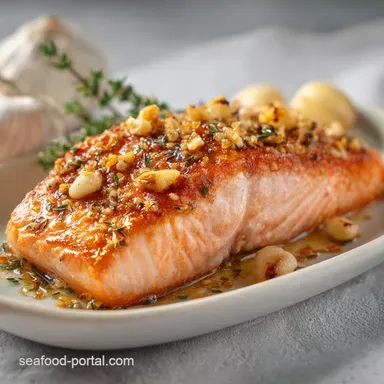
Cooking Salmon on the Oven: Zesty and Buttery
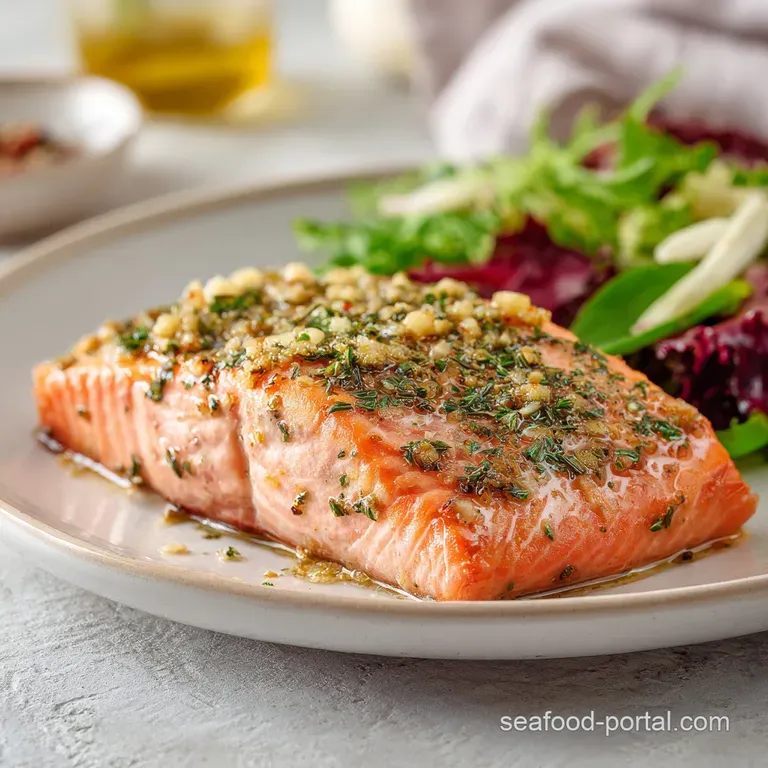
- Time: 10 min active + 15 min roasting = Total 25 mins
- Flavor/Texture Hook: Zesty, buttery fillets with a slight char
- Perfect for: Healthy weeknight dinners or beginner cooks
- Easy Guide for cooking salmon on the oven
- Why This Method Works
- Component Analysis
- The Pantry List
- Essential Kitchen Tools
- Precise Roasting Steps
- Fixing Common Mishaps
- Troubleshooting Common Issues
- Adjusting For Different Sizes
- Truths About Oven Roasting
- Storage and Reuse
- Best Side Pairings
- Recipe FAQs
- 📝 Recipe Card
Easy Guide for cooking salmon on the oven
Imagine walking into a small kitchen on the coast of Greece, where the air is thick with the scent of roasting garlic and bright, citrusy lemon. For generations, Mediterranean cooking has been all about letting a few high-quality ingredients do the heavy lifting.
They don't overcomplicate things; they just use heat and acid to make the fish sing.
That's exactly the vibe we're going for here. I used to be terrified of overcooking fish, honestly. I'd pull it out too late and end up with something that had the texture of a dry sponge. But once I realized that a hot oven and a meat thermometer are the only tools you actually need, everything changed.
The secret is the combination of a high temperature and a short window. By cooking salmon on the oven at 400°F, we create a beautiful exterior without drying out the middle. It's fast, it's fresh, and it smells absolutely incredible while it's roasting.
Why This Method Works
- High Heat Blast: Using 400°F (200°C) cooks the fish rapidly, which prevents the interior from drying out before the exterior gets that golden look.
- Acidic Tenderizing: The lemon juice breaks down some of the surface proteins, allowing the garlic and oregano to penetrate deeper into the flesh.
- Skin Insulation: Keeping the skin on acts as a heat shield, protecting the delicate meat from the direct heat of the baking sheet.
- Carry over Heat: Removing the fish at 135°F allows the internal temperature to climb to 145°F while resting, ensuring it stays juicy.
| Thickness | Internal Temp | Rest Time | Visual Cue |
|---|---|---|---|
| 1 inch | 135°F (57°C) | 5 mins | Flakes easily with a fork |
| 1.5 inches | 130°F (54°C) | 7 mins | Opaque pink, not translucent |
| 2 inches | 125°F (52°C) | 10 mins | Center is just barely translucent |
Component Analysis
| Ingredient | Science Role | Pro Secret |
|---|---|---|
| Olive Oil | Heat Conductor | Use extra virgin for a peppery, fruity base |
| Lemon Juice | Protein Modifier | Add right before roasting to avoid "cooking" the fish |
| Sea Salt | Moisture Draw | Pat fish dry first so salt creates a crust, not a brine |
| Dried Oregano | Aromatic Layer | Rub it into the oil first to release the oils |
The Pantry List
For this to work, you need center cut fillets. They have a uniform thickness, which means you won't have one end burnt and the other end raw.
- 1.5 lb salmon fillets, center cut, skin on Why this? Consistent thickness ensures even roasting
- 2 tbsp extra virgin olive oil Why this? High smoke point and rich flavor
- 3 cloves garlic, minced Why this? Pungent aroma that mellows in the heat
- 1 tsp dried oregano Why this? Earthy contrast to the bright lemon
- 1/2 tsp sea salt Why this? Enhances natural fish oils
- 1/4 tsp cracked black pepper Why this? Adds a subtle, woody heat
- 1 lemon, half sliced into rounds, half juiced Why this? Fresh acid cuts through the fat
Ingredient Swaps
| Original Ingredient | Substitute | Why It Works |
|---|---|---|
| Dried Oregano | Fresh Dill | Similar herbal profile. Note: Use 3x the amount of fresh |
| Olive Oil | Melted Butter | Richer, nuttier flavor. Note: Burns faster at 400°F |
| Lemon Juice | Lime Juice | Tangier, slightly sweeter. Note: Great for a tropical twist |
Right then, once you've got your ingredients prepped, make sure your oven is fully heated. If you put the fish in while the oven is still climbing to temperature, you lose that immediate sear and the fish ends up steaming rather than roasting.
Essential Kitchen Tools
You don't need a professional kitchen for this, but a few specific things make it way easier. A large rimmed baking sheet is a must. If you use a pan with low sides, the olive oil and lemon juice might spill over, which is a nightmare to clean up.
I highly recommend parchment paper. It prevents the skin from sticking to the metal, which means you won't tear the fillets when you try to plate them. If you're into precision, a digital instant read thermometer is your best friend. According to USDA Food Safety guidelines, cooking fish to an internal temperature of 145°F is the gold standard for safety, but we hit that via carry over cooking.
Precise Roasting Steps
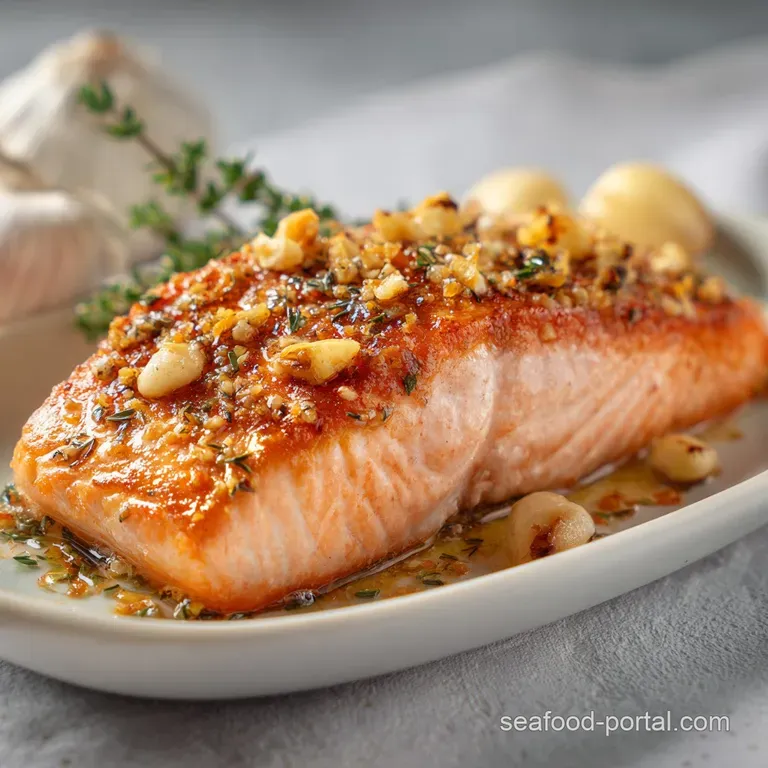
- Preheat your oven to 400°F (200°C) and line a large rimmed baking sheet with parchment paper. Note: Preheating ensures the fish starts searing immediately
- Pat the salmon fillets completely dry with paper towels. until the surface is matteNote: Moisture on the surface creates steam, which prevents browning
- In a small mixing bowl, whisk together olive oil, minced garlic, dried oregano, sea salt, black pepper, and lemon juice.
- Brush the herb mixture generously over the top and sides of the fillets. until well coated
- Place lemon rounds on top of each piece. Note: This protects the top of the fillet from drying out
- Roast on the center rack for 12-15 minutes. until the edges look opaque and smell fragrant
- Use a thermometer to check the thickest part. until it reaches 135°F (57°C)
- Remove from oven and let rest for 5 minutes. Note: The temperature will rise to 145°F (63°C) on its own
Chef's Tip: For an extra layer of flavor, try adding a pinch of smoked paprika to the rub. It gives the salmon a "grilled" aroma even though it's coming from the oven.
Fixing Common Mishaps
Troubleshooting Common Issues
| Issue | Solution |
|---|---|
| Why Your Salmon Has White Gunk | That white stuff is called albumin. It's just a protein that pushes out of the muscle fibers when the fish is cooked too quickly or at too high a temperature. It's completely safe to eat, but it doesn |
| Why Your Fillets Feel Dry | Dryness usually happens because of two things: too thin a cut or too long in the oven. If you're cooking salmon on the oven and using thinner tails, they'll finish 3-5 minutes faster than the center c |
| Why The Skin Is Sticking | This happens if the pan wasn't oiled enough or the fish was too wet when it hit the pan. Always pat dry and use parchment paper. If you really want that shatter crisp skin, you might prefer my Frozen Salmon Savior recipe guide to make sure they thaw properly so you don't end up with a soggy mess. |
Adjusting For Different Sizes
When you're scaling this up for a party, don't just double the salt and spices. Spices can become overwhelming in large batches. I usually go 1.5x on the seasoning when doubling the fish.
Scaling Down (2 servings): Use a smaller baking sheet (like a quarter sheet) and reduce the roast time by about 2 minutes. Since there's less mass in the oven, the heat penetrates faster.
Scaling Up (8 servings): Work in batches. If you crowd 8 fillets onto one tray, they'll steam instead of roast, and you'll lose that golden exterior. Use two separate trays and rotate them halfway through the cooking time.
Truths About Oven Roasting
There's a common belief that searing salmon in a pan "seals in the juices." Honestly, that's just not true. Searing adds flavor and texture, but it doesn't create a waterproof barrier. The only way to keep juices in is to avoid overcooking.
Another myth is that you have to cook salmon until it's completely opaque. In reality, a slightly translucent center is where the best texture lives. As long as you hit that 145°F final temp after resting, you're golden.
Storage and Reuse
Fridge and Freezer Leftover salmon stays great in the fridge for 3 days. Store it in an airtight container with a damp paper towel over the top to keep it from drying out. I don't recommend freezing cooked salmon, as the texture becomes mealy.
Reheating Without Drying The worst thing you can do is microwave salmon on high. Instead, put it in a 275°F (135°C) oven for 5-8 minutes with a splash of water or a pat of butter on top.
This gently warms it through without continuing to "cook" the proteins.
Zero Waste Tips Don't throw away the salmon skin if it peels off! You can fry it in a pan with a little oil until it's a crispy cracker. Also, any leftover scraps of fish can be flaked into my homemade fish cakes for a brilliant lunch the next day.
Best Side Pairings
Since this dish is quite zesty and rich, you want sides that can either soak up that lemon garlic butter or provide a fresh, crunchy contrast.
The Fresh Route A simple arugula salad with shaved parmesan and a balsamic glaze works wonders. The peppery greens cut right through the richness of the salmon.
The Hearty Route Roasted asparagus or broccolini are perfect because they can roast on the same tray as the fish. Just start the vegetables 10 minutes before you add the salmon to the oven.
The Grain Route Quinoa or wild rice provides a nutty base that absorbs the pan juices. If you're feeling fancy, a cauliflower puree offers a velvety texture that makes the whole meal feel like it's from a high end bistro.
Recipe FAQs
Is it better to bake salmon at 375 or 400?
400°F is the ideal temperature. This heat ensures a caramelized exterior while keeping the center moist and tender within 12-15 minutes.
How to cook salmon for a diabetic?
Use the provided herb and lemon mixture. This preparation avoids added sugars or honey, making it a safe and healthy choice for diabetic diets.
Is roasted salmon good for high blood pressure?
Yes, it is an excellent choice. The omega-3 fatty acids and low sodium levels in this roasted version help support healthy blood pressure.
Is salmon fillet good for cholesterol?
Yes, it is highly beneficial. Salmon contains unsaturated fats that help lower bad cholesterol and improve overall cardiovascular health.
Is it true that white gunk on cooked salmon means it is spoiled?
No, this is a common misconception. That white substance is albumin, a natural protein that releases during cooking and is completely safe to eat.
How to reheat leftover salmon without drying it out?
Warm in a 275°F oven for 5-8 minutes. Add a splash of water to the pan to gently heat the fish without continuing to cook the proteins.
Can I use a different type of fish for this oven method?
Yes, most firm fillets work well. If you enjoyed the roasting technique here, see how the same principle works in our baked white fish recipe.
Cooking Salmon on the Oven: 25 Minutes