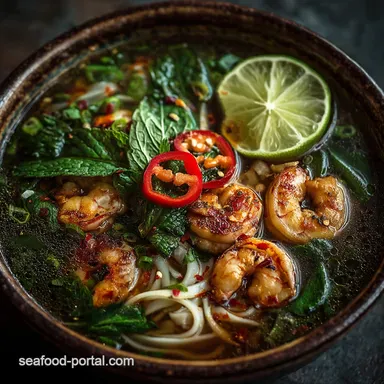
The Coastal Comfort Quick Aromatic Shrimp Pho Phở Tôm
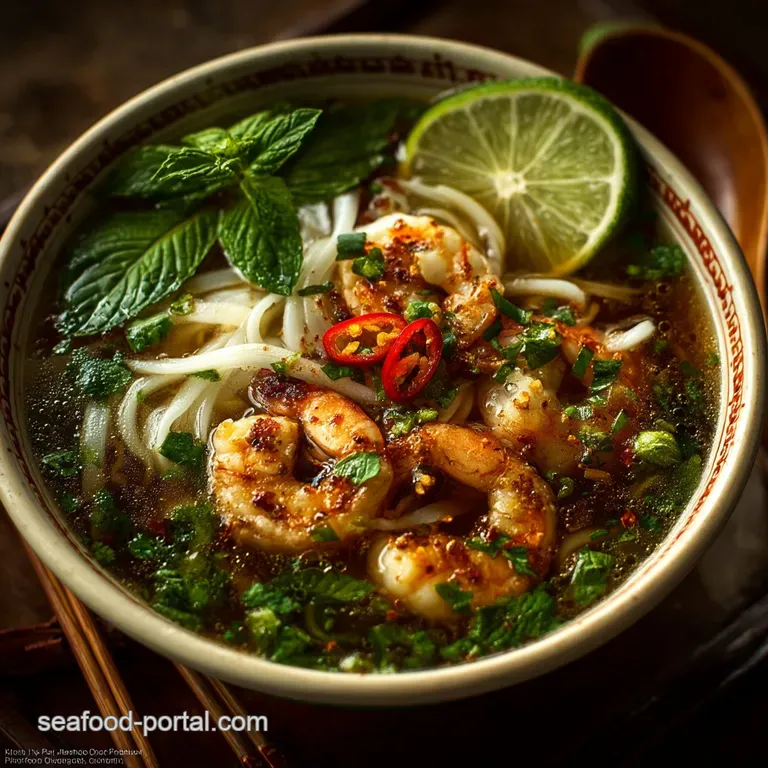
- Turbocharging Tradition: Flavor Without the Wait
- Decoding the Deliciousness of Quick Shrimp Pho
- The Essential Pantry for Authentic Flavor
- Setting Up Your Pho Prep Station
- Mastering the Broth: From Shells to Sublime Stock
- The Final Vietnamese Noodle Bowl Construction
- Chef's Notes: Ensuring Your Pho Success
- Storage, Customization, and Nutrition Deep Dive
- Recipe FAQs
- 📝 Recipe Card
Turbocharging Tradition: Flavor Without the Wait
Traditional Vietnamese Pho is a masterpiece of slow cooking, often requiring 12 to 24 hours to develop its signature depth. While that slow simmer yields unparalleled complexity, modern life demands efficiency.
This Shrimp Pho Recipe is specifically engineered to deliver that deeply aromatic, restorative warmth without sacrificing your entire afternoon. By focusing on rapid flavour extraction techniques namely intense charring and high impact aromatic additions we can achieve the essence of the classic in a fraction of the time.
This is the definition of Quick Shrimp Pho : a brilliant, restorative meal that manages to hit all the high notes of authentic Vietnamese Recipes Soup in just one hour, making it the perfect Easy Weeknight Pho .
Decoding the Deliciousness of Quick Shrimp Pho
Unlike its beef counterpart, which relies on long simmered bones for body, this Pho Recipe Shrimp achieves sophistication through a cleaner, swifter process. Our focus is on maximizing the interplay between charred aromatics, fragrant whole spices, and the incredibly potent flavour locked within the crustacean itself.
The Magic of the Shell: Maximizing Aromatic Depth
The secret weapon in this accelerated broth process is something most cooks discard: the shrimp shells and heads. When building the Shrimp Pho Broth , we don’t rely solely on the chicken stock base; we turbocharge it.
The shells contain powerful compounds and fats that, when briefly simmered, release an intense, sweet, seafood backbone into the liquid. By simmering the shells alongside our robust aromatics for a controlled period, we infuse the stock with a deep, marine flavour that complements the ultimate sweetness of the poached prawns.
This shortcut is non-negotiable for achieving a genuinely rich seafood note in your Shrimp Pho Soup .
Why This Shortcut Works on a Tuesday Night
This recipe streamlines the process by substituting time with intensity. We bypass the need for an all-day bone simmer by using high-quality chicken stock as our foundational liquid (8 cups or 2 Litres).
The required deep, smoky flavour is achieved almost instantly by aggressively charring the onion and ginger until their skins are blackened, adding a crucial layer of roasted depth that defines quality pho.
On top of that,, we limit the main broth simmer to just 30 minutes a time frame sufficient to extract the necessary flavour from the shells and spices (4 star anise, 1 cinnamon stick, 2 cardamom pods, 4 cloves) without causing bitterness or over extracting the more delicate notes.
The Essential Balance: Broth Complexity in Under an Hour
The complexity of any great Asian Shrimp Soup Recipes relies heavily on balance. Even in this rapid version, we must hit the five fundamental flavour profiles. Saltiness and umami are provided by the high-quality fish sauce (2 Tbsp), which should be added early to infuse.
Warmth comes from the lightly toasted whole spices. And crucially, a touch of sweetness, usually provided by a small piece of rock sugar (or 1 tsp granulated sugar), cuts through the intensity of the aromatics and salt, rounding out the flavour profile perfectly.
Achieving this balance is the key to a truly successful Shrimp Pho .
The Essential Pantry for Authentic Flavor
A successful batch of Shrimp Pho starts with stocking your pantry with the correct, high impact Shrimp Pho Ingredients . Beyond the fresh seafood, you must focus on the foundation.
Ensure you have flat rice noodles (Bánh Phở), preferably medium width (about 400g needed for four servings), as these soak up the broth beautifully. Crucially, the dry spices star anise, cinnamon, black cardamom, and whole cloves must be whole, as their fragrant oils are released dramatically when toasted.
Finally, invest in a premium fish sauce; the cleaner the label and higher the quality, the purer your umami foundation will be.
Setting Up Your Pho Prep Station
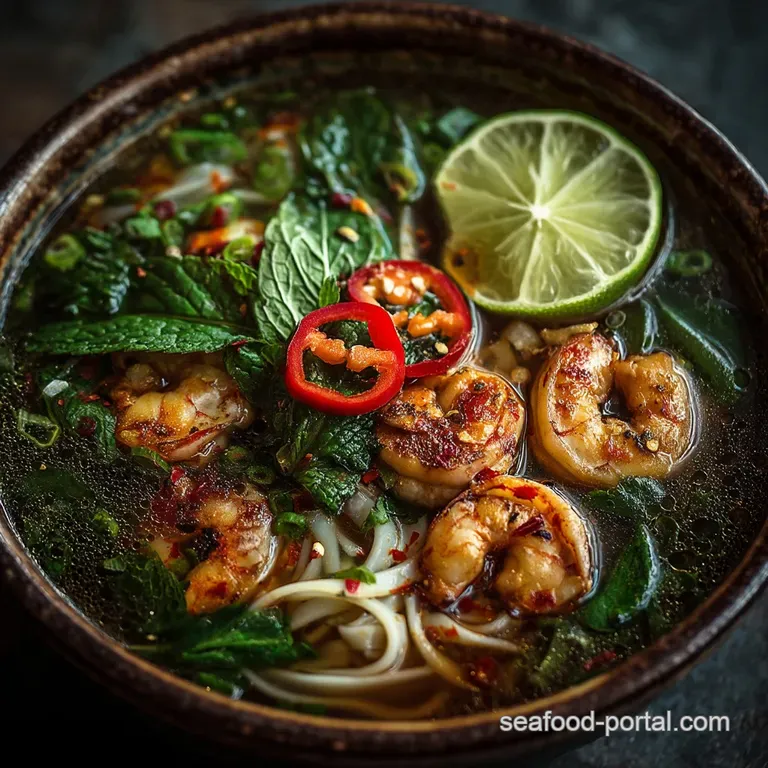
Preparing all components efficiently is essential when time is of the essence. A streamlined prep station ensures a smooth transition from cooking the broth to final assembly.
Sourcing the Best: Choosing Quality Shrimp and Stock
The quality of your main protein defines the dish. Opt for large, raw prawns (about 450g) that are firm and opaque. If possible, buy them whole, as reserving the shells and heads from these prawns is vital for maximizing flavour in the broth. As for the liquid base, low-sodium chicken stock is mandatory.
If the stock is already too salty, you risk over salting the final dish when you add the fish sauce and make final adjustments.
Aromatic Charring Essentials (Spices and Root Vegetables)
For the broth aromatics, you will require a large yellow onion and a substantial 4 inch piece of ginger root. The secret here lies in not peeling the onion; the papery skin contributes extra colour and depth when charred.
These, along with the whole spices, will be subjected to high heat prior to simmering, dramatically accelerating the flavour release and imparting the signature smoky note necessary for traditional pho depth.
The Freshest Finishes: Garnishes That Complete the Experience
Pho is arguably incomplete without its accompaniments. The interplay between the hot, rich broth and the cool, crisp garnishes is mandatory. Gather fresh Thai basil (not Italian!), crisp bean sprouts, fresh coriander, lime wedges, and thinly sliced jalapeño or Thai chillies for heat.
Plus,, wafer thin slices of raw red onion or shallot are essential for their slight acidic bite that contrasts the sweetness of the shrimp.
Kitchen Gear Required for Perfect Pho Assembly
You don’t need specialized equipment, but the right gear makes the job easier. A large stockpot (at least 6-quart/6 Litre capacity) is necessary for simmering the 2 Litres of broth. A sturdy dry skillet is vital for charring the aromatics and toasting the spices.
Finally, a fine mesh strainer or cheesecloth is non-negotiable for achieving a clear broth, separating the liquid from all the spent solids and spices.
Related Recipes Worth Trying
- Our Best Ever Olive Garden Shrimp Scampi Recipe Copycat — Master the classic Olive Garden Shrimp Scampi recipe This copycat delivers tender shrimp in a rich buttery glossy lemongarlic sauce Perfect Italian Shrimp...
- GoldenCrusted Creamy Shrimp Pie with Tarragon Recipe — Forget soggy bottoms This Shrimp Pot Pie recipe features a buttery shortcrust and a rich tarragonlaced filling A comforting seafood bake thats perfect for...
- The Best New Orleans Shrimp Etouffee Recipe RouxBased Comfort — Master this authentic New Orleans Shrimp Etouffee We walk you through the dark roux stepbystep for the richest Cajun Shrimp Etouffee imaginable
Mastering the Broth: From Shells to Sublime Stock
The process begins by focusing on the aromatics. Place the halved, unpeeled onion and the sliced ginger directly onto a very hot, dry skillet. Allow them to char aggressively for 8 to 10 minutes until deeply blackened and soft.
Simultaneously, briefly toast your whole spices star anise, cinnamon, cloves, and cardamom in the same dry pan until highly fragrant (about 2 minutes), being careful not to burn them.
Transfer the charred aromatics and toasted spices into your stockpot. Add the 8 cups of quality chicken stock and, critically, the reserved shrimp shells. Bring the mixture to a boil, then immediately reduce the heat to a gentle, rolling simmer. Season the liquid with the fish sauce and rock sugar.
Over the next 30 minutes, maintain a gentle simmer and use a ladle to regularly skim any impurities or foam that rises to the surface. This skimming process is paramount for achieving a beautifully clear Shrimp Pho Broth .
Once the time is up, carefully strain the broth through your fine mesh sieve into a clean pot, discarding all solids. Taste, adjust the seasoning, and keep it piping hot.
The Final Vietnamese Noodle Bowl Construction
The final phase involves swift preparation of the protein and noodles, followed by expert layering to produce the perfect bowl of Shrimp Pho .
Step 1: Charring the Aromatics for Maximum Release
While the broth narrative described the initial actions, remember that this step defines the entire flavour base. The blackening of the ginger and onion releases deep, caramelized sugars and smokiness, which are then infused into the liquid base.
Step 2: Rapid Broth Infusion (The 30-Minute Turbo Boost)
The half hour simmer, enhanced by the shrimp shells, is the secret to this rapid Shrimp Pho Recipe . It’s a delicate balance: long enough to extract the rich seafood notes and aromatic warmth from the spices, but short enough to retain the fresh, light quality that characterizes Asian Shrimp Soup Recipes rather than a heavy stew.
Step 3: Quick Poaching the Shrimp and Noodle Prep
First, prepare the 400g of rice noodles according to package directions usually involving a quick soak or boil, followed by an immediate rinse in cold water to stop the cooking and prevent sticking. Place portions of drained noodles into your serving bowls.
Next, and this step requires precision: gently lower the peeled and deveined 450g of raw shrimp directly into the simmering hot strained broth for no more than 1 to 2 minutes. As soon as the prawns curl and turn opaque pink, remove them instantly using a slotted spoon or spider.
This brief blanching ensures they are perfectly tender.
Step 4: Layering the Flavors for Serving Shrimp Pho
With the noodles and blanched shrimp ready, place the shrimp on top of the noodles in the bowls, along with a few slices of the wafer thin raw red onion. Finally, ladle the boiling hot Shrimp Pho Soup directly over the noodles and shrimp.
Serve immediately alongside the platter of fresh garnishes (basil, sprouts, chillies, lime), allowing each diner to customize their bowl of this wonderful Vietnamese Recipes Soup .
Chef's Notes: Ensuring Your Pho Success
To master this Quick Shrimp Pho , remember these cardinal rules. First off,, Do Not Skip the Charring ; raw ginger and onion will ruin the broth.
Next,, harness Shell Power —the reserved shells are an inexpensive source of intense flavour that drastically cuts down on simmering time. Thirdly, maintain a relentless focus on Skimming ; a clear broth is the hallmark of quality pho, achieved by removing proteins and impurities as they rise.
Finally, Mind the Timing when blanching the shrimp; overcooked shrimp are rubbery and tough, so 90 seconds in the hot liquid is often all they need.
Storage, Customization, and Nutrition Deep Dive
Addressing Common Broth Clarity Challenges
If your Shrimp Pho Broth appears cloudy, the most likely culprit is either the broth being brought to a rolling boil rather than a gentle simmer, or inadequate skimming.
To fix this, always cook the broth low and slow, and use the finest strainer available (or line your strainer with cheesecloth) during the clarification step before final seasoning.
Variations: Making it Vegetarian or Adding Beef Components
While this is a specific Shrimp Pho Recipe , the broth base is highly customizable. For a vegetarian version, substitute the shrimp shells with dried shiitake mushrooms for a powerful umami base, and use firm tofu or king oyster mushrooms as the protein.
If you are serving both seafood and red meat lovers, you can quickly add thinly sliced raw beef sirloin (the cut used in Phở Tái) directly to the serving bowl before pouring the boiling broth over it.
Maximizing Leftovers: Safely Storing and Reheating
Never store leftover noodles, garnishes, and broth together. The noodles will soak up the liquid and become mushy. Store the cooled, strained Shrimp Pho Soup in an airtight container in the refrigerator for up to four days. Store the cooked shrimp separately, and keep the fresh garnishes chilled.
To reheat, bring the broth back up to a fierce boil, prepare fresh noodles, and combine them immediately before serving.
Understanding the Nutritional Value per Serving
This recipe is inherently lighter than its red-meat cousins. Based on the generous four serving yield, each bowl provides approximately 350 to 400 calories and boasts a significant protein content (around 30g per serving), primarily from the shrimp.
The carbohydrate count (around 55g) comes primarily from the rice noodles. Using low-sodium stock allows for better control over the final sodium content, keeping this Asian Shrimp Soup Recipes option satisfying and restorative.
Recipe FAQs
This sounds a bit quick for proper Pho is there a secret to getting that deep, complex flavour in this Shrimp Pho?
Absolutely. While traditional Pho often takes a day and a half (which is simply not on the cards for a Tuesday night), the secret weapon here is the reserved shrimp shells and heads!
Simmering them briefly (30 minutes maximum) acts like a turbocharger, creating a deep seafood backbone that complements the chicken stock. Don’t forget that crucial fish sauce and sugar balance it’s the final seasoning that makes this quick Shrimp Pho a proper cracker.
Charring the ginger and onion seems a bit bonkers is that step really necessary for the flavour?
It may seem a little unusual, but charring is vital it’s what separates a lovely soup from authentic Pho. Blackening the ginger and onion caramelises the sugars and removes their harsh, sulfuric rawness, introducing the smoky, earthy base note required for the classic aromatic depth.
This step is non-negotiable for that truly restorative flavour, and don't worry, the strainer removes the charred bits afterwards!
I always make the shrimp rubbery when I boil them. What's the trick to getting them lovely and tender?
Ah, the cardinal sin of overcooked seafood! The key is blanching, not boiling. Remove the broth from the heat and gently simmer the shrimp for only 90 seconds right before serving, or even place the raw shrimp directly over the noodles and let the boiling hot strained broth cook them instantly upon pouring.
This method ensures they are perfectly cooked and sweet, remaining delicate rather than tough.
If I make a huge batch of the broth, can I freeze it for a rainy day?
Absolutely, the strained broth is perfectly freezable! Let it cool completely, then portion it into airtight containers or heavy duty freezer bags it will keep well for up to three months.
When you fancy a quick supper, you just need to thaw and heat the broth, cook fresh noodles, and add the protein; it's a proper lifesaver for busy weeks.
Is this Shrimp Pho a decent shout for a healthy weeknight meal?
Yes, compared to heavier traditional beef pho, this version is generally a lighter option, making it a brilliant choice for a nutritious dinner. It’s naturally lower in fat and high in lean protein from the prawns, plus the broth is packed with warming spices and fresh veg garnishes.
Just be mindful of the sodium level, especially if you go heavy on the fish sauce or supplementary condiments like Sriracha.
Quick Aromatic Shrimp Pho Pho Tom