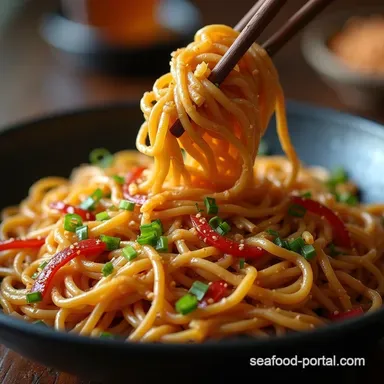
Wok Wizardry Ultimate Soy Sauce Pan Fried Noodles Chow Mein Style
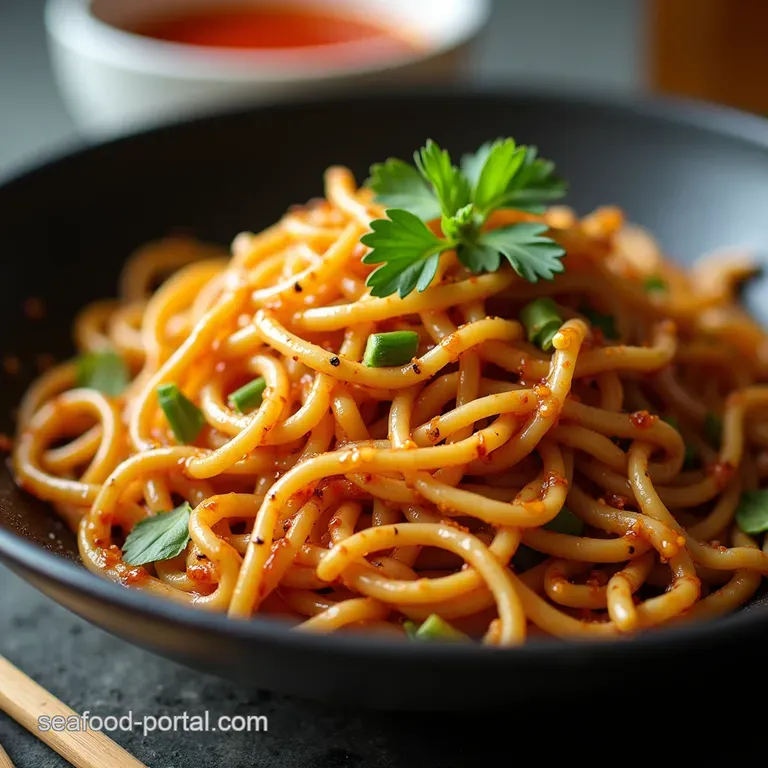
- Why This Soy Sauce Pan Fried Noodles Recipe Outshines Takeout
- The Anatomy of the Perfect Umami Hit
- Essential Components for Flavourful Pan Fried Noodles
- Selecting the Ideal Noodle Base for Superior Texture
- Mastering the Noodle Treatment: Pre-Cooking Secrets
- The High-Heat Technique: Frying Your Way to Perfection
- Customizing Your Comfort: Ingredient Swaps and Upgrades
- Troubleshooting and Pro-Tips for Consistent Results
- Recipe FAQs
- 📝 Recipe Card
Why This Soy Sauce pan fried Noodles Recipe Outshines Takeout
There’s a specific, comforting aroma that fills the kitchen when you successfully recreate a classic takeaway staple at home. This Soy Sauce pan fried Noodles recipe is designed to be the one you return to again and again.
Many recipes for Soy Sauce Noodles rely too heavily on salt, resulting in a flat flavour profile. Ours focuses on building layers a meticulous balance of sweet, salty, dark, and aromatic notes that deliver that unmistakable savoury punch.
We aren't just making stir fry ; we are crafting a deeply satisfying experience, nailing the texture and flavour that often falls short when ordering in. This approach transforms simple ingredients into something truly exceptional, proving that the best Stir Fry Noodles Recipe is often the one made fresh, fast, and hot in your own kitchen.
The Anatomy of the Perfect Umami Hit
Achieving that addictive, rich flavour in Cantonese Soy Sauce pan fried Noodles requires looking beyond just pouring soy sauce into the pan. True depth comes from the precise combination of specific ingredients used at the right time.
This is where the magic of umami truly unfolds, binding the noodles and vegetables together into one harmonious bite.
Unlocking Deep Flavour: Beyond Just Soy Sauce
While light soy sauce provides the necessary salinity, the secret weapon here is Dark Sweet Soy Sauce . This ingredient is thicker, less salty, and carries molasses undertones that caramelize beautifully under heat, giving the pan fried Noodles their signature deep mahogany colour and subtle sweetness.
Coupled with the savoury depth of oyster sauce (or its vegetarian equivalent), we create a base that sings with complexity, ensuring every strand of noodle is coated in pure, satisfying flavour.
The Satisfying 'Wok Hei' Taste, Achieved at Home
The coveted "breath of the wok," or Wok Hei , refers to the unique, slightly smoky char achieved when food hits incredibly high heat. While a traditional wok burner is intense, you can emulate this in a home kitchen.
The key is using a heavy bottomed skillet or a carbon steel wok and ensuring it is screaming hot before anything touches the oil. This high temperature prevents the noodles from steaming, instead encouraging a light crisping and charring that elevates these Fried Noodles With Vegetables from merely good to unforgettable.
Quick Satisfaction: Dinner Ready in Under 25 Minutes
One of the major draws of this recipe is its incredible speed. With about 20 minutes dedicated to prepping slicing vegetables, cutting protein, and whisking the sauce the active cooking time is blisteringly fast, clocking in at just 10 to 12 minutes.
This makes our Simple pan fried Noodles an ideal candidate for busy weeknights when you need a flavourful, substantial meal without spending hours at the stove.
Essential Components for Flavourful pan fried Noodles
A truly great batch of Soy Sauce Stir Fry Noodles relies on having the right players on your cutting board before the heat even comes on. Because the cooking process is so rapid, everything must be prepped, measured, and ready to go this is known as mise en place .
The quality of your protein, the freshness of your vegetables, and the precision of your sauce blend are non-negotiable for success.
Selecting the Ideal Noodle Base for Superior Texture
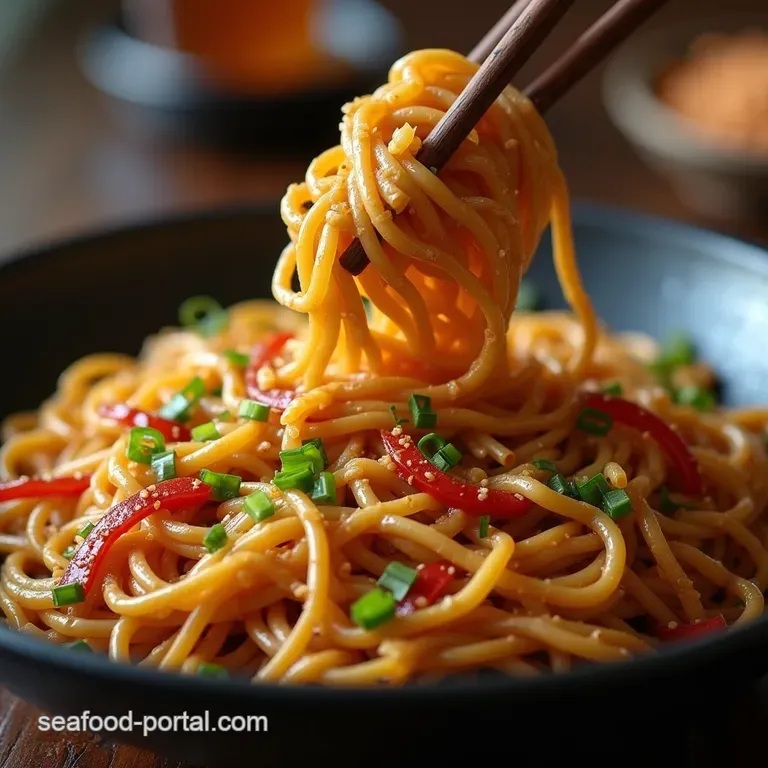
The texture of the noodle dictates the success of the entire dish. For this authentic style, dried egg noodles (often labelled as Chow Mein noodles) are the gold standard. They have the perfect chewiness and hold up exceptionally well to high heat frying without breaking down into mush.
When boiling them, aim for al dente —slightly undercooked. They must be cooked just enough to soften, as they will absorb moisture and continue cooking when tossed in the hot wok.
A quick rinse with cold water after draining stops the cooking process immediately and prevents the strands from clumping together later.
Building Blocks of the Signature Sauce Blend
The sauce requires a precise balance. We use 4 tablespoons of light soy sauce for salinity, countered by 2 tablespoons of dark sweet soy sauce for depth and colour. To balance the intensity, 1 tablespoon of oyster sauce adds backbone, while 1 tablespoon of toasted sesame oil provides that essential nutty finish.
A mere teaspoon of sugar is critical; it doesn't make the dish sweet, but rather rounds out the harsh edges of the salt and boosts the caramelization process when frying. A half teaspoon of white pepper offers a subtle, clean heat.
The Aromatic Vegetables: Prep Matters Most
For successful Wok-fried Noodles With Vegetables , consistency in slicing is key so that everything cooks evenly and quickly. Thinly sliced onions and julienned carrots provide necessary structure and sweetness. Cabbage adds volume and a slight crunch, which we want to retain.
Crucially, the aromatics garlic and ginger must be finely minced or grated to release their flavour rapidly into the hot oil. Finally, fresh bean sprouts and the green parts of the scallions are added right at the very end, off the heat, to keep their snap.
Essential Kitchen Gear for High Heat Stir Frying
While a dedicated wok is fantastic, the most important tool is anything that conducts and retains high heat well. A large, heavy bottomed stainless steel skillet will suffice if you don't have a wok. The rule is simple: do not overcrowd the pan .
If you are doubling the recipe, cook it in two separate batches. Overcrowding drops the temperature, leading to steamed, soggy noodles rather than perfectly fried ones.
Related Recipes Worth Trying
- Foolproof Baked Miso Salmon Sheet Pan Umami Dinner — Transform salmon fillets with our simple umamipacked miso glaze This easy baked miso salmon recipe cooks on one sheet pan for minimal washing up Get the recipe
- Ultimate Seafood Boil with Signature Garlic Butter Sauce — Whip up the ultimate Seafood Boil with Garlic Butter Sauce This authentic recipe delivers tender crab and shrimp smothered in Liquid Gold Easy steps inside
- UltraCrispy Air Fryer Korean Fried Chicken Bites Recipe — Forget the deep fryer Get the shatteringly crisp crunch of Korean fried chicken bites with this easy air fryer recipe Perfect for a weeknight snack
Mastering the Noodle Treatment: Pre-Cooking Secrets
The preparation of the noodles is often where home cooks falter. If you boil the noodles until fully tender, they will break apart and become gluey when you begin the vigorous tossing required for stir frying. Instead, boil them for about 1 to 2 minutes less than the package suggests.
Immediately after draining, toss them gently with about half a tablespoon of neutral cooking oil. This coating is vital; it prevents the sticky starch residue from gluing the strands together into one solid mass before they ever hit the heat. They should be springy, slightly stiff, and ready to absorb the sauce.
The High Heat Technique: Frying Your Way to Perfection
Once your prep work is complete, the actual cooking phase moves at a breakneck pace. Success hinges on sequential layering of ingredients based on their required cooking time.
Step 1: Preparing the Sauce Base for Quick Integration
Before you even turn on the flame, ensure your signature sauce mixture is thoroughly whisked in a bowl nearby. This pre-mixing step is essential because once the heat is on, you won't have time to measure or stir spices; you need to pour and toss immediately.
Step 2: Searing Aromatics and Crisp Vegetables
Heat your wok until it's smoking hot you should see a wisp of smoke when you add the initial tablespoon of oil. Sear your prepared protein (chicken or tofu) quickly until it’s browned and cooked through, then remove it immediately.
Next, add a fresh tablespoon of oil and introduce your harder vegetables (onions and carrots) first, frying them vigorously for about two minutes. Introduce the minced garlic and grated ginger last, cooking them only for about 30 seconds until intensely fragrant; burning aromatics ruins the entire dish.
Step 3: Tossing the Noodles and Sauce Infusion
Return the seared protein to the wok along with the shredded cabbage and the white parts of the scallions. Now, toss in the pre-cooked noodles. Pour the pre-mixed sauce evenly over the noodles. The goal now is maximum heat. Toss and fold constantly.
This action marries the ingredients while the intense heat begins to evaporate excess moisture, allowing the sauce to adhere perfectly to the strands.
Achieving the Caramelised Finish on Your Soy Sauce pan fried Noodles
This final stage is where the flavour deepens. As you toss, allow sections of the noodles to briefly rest on the hot surface of the wok for a few seconds this is what creates the coveted char.
Continue tossing rapidly for two to three minutes until the sauce has been fully absorbed and the noodles look beautifully stained. Just before serving, remove the wok from the direct heat source, quickly fold in the fresh bean sprouts and the green scallion tips, and serve immediately to capture that perfect textural contrast.
Customizing Your Comfort: Ingredient Swaps and Upgrades
While the base Soy Sauce pan fried Noodles Recipe is robust, these noodles are wonderful vehicles for customization. For a heartier meal, consider adding thin slices of roasted pork belly or shrimp alongside the chicken.
If you prefer more colour, quick blanched broccoli florets or slivers of red bell pepper integrate beautifully. For a vegan approach, pressed, marinated tofu or chunks of seitan stand up well to the high heat and rich sauce profile.
Troubleshooting and Pro-Tips for Consistent Results
Achieving perfection requires attention to detail, especially concerning moisture management and heat control.
Protein Power: Simple Additions to Boost Your Meal
When preparing chicken or pork, toss the slices with a touch of cornstarch before searing. This simple step protects the meat from overcooking while it's sitting aside, and the cornstarch residue in the wok subtly helps thicken the final sauce, creating a beautiful glaze for your pan fried Noodles .
Storage Protocols for Leftover pan fried Goodness
If you find yourself with leftovers (though unlikely!), ensure they are stored in an airtight container in the refrigerator within two hours. They reheat best by splashing a tablespoon of water or broth into the pan before stirring vigorously over medium heat, which reintroduces the necessary steam to soften them without drying them out.
Common Pitfalls to Avoid When Stir Frying Noodles
The number one mistake is temperature collapse. If you add the sauce or vegetables when the wok isn't hot enough, the ingredients will weep moisture, resulting in a soupy mess instead of beautifully coated Fried Noodles With Vegetables .
Always ensure the wok is hot, add oil, wait for it to shimmer, and then add your ingredients in quick succession.
Nutritional Snapshot of This Savoury Classic
While undeniably satisfying, these noodles are naturally high in sodium due to the soy sauce content. Per serving, you can anticipate a caloric count in the mid-500s, with a strong carbohydrate base and significant protein contribution, depending on your protein choice.
When planning your meal, consider balancing this richness with a lighter, vinegar based side salad to complement the intense savoury profile of these ultimate Soy Sauce Stir Fry Noodles .
Recipe FAQs
My Soy Sauce pan fried Noodles always turn out a bit clumpy or mushy. What's the secret to perfectly separate noodles?
That's a classic pitfall, often caused by overcooking the noodles initially or not separating them properly. When you drain them, give them a very quick rinse under cold water to halt the cooking process and wash off surface starch.
Then, toss them immediately with a tiny bit of oil before they even hit the hot wok it’s like giving them a little protective slick!
Why does the recipe insist on both Light and Dark Soy Sauce for these noodles? Can I just use regular soy sauce?
While you could get by with just regular soy sauce, you’d lose half the authentic flavour profile. Light soy sauce is for salinity, but the Dark Sweet Soy Sauce is crucial for that deep, mahogany colour and a slight caramelised sweetness.
Without it, your dish will look pale and lack that restaurant quality depth.
I don't have a wok; can I still achieve that smoky 'Wok Hei' flavour with a regular frying pan?
Absolutely, you can fake it till you make it! The key to Wok Hei (the breath of the wok) is intense, consistent heat and not overcrowding the pan. Use the heaviest, largest skillet you own, let it get screaming hot before adding oil, and cook the ingredients in smaller batches if you need to.
Don't be shy about turning the heat right up when you add the sauce!
How long do these Soy Sauce pan fried Noodles keep in the fridge, and do they reheat well?
These noodles are best eaten fresh, but they will keep well in an airtight container in the fridge for up to three days though they might stiffen up a bit. To reheat, avoid the microwave if you can; a little splash of water or stock in a hot pan with a lid will steam them back to life beautifully, restoring that springy texture.
I'm trying to cut back on sodium. What’s the best way to reduce saltiness in this recipe?
Sodium is admittedly high due to the nature of soy sauce, but you have options. Use low-sodium soy sauce for the light soy component, and dial back the oyster sauce by a teaspoon. You can compensate for lost flavour by boosting the aromatics add a bit more fresh ginger and garlic, or include a splash of rice vinegar right at the end for brightness.
The Ultimate Soy Sauce pan fried Noodles Recipe Under 35 Mins