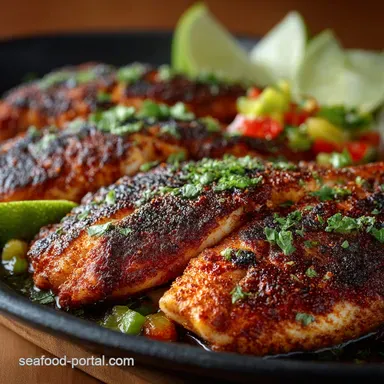
Smokehouse Sensation Perfectly Blackened Tilapia in Under 20 Minutes
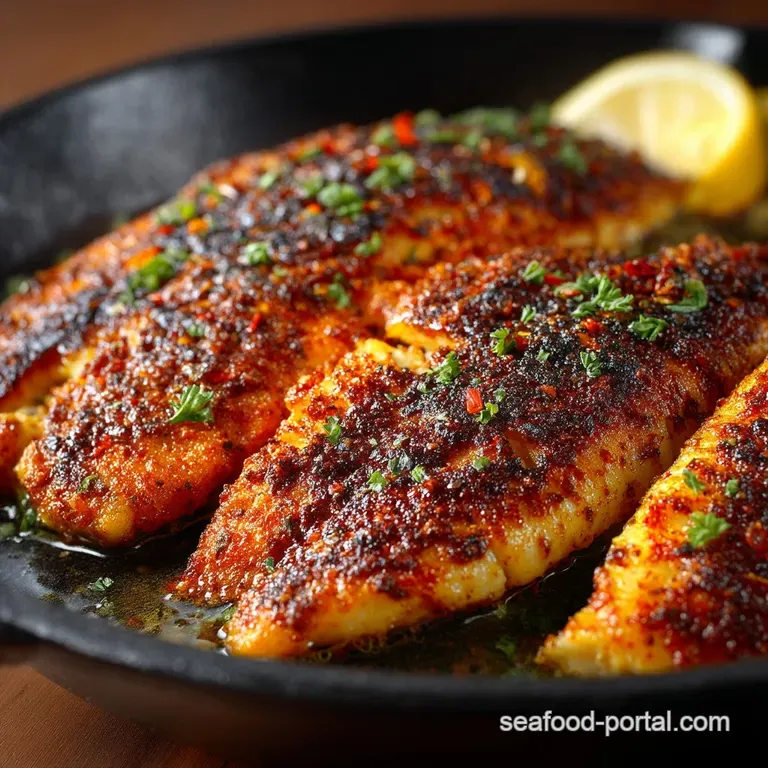
- Unlock the Secret to Deep Southern Flavor: Fast Fish Perfection
- Why Blackening Tilapia Transforms Weeknight Meals
- Assembling Your Essential Blackening Arsenal
- The Anatomy of an Authentic Cajun Spice Rub
- The Definitive Step-by-Step Guide to Perfect Blackening
- Optimizing Your Experience: Tips, Twists, and Troubleshooting
- Recipe FAQs
- 📝 Recipe Card
Unlock the Secret to Deep Southern Flavor: Fast Fish Perfection
There are certain culinary techniques that promise massive flavour payoff for minimal time investment, and nothing fits that description better than blackening. This method, famously championed by Chef Paul Prudhomme, involves coating a protein in a rich spice blend and searing it in a scorching hot, butter laden cast iron skillet until a dark, deeply flavourful crust forms.
While often associated with heavier fish, using this technique on tilapia yields spectacular results. This Blackened Tilapia Recipe is your gateway to an incredibly fast, yet intensely satisfying meal that truly tastes like it simmered for hours.
Forget bland fish; we are diving headfirst into powerful, aromatic Southern cooking right in your own kitchen, proving this is one of the Easy Tilapia Dinner Recipes you need in your rotation.
Why Blackening Tilapia Transforms Weeknight Meals
Tilapia, being a lean and relatively mild white fish, is often underutilized because it can easily dry out or lack personality. The blackening process fixes both problems simultaneously.
By surrounding the delicate flesh with high heat and a fortress of spices, the outside develops a robust, nearly smoky char while the inside steams perfectly, remaining moist. It’s flavour layering at its finest, making it adaptable for everything from a main course to fantastic Blackened Tilapia Tacos .
The Magic of the Maillard Reaction on Lean Fish
The science behind the dark crust is the Maillard reaction the complex chemical process between amino acids and reducing sugars that creates hundreds of flavour compounds when heat is applied.
In traditional blackening, the butter and the coating of flour mixed with sugar (found naturally in onion and garlic powders, plus the paprika) facilitate this intense browning almost instantaneously on the cast iron.
This reaction is what distinguishes true blackening from simple seasoning and searing, delivering that sought after depth.
A Flavor Profile Breakdown: Heat Meets Herbaceous Depth
The success of this preparation hinges entirely on the spice rub. We aim for a profile that balances fiery warmth with earthiness. You get the immediate punch from cayenne pepper, grounded by the savory base notes of garlic and onion powder, and lifted by the aromatic warmth of oregano and thyme.
The smoked paprika is non-negotiable; it provides the illusion of wood smoke, elevating the final taste profile dramatically.
Setting Expectations: The Quickest Route to Craveable Blackened Tilapia
When done correctly, this preparation is shockingly quick. With about 10 minutes of active preparation to mix your rub and dredge the fish, and only about 6 to 8 minutes of high heat cooking, you can have a fully seasoned, flavour packed meal ready in under 20 minutes.
This speed is why it excels as a go-to meal, whether you're aiming for a simple plate or preparing fillings for a Blackened Tilapia Sandwich .
Assembling Your Essential Blackening Arsenal
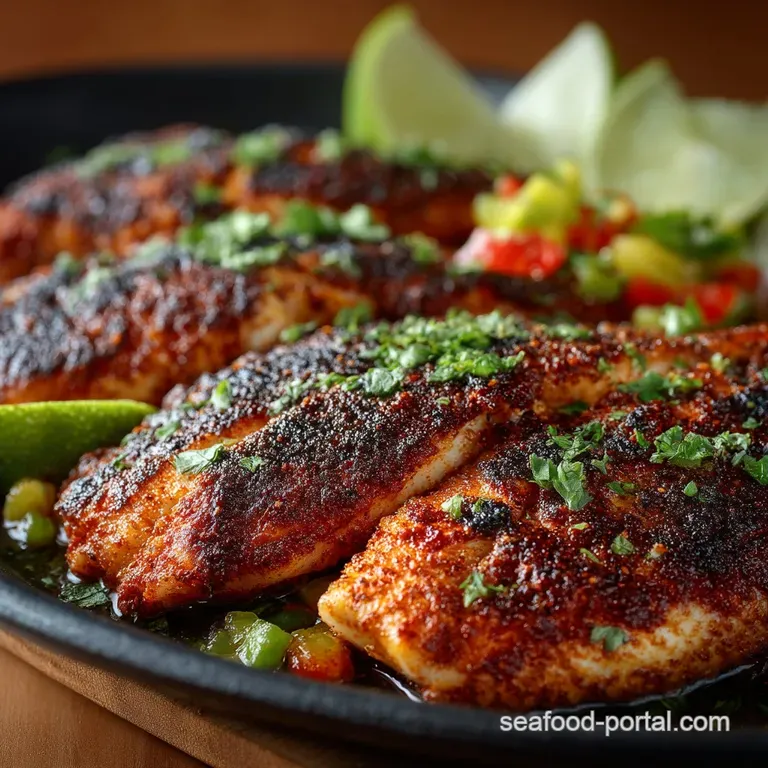
To execute this dish successfully, you need the right components specifically, the right blend of spices and the proper tools to withstand the heat. We are creating a signature rub that will become your new pantry staple.
Related Recipes Worth Trying
- Cast Iron Charmer 20Minute Smoky Blackened Salmon Fillets — Say goodbye to bland fish This easy Blackened Salmon Recipe gives you a perfect flavourpacked crust in under 25 minutes A fantastic weeknight dinner solution
- Blackened Salmon with Creamy Dijon Sauce 30 Min — Forget takeout This Blackened Salmon Recipe delivers a fiery crust and a silky Dijon Cream Sauceperfect for a healthy weeknight dinner
- Quick Glossy Honey Garlic Glazed Tilapia Recipe 25 Mins — Tired of boring fish This Easy Tilapia Recipe delivers a sticky Honey Garlic Glazed Tilapia thats ready in under 30 minutes Perfect for a quick weeknight dinner
The Anatomy of an Authentic Cajun Spice Rub
The heart of this technique lies in creating a generous, flavour forward coating. We are using a blend heavily reliant on paprika for color and depth, complemented by the classic Southern herbs.
Required Provisions: Fish, Fat, and Flour Foundation
For the fish itself, four medium tilapia fillets, skin removed, are perfect for a standard four serving meal. The essential coating process requires three steps: first, a light dusting of all-purpose flour (which helps the butter adhere and aids in crust formation); second, a dip in melted unsalted butter (the vehicle for the spices and the searing medium); and finally, the spice rub itself.
We will also incorporate a small amount of high smoke point oil, like canola or grapeseed, into the very hot skillet to prevent the butter solids from scorching too quickly.
Mastering the Spice Blend Ratio: Quantity Over Everything
When making your Blackened Tilapia Seasoning , quantity matters as much as quality. You need enough rub to truly coat the fish thickly, as this coating is what protects the flesh from burning instantly.
A robust mix calls for 2 tablespoons of Smoked Paprika, equal parts Thyme, Oregano, Garlic Powder, and Onion Powder (1 tablespoon each), balanced with 1 teaspoon each of kosher salt, black pepper, and cayenne pepper. Whisk these together thoroughly; you want every element distributed evenly before you start dredging.
Tool Check: Essential Cookware for High Heat Searing
There is no substitute for a heavy bottomed, well seasoned cast iron skillet when aiming for the best way to cook blackened tilapia . Cast iron retains heat like nothing else, which is absolutely crucial for achieving that dark crust without overcooking the delicate fish.
Ensure your skillet is large enough to handle all four fillets without crowding, which can drop the pan temperature too low.
The Definitive step-by-step Guide to Perfect Blackening
Once your components are gathered, the cooking process is a rapid, high energy sequence that demands attention but moves swiftly from start to finish.
Prep Work: Coating the Fillets for Maximum Adhesion
First, pat your tilapia fillets completely dry using paper towels. Moisture is the enemy of a good sear. Set up your dredging station: one plate with the flour, one small bowl with the melted butter, and one plate piled high with your prepared spice rub. Dredge each fillet lightly in the flour, shaking off any excess.
Next, brush or quickly dip both sides in the butter, allowing any heavy drips to fall off. Finally, press the buttered sides firmly into the spice mixture, ensuring a thick, even layer of seasoning sticks to every surface.
Heating the Cast Iron: Reaching the Crucial Temperature Threshold
Place your empty cast iron skillet over high heat. Allow it to preheat for at least five minutes it needs to be screaming hot. Add about 2 tablespoons of high smoke point oil and let that heat up until you see the faintest wisps of smoke begin to rise.
This high temperature is essential for achieving that immediate, dark crust.
The Searing Sequence: Timing Your Blackened Tilapia Turns
Carefully lay the seasoned fillets away from you into the hot pan. You should hear an immediate, aggressive sizzle. Do not move them! Let them sear undisturbed for 3 to 4 minutes. This is where the magic happens, forming the namesake crust.
After the first side is deeply blackened, use tongs to carefully flip the fish. Cook the second side for only 2 to 3 minutes more, until the fish is opaque and flakes easily, hitting that internal target of 145° F ( 63° C).
Resting and Serving: Preserving Juiciness Post Sear
Because the cook time is so brief and intense, the fish benefits greatly from a short rest. Remove the fillets immediately from the hot skillet and place them on a wire rack or plate for just two minutes.
This allows the juices, which have been driven to the center by the heat, to redistribute, guaranteeing that your Blackened Tilapia remains incredibly succulent.
Optimizing Your Experience: Tips, Twists, and Troubleshooting
While the method is quick, mastering the smoke and heat is key to ensuring you have delicious flavour, not scorched bitterness.
Adjusting Heat Levels: Taming or Amping the Spice
If you are sensitive to heat, remember the cayenne pepper is adjustable. Reducing it to half a teaspoon will still yield great flavor without the intense burn. Conversely, if you are looking for extreme heat, consider adding a pinch of chipotle powder to the rub for added smokiness and fire.
Safe Storage and Reheating of Leftover Blackened Fillets
If you have leftovers, it is always best to eat them cold, perhaps flaked over a salad. If reheating is necessary, avoid the microwave, which will make them rubbery. The Blackened Tilapia Air Fryer method is your best friend here: reheat briefly at 350° F ( 175° C) for 3- 4 minutes.
If you are planning ahead, consider Grilled Blackened Tilapia instead, as grilled fish often reheats slightly better.
Beyond Tilapia: Applying This Technique to Other Seafood
This seasoning works wonders on almost any protein! For a different take, try this rub on thicker white fish like cod or snapper, or even shrimp. This technique is also incredibly popular for making Blackened Tilapia Tacos , where the robust seasoning stands up perfectly against cool toppings like avocado cream.
Pairing Recommendations: Sides That Complement the Spice
Because the fish is so bold, you need sides that either match the intensity or provide a cool counterpoint. Creamy textures work wonderfully; consider serving alongside velvety grits or a bright, crunchy vinegar based coleslaw.
For a truly satisfying meal, try serving it over a bed of savory dirty rice or simply with some charred corn on the cob.
Recipe FAQs
Why is my Blackened Tilapia coming out burnt and bitter instead of black and crusty?
Ah, that’s the classic novice mistake a common slip-up when you’re learning to manage high heat! The issue is usually that your cast iron skillet wasn't hot enough before the fish went in, or you used too little oil.
The spices need to sear instantly on contact; if they sit in a lukewarm pan, they burn the spices rather than blackening the flour coating, resulting in that bitter taste. Crank that heat up until the oil is nearly shimmering before placing the fish down!
Can I skip the flour coating when making Blackened Tilapia?
You certainly can, especially if you’re looking to cut down on refined carbs, but the flour plays an important role. The flour acts as a binder, helping the generous spice rub adhere evenly, and it provides structure for that signature, sturdy crust.
If you skip it, you'll still get great flavour from the spices, but the crust might flake off a bit more when you turn the fillets.
How do I store leftovers, and how long will they last?
If you're lucky enough to have any leftovers, the best way to store them is in an airtight container in the fridge, preferably separated from any sauce or moisture. They should keep well for up to three days.
When reheating, try to avoid the microwave if you want to keep that crust a quick blast in a toaster oven or a medium hot dry skillet is far better to revive the texture!
My smoke alarm is always going off! What’s the trick to cooking this without setting off the entire house?
Don't worry, you're not alone blackening is notorious for setting off the nearest smoke detector! This recipe demands high heat, so the main thing is ventilation. Turn your extractor fan up to maximum, crack open a window right near the stove, and if you have one, use a splatter screen for the initial sear.
A little smoke is unavoidable, but these steps should keep you from needing to wave a tea towel frantically!
I'm not a huge fan of spice; how can I tone down the heat in the blackening rub?
That’s perfectly fine; Cajun flavour is about herbs and smokiness just as much as heat. The cayenne pepper is the main culprit here, so you can easily reduce it to just a tiny pinch or skip it entirely.
To keep the flavour profile rich without the burn, boost the smoked paprika by an extra teaspoon that will give you that deep, smoky foundation that makes the dish so delicious.
Blackened Tilapia In 20 Mins