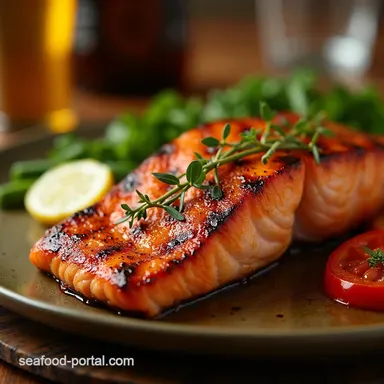
Smoky Sweet Perfectly Charred the Home Cooks Guide to Texas Roadhouse Grilled Salmon
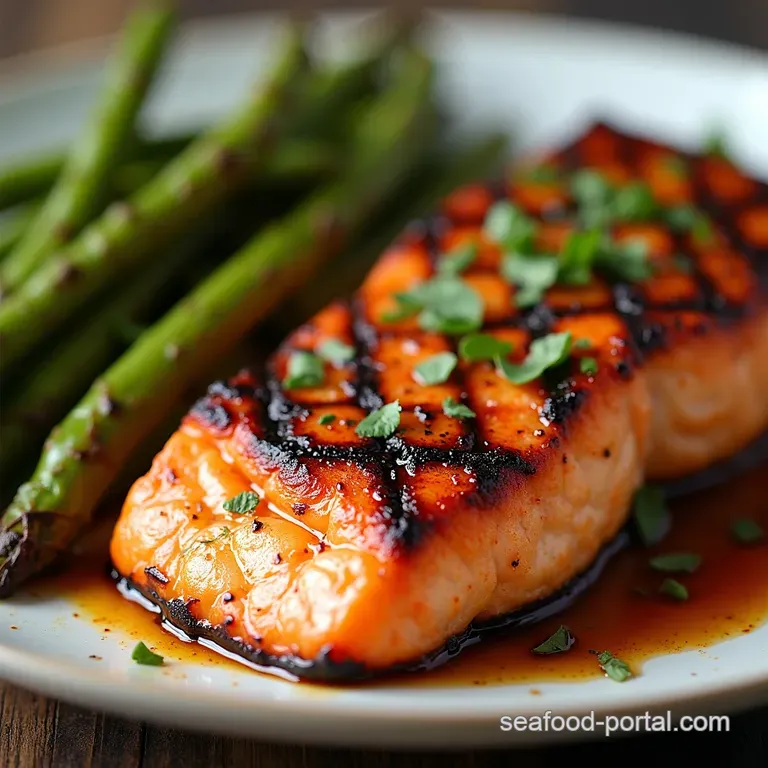
- Capturing the Steakhouse Magic: Why This Copycat Salmon Shines
- The Flavour Blueprint: Deconstructing the Signature Roadhouse Seasoning
- Assembling Your Roadhouse Flavour Arsenal: What You'll Need
- Igniting the Flames: The Step-by-Step Guide to Grilled Texas Roadhouse Salmon
- The Crucial Grilling Phases for Unbeatable Texture
- Elevating Your Plate: Perfect Pairings for Your Salmon
- Troubleshooting and Time-Saving Tips for Next Time
- Recipe FAQs
- 📝 Recipe Card
Capturing the Steakhouse Magic: Why This Copycat Salmon Shines
There’s something undeniably comforting and satisfying about the food served at a great American steakhouse bold flavours, generous portions, and that perfect whisper of smoke clinging to everything that hits the grill.
While their steaks often steal the spotlight, the Grilled Texas Roadhouse Salmon is a dark horse champion, offering a deeply satisfying experience that balances savoury depth with a pleasant, subtle sweetness.
Recreating this signature dish at home isn't just about approximation; it’s about mastering the unique dry-rub technique that locks in moisture and develops an incredible crust.
This Copycat Texas Roadhouse Salmon transforms a simple fillet into a restaurant worthy centerpiece, proving that an Easy Grilled Salmon Recipe can indeed deliver massive payoff.
If you're looking for an unforgettable Summer Cookout Salmon option that goes beyond typical lemon dill preparations, you’ve found your new go-to method.
The Flavour Blueprint: Deconstructing the Signature Roadhouse Seasoning
The secret sauce to achieving that highly sought after flavour profile lies entirely within the dry application before the fish ever touches the heat. We aren't basting a wet marinade here; we are creating a hardened, flavour packed shell that protects the delicate flesh beneath.
This seasoning mix hits all the right notes: the richness of paprika, the savoury punch of garlic and onion, and crucially, the hint of sweetness from brown sugar that caramelizes beautifully over the open flame.
Why You Need This Smoky Sweet Salmon on Your Grill Tonight
When you bite into this Texas Roadhouse Inspired Seafood , you immediately notice the complexity. The sweetness of the sugar meets the earthiness of the spice blend, resulting in a flavour that is both familiar and exciting.
This robust seasoning prevents the salmon from tasting "fishy" and instead amplifies its natural richness. It makes for a fantastic Weeknight Grilled Dinner because the prep is minimal, but the result feels incredibly indulgent.
On top of that,, the inclusion of smoked paprika ensures that even if you're using a gas grill, you still achieve that coveted Smoky Grilled Salmon essence.
Achieving That Iconic Char and Tender Interior
The main challenge when grilling fish is balance: achieving a beautiful exterior char without drying out the interior. Our approach focuses on high heat preparation coupled with the natural insulating properties of the salmon skin (if using skin-on fillets).
The sugars in the rub facilitate caramelization the browning we crave while the moderate thickness of the fillets allows the heat to penetrate evenly, resulting in incredibly Flaky Grilled Salmon every single time.
Essential Gear for Perfect Results
While you don't need a commercial kitchen, a few items make this process seamless. A reliable grill, whether charcoal or gas, is mandatory. Crucially, invest in a high-quality wire brush for grate cleaning and, ideally, an instant read thermometer.
Guesswork leads to disappointment with fish; precise internal temperature readings ensure perfect texture and prevent that dreaded overcooked dryness. Sturdy tongs and a thin, firm spatula are also essential for the careful flip required midway through cooking.
Assembling Your Roadhouse Flavour Arsenal: What You'll Need
This recipe is built on simplicity, requiring minimal components that pack maximum flavour impact. To achieve the true Grilled Texas Roadhouse Salmon Recipe experience, pay close attention to the quality of your spices, particularly the paprika. For four standard servings, we rely on four ounces of rich olive oil to coat the fish lightly, helping the rub adhere uniformly without burning instantly on the grates.
The Spice Blend Breakdown: Ratios for the Perfect Rub
The magic starts with a foundational blend. You will whisk together a quarter cup of packed brown sugar, one tablespoon of smoked paprika this is non-negotiable for that smoky depth one teaspoon each of kosher salt, granulated garlic, and onion powder, followed by a half teaspoon of freshly ground black pepper, and a small kick of cayenne, perhaps a quarter teaspoon, which you can adjust based on your spice tolerance.
Proper whisking ensures every flake of fish gets an even coating of this powerful seasoning profile.
Selecting and Prepping Your Salmon Fillets
For this preparation, aim for four center cut fillets, ideally around six ounces each and about one inch thick. Skin-on is highly recommended, as the skin protects the delicate flesh from the direct heat and provides a crucial barrier against sticking to the grill grates.
Ensure your fillets are completely dry; pat them down thoroughly with paper towels before any oil or seasoning touches them. This drying step is vital for establishing that initial crust we aim for.
Optional Enhancement: The Zesty Butter Finish
While the base recipe is spectacular on its own, a simple finishing butter elevates this to five star territory. In the final moments of preparation, consider melting two tablespoons of butter with a teaspoon of fresh lemon zest and a tiny pinch of dried parsley.
Brushing this over the hot salmon just as it comes off the heat adds a brilliant, fresh counterpoint to the richness of the rub.
Related Recipes Worth Trying
- 12Minute LemonDill Air Fryer Salmon Recipe — This easy air fryer salmon recipe delivers incredibly crispy skin and moist flaky flesh in under 15 minutes The perfect healthy dinner staple
- Easy Air Fryer Honey Garlic Salmon Recipe Ready in 25 Mins — Need a weeknight hero This Crispy Air Fryer Honey Garlic Salmon recipe delivers a sticky flavourful glaze in minutes Foolproof cooking guaranteed
- Easy LemonHerb Baked Salmon Flaky Perfection in 30 Mins — Master the best baked salmon recipe This easy baked salmon at 400 F delivers incredibly flaky results every time Ready for Tuesday tea
Igniting the Flames: The step-by-step Guide to Grilled Texas Roadhouse Salmon
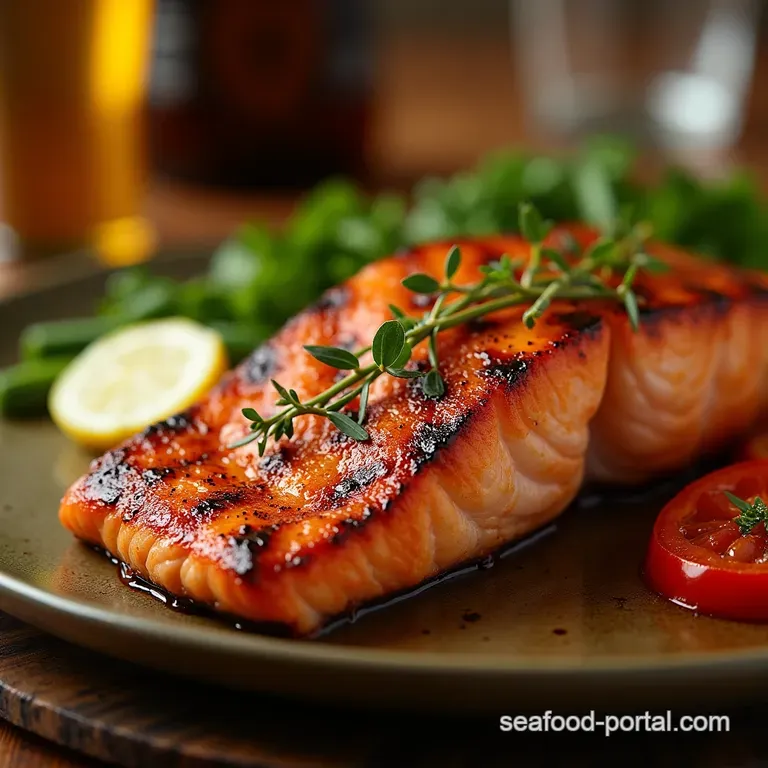
With your rub prepared and your fish patted dry, it’s time to marry the seasoning and the salmon. Lightly brush the fillets with olive oil just enough to make them tacky and then generously apply the dry rub mixture to all sides. Gently press the spices into the surface so they adhere firmly.
Allow the seasoned fish to rest on the counter for about 15 minutes; this brief resting time allows the salt to begin working and the flavours to penetrate the surface layer, ensuring a more flavourful final product.
The Crucial Grilling Phases for Unbeatable Texture
Grilling salmon requires respect for temperature control. Too low, and the fish will absorb smoke without searing; too high, and the sugars in the rub will scorch before the interior cooks. We are targeting medium high heat for this Easy Grilled Salmon Recipe .
Step One: Liberally Applying the Signature Seasoning
As mentioned, the rub must be applied with confidence. Don't just sprinkle; coat the surface so that when you look at the fillet, you see a layer of spiced caramel waiting to happen. Remember, this rub is what defines this dish as Grilled Texas Roadhouse Salmon .
Preheating Secrets: Dialing in Your Grill for Medium Heat
Set your gas grill burners to medium or your charcoal grill to medium heat aiming for a grate temperature around 400° F ( 200° C). Before placing the fish, scrub the grates vigorously while they heat up.
Then, using tongs and an oil-soaked paper towel, lightly grease the hot grates. This crucial pre-oiling step is your best defence against sticky setbacks, especially with skin-on fish.
The Sear and Cook Sequence: Avoiding Sticky Grates
Place the salmon fillets skin side down directly over the heat source. Close the lid and resist the urge to check them for at least five to seven minutes. The skin needs time to crisp and release cleanly from the hot metal. After this initial cook time, the fish should lift easily.
Flip carefully using a wide, thin spatula and cook for an additional four to seven minutes, depending on thickness.
Determining Doneness Without Overcooking
The greatest enemy of Flaky Grilled Salmon is overcooking. For medium doneness, use your instant read thermometer inserted into the thickest part of the fillet; you are looking for an internal temperature of 140° F ( 60° C).
Because it will continue to cook slightly off the heat, pulling it just shy of the target ensures a moist, tender centre when you serve your Smoky Grilled Salmon .
Elevating Your Plate: Perfect Pairings for Your Salmon
This robustly seasoned fish demands sides that can stand up to its bold flavour profile. When serving this Copycat Texas Roadhouse Salmon , think steakhouse classics reimagined for the grill or the quick stovetop finish. A crisp, vinegary element is essential to balance the sweet, smoky rub.
Recommended Side Dishes to Complete the Steakhouse Experience
To truly capture the steakhouse vibe for your Weeknight Grilled Dinner , pair the salmon with something hearty. A classic baked potato, loaded with sour cream, chives, and bacon bits, is the quintessential partner.
For a lighter touch, consider crisp tender asparagus or green beans sautéed quickly with garlic and a splash of balsamic vinegar. The acidity cuts through the richness of the fish perfectly.
Handling Thick Cuts vs. Thin Fillets on the Grill
When dealing with thicker cuts (over 1.5 inches), you might need to employ a two-zone grilling strategy searing over direct heat and then moving the fish to a cooler, indirect zone to finish cooking slowly.
Thinner fillets, conversely, may cook entirely on the direct heat, perhaps only needing 3- 4 minutes per side, so always monitor closely.
Can I Prepare the Rub Ahead of Time?
Absolutely! Preparing the rub ahead of time is a fantastic time saver for any Summer Cookout Salmon . Mix all the dry ingredients together thoroughly and store them in an airtight container at room temperature.
It will remain potent and ready to use for several weeks, allowing you to focus purely on grill management when it's time to cook.
Freezing and Reheating Smoked Salmon Fillets
While this salmon is best enjoyed fresh off the grill, leftovers can be stored. Cool the salmon completely, then wrap tightly in plastic wrap followed by foil before freezing for up to two months.
Reheat gently in a low oven (around 300° F or 150° C) or briefly steam it to restore moisture, remembering that reheating can slightly diminish the texture achieved by grilling.
Troubleshooting and Time Saving Tips for Next Time
Even expert grill masters face occasional challenges. If your salmon sticks slightly to the grate, that usually points to two things: the grate wasn't hot enough when the fish was placed down, or you didn't wait long enough for the skin to release naturally.
A quick, gentle wiggle with your spatula should tell you if it's ready to flip; if it tears, give it another 30 seconds. For faster prep next time, try using a grill basket designed for fish, which allows you to flip the entire unit without disturbing the delicate fillets individually.
Recipe FAQs
How do I stop my Grilled Texas Roadhouse Salmon from sticking to the grill grates?
Sticking happens to the best of us, usually because the skin isn't ready to let go! The trick is heat management: ensure your grates are scrubbed spotless and well oiled before you start.
Crucially, when you place the salmon skin side down, do not touch or move it for the first 5 7 minutes; the skin needs to crisp up before it naturally releases from the metal.
My salmon rub seems to be burning before the inside cooks what am I doing wrong?
That’s the brown sugar in the rub playing up! If your grill is too hot, the sugar caramelizes too fast and turns into charcoal. Aim for a medium high heat (around 400°F) and use the two-zone grilling method if possible sear over direct heat, then move to indirect heat to finish cooking gently.
This prevents burning while ensuring the fillet cooks through beautifully.
Can I make this Smoky Sweet & Perfectly Charred recipe ahead of time, or can it be stored?
You can certainly prep the signature rub mixture days in advance and keep it stored in an airtight jar it’s brilliant for shaking onto other meats, too. However, the cooked salmon is best eaten fresh off the grill.
Leftovers should be refrigerated promptly and are great flaked cold over a salad the next day, but they won't have that fresh off-the-barbecue char.
What internal temperature should I pull the salmon off the heat to ensure it's moist?
For perfectly moist, medium salmon the way we like it served in the States pull it off the heat when an instant read thermometer inserted into the thickest part reads 140°F (60°C).
Remember carryover cooking; the temperature will creep up another 3 5 degrees while it rests, bringing it right to the recommended safe temperature of 145°F without overcooking.
I don't have a grill; can I still make a good copycat version of the Grilled Texas Roadhouse Salmon?
Absolutely, you can still achieve fantastic results! For an indoor version, use a cast iron grill pan heated until it’s smoking hot on the stovetop, and follow the same oiling/seasoning steps.
Alternatively, baking the seasoned salmon on a rack over a sheet pan at 425°F will give you a nice crust, though you'll miss that genuine smoky barbecue flavour.
I prefer a lighter flavour; what can I substitute for the brown sugar in the rub?
If you're trying to cut down on sugar, the best swap is using a granular, non-caloric sweetener blend, though be aware it won't caramelize in quite the same way. Alternatively, you can halve the sugar measurement and increase the smoked paprika slightly; this maintains a savoury depth while leaning into the smoky profile instead of the sweet glaze.
Copycat Texas Salmon