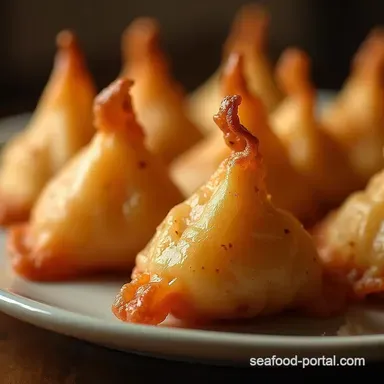
The Proper Crispy Wonton Golden Fried Prawn Pork Parcels with Dipping Sauce
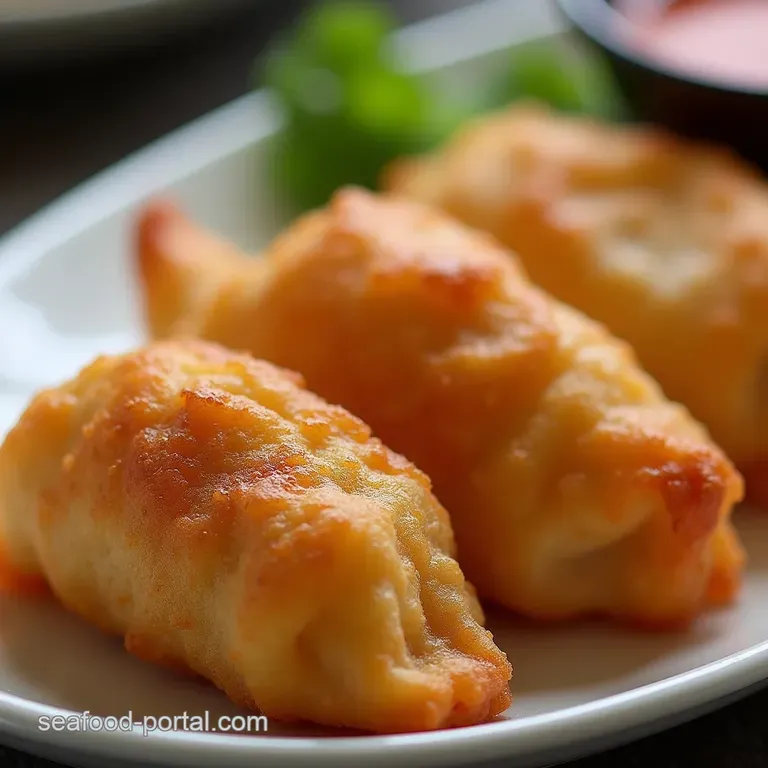
- The Quest for Ultimate Crisp: Why Homemade Fried Wontons Reign Supreme
- Beyond Takeout: Unlocking Restaurant-Quality Crunch
- Assembling Your Wonton Arsenal: From Filling to Wrapper
- Essential Kitchen Gear for Frying Perfection
- Step-by-Step Guide to Crafting Flavourful Filling
- Folding Techniques That Guarantee Edge-to-Edge Crunch
- Deep Frying Dynamics: Achieving the Golden Hue
- Troubleshooting Common Wonton Failures and Fixes
- Elevating Your Fried Wontons: Creative Variations and Pairings
- Recipe FAQs
- 📝 Recipe Card
The Quest for Ultimate Crisp: Why Homemade Fried Wontons Reign Supreme
There is a distinct, almost primal satisfaction that comes from biting into a perfectly executed parcel of deep fried deliciousness. While many turn to the familiar boxes of takeout, nothing truly compares to sinking your teeth into the shatteringly crisp shell of a proper homemade creation.
These Fried Wontons are an iconic appetizer, yet they often suffer from under seasoned fillings or, worse, a soggy exterior. Our goal today is to banish the limp and welcome the glorious crunch.
Mastering this Fried Wontons Recipe elevates a simple starter into a true culinary highlight, bringing restaurant quality right to your kitchen counter.
Beyond Takeout: Unlocking Restaurant Quality Crunch
What separates a world class wrapper from a regrettable, oily mess? It’s a combination of technique and temperature control. The beauty of creating Chinese Fried Wontons at home lies in the ability to dictate the exact texture and flavour profile.
We control the filling’s richness, the wrapper’s thinness, and the oil’s perfect heat. This process, while requiring a little patience during assembly, results in Crispy Fried Wontons that are truly worth the effort, ensuring every bite delivers a satisfying snap.
A Flavor Bomb Inside a Golden Shell
At the heart of any great wonton is the contrast: the exterior must be light and brittle, offering no resistance, while the interior bursts with savoury, juicy flavour. We are focusing on a classic combination of ground pork and succulent chopped prawns, which marry perfectly to create a rich umami core.
This filling, bound just right, ensures that even after emerging from the fryer, the moisture remains locked in, yielding tenderness against the surrounding crispness.
Setting the Stage: What Makes This Filling Irresistible
The secret to an irresistible filling isn’t just the protein; it’s the aromatics and the careful binding agents. We incorporate fresh grated ginger and minced garlic for sharp warmth, balanced by the complexity of toasted sesame oil and Shaoxing rice wine. Crucially, a small amount of cornflour is added.
This small addition acts as a binder, preventing the filling from becoming crumbly as it cooks and helping it hold together beautifully within the delicate wrapper.
Mastering the Art of the Perfect Seal
A common pitfall when learning to make Easy Fried Wontons is an imperfect seal, which leads to the filling leaking out and oil flooding the interior. The seal is paramount. It relies on water acting as a natural adhesive between the dough edges.
On top of that,, ensuring all the air is gently pushed out before the final crimp prevents explosive decompression during the high heat of the deep fry, protecting both your stovetop and the structural integrity of your delicious parcels.
Assembling Your Wonton Arsenal: From Filling to Wrapper
Before we turn on the heat, we must efficiently prepare our components. The Homemade Fried Wontons process works best when you treat it like an assembly line. The filling needs to be mixed correctly, the wrappers laid out, and the water seal ready for action.
Having all these elements in place allows the wrapping process which can feel tedious if done slowly to flow rapidly, meaning the wontons are fresh when they hit the hot oil.
Essential Kitchen Gear for Frying Perfection
While you can technically fry in any pot, dedicated tools make the difference between a mediocre batch and stunning results. A heavy bottomed wok or a deep cast iron pan maintains temperature much better than thin cookware.
The single most important piece of equipment, however, is a reliable deep fry or candy thermometer. Guessing the oil temperature is the fastest route to greasy failure.
The Umami Core: Sourcing Premium Pork and Prawns
For the filling, aim for ground pork with a moderate fat content this fat renders slightly during frying, contributing moisture and flavour. The prawns should be fresh, peeled, and deveined, then finely chopped rather than minced into a paste.
This chopping technique leaves delightful little pockets of shrimp texture throughout the cooked Fried Wontons .
Flavor Boosters: Aromatics and Seasoning Power Ups
The backbone of the flavour profile relies on fresh additions: pungent ginger and garlic, complemented by the deep, nutty essence of toasted sesame oil. Soy sauce provides the necessary salinity, while Shaoxing rice wine adds depth and tenderizes the meat slightly.
White pepper is preferred over black pepper here, as it offers a subtle, floral heat that doesn't overpower the delicate seafood notes.
Selecting the Ideal Wrapper for Maximum Crispness
For true crunch, thin square wonton wrappers are non-negotiable. These are generally thinner than egg roll or spring roll wrappers, allowing them to blister beautifully. While they are readily available in the refrigerated section of most Asian or large grocery stores, ensure you keep them covered with a damp cloth while working, as they dry out and crack very quickly when exposed to air.
The Dipping Sauce Blueprint: Sweet, Sour, and Spicy Balance
The perfect companion to the rich Deep Fried Wontons is a vibrant dipping sauce. A simple, balanced blueprint involves combining light soy sauce for umami, rice vinegar for necessary acidity to cut through the fat, a touch of sweetness (perhaps honey or sugar), and a hint of heat from chili oil or flakes.
This dynamic sauce provides the perfect counterpoint to the savory parcel.
Related Recipes Worth Trying
- Easy 15Minute RestaurantStyle Egg Fried Rice Recipe — Stop ordering sad takeaway This simple Egg Fried Rice recipe guarantees fluffy smoky grains in under 20 minutes Perfect for a speedy weeknight meal
- Best RestaurantStyle Egg Fried Rice Recipe 30 Minute Dinners — Master Homemade Egg Fried Rice with our foolproof guide to achieving that smoky Wok Hei flavour Easy steps for takeaway style results Dig in
- Best Ever Fried Rice Recipe Better Than Takeout Flavor — Achieve fluffy Wok Hei Fried Rice tonight This easy recipe guarantees homemade fried rice better than takeout See the crucial rice prep secret
Step-by-step Guide to Crafting Flavourful Filling
To build this incredible flavour, we begin by combining the ground pork, chopped prawns, finely sliced spring onions, grated ginger, and minced garlic in a large bowl. To this, measure in the soy sauce, sesame oil, Shaoxing wine, white pepper, and the vital teaspoon of cornflour binder.
Folding Techniques That Guarantee Edge-to-Edge Crunch
The classic method yields a beautiful shape that maximizes crisp surface area. Start by placing a small dollop about one teaspoon of filling slightly off-centre on the square wrapper. Moisten two adjacent edges with a fingertip dipped in water.
Fold the wrapper over diagonally to create a neat triangle, pressing firmly from the centre outwards to push any trapped air toward the corners.
Deep Frying Dynamics: Achieving the Golden Hue
Frying is where precision matters most. You want the heat high enough to cook quickly, but low enough to ensure the filling cooks through before the wrapper burns.
Mixing Protocol: Ensuring Uniform Texture in the Filling
This is a step often rushed, but it is essential for texture. Use a spatula or chopsticks to stir the filling mixture vigorously in only one direction . Continue stirring until the mixture transforms from loose ingredients into a single, cohesive, sticky mass.
This agitation develops the proteins, ensuring a tender yet firm result.
The Assembly Line: Efficiently Filling and Sealing Your Parcels
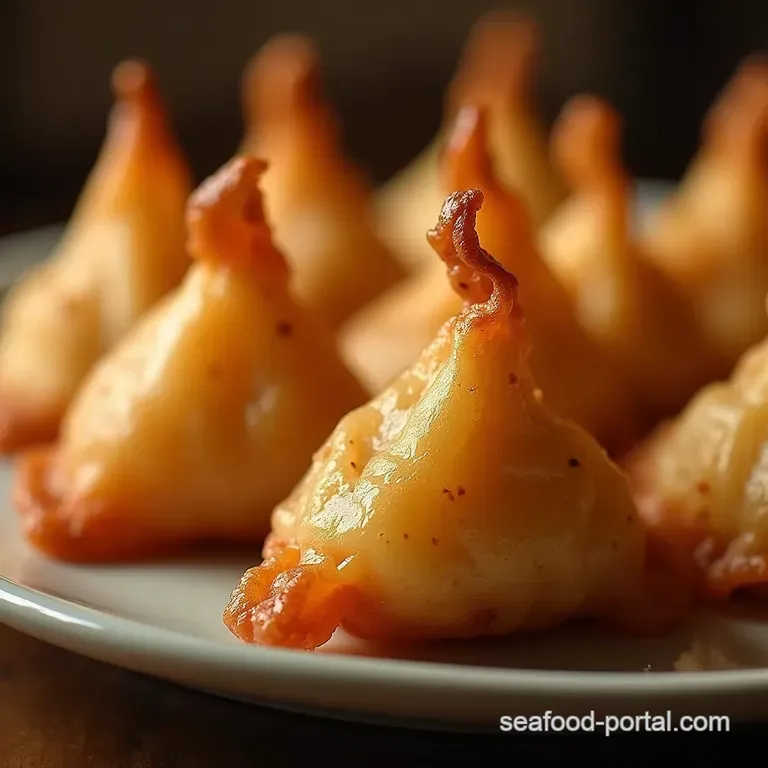
Once the filling is ready, move swiftly. As you form the triangle shape, press out all air pockets. Then, bring the two bottom corners of the triangle together, overlapping them slightly. Dab a tiny drop of water on one corner before pressing the two points together to seal firmly.
This creates the traditional, slightly puffy ‘hat’ shape, perfect for crispness.
Temperature Taming: Oil Management for Perfect Fried Wontons
Fill your deep vessel with 2 inches of neutral, high heat oil (like peanut or canola). Heat this oil steadily to 350° F ( 175° C) . When lowering the wontons in, do so gently using a spider skimmer or tongs to avoid splashing.
Never overcrowd the pan; working in small batches is the key to maintaining that consistent temperature required for flawless Fried Wontons .
The Double Fry Secret for Extreme Shatter
For an absolutely unbeatable crunch that stays crisp for ages, try the double fry method. Fry the wontons first until they are pale golden (about 2 minutes). Remove and drain briefly.
Immediately reheat the oil to a slightly higher temperature, around 375° F ( 190° C) , and plunge the wontons back in for just 30 60 seconds until they achieve a deep, rich golden brown. This second blast dries out the wrapper surface completely.
Troubleshooting Common Wonton Failures and Fixes
If your Cream Cheese Fried Wontons (or our pork/prawn version) end up oily, the oil was too cool when you dropped them in the wrapper absorbed the grease instead of instantly frying.
If the wrappers are dark brown but the inside is raw, the oil was far too hot, scorching the outside too quickly. If they leak, your seal was compromised, likely by air bubbles trapped inside during the folding process.
Elevating Your Fried Wontons: Creative Variations and Pairings
While the classic pork and prawn combination is stellar, these wrappers are versatile. If you are interested in variations, consider exploring Cream Cheese Fried Wontons by substituting the meat mixture with softened cream cheese mixed with chives, crabmeat, and a dash of Worcestershire sauce though note this offers a richer, heavier bite than our lighter, traditional filling.
Storage Solutions: Keeping Leftovers Crispy (If They Last)
If you manage to have any leftovers, the best way to store cooked wontons is loosely arranged on a rack at room temperature for a few hours. For longer storage, cool completely, then place in an airtight container lined with paper towels.
To reheat and restore crispness, use an oven at 375° F ( 190° C) or, better yet, an air fryer.
Alternative Cooking Methods Beyond Deep Frying
For a lighter approach, consider the Fried Wontons Air Fryer method. Toss the sealed, uncooked wontons lightly with cooking spray, and air fry at 380° F ( 195° C) for 8– 10 minutes, flipping halfway, until golden.
While this won't achieve the same level of rich, deep colour as true deep frying, it provides a very respectable crispness with minimal oil.
The Best Condiment Companions for Savory Bites
Beyond the classic sweet and sour profile, these savory bites pair beautifully with a spicy Sriracha mayo or even a vibrant Vietnamese style nuoc cham, which offers bright herbal notes that cut through the richness of the fried dough.
Handling Seafood Sensitivities in the Filling
If you or your guests have shellfish allergies, the recipe adapts beautifully. For a seafood free alternative, simply increase the ground pork to 375g (13 oz) and incorporate finely minced water chestnuts or shredded carrots into the mixture for textural contrast, ensuring you boost the soy sauce and ginger slightly to maintain the desired savory depth.
Recipe FAQs
How do I stop my Fried Wontons from getting soggy after I take them out of the oil?
Ah, the dreaded soggy bottom a proper culinary disaster! The key is draining them properly. Always transfer your cooked wontons directly onto a wire cooling rack set over a baking sheet; this allows air to circulate all around them.
Avoid piling them straight onto paper towels, as the trapped steam will soften that lovely crisp shell you worked so hard for.
My wonton wrappers keep tearing when I try to fold them; what am I doing wrong?
It sounds like your filling might be a bit too aggressive, or perhaps you're being too forceful! Make sure you only use about a teaspoon of filling, and seal the edges with water gently don't drench them.
Also, when you bring the corners together, ensure you squeeze out as much air as possible before pressing the final seal; trapped air can cause blowouts.
Can I make the filling for these Fried Wontons ahead of time?
Absolutely, this is a great time saver, especially if you’re planning a big spread! You can prepare the filling up to 24 hours in advance and keep it covered tightly in the fridge.
Just remember to bring it out about 15 minutes before you plan to wrap them so it’s not fridge cold, which makes wrapping slightly easier.
What temperature should the oil be for frying? I don't want them burnt on the outside and raw inside!
That’s the million dollar question, isn't it? For these prawn and pork parcels, you’re aiming for a steady 350°F (175°C). If the oil is too cool, they’ll soak up fat like a sponge; too hot, and the wrapper will be brown before the filling is cooked through.
A deep fry thermometer is your best mate here for reliable results.
I don't have pork; can I substitute it with chicken when making these?
Yes, chicken works beautifully as a substitute, though the flavour profile will be slightly milder than pork. Use ground chicken with a little added fat if possible, or mix in a teaspoon of extra sesame oil to keep the mixture moist. Just ensure you don't overcook them, as chicken can dry out quicker than pork.
Crispy Prawn Pork Fried Wontons