Simple Baked Whiting Fish Recipe with Lemon
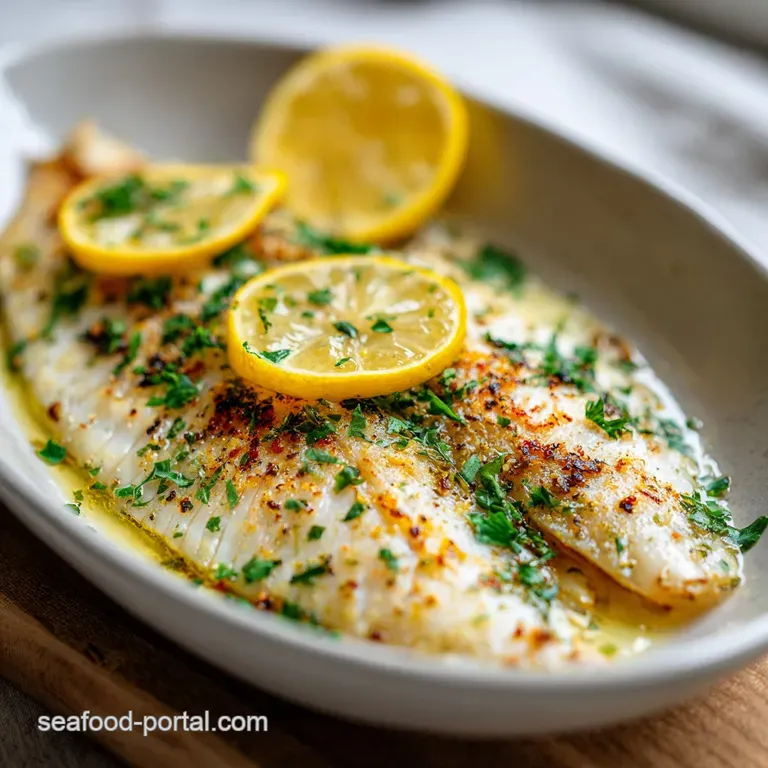
- Time: Active 10 minutes, Passive 12 minutes, Total 22 minutes
- Flavor/Texture Hook: Silky, buttery flakes with a zesty, charred lemon finish
- Perfect for: Busy Tuesday nights, beginner cooks, or light summer meal prep
- Master the Easiest Simple Baked Whiting Fish Recipe
- Essential Timings and Nutrition for This Seafood Dinner
- The Chemistry of Flavor and Flakiness
- Everything You Need for a Flavorful White Fish
- The Minimalist Kitchen Tools Required for Success
- Simple Steps to Achieving Perfectly Flaky Baked Whiting
- Avoiding Soggy Fillets and Overcooked Seafood Disasters
- Scaling the Recipe for Any Crowd
- Debunking Common Fish Myths
- Keep Your Leftovers Fresh and Waste Free
- Plating Your Fish for a Restaurant Quality Look
- Recipe FAQs
- 📝 Recipe Card
Master the Easiest Simple Baked Whiting Fish Recipe
The kitchen is currently filled with the scent of toasted garlic and that sharp, bright hit of lemon juice hitting a warm pan. Honestly, I used to avoid whiting because I thought it was too delicate I was terrified it would just disintegrate into a pile of mush the second it touched the heat.
We've all been there, staring at a sad, watery tray of fish that looks more boiled than baked.
But then I tried a specific technique involving a quick blast of heat and a parchment lined sheet, and everything changed. The fillets came out shimmering, holding their shape but giving way to the gentlest pressure of a fork.
This whiting fish recipe is now my go to "I have nothing in the fridge" hero because it relies on pantry staples and frozen fillets that thaw in a flash.
You don’t need a culinary degree to get this right; you just need to understand how whiting behaves under heat. We're going to treat these fillets with the respect they deserve, using a fat based barrier to keep them moist while the oven does the heavy lifting.
Trust me, once you see those edges curling and turning slightly golden, you’ll never go back to the greasy fried version.
Essential Timings and Nutrition for This Seafood Dinner
When you're aiming for that "just right" texture, timing is everything. Whiting is much thinner than salmon or cod, so a few extra minutes can be the difference between a silky bite and a rubbery one. This easy baked whiting fish relies on precision rather than guesswork.
Albumin Management: By cooking at 400°F (200°C), we minimize the white protein (albumin) that often leaks out of fish, keeping the moisture inside the muscle fibers.
| Fillet Thickness | Internal Temp | Rest Time | Visual Cue |
|---|---|---|---|
| 1/2 inch | 145°F | 2 minutes | Flesh is opaque and separates easily |
| 3/4 inch | 145°F | 3 minutes | Center is no longer translucent |
| 1 inch | 145°F | 3 minutes | Flakes "shatter" with a fork's edge |
This chart is your best friend if you're dealing with different sizes of fish. Most whiting you'll find at the market is on the thinner side, so keep a close eye on it starting at the 10 minute mark. If you're looking for another fast option, our How to Make recipe offers a similar speed with a crusty finish.
The Chemistry of Flavor and Flakiness
Understanding the "how" behind the heat helps you pivot if things go sideways. In this recipe, we aren't just heating the fish; we're creating a controlled environment for the proteins to set without losing their structural integrity.
- Lipid Conduction: The mixture of butter and olive oil creates a conductive layer that transfers heat more evenly than air alone.
- Enzymatic Brightness: Adding lemon juice at the end prevents the acid from "pre cooking" the fish, which would result in a chalky mouthfeel.
- Osmotic Balance: Sea salt draws out a tiny amount of moisture from the surface, which then mixes with the paprika and garlic to create a concentrated flavor glaze.
Component Analysis and Role
| Ingredient | Science Role | Pro Secret |
|---|---|---|
| Whiting Fillets | Lean Protein | Pat them bone dry to ensure the fats "grip" the flesh instead of sliding off. |
| Smoked Paprika | Color & Depth | Provides a "charred" flavor profile without needing an actual grill or over high heat sear. |
| Garlic Paste | Aromatics | Mincing into a paste ensures it melts into the butter rather than burning in chunks. |
Using a paste instead of chunks of garlic is a total game changer. It creates a velvety sauce that clings to every crevice of the fish, ensuring you get that punchy flavor in every single bite without the bitterness of burnt garlic bits.
Everything You Need for a Flavorful White Fish
For this simple baked whiting fish recipe, we are using skinless fillets. Whiting has a very mild, slightly sweet flavor that acts like a blank canvas for our spices. If you can’t find whiting, any lean white fish will work, but whiting is particularly prized for its delicate flake.
- 1.5 lbs fresh Whiting fillets (skinless) Why this? It's affordable, sustainable, and cooks incredibly fast.
- 3 tbsp Unsalted butter, melted Why this? Adds richness that lean whiting lacks naturally.
- 1 tbsp Extra virgin olive oil Why this? Raises the smoke point of the butter for safer baking.
- 3 cloves Garlic, minced into a paste Why this? Distributes flavor more evenly than sliced garlic.
- 1 large Lemon, half sliced into rounds and half juiced
- 1 tsp Smoked paprika
- 1/2 tsp Onion powder
- 1/2 tsp Sea salt
- 1/4 tsp Cracked black pepper
- 2 tbsp Fresh parsley or dill, finely chopped
| Original Ingredient | Substitute | Why It Works |
|---|---|---|
| Whiting Fillets | Tilapia or Flounder | Similar thickness and mild flavor. Note: Flounder is even more delicate. |
| Unsalted Butter | Ghee or Clarified Butter | Higher smoke point and nuttier flavor. Great for keto diets. |
| Fresh Parsley | Dried Oregano (1/2 tsp) | Earthier tone. Note: Add before baking rather than as a garnish. |
Chef's Tip: Freeze your butter for 10 minutes before melting it. This might sound weird, but cold tempered butter that is quickly melted holds its emulsion better when mixed with olive oil, creating a thicker "paint" for your fish.
The Minimalist Kitchen Tools Required for Success
You don't need fancy gadgets, but a few specific items make the cleanup and the cook much better. I always reach for my heavy rimmed baking sheet because it won't warp in a 400°F oven.
- Large rimmed baking sheet (half sheet pan)
- Parchment paper or a silicone baking mat
- Small glass mixing bowl
- Pastry brush (silicone is easiest to clean)
- Microplane (for that garlic paste)
If you find yourself making a lot of seafood, I'd also suggest a thin metal fish spatula. It's designed to slide under delicate fillets without tearing them. It's the only way to move whiting without it breaking into a million pieces.
Simple Steps to Achieving Perfectly Flaky Baked Whiting

Let’s get into the actual cooking. The goal is to move quickly so the fish stays cold until the very moment it hits the heat. This contrast between the cold protein and the hot oven is what helps create that beautiful texture.
1. Prep the Canvas
Preheat your oven to 400°F (200°C). Line your baking sheet with parchment paper. This isn't just for cleanup; it prevents the delicate whiting from sticking and tearing when you try to serve it.
2. Dry the Fish
Use paper towels to pat the 1.5 lbs of whiting fillets completely dry on both sides. Note: If the fish is wet, it will steam in the oven instead of roasting, leading to a "boiled" flavor.
3. Create the Flavor Base
In a small bowl, whisk together the 3 tbsp melted butter, 1 tbsp olive oil, minced garlic paste, 1 tsp smoked paprika, 1/2 tsp onion powder, 1/2 tsp sea salt, and 1/4 tsp pepper.
4. Season and Bathe
Lay the fillets on the prepared pan. Use a pastry brush to coat the top of each fillet generously with the butter mixture. Note: Make sure to get the sides too; this seals in the moisture.
5. Add the Citrus
Lay the lemon rounds over the fillets, overlapping them slightly if needed. Squeeze the juice from the other half of the lemon directly over the pan.
6. The Quick Bake
Slide the pan into the center rack of the oven. Bake for 10-12 minutes until the fish is opaque and the edges are shimmering.
7. The Finishing Touch
Switch the oven to broil for the last 60 seconds if you want the lemon slices to slightly char. Note: Watch it like a hawk; it goes from perfect to burnt in a heartbeat.
8. Garnish and Rest
Remove from the oven and sprinkle with the 2 tbsp of fresh parsley or dill. Let it rest for 2 minutes on the pan before moving it. This allows the juices to redistribute so the fish stays velvety.
Avoiding Soggy Fillets and Overcooked Seafood Disasters
Even the best of us have ended up with "fish soup" on a baking sheet before. Usually, it's just a matter of moisture control or oven temperature. Whiting is forgiving, but it won't tolerate a lukewarm oven.
Why is there a lot of liquid in the pan?
This usually happens if the fish was previously frozen and not thawed/dried properly, or if the oven wasn't fully preheated. The fish "weeps" its internal moisture before the outside can sear.
Why is my fish tough?
Overcooking is the culprit here. Whiting has very little fat, so once it passes 145°F, the proteins tighten up and squeeze out all the moisture.
| Problem | Root Cause | Solution |
|---|---|---|
| Mushy texture | Steam buildup | Don't crowd the pan; use parchment instead of foil to allow air to circulate. |
| Bland flavor | Spices didn't stick | Ensure fish is bone dry before brushing on the butter and spice mixture. |
| Fish sticking | No fat barrier | Use both butter and oil; the oil prevents the butter from burning and sticking. |
Common Mistakes Checklist
- ✓ Never skip the pat dry step; moisture is the enemy of a good bake.
- ✓ Wait for the oven "beep" to ensure it's at the full 400°F before the fish goes in.
- ✓ Check the thickest part of the fillet with a fork at 10 minutes; if it's opaque, it's done.
- ✓ Don't cover the fish with foil while baking; we want roasting, not steaming.
Scaling the Recipe for Any Crowd
If you're cooking for one or hosting a dinner party, whiting is remarkably easy to scale. Just remember that the more fish you put on one tray, the more "insulation" you create, which can slightly change cook times.
- To Scale Down (1-2 servings): Use a smaller toaster oven tray if possible. Reduce the cook time by 2 minutes as smaller pans heat up faster.
- To Scale Up (8+ servings): Use two separate baking sheets rather than crowding one. Note: Switch the position of the sheets halfway through (top to bottom) to ensure even browning. Keep the spices at 1.5x the original amount rather than strictly doubling, as salt can become overwhelming in larger batches.
If you are looking for a sauce to accompany a larger batch, our The 5Minute Creamy recipe is a fantastic way to add a premium touch to a simple meal.
Debunking Common Fish Myths
One of the biggest lies in the kitchen is that you need to flip fish in the oven. Please, don't do it! Whiting is far too delicate to survive a flip mid bake. You’ll just end up with a mess of broken pieces. The heat from the metal pan cooks the bottom perfectly while the air circulates over the top.
Another myth is that "fresh is always better." In reality, most "fresh" fish at the counter was previously frozen anyway. high-quality flash frozen whiting fillets are often better because they were processed at sea within hours of being caught.
Just make sure to thaw them slowly in the fridge overnight for the best texture.
Keep Your Leftovers Fresh and Waste Free
Storage Guidelines: Whiting is best eaten immediately, but you can store leftovers in an airtight container in the fridge for up to 2 days. To reheat, don't use the microwave unless you want rubbery fish.
Instead, place them in a 350°F oven for 5 minutes with a splash of water or extra butter to keep them moist.
Zero Waste Tips: Fish Tacos: If you have one or two leftover fillets, flake them into warm tortillas with some slaw and lime. Seafood Stock: If you bought whole fish and have the bones/heads, simmer them with celery, onion, and peppercorns for 20 minutes to make a light, aromatic stock.
Lemon Peels: After juicing your lemons, toss the rinds into a jar of white vinegar. After two weeks, you'll have a citrus scented natural cleaner for your kitchen counters!
Plating Your Fish for a Restaurant Quality Look
We eat with our eyes first, and white fish can sometimes look a bit "pale" on the plate. Contrast is your friend here. I love serving this simple baked whiting fish recipe on dark navy or charcoal plates to make the white flakes and red paprika pop.
Add a small mound of bright green sautéed spinach or a vibrant Mediterranean Fish Fillets recipe inspired side salad next to the fillets. The charred lemon rounds we cooked on top shouldn't just be discarded place them directly on the fish for a rustic, "chef y" look. A final sprinkle of coarse sea salt right before serving adds a tiny crunch that elevates the whole experience.
Remember, the best part of home cooking is that it doesn't have to be "perfect" to be incredible. As long as you've got that flake right and the lemon is bright, you've won the weeknight dinner game. Enjoy!
Recipe FAQs
How to cook whiting in the oven?
Preheat the oven to 400°F (200°C) and line a baking sheet with parchment. Brush the dried fillets generously with a mixture of melted butter, oil, and spices. Bake for 10 to 12 minutes until the fish is opaque and flakes easily with a fork.
Is whiting good for baking?
Yes, whiting is excellent for baking. Its lean, delicate texture absorbs seasonings beautifully without becoming greasy, making it ideal for high heat roasting methods.
How do you cook white fish in the oven without drying it out?
Use a fat barrier and precise temperature management. Brush the fillets liberally with butter or olive oil, which conducts heat evenly and prevents moisture loss; this technique is similar to how we create a sealed exterior in the Southern Fried Catfish recipe for juiciness.
Is it better to bake fish at 350 or 400?
400°F (200°C) is generally better for thin white fish like whiting. The higher temperature cooks the fish quickly through conduction, minimizing the time the proteins have to seize up and release moisture.
Should I flip the whiting fillets halfway through baking?
No, do not flip whiting fillets during baking. Whiting is too delicate and will likely tear or break apart when you attempt to turn it; the direct heat from the pan and the circulating air will cook the top surface sufficiently.
What should I serve with simple baked whiting?
Serve immediately with something bright and green for contrast. A side of steamed asparagus or a fresh green salad pairs perfectly, and you can enhance the meal with a simple homemade dipping sauce like our classic Tartar Sauce Recipe.
What is the internal temperature for safe, perfectly cooked whiting?
The internal temperature must reach 145°F (63°C) at the thickest point. Always use an instant read thermometer; once the flesh is opaque and separates easily with gentle pressure, it is done.
Baked Whiting Fish Lemon

