Baked Teriyaki Salmon Easy Weeknight Winner with a Sticky Glaze
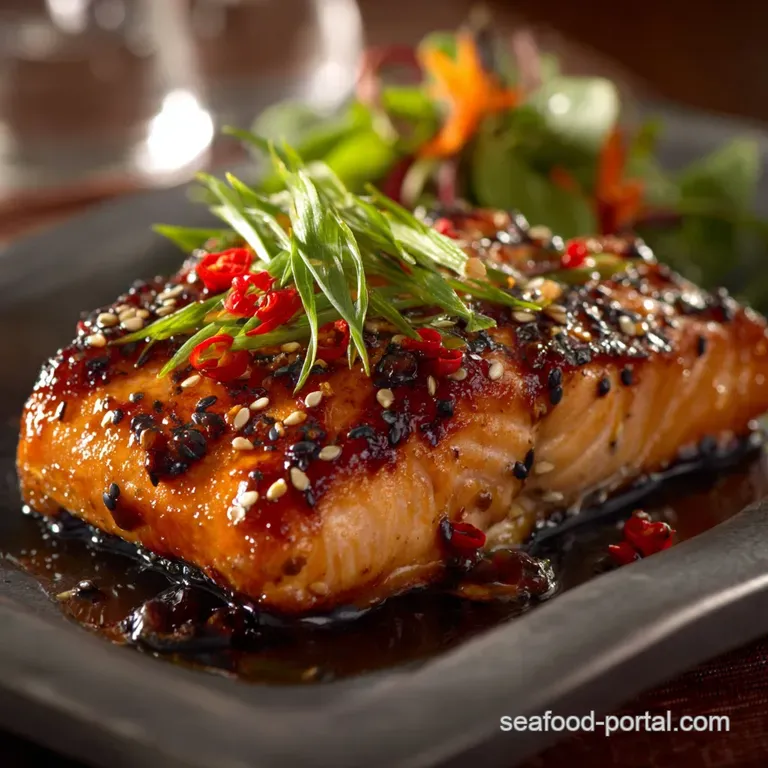
Why This Baked Teriyaki Salmon Is Your New Weeknight Hero
Listen up, because I’ve cracked the code on weeknight salmon. I know, I know, "Baked Teriyaki Salmon" sounds like something you grab from the deli counter, not something you whip up after a brutal Monday. But hear me out. This isn't just about throwing soy sauce and sugar on a fish and hoping for the best.
We are aiming for sticky . We are aiming for glossy . We are aiming for that restaurant and quality shine that makes your family ask, "Wait, did you actually cook this?"
I used to burn the glaze every single time, or worse, end up with that thin, watery mess that slides right off the fish and pools on the baking sheet. Tragic. After much trial and error (and several ruined parchment papers), I figured out the one fundamental trick that changes everything, and I’m about to spill the tea.
It’s all about the timing of the sauce and the oven temperature, which we nail perfectly here.
Achieving the Signature Sticky Teriyaki Shine
The secret to a sticky glaze is control. If you just slap a cold marinade on raw fish and bake it, the sugar in the teriyaki burns before the cornstarch (if you even remembered it) has a chance to properly hydrate and thicken. We’re changing that.
We’re pre and cooking and reducing the glaze before it touches the fish, creating a thick base.
The real game changer, though, is the double glaze system. You use one slightly thicker batch to marinate (for initial flavour), and you reserve the other, pristine batch, completely untouched by raw fish, just for basting during the final bake.
This reserved glaze sets up perfectly under the heat, giving you that beautiful, caramelised, sticky finish without worrying about food safety. It’s brilliant.
From Pantry to Plate in Under 30 Minutes
Okay, 30 minutes is the dream, right? This is completely doable if you consider the marinating time passive. Seriously, 10 minutes to whisk the sauce, 15 minutes while the salmon soaks up the goodness (and you chop some veggies), and 12 to 15 minutes of hands and off baking time.
Boom. You've gone from zero to hero in the time it takes to decide what to watch on Netflix. If you make the glaze base the night before, the total prep time drops to practically five minutes.
The Essential Elements for Superior Teriyaki Salmon
We aren't messing around with pre and bottled sauces here. They are usually too thin and loaded with preservatives we don't need. Our homemade teriyaki base uses simple staples, but we need quality salmon to stand up to that intense flavour.
Selecting the Best Fillets: Skin and On vs. Skinless
I am always, always going to lobby for skin and on, center and cut salmon . Why? Because the skin acts like a natural barrier on the bottom of the fish. It protects the delicate flesh from the intense, direct heat of the baking sheet, virtually guaranteeing that the salmon stays unbelievably moist.
It also makes cleanup easier. If you use skinless, the bottom can sometimes get a little tough or stick to the foil, even with oil.
If you insist on using skinless, make sure they are really thick cuts, maybe a generous inch (2.5 cm). Thin cuts cook way too fast, and you risk drying them out before the glaze has a chance to set up.
Building the Perfect Balanced Glaze Base
Everyone thinks teriyaki is just soy sauce and sugar. Technically true, but boring! To get that authentic complexity, you absolutely need Mirin (sweet rice wine). It adds a subtle sweetness and a critical shine. You can usually find it right next to the soy sauce at the grocery store.
Crucial Flavour Note: Do not skip the fresh ginger and garlic. I made the mistake once of using dried powder, and the sauce tasted flat and synthetic. Grate the fresh ginger using a microplane; it melts right into the sauce and provides the best zing.
Quick Checklist of Kitchen Equipment Needed
You don’t need a fancy sous and vide machine, thank goodness. You need the basics, plus one non and negotiable item.
- Small Saucepan (for sauce simmering)
- Baking Sheet and Parchment Paper (cleanup is everything)
- Pastry Brush (essential for the final glaze coat)
- A digital instant and read thermometer. (Seriously, just get one. It removes all guesswork and guarantees perfect fish every single time.)
Related Recipes Worth Trying
- Baked salmon collars Crispy MisoGlazed Kama Ready in 40 Minutes — Baked salmon collars are the ultimate weeknight fish This simple recipe yields incredibly moist fatty salmon collar with irresistibly crispy skin Learn how...
- Garlic Crusted Cod Fish UltraCrispy Easy Baked White Fish Recipe — Make the perfect Garlic Crusted Cod Fish tonight This easy baked cod recipe yields a flaky moist fish with an unbelievably crispy buttery garlic crust Its a...
- Oven baked branzino fillets Quick Moist Mediterranean Recipe — Oven baked branzino fillets are guaranteed moistness using the en papillote method This fast oven-roasted branzino fillets recipe takes just 30 minutes and...
Mastering the Quick Homemade Teriyaki Glaze
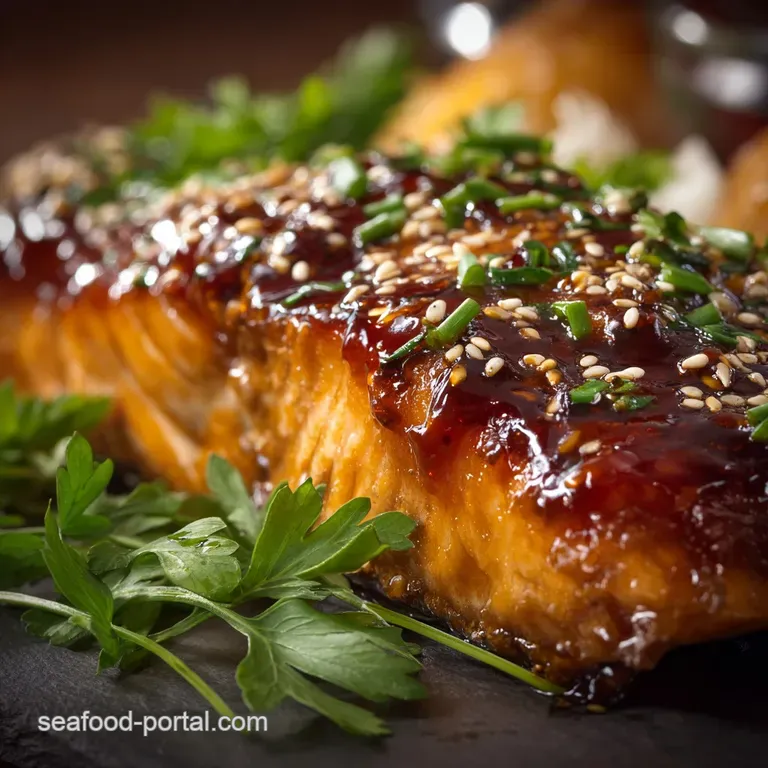
We need a sauce that respects the salmon. We are going to thicken it slightly before it even touches the fish. That’s the secret sauce (pun intended).
In your saucepan, you’re combining the soy, mirin, sake, brown sugar, ginger, and garlic. Bring that to a gentle boil, just until the sugar dissolves. Now, take it off the heat and immediately pour half of the mixture into a separate bowl.
Label it "Reserved Glaze." That’s your gold standard for basting later.
The half left in the pan is going to become our marinade base. We need it slightly thicker so it clings to the fish, not slides off. This is where the slurry comes in.
Simmering the Sauce to Ideal Thickness (The 'Nappe' Test)
Right then, take that slurry (cold water mixed with cornstarch until smooth) and whisk it quickly into the remaining half of the hot teriyaki sauce. Keep whisking on low heat for about 30 seconds. The sauce should turn into a light syrup consistency, thick enough to coat the back of a spoon.
That’s the classic ‘Nappe’ test, where the liquid clings instead of immediately running off. It shouldn't be jelly and like thick, just a nice, syrupy coat.
Preparing the Fillets for Maximum Flavour Absorption
Pat them dry! I cannot stress this enough. If the surface of the fish is damp, the marinade just sits on a layer of moisture and steams the exterior instead of letting it caramelise. Towel and dry those fillets.
Then, place them in a dish and pour over your slightly thickened marinade (the non and reserved portion). Let it sit for 15 minutes at room temperature. Don't go longer than 20 minutes, especially if you used regular soy sauce, or the fish will start to "cure" and become rubbery when cooked.
The Optimal Oven Temperature and Baking Duration Guide
We need high heat and fast cooking. This ensures the outside sets and the inside remains moist.
| Fillet Thickness | Temperature | Time Estimate |
|---|---|---|
| Standard (1 inch/2.5 cm) | 400°F (200°C) | 12– 14 minutes |
| Thick Cut (1.5 inch/3.8 cm) | 400°F (200°C) | 15– 18 minutes |
Preheat the oven to a snappy 400°F (200°C). Line that sheet, lightly oil it, and place the drained salmon on top (skin and side down). Give it 10 minutes, unsupervised. You earned it.
Applying the Final Sticky Coat for Caramelization
This is where the magic happens. After the initial 10 minute bake, pull the sheet out. Grab your pastry brush and that beautiful Reserved Glaze you set aside earlier. Brush a thick, generous layer over the top of the salmon. Don't be shy!
Pop it back in for another 2 to 5 minutes. If you want that gorgeous, slightly charred caramelised edge the professional touch switch your oven to the broiler (grill) on high for 60 seconds.
You must stand there and watch it, because sugar goes from glossy to burnt charcoal in the blink of an eye. Take it out, let it rest, and admire the shine.
Troubleshooting and Expert Tips for Your Bake
- Don't have Mirin? You can substitute dry sherry mixed with a little sugar, but honestly, Mirin makes such a difference in the finished glaze texture that it's worth the trip.
- The Sogginess Factor: Did your salmon get soggy despite patting it dry? You likely used too much marinade and marinated for too long. Stick to 15– 20 minutes maximum, and make sure the thickened sauce layer is just a coat, not a swimming pool.
- From Frozen Salmon: Yes, you can totally use baked teriyaki salmon from frozen! Thaw it overnight in the fridge first, though. Trying to bake thick fillets straight from frozen leads to uneven cooking burnt outside, raw inside. Just don’t do it.
Creative Pairing Ideas: What to Serve Alongside Teriyaki Salmon
We all default to white rice, and that's fine, but let’s get interesting.
- Steamed Greens: A simple, vibrant green (like broccolini or asparagus) tossed lightly with sesame oil, salt, and maybe a dash of rice vinegar cuts through the richness of the glaze beautifully. Hello, baked teriyaki salmon and broccoli perfection!
- Crunchy Slaw: A crunchy Asian slaw made with Napa cabbage, carrots, and a light sesame dressing is fantastic for textural contrast.
- Rice Variation: Try sushi rice (sticky!) or even brown rice cooked in chicken broth for a bit more flavour depth.
How to Tell When Your Salmon Is Perfectly Done (Internal Temperature Check)
Guessing is for trivia night, not for salmon. Undercooked salmon is unappetizing; overcooked salmon is dry and flaky in the wrong way.
The Food Safety Standard for salmon is 145°F (63°C). However, for a flaky, moist texture that melts in your mouth (medium and rare to medium), pull the fish out when it hits 140°F (60°C). The residual heat (carry and over cooking) will bring it up those final few degrees as it rests.
Storing Leftovers and Reheating Baked Salmon Safely
If you have leftovers (a rare miracle), store them in an airtight container in the fridge for up to three days.
Reheating is crucial. Please, please, please don't obliterate it in the microwave until it’s rubbery. If you must use the microwave, heat it gently on 50% power for 60 second intervals.
Better yet, wrap it loosely in foil and reheat in the oven at 300°F (150°C) for about 8– 10 minutes until warmed through. This preserves the moisture.
Adjusting the Heat: Spicy Teriyaki and Low and Sodium Options
Want to kick it up a notch? Or trying to watch the salt intake? We can tweak this easily.
| Goal | Adjustment | How to Implement |
|---|---|---|
| Spicy Kick | Add Chilli Paste | Whisk 1 teaspoon of Sriracha or Gochujang into the glaze base. |
| Low Sodium | Swap Soy Sauce | Use Tamari or Coconut Aminos and omit any extra salt entirely. |
Understanding the Nutritional Profile of This Dish
This isn't a diet meal, but it’s certainly miles better than takeout. Salmon is packed with those crucial Omega-3s we keep hearing about. Yes, we use brown sugar in the glaze, but when spread across four servings, the added sugar is comparable to what you’d find in a small protein bar.
Focus on serving this with plenty of fresh, fibrous veggies to make it a perfectly balanced meal. It’s nourishing, comforting, and absolutely packed with flavour.

Recipe FAQs
How do I ensure my baked salmon isn't dry as a bone?
The absolute best way is to use an instant read thermometer and pull the fish out when it hits 60°C (140°F); the residual heat will carry the salmon to a perfect medium rare (63°C/145°F) while it rests, keeping it lovely and moist.
Why do we have to use the "double glaze" method for this Baked Teriyaki Salmon?
Using the double glaze technique is essential for food safety (we discard the raw marinade!) and guarantees that beautiful, high gloss finish, as the fresh, reserved glaze sets perfectly under the final blast of heat.
I haven't got any Mirin or Sake kicking about. Can I still make a cracking glaze?
You certainly can; dry sherry is an excellent substitute for Sake, and if you mix dry sherry with a teaspoon of sugar, it closely mimics the flavour and shine provided by Mirin.
Can I prep the salmon ahead of time, and how long do the leftovers keep?
You can mix and store the glaze in the fridge for up to a week, but only marinate the actual salmon for a maximum of 20 minutes before baking; cooked leftovers are perfect for packed lunches and will keep nicely in the fridge for three days.
Is there a simple way to make this sticky Teriyaki glaze gluten-free?
Yes, swapping out traditional soy sauce for Tamari or Coconut Aminos makes the glaze completely gluten-free, but always double check the labels on your Mirin or Sake to ensure they don't contain added wheat.
Baked Teriyaki Salmon Fillets
Ingredients:
Instructions:
Nutrition Facts:
| Calories | 276 kcal |
|---|---|
| Protein | 29.0 g |
| Fat | 10.0 g |
| Carbs | 13.0 g |
