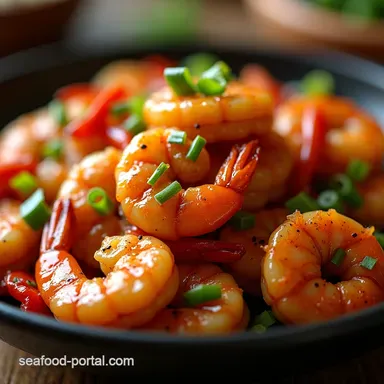
Sichuan Street Cred Quick Authentic Kung Pao Shrimp
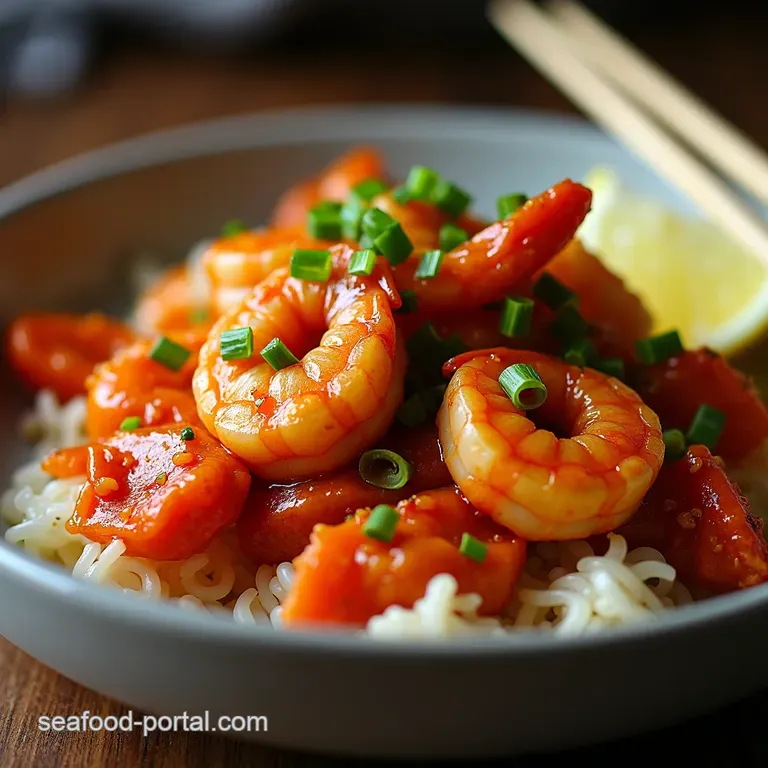
- Unlocking the True Spirit of Sichuan: Why This Kung Pao Shrimp Reigns Supreme
- The Flavor Triad: Mastering Sweet, Sour, and Málà Heat
- Assembling the Symphony: Essential Components for Perfect Shrimp
- The Art of the Quick Sear: Achieving Velvety Shrimp Texture
- Igniting the Wok: Layering Flavors in Sequence
- Bringing It All Together: Final Toss for Glossy Kung Pao Shrimp
- Troubleshooting and Elevating Your Next Attempt
- Recipe FAQs
- 📝 Recipe Card
Unlocking the True Spirit of Sichuan: Why This Kung Pao Shrimp Reigns Supreme
When you think of truly memorable Chinese Shrimp Dishes , few possess the vibrant history and complex flavour profile of Kung Pao Shrimp. This isn’t just another spicy stir fry; it’s a culinary representation of the electrifying málà sensation unique to Sichuan province a sensation that marries intense heat with an unmistakable, tingly numbness.
As an expert food writer, I can assure you that achieving this depth of flavour at home is far more approachable than many believe. This particular Kung Pao Shrimp Recipe strips away the overly sweet, ketchup laden approximations often found outside of China, focusing instead on the authentic triad of salty, sweet, sour, and fiery.
Preparing this dish, which we call Sichuan Street Cred: Quick & Authentic Kung Pao Shrimp , requires precision in timing but yields results that feel utterly spectacular and miles away from standard takeout fare.
It’s an adventure in balanced heat, making it an addictive choice for your weeknight rotation.
The Flavor Triad: Mastering Sweet, Sour, and Málà Heat
The soul of any great Kung Pao dish rests on perfectly calibrated flavour notes. Our version, designed to deliver maximum impact, requires 25 minutes of focused prep work to ensure everything is ready for the high speed wok assembly.
This intensity helps elevate it from a simple seafood meal to a truly memorable Spicy Shrimp Stir Fry .
Beyond Takeout: Defining Authentic Kung Pao Flavor
What sets this apart from the standard sweet and-sour profiles? The defining characteristic is the málà —the numbing sensation delivered by the Sichuan peppercorns.
Authentic Authentic Kung Pao Shrimp balances this tingle with the sharp tang of Chinkiang black vinegar and just enough sugar to round out the salty umami provided by the light soy sauce. Achieving this balance is what separates a good dish from a legendary one.
Why Balance is the Secret Weapon in Chinese Stir Fries
In Chinese cooking, particularly when dealing with bold flavours like those in Sichuan cuisine, the concept of harmony is paramount. When preparing your Kung Pao Shrimp Ingredients , understand that the vinegar, sugar, and salt must argue pleasantly without any single flavour shouting over the others.
A quick whisk of the sauce ingredients 2 tablespoons soy sauce, 2 tablespoons Chinkiang vinegar, 1.5 tablespoons sugar, 1 tablespoon Shaoxing wine, 1 teaspoon cornstarch, and a final drizzle of sesame oil ensures the correct ratio is locked in before the action starts.
A Zesty Alternative to Your Usual Weeknight Chicken
While Kung Pao chicken is famous, switching to shrimp makes for a lighter, faster cooking protein. For a Homemade Kung Pao Shrimp that satisfies even the quickest cravings, the 1 pound of large, peeled, and deveined prawns you select will cook in mere minutes.
This substitution makes the entire process incredibly swift; with only about 10 to 12 minutes of active cooking time, this dish rivals any fast meal without sacrificing depth.
Assembling the Symphony: Essential Components for Perfect Shrimp
To tackle this Medium difficulty recipe successfully, pre-measuring and prepping every component is non-negotiable. Stir frying demands speed; hesitation leads to scorching.
We need precision in our tools, our protein, and our aromatics to guarantee success for this exciting addition to your Cooking Seafood Recipes collection.
Selecting and Prepping the Ideal Prawns for Maximum Snap
For the best textural result that satisfying "snap" you want in good shrimp select large prawns, about 1 pound worth. The crucial step for tender results lies in the marinade.
Combine the shrimp with 1 tablespoon Shaoxing cooking wine, 1 teaspoon light soy sauce, 1 tablespoon of cornstarch (the key to velveting), and a pinch of white pepper. This light coating protects the shrimp from the high heat, resulting in a velvety exterior and moist interior.
Let this mixture rest for at least 15 minutes while you prepare the remaining elements.
Building the Signature Sauce: Ratios for Tangy Depth
As mentioned, the sauce must be pre-mixed. Beyond the foundational soy sauce and vinegar, the addition of a single teaspoon of cornstarch into the sauce mixture is important. This minor thickening agent ensures the final sauce coats the shrimp and peanuts beautifully, creating that glossy finish when you bring it all together in the final toss.
Remember to re-whisk just before adding it to the wok, as the cornstarch will settle quickly.
The Non-Negotiable Tools for High Heat Wok Cooking
While you can manage with a large, heavy bottomed skillet, the ideal vessel is a well seasoned carbon steel wok. Its curved shape allows for intense, focused heat at the bottom while providing cooler zones up the sides for resting ingredients momentarily.
You'll also rely heavily on a sturdy rubber spatula or wooden spoon, as constant, rapid movement is essential for achieving a perfect sear.
Related Recipes Worth Trying
- RestaurantStyle Kung Pao Shrimp Recipe Velvety Spicy — Master this Restaurant Style Kung Pao Shrimp at home Get the perfect sweet sour and spicy kick with velvety shrimp texture Click for the full Asian Shrimp...
- Authentic New Orleans Fried Shrimp Po Boy Sandwich Recipe — Master the BEST New Orleans Po Boy Sandwich at home This Shrimp Po Boy recipe guarantees the perfect crunch and a zesty homemade remoulade
- The Ultimate Crispy Shrimp Poboy Recipe with Zesty Creole Mayo — Forget takeout Make the best Homemade Shrimp Poboy with shatteringly crispy breaded fried shrimp and a quick Creole Remoulade Sauce Total time under 45 mins...
The Art of the Quick Sear: Achieving Velvety Shrimp Texture
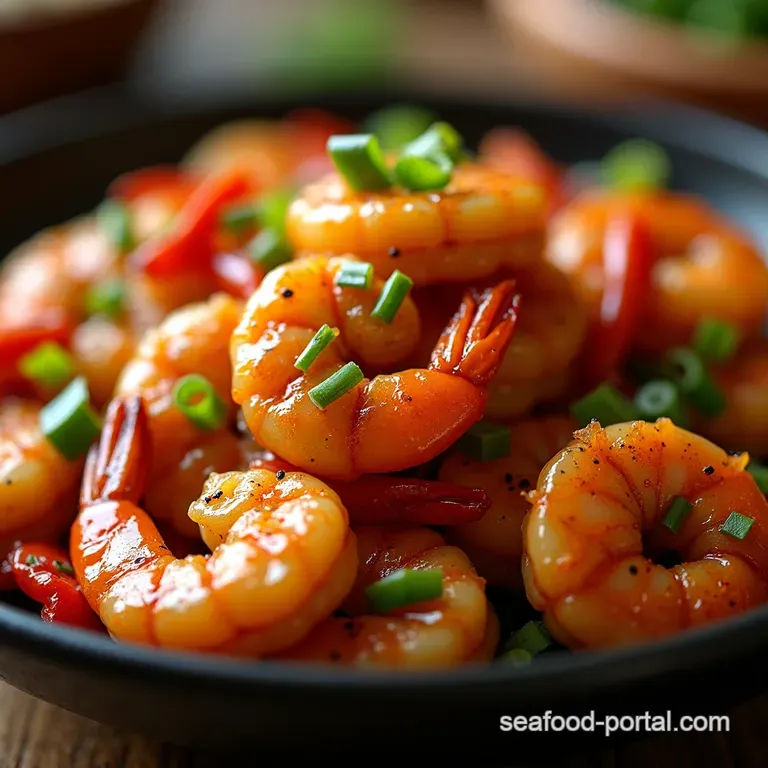
The preparation of the shrimp is a two-stage process designed to ensure they are perfectly cooked by the time the sauce is ready. We aim for the signature velvety texture achieved through careful handling.
Marination Magic: Tenderizing the Seafood Before Cooking
That initial 15-minute marination allows the cornstarch to begin binding to the protein. This is the "velveting" process in miniature. When these shrimp hit the hot oil, the starch forms a protective, slick layer around them, preventing the muscle fibers from seizing up too quickly and turning tough.
Toasting the Peanuts: Achieving That Signature Crunch
While the shrimp rests, ensure you have 1/2 cup of roasted, unsalted peanuts ready roughly chopped for better coating. Unlike many other stir fries where nuts are added early, in this Easy Kung Pao Shrimp recipe, they are added right at the very end.
This preserves their texture, ensuring they provide that critical crunch against the tender shrimp and soft sauce.
Tempering the Chilies: Infusing Oil Without Burning the Spice
This step requires your focused attention. Heat 2 tablespoons of high smoke point vegetable oil in the wok over medium low heat. Add 12 to 18 snipped dried red chillies (Tianjin or Arbol work wonderfully) and 2 teaspoons of whole Sichuan peppercorns.
Gently cook these aromatics for 1 to 2 minutes until they release their fragrance the oil will turn a beautiful reddish hue. The moment they become deeply fragrant, remove the chillies and peppercorns from the oil and set them aside.
This step, called tempering, infuses the oil with the essence of málà without incinerating the spices, which would introduce an acrid, bitter flavour to your entire dish.
Igniting the Wok: Layering Flavors in Sequence
With your infused oil waiting and your shrimp marinated, it’s time to ramp up the heat. This phase moves from low and slow tempering to aggressive, high heat cooking.
First, return the wok to high heat. Add the final tablespoon of oil. Once it shimmers, rapidly toss in your shrimp. Cook them for only 60 to 90 seconds until they turn opaque and curl slightly. Immediately remove them from the wok.
They will look barely cooked, which is intentional; they are effectively blanched in oil and will finish cooking later. Next, drop in your minced garlic, 1 tablespoon of minced ginger, and the white parts of 3 scallions.
Stir fry these aromatics for a mere 30 seconds until fragrant no longer, as garlic burns fast.
Bringing It All Together: Final Toss for Glossy Kung Pao Shrimp
This is the moment where all the separated components shrimp, infused oil, aromatics, and sauce converge into the cohesive, spicy masterpiece we are striving for.
Marination Magic: Tenderizing the Seafood Before Cooking
We already handled the marination, which prepped the shrimp for its quick searing. Now, as we reintroduce the shrimp to the hot wok, they will finish cooking rapidly, absorbing the sauce without losing their succulent interior texture.
Toasting the Peanuts: Achieving That Signature Crunch
Once the sauce has been poured in, allowed to bubble, and thickened (which takes about 30 seconds), it’s time for the final additions. Toss in the toasted peanuts. Their low moisture content ensures they remain crunchy, providing textural contrast against the soft shrimp and clinging sauce.
Tempering the Chilies: Infusing Oil Without Burning the Spice
Reintroduce the reserved, fragrant chilli and peppercorn mixture back into the wok with the shrimp and thickening sauce. Toss everything rapidly for about 10 seconds. This final brief exposure to heat reactivates the spices' aroma and ensures even distribution throughout the dish.
Finish by stirring in 1 teaspoon of toasted sesame oil right before plating, maximizing its aromatic punch.
Troubleshooting and Elevating Your Next Attempt
Even seasoned cooks occasionally run into minor hiccups when executing high heat stir fries. Understanding these common pitfalls allows you to troubleshoot on the fly and perfect your technique for future attempts at this fantastic Sichuan Shrimp with Peanuts .
Vegetable Swaps: Perfecting Your Stir Fry Add-Ins
If you want to incorporate more bulk, add hardier vegetables like sliced carrots or water chestnuts along with the aromatics (garlic/ginger). If using softer vegetables like bell peppers, introduce them immediately after removing the shrimp; they need just a minute to soften slightly before you add the aromatics back in.
Adjusting the Numbness: Dialing in the Sichuan Peppercorn Intensity
The signature tingle comes from the peppercorns. If you prefer less málà , use only 1 teaspoon of peppercorns instead of 2, or remove them entirely before serving.
Conversely, if you crave more intensity, increase the count to 1 tablespoon and ensure you are using fresh, vibrant peppercorns, as old ones lose their numbing potency.
Pairing Perfection: Suggested Sides Beyond Steamed Rice
While steamed Jasmine rice is the perfect canvas, consider serving this vibrant dish alongside something cooling to balance the heat. A simple side of lightly blanched Chinese Broccoli (Gai Lan) dressed with a touch of oyster sauce provides a welcome, fresh green counterpoint.
Alternatively, a crisp, cold lager or a dry Riesling cuts beautifully through the richness and spice of the Kung Pao Shrimp.
Recipe FAQs
Why is my Kung Pao Shrimp recipe not spicy or tingly enough?
That characteristic "málà" (numbing spice) comes almost entirely from two ingredients: the dried red chillies and the Sichuan peppercorns. If your dish is lacking, check if you properly infused the oil with these elements in Step 3.
Remember, you need to gently toast them until fragrant, but if they turn dark or burn, they will lose their distinct flavour.
How do I stop the shrimp from becoming rubbery in the stir fry?
This is the classic stir fry challenge! The secret is a technique called 'velveting,' which we manage via the cornstarch marinade. Only cook the shrimp until they are just pink and curled (about 90 seconds) in the hot oil, then remove them immediately.
They will finish cooking when you toss them back in with the simmering sauce at the very end, keeping them beautifully tender.
I can’t find Chinkiang black vinegar what’s the best substitute for this Kung Pao Shrimp sauce?
Chinkiang vinegar provides a dark, malty acidity that is key to the authentic flavour profile. If you’re in a pinch, the next best thing is standard Balsamic Vinegar; it offers that required sweetness and tang, although it will be slightly less sharp than the Chinese original.
Avoid standard white vinegar as it’s too harsh.
Can I make this dish ahead of time, or should I only cook Kung Pao Shrimp fresh?
Like most stir fries, this dish is best eaten immediately after cooking for the best texture and heat retention it’s meant to be a speedy affair! However, you can prepare the sauce and marinate the shrimp up to 4 hours in advance.
If you must store leftovers, keep them refrigerated in an airtight container for up to two days, though the peanuts won't be as crisp.
My wok seems too small, and the heat drops when I add everything what should I do?
If your pan isn't large enough or your burner isn't powerful enough, avoid overcrowding, which causes the ingredients to steam instead of fry. Cook in two smaller batches if necessary, particularly the shrimp and the aromatics. Remember, high heat is essential for that signature wok 'breath' and proper caramelisation!
Authentic Kung Pao Shrimp 2