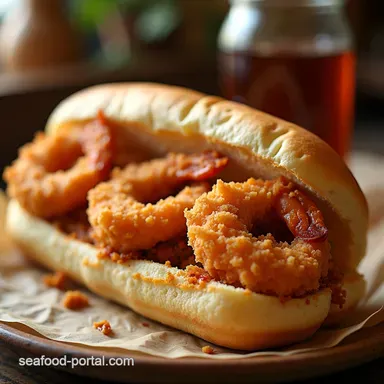
The Ultimate Dive into the Deep South the Classic New Orleans Fried Shrimp Po Boy
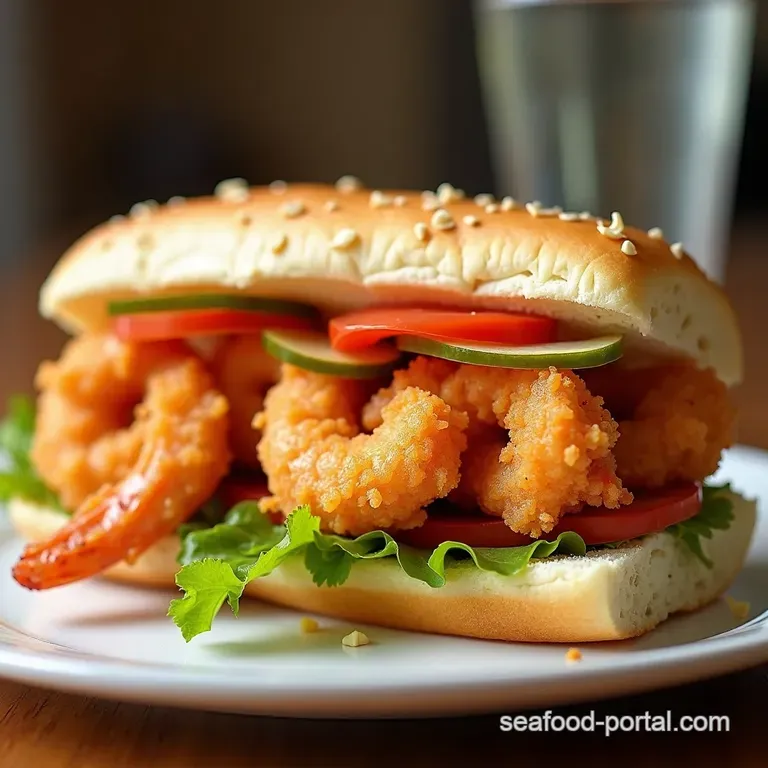
- Unpacking the Legend: Why This New Orleans Po Boy Sandwich Stands Apart
- The Soul of the Bayou on a Plate: A Recipe Introduction
- Curating Your Cast of Characters: Ingredients for Deep Flavor
- The Essential Components of a True New Orleans Po Boy Sandwich
- The Journey to Crispy Perfection: Frying Technique Mastery
- Elevating Your Next Po' Boy Adventure
- Pro Secrets for Storing and Reheating Your Creation
- Frequently Asked Questions
- 📝 Recipe Card
Unpacking the Legend: Why This New Orleans Po Boy Sandwich Stands Apart
When you talk about true culinary legends, the New Orleans Po Boy Sandwich sits proudly atop the list. This isn't merely a sandwich; it's a cultural artifact, a symbol of resilience, and a masterclass in textural harmony.
What separates an authentic Poboy Sandwich from its lesser cousins found outside of Louisiana? It comes down to three non-negotiable elements: the bread, the aggressive crispiness of the filling, and the specific, vibrant way it's "dressed." We are not aiming for a simple filling between two slices of bread; we are constructing a handheld experience where every component fights in the best way possible for dominance.
Getting the balance right means achieving a satisfying structural integrity that withstands the generous fillings without collapsing into a soggy mess. Mastering this Homemade Po Boy Sandwich means respecting its roots while executing flawless frying technique.
The Soul of the Bayou on a Plate: A Recipe Introduction
To truly capture the spirit of the Big Easy, we need to focus on precision. This Shrimp Po Boy Recipe is designed to deliver that quintessential 'shatter' upon the first bite the sound of perfectly executed hot oil interacting with a flavourful, light dredge.
We’ll guide you through making a zesty remoulade from scratch, which adds necessary brightness to counter the richness of the fried seafood. While the overall preparation takes just under an hour, the small details, like ensuring your shrimp are bone dry before dredging, are what elevate this from a good meal to the Best Po Boy Sandwich you’ve ever encountered.
Difficulty is rated as medium, not because the steps are complex, but because achieving that perfect, non-greasy crisp demands attention to temperature control.
Demystifying the Authentic Po' Boy Experience
The very definition of an Authentic Po' Boy Sandwich hinges on the contrast. You need the yielding softness of the interior of the bread juxtaposed against the aggressive crackle of the coating on the protein.
On top of that,, the fillings must be fresh: crisp iceberg lettuce, cool tomato slices, and our signature remoulade. This combination cools the palate while the seasoned crust warms it, creating a dynamic eating sensation that defines New Orleans Style Po Boy cuisine.
The Crucial Role of the Bread: Finding Your Cochon de Lait Loaf
If you take nothing else away from this guide, remember the bread. A true New Orleans Po Boy Sandwich Recipe demands a specific type of French bread often described locally as cochon de lait bread, characterized by a thin, crackly crust that shatters easily, yielding to an airy, almost marshmallow like interior.
This airy structure is crucial because it absorbs juices and sauces without turning dense or gummy. If you substitute with a heavy Italian loaf, the sandwich will become leaden and fail to deliver the required textural contrast.
A Quick Nod to History: From Poor Boy to Culinary Icon
The origins of the Po' Boy are rooted in necessity during the 1929 streetcar strike, where local restaurateurs Benny and Clovis Martin offered free sandwiches to the out-of-work streetcar conductors (the "poor boys").
This humble beginning is why the sandwich remains unfussy yet deeply satisfying it’s honest food built on quality foundational ingredients, designed to fill a hungry stomach completely.
Curating Your Cast of Characters: Ingredients for Deep Flavor
Creating a memorable Easy Po Boy Sandwich starts with meticulous ingredient selection. For this classic, we focus on large shrimp (21-25 count size), the sharp tang of buttermilk for tenderizing, and a dredge built not just on flour, but enriched with cornmeal for superior crunch.
The homemade remoulade sauce acts as our flavour anchor, using horseradish and Worcestershire to deepen the standard mayonnaise base. Don't skimp on the vegetables; shredded iceberg lettuce provides the necessary structural crunch that cannot be replaced by anything else in this application.
Related Recipes Worth Trying
- The Ultimate Crispy Shrimp Poboy Recipe with Zesty Creole Mayo — Forget takeout Make the best Homemade Shrimp Poboy with shatteringly crispy breaded fried shrimp and a quick Creole Remoulade Sauce Total time under 45 mins...
- Easy Buttered Lobster Rolls Recipe New England in 15 — Quick easy Easy Buttered Lobster Rolls Recipe Skip the fuss keep the flavor Buttery sweet lobster in toasted rolls New England perfection at home Get the recipe
- Basa Fish Something New CoconutLime Zing Recipe — Looking for Basa Fish Something New This CoconutLime Basa is a flavour explosion Easy healthy and ready in under an hour A Southeast Asian delight
The Essential Components of a True New Orleans Po Boy Sandwich
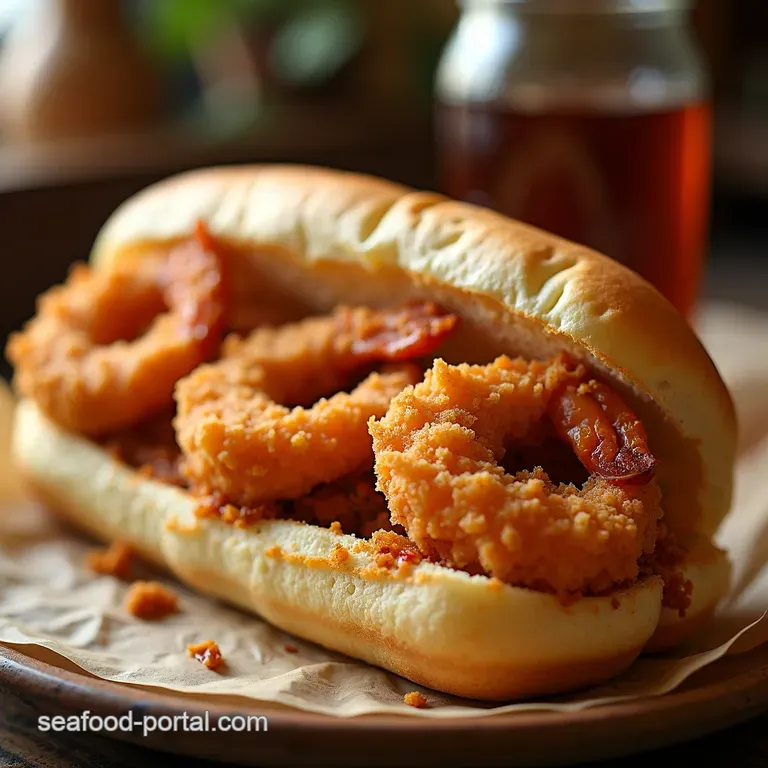
Every element plays a vital role in the final product, whether you are making a Roast Beef Po Boy Recipe or opting for the fried seafood variation we are focusing on today.
Selecting and Seasoning the Star Protein (Shrimp Prep)
For our shrimp, peeling and deveining is standard, but the prep step is critical: you must pat the shrimp completely dry. Moisture is the enemy of crispness. The dry dredge mixture itself is seasoned aggressively with salt, pepper, garlic powder, onion powder, and a welcome kick of cayenne.
The shrimp will then pass through the wet mixture a blend of eggs and buttermilk which provides the sticky binding agent that allows the seasoned dry mix to adhere perfectly, setting the stage for a fantastic crust.
The Holy Trinity of Toppings: Lettuce, Tomato, and Pickles
In the context of a Po' Boy, these toppings are referred to simply as "dressed." The lettuce must be crisp iceberg, shredded finely; this prevents huge, floppy leaves from sliding out. Tomatoes should be thick cut, ripe heirloom slices to provide juicy acidity.
While traditionalists debate the placement of pickles, having a few dill slices available adds necessary brine and sharpness to balance the fat of the fried element.
Crafting the Signature 'Dressed' Finish: Mayo and Hot Sauce Balance
The "dressing" is where the magic happens beyond the frying. Our rich, complex remoulade replaces simple mayonnaise. It combines creamy texture with tang from Dijon and horseradish, smokiness from paprika, and the underlying warmth of hot sauce.
This sauce is applied generously to both sides of the interior bread, ensuring every bite has that signature spicy, creamy lubrication.
Tool Check: What You Need for Perfect Frying Consistency
Achieving excellence in frying requires the right hardware. You absolutely need a heavy bottomed pot, which retains heat better than thin pans, and most importantly, a deep fry or candy thermometer.
Maintaining a steady oil temperature of precisely 350° F ( 175° C) is the secret weapon against soggy coatings; guesswork will lead to disaster.
The Journey to Crispy Perfection: Frying Technique Mastery
This process is quick, so be ready to move efficiently. Once the shrimp are dredged and the oil is at temperature, the frying is a race against time to achieve a golden exterior before the interior overcooks.
Achieving Optimal Dredge Thickness for Superior Crunch
When pressing the seasoned flour mixture onto the buttermilk soaked shrimp, be firm but don't pack it down excessively. You want a textured, craggy coating. This uneven surface area is what catches the hot oil and turns into those glorious, crisp shards that define a great New Orleans Po Boy Sandwich .
If the dredge looks too thin, quickly dip it back into the wet mix and then the dry mix for a double coating, pressing firmly each time.
Oil Temperature Control: The Secret to Non-Greasy Fried Goodness
If the oil is too cool (below 330° F), the coating soaks up the oil before it crisps, resulting in a heavy, greasy sandwich. If it’s too hot (above 375° F), the outside burns instantly while the inside remains raw.
Stick rigidly to 350° F ( 175° C). Fry in small batches so the temperature doesn't plummet when the cold shrimp hits the pot.
The Proper Way to Lightly Toast the French Bread
Before assembly, briefly open the split loaf and place the interior cut sides face down in a very dry, medium hot skillet for about 30 seconds, or under a low broiler. This simple step removes a small amount of moisture from the crumb, strengthening the bread’s ability to hold the heavy, juicy fillings without immediately dissolving, thus preserving the integrity of your Homemade Po Boy Sandwich .
Constructing the Sandwich: Order Matters for Structural Integrity
Layering correctly is the final frontier of construction. First, the remoulade coats both sides of the bread. Next, the heaviest component the shrimp goes on the bottom half. This provides a sturdy foundation.
Then, the sliced tomatoes, which are moist but slightly firmer than lettuce, followed by the lighter, airy shredded lettuce on top. This order ensures the structural weight is borne by the fried seafood and the sturdy bread base.
Elevating Your Next Po' Boy Adventure
Once you have mastered this classic fried shrimp configuration, you open the door to endless exploration. Remember that the principles of the sturdy bread and the "dressed" condiments remain constant, even if the protein changes.
A great Roast Beef Po Boy Recipe , for instance, involves slow cooking the beef until fork tender and then soaking it in a rich jus before stacking it high but you would still finish it with lettuce, tomato, and the same vibrant remoulade for that authentic Bayou flair.
Pro Secrets for Storing and Reheating Your Creation
Realistically, a Po' Boy is best eaten immediately. The beauty of the fried crust fades rapidly upon contact with steam and sauce. If you must store leftovers, keep the fried protein separate from the bread and the dressed vegetables.
To reheat the shrimp: place them on a wire rack set over a baking sheet and bake at 400° F ( 200° C) for about 5– 7 minutes until the crunch returns. Never microwave the fried components, as this accelerates sogginess dramatically.
Creative Substitutions: Beyond Fried Shrimp Variations
While shrimp is iconic, don't hesitate to try fried oysters, fried crawfish tails, or even fried catfish fillets for your Poboy Sandwich Recipe . For a vegetarian spin, thick cut, heavily seasoned fried green tomatoes make an outstanding substitute, offering similar textural contrast.
The Science of the 'Dressed' Difference: Condiment Ratios
The key to the 'dressed' finish is balance. You need enough remoulade so that the sandwich feels rich and lubricated, but not so much that it pools out the sides. Generally, aim for a thin, even coat on both the top and bottom pieces of bread.
The fresh vegetables should be piled high enough that they protrude slightly, signalling freshness against the fried richness.
Pairing Perfection: What Beverage Complements This New Orleans Staple?
This sandwich is robust, rich, and flavourful. It demands a beverage that is ice-cold, highly carbonated, and slightly acidic to cleanse the palate between bites. A crisp American lager, a cold sparkling water with lemon, or a classic Southern sweet iced tea (if you can handle the sweetness alongside the richness) are the perfect companions for truly enjoying every layer of your New Orleans Po Boy Sandwich .
Frequently Asked Questions
What’s the secret to making sure my shrimp coating on the New Orleans Po Boy Sandwich doesn't go soggy?
The absolute key is moisture control! First, make sure your raw shrimp are patted bone dry before they ever see the wet dredge. Secondly, ensure your frying oil temperature stays steady at 350°F (175°C); if the oil is too cool, the coating will soak up grease instead of crisping up beautifully.
Can I bake or air-fry the shrimp for this Po Boy instead of deep frying?
While you certainly can bake or air-fry for a lighter version, it won't yield the authentic, shatteringly crisp crust that defines a true Po' Boy. If you must bake, spray the coated shrimp liberally with cooking oil and bake on a wire rack at 400°F (200°C) until golden, turning halfway.
What kind of bread is non-negotiable for an authentic Po Boy experience?
You really need that specific New Orleans French bread it should have a very thin, crackly crust and a super light, almost airy interior that soaks up the remoulade without immediately disintegrating.
If you can’t find it, look for the thinnest, crispiest Italian loaf you can find; avoid anything too dense like a baguette.
How far ahead of time can I prepare the zesty remoulade sauce?
The remoulade is actually better if made ahead of time! Allowing it to chill in the fridge for at least an hour, or even overnight, lets all those complex spices and acids meld together properly. It stores brilliantly in an airtight container for up to a week.
I'm making a big batch; how should I store leftover fried shrimp?
Honestly, fried food is best served immediately, as the steam trapped in storage will soften the crust it’s a bit of a tragedy! If you must store them, cool them completely on a wire rack, then store them in a single layer in an airtight container in the fridge for up to two days.
Reheat them quickly in a hot oven (400°F) to try and revive some crunch.
Crispy Shrimp Po Boy Recipe