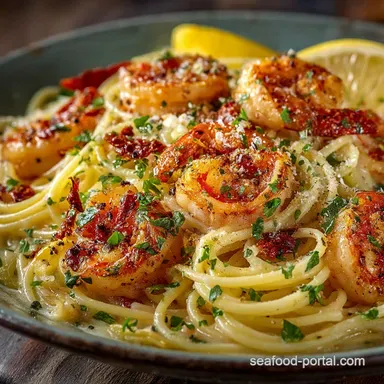
Lemon Garlic Prawn Linguine in 20 Minutes

- Total20 Mins
- Protein42.5 g
- Calories773 kcal
- Time: 10 min active + 10 min cook
- Flavor & Texture: Zesty lemon and aromatic garlic with succulent pink prawns
- Perfect for: Lively Mediterranean-style celebrations
Lemon Garlic Prawn Linguine for Vibrant Dinners
The most frequent mistake with this meal is ending up with rubbery, overcooked prawns. This happens when the seafood is simmered in the sauce for too long, toughening the proteins. To avoid this, sear the prawns quickly and take them off the heat before you even begin the sauce.
This technique ensures the seafood remains tender and the garlic develops a rich flavor without burning. The result is a bright, zesty dish that feels like a celebration but is ready in under 30 minutes.
Consider the vibrant color palette of the finished plate. The contrast between the pink prawns, deep green parsley, and bright yellow lemon zest makes the meal look every bit as fresh as it tastes.
Why the Steps Matter
- The Starch Bridge: Reserved pasta water contains starch that binds the fat from the butter to the liquid stock. This prevents the sauce from splitting into an oily mess.
- The Separate Sear: Prawns cook in about 90 seconds, but garlic needs a different heat profile to soften. Removing the prawns first prevents them from overcooking while the sauce reduces.
The Basics
For this dish, you want to use a wide skillet. A larger surface area allows the prawns to sear in a single layer without crowding, which prevents them from steaming in their own juices. If you use a small pot, they will release water and won't get that vibrant pink color.
I like using a heavy stainless steel or cast iron pan. These hold heat better, which helps the butter foam and the garlic sauté quickly.
The Building Blocks
| Ingredient | Role | If You Don't Have It |
|---|---|---|
| Linguine | Structure | Spaghetti (similar result) |
| Fish Stock | Savory Depth | Clam juice or vegetable stock (approximation) |
| Lemon Juice | Brightness | White balsamic (approximation, start with half) |
| Unsalted Butter | Richness | Margarine (less flavor) |
The Shopping List
- 1 lb linguine
- 2 tbsp sea salt
- 1 lb raw king prawns, peeled and deveined
- 3 tbsp extra virgin olive oil
- 4 tbsp unsalted butter
- 5 cloves garlic, thinly sliced Why this? Slices brown more evenly than minced garlic
- 1/2 tsp red pepper flakes
- 1/2 cup fish stock
- 2 tbsp fresh lemon juice
- 1 tbsp fresh lemon zest
- 1/4 cup fresh parsley, finely chopped
- 1/2 cup grated Parmesan cheese
Gear for This Recipe
A wide skillet is your most important tool here. You also need a large pot for the pasta and a set of tongs for the final toss. Using tongs instead of a spoon prevents the long linguine strands from breaking.
Key Steps
1. The Pasta Foundation
Heat a large pot of water until it reaches a rolling boil. Stir in 2 tbsp sea salt. Cook the linguine for 1–2 minutes less than the package recommends to ensure an al dente texture. Save 1 cup of the pasta cooking water before draining.
2. The High-Heat Sear
Warm 3 tbsp extra virgin olive oil in a wide skillet over medium-high heat. Once the oil is hot, arrange the prawns in a single layer. Sear for 60–90 seconds per side until they are pink, opaque, and reach a safe internal temperature of 145°F (63°C).
Move the prawns to a plate immediately.

3. Building the Emulsion
Lower the skillet heat to medium and add 4 tbsp unsalted butter. Once it foams, stir in the sliced garlic together with 1/2 tsp red pepper flakes. Sauté for 60 seconds until fragrant and translucent. Pour in 1/2 cup fish stock and 2 tbsp fresh lemon juice, then simmer for 2 minutes to reduce.
4. The Final Toss
Transfer the drained linguine into the skillet. Use tongs to toss the pasta vigorously. Add the saved pasta water a splash at a time until the sauce becomes glossy and coats the pasta. Stir the seared prawns, 1 tbsp lemon zest, and 1/4 cup chopped parsley back into the pan.
Heat for 30 seconds just to warm through.

5. Finishing Touches
Portion the pasta into bowls. Garnish with the 1/2 cup grated Parmesan cheese.
Common Problems and Fixes
The primary challenge with this dish is achieving the perfect prawn texture. Should they coil into a tight "O," they have been overcooked and will feel rubbery; instead, aim for a loose "C" shape for the best result.
Another frequent issue is a sauce that appears oily rather than creamy. This is usually caused by draining the pasta too much or failing to incorporate enough starchy water to emulsify the butter.
Dealing with Texture and Sauce
| Problem | Fix |
|---|---|
| Rubbery Prawns | Use a meat thermometer to pull them at exactly 145°F |
| Oily Sauce | Stir in more reserved pasta water and toss vigorously |
| Bitter Garlic | Ensure garlic is translucent, not brown, before adding stock |
Presentation Tips

To make this dish look vibrant, add your color accents at the very end. The green parsley and yellow zest should be folded in just before serving so they don't dull in the heat.
For a shareable Mediterranean style, serve this in a large shallow platter. Scatter the Parmesan cheese over the top and add a few fresh lemon wedges on the side for extra brightness. If you're hosting a larger gathering, this pairs well with a homemade clam dip as a starter.
Make-ahead and Leftover Tips
Keep leftovers in a closed container in the refrigerator for up to 2 days. Freezing this lemon garlic prawn linguine is not recommended, as the pasta turns mushy and the prawns become tough.
Avoid using the microwave to reheat. Instead, warm the pasta in a skillet over medium-low heat, adding a splash of water or fish stock to loosen the sauce. Stir in the prawns at the very end just to warm them through. Confirm leftovers reach 165°F (74°C) as recommended by USDA food safety guidelines.
Variations & Substitutions
You can easily adapt this lemon garlic prawn linguine for different needs. If you want to bulk it out, toss in two cups of fresh baby spinach during the final toss. The heat from the pasta will wilt the greens in about 30 seconds.
For a gluten-free version, use a high-quality brown rice linguine. Note that these pastas often release more starch, so you might need less reserved pasta water to get the right sauce consistency. For this gluten-free version, also use products labelled gluten-free for the broth or stock.
| Original Ingredient | Substitute | Why It Works |
|---|---|---|
| King Prawns | Shrimp | Same cooking method, just check doneness visually |
| Fish Stock | Vegetable Stock | Good alternative, though adds less oceanic depth |
| Parmesan | Pecorino Romano | Saltier and sharper, provides a bolder finish |
Your Questions, Answered
What sauce works best for prawn linguine?
A glossy emulsion of butter, garlic, fish stock, and fresh lemon juice creates the ideal coating.
Tip: reserve the starchy pasta water to help the sauce cling to the noodles.
Does combining prawns and lemon cause any issues?
No, lemon is a classic pairing that enhances the natural sweetness of the prawns.
Tip: add the fresh lemon zest at the very end to keep the citrus flavor bright.
How do you make lemon and prawn linguine?
Sear the prawns in olive oil and remove them, then sauté garlic and red pepper flakes in butter before simmering with fish stock and lemon juice.
Tip: toss the pasta vigorously with reserved water to create a professional, glossy finish.
Are cup and imperial measures accurate enough to trust, or should I weigh the ingredients?
Weighing ingredients on a digital scale provides the most consistent results.
Tip: this is especially helpful for the linguine to ensure the pasta-to-sauce ratio is correct.
Can I bulk the dish out with extra greens such as spinach?
Yes, you can stir in two cups of fresh baby spinach during the final toss.
Tip: the residual heat from the pasta will wilt the greens in about 30 seconds.
Will the whole thing really come together fast enough for a weeknight?
Yes, the total time from prep to plate is only 20 minutes.
Tip: boil the water first so the pasta is ready just as the sauce finishes simmering.
Is a gluten-free version possible?
Yes, you can use a high-quality brown rice linguine instead of wheat pasta.
Tip: use slightly less reserved pasta water since rice noodles often release more starch.
Lemon Garlic Prawn Linguine in 20 Min