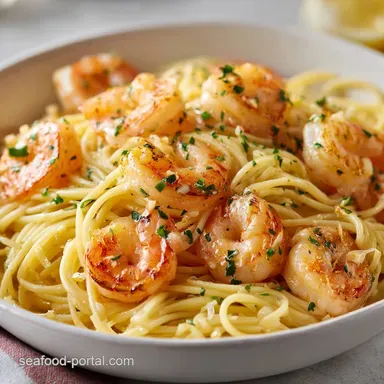
Shrimp Spaghetti Recipe: Garlic Butter
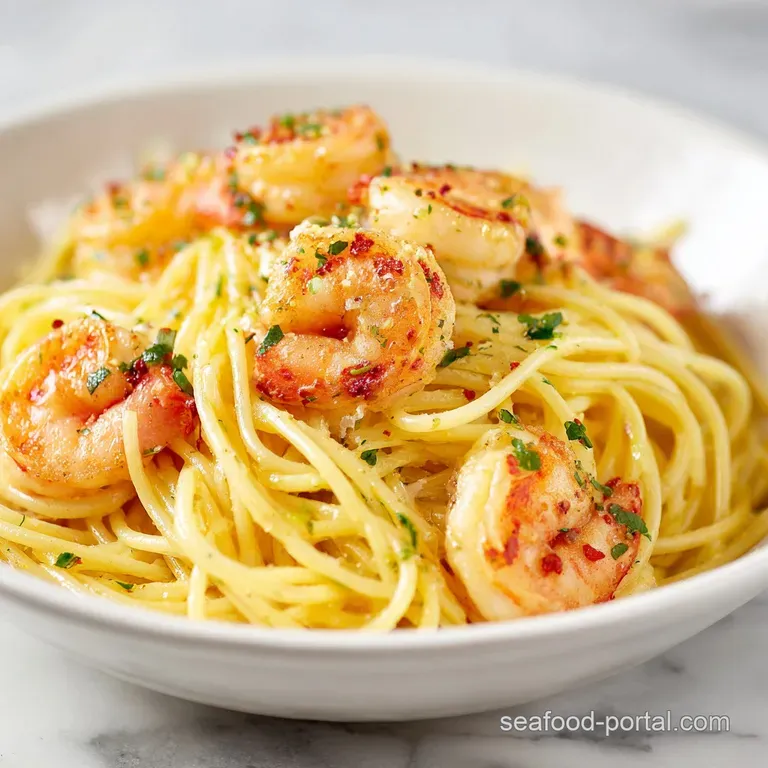
- Time: 5 min active + 10 min cook = Total 15 mins
- Flavor/Texture Hook: Velvety lemon butter sauce with a bright, zesty finish
- Perfect for: A vibrant Mediterranean dinner for a few close friends
- The Best Shrimp Spaghetti Recipe
- Quick Recipe Overview
- The Glossy Finish
- Component Analysis
- The Ingredient List
- Step By Step Instructions
- Fixing Common Mistakes
- Troubleshooting Common Issues
- Fun Flavor Variations
- Adjusting Portion Sizes
- Debunking Pasta Myths
- Storage and Freshness
- Vibrant Pairing Suggestions
- Plating for the Occasion
- Recipe FAQs
- 📝 Recipe Card
The scent of sizzling garlic and bubbling butter hitting a hot pan is, for me, the ultimate signal that a great meal is happening. I remember the first time I tried to make this for a small gathering on my balcony last summer.
I was so focused on the pasta that I nearly overcooked the shrimp, turning them into rubbery little pebbles. It was a disaster for about three minutes until I realized the secret is in the separate sear and the magic of the reserved pasta water.
Now, this is my go to whenever I want something that feels celebratory but doesn't keep me trapped in the kitchen for hours. We're talking about a dish that brings that fresh, Mediterranean energy to the table without requiring a professional degree in culinary arts.
You get that hit of lemon, the warmth of red pepper flakes, and shrimp that actually snap when you bite into them.
This shrimp spaghetti recipe isn't about complex techniques, but rather about the rhythm of the pan. We're going to focus on getting a golden crust on the seafood and then building a sauce that coats every single strand of pasta.
It's vibrant, it's fresh, and it's exactly what you want when you're hosting a relaxed dinner with a bottle of chilled white wine.
The Best Shrimp Spaghetti Recipe
When you're putting together a shrimp spaghetti recipe, the goal is balance. You don't want the garlic to overpower the sweetness of the shrimp, and you certainly don't want the lemon to make the sauce taste like a salad dressing.
The magic happens in the final toss, where the pasta water and butter merge into a silky glaze.
I've found that using a wide skillet is non negotiable here. If your pan is too small, the shrimp will crowd each other, they'll steam instead of sear, and you'll lose that beautiful golden color. We want that sizzle, that over high heat contact that creates a savory crust.
Many people try to cook everything in one pot to save on dishes, but trust me on this, that's a mistake. By searing the shrimp separately and then bringing them back at the end, we ensure they stay plump and juicy.
It's a small extra step that makes a massive difference in the final texture of this shrimp spaghetti recipe.
Quick Recipe Overview
Before we dive in, let's look at the basic timing. This is a high speed dish, which means you need to have your "mise en place" ready. Chop your parsley, mince your garlic, and juice your lemon before the water even starts to boil.
Because everything happens so fast, there is no time to go hunting for the grater once the pasta is al dente. I usually set out small bowls for each ingredient, which keeps the process elegant and stress free. It's more about the flow than the effort.
If you're planning this for a larger group, remember that the sauce depends on the ratio of butter to pasta water. If you double the pasta, you'll need to be mindful of the liquid levels to keep that velvety consistency.
The Glossy Finish
Since we aren't using heavy cream, we have to rely on a bit of home cook science to get that restaurant style shine.
- Starch Binding: The reserved pasta water contains gelatinized starches that act as a bridge between the fat (butter/oil) and the liquid (wine/lemon).
- Cold Butter Emulsion: Adding butter at the very end while tossing vigorously creates a suspension of fat droplets, which gives the sauce its velvety texture.
- Acidic Brightening: The lemon juice cuts through the richness of the butter and Parmesan, preventing the dish from feeling too heavy.
- Protein Searing: High heat creates a browned exterior on the shrimp, adding a depth of flavor that simmering simply cannot achieve.
Whether you prefer a traditional pan or something a bit more modern, the method of heat application changes the result. For this shrimp spaghetti recipe, the stovetop is king.
| Feature | Stovetop (Recommended) | Oven Baked Shrimp |
|---|---|---|
| Texture | Snap and sear | Tender and soft |
| Sauce Style | Glossy emulsion | More pooled liquid |
| Speed | Extremely fast (15 mins) | Slower (25-30 mins) |
| Best For | Fresh, zesty dinner | Large batch catering |
The stovetop allows for that constant movement and tossing, which is essential for the sauce to bind to the spaghetti.
Component Analysis
Understanding why we choose these specific ingredients helps you make better decisions if you're missing something in your pantry.
| Ingredient | Science Role | Pro Secret |
|---|---|---|
| Pasta Water | Emulsifier | Use the cloudiest water from the top of the pot |
| Dry White Wine | Deglazing agent | Use a Sauvignon Blanc for a crisp, citrusy note |
| Unsalted Butter | Fat/Texture | Keep it cold until the final toss for a better shine |
| Lemon Zest | Aromatic | Rub the zest into the cheese for an intense citrus scent |
Using a high-quality extra virgin olive oil at the start is important. It provides a high smoke point for the sear but leaves a fruity undertone that complements the Mediterranean feel of the dish.
The Ingredient List
Here is everything you'll need for this shrimp spaghetti recipe. I've listed the exact amounts to ensure your sauce to pasta ratio is spot on.
- 12 oz (340g) spaghetti Why this? Classic shape that holds the glossy sauce perfectly
- 1 tbsp (15g) kosher salt Why this? Essential for seasoning the pasta from the inside out
- 1 lb (450g) large shrimp, peeled and deveined Why this? Large shrimp provide the best "snap" and bite
- 2 tbsp (30ml) extra virgin olive oil Why this? Prevents butter from burning during the over high heat sear
- 4 tbsp (57g) unsalted butter Why this? Creates the velvety emulsion at the end
- 5 cloves (25g) garlic, minced Why this? Provides the aromatic base for the entire dish
- 1/2 tsp (3g) red pepper flakes Why this? Adds a subtle, warm glow without overwhelming heat
- 1/4 cup (60ml) dry white wine Why this? Adds acidity and depth to the pan sauce
- 1 medium lemon, juiced and zested Why this? Brightens the fats and lifts the seafood flavor
- 1/2 cup (50g) grated Parmesan cheese Why this? Adds saltiness and helps thicken the sauce
- 1/4 cup (15g) fresh parsley, chopped Why this? Fresh, herbal finish to balance the richness
- salt to taste
- black pepper to taste
If you find yourself without white wine, don't panic. You can use a splash of chicken broth or even a bit more lemon juice, though you'll lose some of that fermented depth.
| Original Ingredient | Substitute | Why It Works |
|---|---|---|
| Dry White Wine | Chicken Broth | Similar savory depth. Note: Lacks the acidic "zip" of wine |
| Parmesan Cheese | Pecorino Romano | Saltier, sharper flavor. Note: Very strong, reduce added salt |
| Spaghetti | Linguine | Similar surface area. Note: Slightly wider, catches more sauce |
| Large Shrimp | Scallops | Similar sear properties. Note: Cook for slightly longer per side |
It's always better to use fresh lemon than bottled juice here. The oils in the zest are what provide that "fresh from the coast" aroma that defines a great shrimp spaghetti recipe.
Step by step Instructions
Now, let's get into the rhythm. Keep your heat steady and your movements quick.
- Bring a large pot of salted water to a rolling boil. Add the spaghetti and cook according to package instructions until al dente. Note: This usually means 1-2 minutes less than the box says.
- Reserve 1 cup (240ml) of starchy pasta water before draining. Wait until you see the water is cloudy before scooping it out.
- Pat shrimp completely dry with paper towels. Note: Wet shrimp will steam, not sear, which prevents a golden crust.
- Heat 2 tbsp olive oil and 1 tbsp butter in a skillet over medium high heat. Sear shrimp in a single layer for 1-2 minutes per side until they are opaque and just turning pink, then remove to a plate.
- Lower heat to medium. Add 1 tbsp butter and minced garlic; sauté for 1 minute until the garlic is fragrant but not browned.
- Stir in red pepper flakes and white wine, simmering for 2 minutes until the liquid has reduced by about half.
- Toss cooked spaghetti and seared shrimp back into the skillet.
- Stir in 1/2 cup reserved pasta water, lemon juice, and the remaining 2 tbsp of butter. Toss vigorously until the sauce looks glossy and clings to the pasta.
- Stir in grated Parmesan cheese and chopped parsley. Season with salt and black pepper to taste before serving.
Chef's Tip: If the sauce looks too thick or "sticky" after adding the cheese, splash in a bit more of that reserved pasta water. It's like a magic wand for texture.
Fixing Common Mistakes
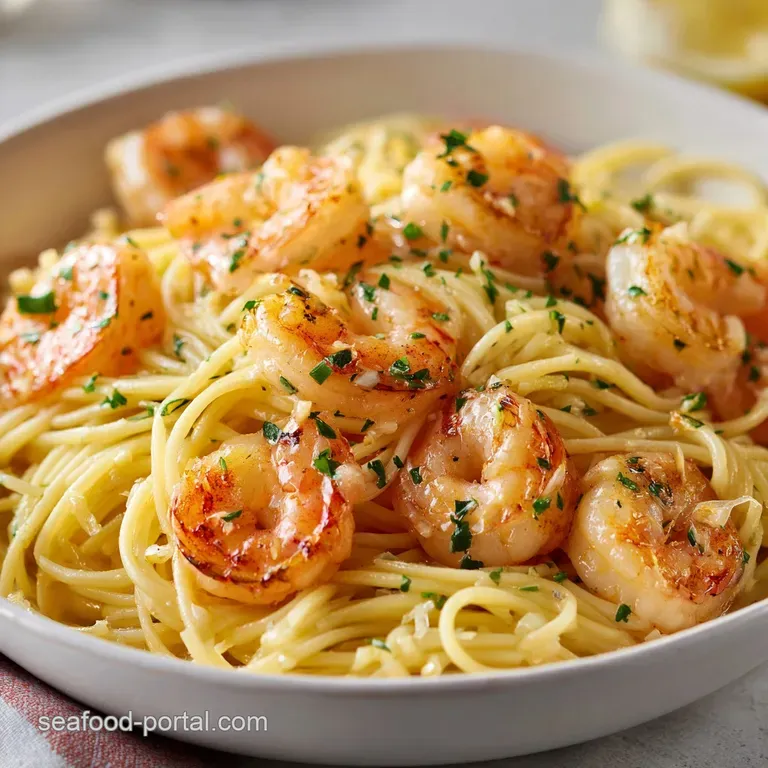
Even the most seasoned cooks can have a bad day in the kitchen. When it comes to a shrimp spaghetti recipe, the most common issues are usually related to temperature or timing.
Troubleshooting Common Issues
| Issue | Solution |
|---|---|
| Why Your Shrimp Are Rubbery | This is almost always a result of overcooking. Shrimp cook incredibly fast, and they continue to cook even after you take them out of the pan. If they curl into tight "O" shapes, they've gone too far. |
| Why Your Sauce Is Separated | If you see pools of oil floating on top of your pasta, your emulsion has broken. This usually happens if the heat was too high when you added the butter or if you didn't use enough starchy pasta water |
| Why Your Garlic Is Bitter | Garlic burns in a heartbeat. If your garlic turns dark brown or black, it will taste acrid. The key is to lower the heat before adding the garlic and to keep it moving constantly. |
Common Mistakes Checklist:
- ✓ Pat shrimp dry before searing to ensure a golden crust.
- ✓ Reserve pasta water BEFORE draining the pot.
- ✓ Use cold butter at the end for a silkier sauce.
- ✓ Keep garlic moving to prevent burning.
- ✓ Avoid overcrowding the pan with shrimp.
Fun Flavor Variations
One of the best things about a shrimp spaghetti recipe is how easily it adapts to your mood. If you're feeling like something different, you can pivot the flavor profile without changing the core technique.
If you want a creamy shrimp spaghetti recipe, you can stir in two tablespoons of heavy cream or mascarpone at the same time you add the butter. This turns the glossy glaze into a rich, velvety sauce that feels a bit more indulgent.
For those who prefer a shrimp spaghetti tomato sauce, try adding a tablespoon of tomato paste to the garlic and red pepper flakes. Let the paste caramelize for a minute before adding the wine. This creates a "pink sauce" vibe that is incredible with a bit of extra basil.
If you're looking for a lower calorie swap, you can replace the butter with a high-quality vegan butter or simply increase the olive oil and use more lemon juice to provide the richness. You'll lose some of the velvety mouthfeel, but the brightness remains.
For a different take on the pasta, you might consider using a wok tossed shrimp lo mein style if you have a wok available, though that moves us away from the Mediterranean roots of this specific dish.
Adjusting Portion Sizes
When you're scaling this shrimp spaghetti recipe, you can't always just multiply everything by two. Some ingredients can become overpowering if scaled linearly.
Scaling Down (1/2 Batch): Use a smaller skillet to prevent the butter from spreading too thin and burning. Reduce the cooking time for the sauce by about 20% since there is less liquid to reduce. If a recipe calls for one egg (not in this one, but generally), beat it and use half.
Scaling Up (2x - 4x Batch): Don't double the red pepper flakes and salt immediately. Start at 1.5x and taste as you go, as spices can intensify in larger volumes. Work in batches when searing the shrimp; if you crowd the pan with 2 lbs of shrimp, they will boil in their own juices and you'll lose the sear.
For the pasta, ensure you use your largest pot. Starch buildup is higher in larger batches, so you might actually need slightly less reserved pasta water to achieve the same emulsion.
| Batch Size | Shrimp Technique | Butter/Wine Ratio | Heat Adjustment |
|---|---|---|---|
| Single (1x) | Single layer | Standard | Medium High |
| Double (2x) | Two separate batches | 1.8x (approx) | Maintain high heat |
| Party (4x) | Four separate batches | 3x (approx) | Lower heat for sauce |
Debunking Pasta Myths
There are a few things people tell you about pasta and seafood that just aren't true.
First, some say you should rinse your pasta after draining to stop the cooking. Please, don't do this! Rinsing removes the very starch we need for the sauce to cling to the noodles. Keep that starch; it's your best friend in a shrimp spaghetti recipe.
Second, there's a myth that searing shrimp "seals in the juices." In reality, moisture loss happens regardless of how you cook them. Searing is about flavor and texture, not about creating a waterproof barrier around the protein.
Finally, some believe you must use expensive, artisanal pasta for the dish to be "authentic." While high-quality pasta is great, the real secret to this dish is the emulsion and the fresh lemon, not the brand of the noodle.
Storage and Freshness
Seafood pasta is definitely best served immediately, but we've all had leftovers. The trick is in how you handle the reheating process to avoid rubbery shrimp.
Fridge Storage: Store in an airtight container for up to 2 days. The pasta will absorb the sauce as it sits, which means it will look a bit dry when you open the container.
Freezing: I don't recommend freezing this shrimp spaghetti recipe. The emulsion of butter and pasta water will break during the freeze thaw cycle, leaving you with a greasy sauce and tough shrimp.
Reheating Guidelines: Avoid the microwave if possible. Instead, put the pasta in a skillet over medium heat and add a splash of water or a knob of butter. Toss gently until heated through. This helps "re emulsify" the sauce and keeps the shrimp from overcooking further.
Zero Waste Tips: Don't throw away the shrimp shells if you bought them head on! Roast the shells with a bit of oil and salt for a crunchy snack, or simmer them with a carrot and onion to make a quick seafood stock for your next risotto.
Also, use any leftover lemon rinds to infuse your sugar or salt for baking.
Vibrant Pairing Suggestions
Because this dish is so bright and zesty, you want pairings that either complement the citrus or provide a grounding contrast.
The Fresh Balance: A crisp arugula salad with a simple lemon olive oil vinaigrette is the perfect companion. The peppery bite of the arugula cuts through the richness of the butter sauce. Add some shaved fennel or thinly sliced radish for an extra crunch.
The Classic Side: Garlic bread is the obvious choice, but try a crusty sourdough baguette toasted with a brush of garlic infused oil and a sprinkle of sea salt. It's perfect for mopping up every last drop of that lemon garlic sauce.
The Drink Pairing: A chilled glass of Pinot Grigio or Sauvignon Blanc is a natural fit. The acidity in these wines mirrors the lemon in the shrimp spaghetti recipe, creating a cohesive tasting experience.
For a non alcoholic option, a sparkling water with a slice of cucumber and mint is incredibly refreshing.
Plating for the Occasion
The way you present this dish can change the entire vibe of the dinner. Since we're focusing on a Mediterranean influence, think about color and height.
The Simple Approach: Toss the pasta and shrimp together and slide them into a warm bowl. Garnish with a generous sprinkle of parsley and a final crack of black pepper. It's honest, cozy, and perfect for a weeknight.
The Polished Look: Use a carving fork to twirl the spaghetti into a neat nest in the center of a wide plate. Arrange the shrimp carefully around the top and sides of the nest. Garnish with a few thin lemon slices and a pinch of fresh parsley.
The Restaurant Style: Create height by twisting the pasta high in the center of a large, rimmed white plate. Place the shrimp strategically on top of the peak. Drizzle a tiny bit of extra virgin olive oil around the edge of the plate and finish with micro greens or a few curls of lemon zest.
| Plating Level | Vessel | Arrangement | Key Detail |
|---|---|---|---|
| Simple | Deep Bowl | Tossed together | Fresh parsley |
| Polished | Flat Plate | Pasta nest | Lemon slices |
| Restaurant | Rimmed Plate | Vertical height | Micro greens/Oil drizzle |
Whether you're serving it simply or going for that high end look, the beauty of this shrimp spaghetti recipe is in its vibrancy. The golden shrimp against the bright green parsley and yellow lemon creates a plate that looks as fresh as it tastes.
Just remember to serve it on warm plates so the butter sauce doesn't seize up before it hits the table. Enjoy the process, pour some wine, and let the aromas lead the way.
Recipe FAQs
What's the secret to flavorful shrimp pasta?
Searing dried shrimp and using starchy pasta water. Patting shrimp dry ensures a golden crust, while reserved water emulsifies the butter and wine. If you enjoyed mastering this emulsion here, the same technique creates the base for our easy shrimp scampi.
What pasta sauce is good with shrimp?
A light butter, garlic, and white wine sauce. This combination highlights the delicate flavor of the seafood without overpowering it.
Can I put shrimp in my spaghetti?
Yes, they pair perfectly. For the best texture, sear them separately and toss them back in at the end to prevent overcooking.
Can you put frozen shrimp straight into pasta?
No, they must be thawed and dried. Frozen shrimp release excess moisture that will steam the seafood and break the butter emulsion.
How to stop shrimp from getting rubbery?
Remove them from the skillet as soon as they become opaque. They continue to cook after removal; if they curl into tight "O" shapes, they are overdone.
How to fix a separated sauce?
Stir in more reserved starchy pasta water over medium heat. Toss vigorously to re-emulsify the butter and oil into a smooth, glossy coating.
Is it true that shrimp spaghetti freezes well?
No, this is a common misconception. Freezing breaks the butter emulsion and leaves you with a greasy sauce and tough shrimp.
Garlic Butter Shrimp Spaghetti