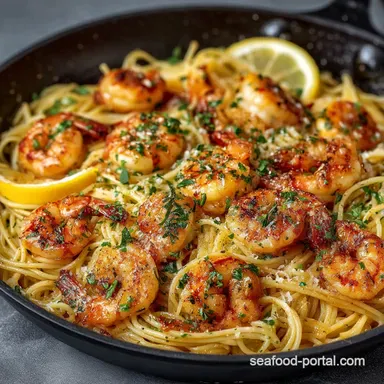
The Best 30Minute Lemon Shrimp Pasta with Garlic Butter Sauce
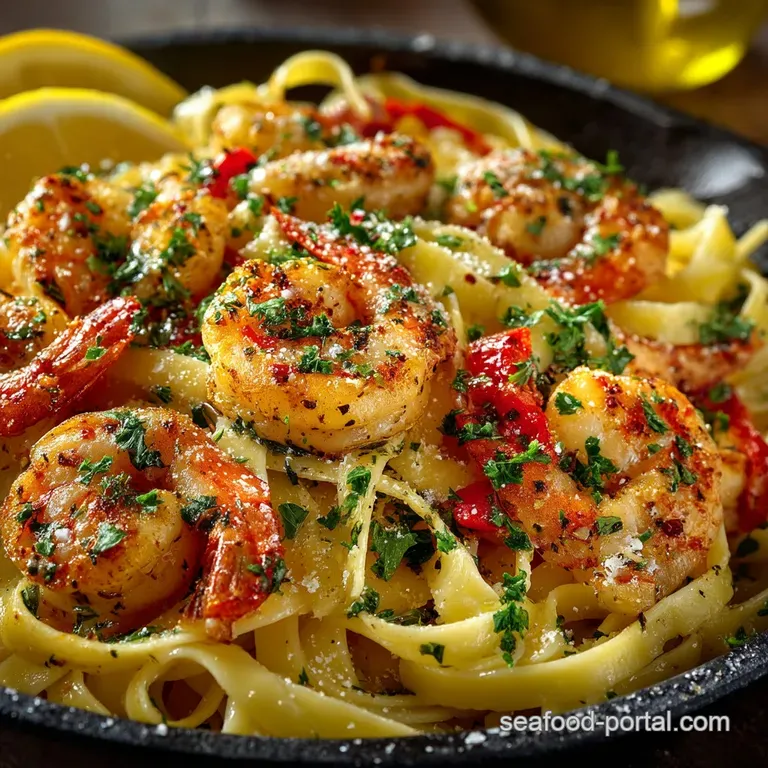
- Introducing the Ultimate Weeknight Lemon Shrimp Pasta
- Why This Zesty Dish Tastes Like a Coastal Getaway
- Essential Components for Perfect Lemon Shrimp Pasta
- Sourcing and Prepping the Foundation Ingredients
- Step-by-Step Guide to Mastering the Sauce
- Achieving Al Dente Perfection and Flavor Infusion
- Expert Tips and Troubleshooting for Your Lemon Shrimp Pasta
- Variations and Dietary Adjustments
- Recipe FAQs
- 📝 Recipe Card
Introducing the Ultimate Weeknight Lemon Shrimp Pasta
If you’re searching for a meal that transports you straight to the sun-drenched Italian coast without requiring a passport or more than 30 minutes in the kitchen, this is it.
Our Zesty Lemon Garlic Shrimp Linguine is the quintessential weeknight hero, striking the perfect balance between bright, fresh acidity and satisfying savory richness. This Lemon Shrimp Pasta Recipe isn't just fast; it’s an education in simple Italian technique, proving that minimal ingredients can yield maximum flavour.
Forget takeout menus once you master the quick emulsification trick used here, this elegant dish will become a permanent fixture in your repertoire.
Why This Zesty Dish Tastes Like a Coastal Getaway
The secret to why this particular dish resonates so profoundly lies in its reliance on high-quality, fresh ingredients and foundational cooking methods inspired by the Mediterranean. It skips the heavy, flour based sauces often found in Americanized pasta dishes, opting instead for a delicate, glossy finish.
Balancing the Brightness: Acidity vs. Richness
The magic of this Shrimp Limone Recipe is in the sauce construction. We use freshly squeezed lemon juice (60 ml) and zest from one large lemon to provide the necessary zing, but we temper that tartness with high-quality olive oil and four generous cubes (60g) of cold unsalted butter.
When emulsified correctly with the starchy pasta water, the result is a naturally thickened, velvety sauce that clings beautifully to the pasta without ever feeling heavy. It’s light, vibrant, and utterly addictive.
The 30-Minute Promise: Faster Than Delivery
This entire process, from peeling the shrimp to plating, clocks in at a guaranteed 30 minutes total. The key is simultaneous cooking: while the pasta is boiling in the large stock pot, you are building the flavor base and searing the shrimp in the large skillet.
Because shrimp requires only 1 to 2 minutes per side to cook, and the sauce is built on a quick deglaze, the active cooking time is compressed, delivering a gourmet experience swiftly.
The Magic of Mediterranean Simplicity
True excellence in Lemon Pasta With Shrimp Recipes is achieved by letting the core ingredients shine. We rely on the aromatic trinity of fragrant minced garlic, spicy red pepper flakes (just ½ teaspoon for heat), and the bright herbaceousness of fresh parsley.
There are no complicated steps or exotic additives here, just pure, straightforward flavour that reflects the clean culinary traditions of coastal Europe.
Linguine or Spaghetti? Choosing Your Best Pasta Vessel
The recipe calls for 450 grams of either linguine or standard spaghetti, both of which are excellent choices because their shape allows the silky Shrimp Pasta With Lemon Sauce to coat every strand evenly.
However, for those seeking an even quicker cook time and a lighter texture, using lemon shrimp pasta with angel hair (capellini) is a fantastic alternative, though you must be careful when tossing the delicate strands.
Whatever shape you choose, ensure it is cooked in well salted water the seasoning starts right there in the pot.
Essential Components for Perfect Lemon Shrimp Pasta
To achieve truly great results, we rely on five essential components. First, the 450 grams of large shrimp (21/25 count) must be peeled and ready to go. Second, the acid: both the fresh juice and the fragrant zest from one large lemon are non-negotiable.
Third, the deglazing liquid: 120 ml of dry white wine or a good quality chicken stock adds crucial savory depth. Fourth, the binder: cold, cubed butter and the invaluable reserved pasta water. Finally, the aromatic base: 4 minced cloves of garlic and the red pepper flakes that give it its kick.
Sourcing and Prepping the Foundation Ingredients
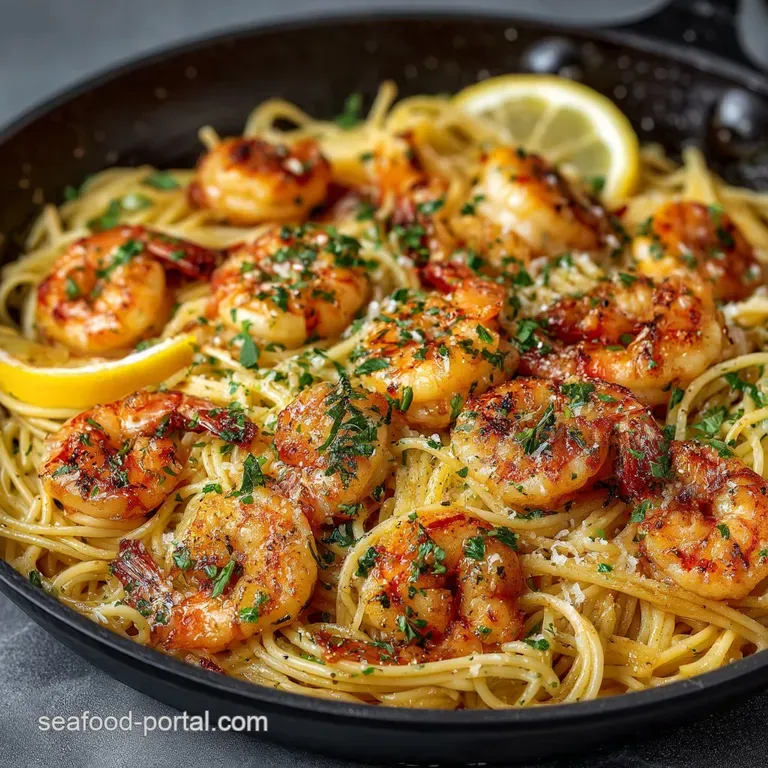
Preparation is the silent step that ensures the success of any quick cooking recipe. By having everything ready before you introduce heat, you eliminate panic and prevent critical ingredients, like garlic, from burning.
Sourcing the Star: Choosing Fresh or Frozen Shrimp
While fresh shrimp is often preferred for flavour, high-quality frozen shrimp is perfectly acceptable, provided it is fully thawed and, critically, patted absolutely dry using paper towels before cooking. Moisture prevents searing and results in steamed, less flavourful shrimp.
We recommend the 21/25 count size, as these are large enough to remain juicy during the quick high heat sear.
The Aromatic Trinity: Garlic, Shallots, and Red Pepper Flakes
Our aromatic base is straightforward but powerful. We use 3 tablespoons of high-quality extra virgin olive oil as the carrier for four cloves of minced garlic and a half teaspoon of crushed red pepper flakes.
The heat should be kept low when sautéing the garlic, usually just 60 to 90 seconds, to ensure the oil is beautifully fragrant without allowing the garlic to burn and turn bitter a mistake that can ruin the whole dish.
The Finishing Touch: Best Butter and Parmesan Pairing
Do not substitute margarine or use pre-grated cheese. The creamy, rich texture of the final sauce relies heavily on the quality of the unsalted butter and the sharp, salty nature of freshly grated Parmesan or Grana Padano.
Using cold butter, cut into four cubes, is integral to the emulsification process, ensuring a stable and luxurious sauce texture.
Mis en Place Strategy: Prepping for Maximum Speed
Achieving the 30-minute goal requires total readiness. This includes seasoning the shrimp with kosher salt and pepper, mincing the garlic, chopping the fresh Italian parsley, zesting the lemon, and having the dry wine or stock measured out.
When you begin cooking, you should only be focused on temperature control and timing, not chopping.
Related Recipes Worth Trying
- Simple Baked Scallops with Buttery Crunch 10Min LemonHerb Finish — The ultimate Simple Baked Scallops with Buttery Crunch Sweet scallops meet a golden Panko duvet in this quick 25minute recipe Learn How To Cook Scallops In...
- Posh Baked Colossal Shrimp with Lemon Garlic Butter Sauce Effortless Luxury — Stop the faff This easy Baked Colossal Shrimp with Lemon Garlic Butter Sauce recipe is a guaranteed showstopper Plump colossal shrimp drenched in zesty...
- How to Make Flawless Shrimp Sushi Ebi Nigiri at Home — Master Ebi Nigirithe classic Shrimp Sushiwith our foolproof guide Learn the secret to sticky fluffy rice and perfectly butterflied prawns Easy Shrimp Sushi...
Step-by-step Guide to Mastering the Sauce
The sauce is built in layers, culminating in a stable, emulsified finish. Every step is fast, but timing is crucial to prevent the shrimp from overcooking and the garlic from scorching.
Achieving Al Dente Perfection and Flavor Infusion
Start by getting the linguine cooking. You want it al dente , meaning it still has a slight bite, usually 1 to 2 minutes shy of the package instructions.
This is essential because the pasta will finish cooking in the sauce, absorbing flavour and releasing the starches needed for thickening.
Developing Depth: Sautéing the Garlic Base
While the pasta water heats, warm the olive oil in your large skillet over medium high heat. Once shimmering, add the seasoned, dry shrimp. Cook them quickly for 1 to 2 minutes per side and immediately transfer them to a separate bowl. Now, reduce the heat to medium low.
Add the garlic and red pepper flakes to the pan, stirring constantly for about 90 seconds until they become deeply fragrant.
The Crucial 3-Minute Shrimp Sizzle
The shrimp is the quickest part and the easiest to ruin. We only sear them briefly to get some colour and ensure they are mostly pink, but not fully cooked through. This guarantees they remain tender when they are added back into the hot pasta at the end, preventing that common error of tough, rubbery shellfish.
Emulsification Secrets: Binding the Sauce with Pasta Water
After the garlic is fragrant, deglaze the pan with the white wine or stock, scraping up all the savory browned bits from the bottom. Let this reduce by half. Reduce the heat to low, then add the reserved lemon juice and half of the starchy pasta cooking water (about 120 ml total liquid).
Remove the pan from the heat entirely and whisk in the cold butter cubes one at a time. The cold butter and the starch in the water bind together, creating a perfectly smooth, monte al burro style sauce that is the foundation of a phenomenal Shrimp Pasta With Lemon Sauce .
Testing for Texture: Knowing When Your Pasta is Done
When the linguine is perfectly al dente and has been reserved with at least 250 ml of starchy water, it's time to marry the components. Add the drained pasta directly into the skillet with the sauce.
The Final Toss: Integrating Lemon Zest and Herbs
Return the skillet to low heat. Add the fresh lemon zest and most of the chopped parsley. Toss the pasta vigorously for about a minute. If the sauce looks too thick, add the remaining reserved pasta water one tablespoon at a time, tossing until the sauce lightly coats every noodle.
Finally, fold the pre-cooked shrimp and the grated Parmesan cheese into the pasta, tossing just long enough to warm the shrimp through. A final taste test allows you to adjust the seasoning perhaps a pinch more salt or a last squeeze of lemon juice for maximum brightness.
Expert Tips and Troubleshooting for Your Lemon Shrimp Pasta
Achieving consistently excellent results with this dish hinges on controlling temperature and respecting the ingredients.
Preventing Rubber Shrimp: Temperature Control Advice
The most common mistake when preparing seafood pasta is overcooking the shrimp. The critical advice is simple: cook the shrimp until they are opaque pink but still slightly translucent in the center, then remove them immediately. They will finish cooking when folded back into the hot pasta right before serving.
This brief searing process is key to maintaining a tender, sweet texture.
Reheating and Storing Leftovers Safely
Leftover Lemon Shrimp Pasta should be cooled rapidly and stored in an airtight container in the refrigerator for up to three days. When reheating, do so gently on the stovetop or in the microwave.
To prevent the pasta from drying out, add a splash of reserved cooking water, chicken stock, or regular water before warming; this rehydrates the sauce and revives its glossy texture.
Calculating Nutrition: Estimated Calorie Count
Many home cooks appreciate knowing that this delicious meal is also a responsible choice. Based on the specified ingredients and portions, each of the four generous servings clocks in at approximately 620 kcal, with a strong protein content (38g).
By relying on monounsaturated fats from olive oil and starchy emulsification rather than heavy cream, this truly is a satisfying and relatively Lemon Shrimp Pasta Healthy option.
Variations and Dietary Adjustments
This versatile recipe adapts well to various tastes and dietary needs, ensuring everyone can enjoy a bowl.
Making it Creamy: Adding Mascarpone or Heavy Cream
While the core recipe avoids heavy dairy for a lighter profile, if you desire a truly decadent texture, achieving a Creamy Lemon Shrimp Pasta is simple. Stir in 60 ml (a quarter cup) of heavy cream, mascarpone, or even crème fraîche along with the initial addition of pasta water.
This stabilizes the sauce further and adds a luxurious mouthfeel.
Gluten-free and dairy-free Swaps
To make this meal gluten-free, simply use a high-quality gluten-free pasta (such as brown rice or legume based linguine). Be sure to cook it according to package directions, aiming for the same al dente stage, and reserve the cooking water.
For a dairy-free approach, substitute the unsalted butter with a high-quality vegan butter substitute and replace the Parmesan cheese with nutritional yeast or a preferred non-dairy grated cheese alternative.
Protein Substitutions: Scallops or Chicken Breast Options
If shrimp is unavailable or simply not desired, this recipe works beautifully with other proteins. Try replacing the shrimp with an equal weight of halved sea scallops, following the same quick searing principle. Alternatively, you could use thinly sliced chicken breast.
If using chicken, ensure it is fully cooked before removing it from the skillet; then proceed with the sauce steps, treating the remaining fond in the pan as the base for the sauce.
Recipe FAQs
Crikey, my sauce separated! How do I get that perfectly silky, restaurant quality finish?
The secret to that beautiful, velvety sauce lies in emulsification it's not witchcraft, honest! You must reserve plenty of starchy pasta water; this is the essential binder that stops the oil and lemon juice from splitting.
When adding the cold butter cubes, remove the pan from the heat momentarily and whisk vigorously to create a smooth, unified sauce before tossing the pasta back in.
I fancy making a big batch of this Lemon Shrimp Pasta for the family. Does it keep well, and what's the best way to reheat leftovers?
While fresh is always best, this Lemon Shrimp Pasta holds up reasonably well for a quick packed lunch. Store leftovers in an airtight container in the fridge for up to three days. To reheat, warm it gently in a skillet over low heat, adding a splash of stock or water to help revive the sauce and stop the pasta from becoming too dry and sticky.
We're all out of white wine. Can I still make this amazing dish, or are there any cheeky swaps for the protein?
Absolutely, no need to panic! While wine adds depth, you can substitute it entirely with an equal amount of low-sodium chicken or vegetable stock for a perfectly tasty result. If you’re looking for a protein swap, diced chicken breast or even firm white fish like cod works brilliantly, just adjust your cooking time to ensure they're done through.
My shrimp always end up rubbery a real nightmare! What's the secret to getting them cooked absolutely spot-on?
The key to tender shrimp is high heat and speed; they truly cook in a flash, typically just 60 to 90 seconds per side until they curl into a nice C-shape. They will continue cooking when folded back into the hot sauce, so remove them from the pan just shy of being fully done.
If they reach an O-shape, you’ve gone too far and they’ll be tough as old boots!
It tastes divine, but is this dish a total calorie bust, or can I enjoy a proper plate without too much worry?
This is a much healthier option than many cream based pasta sauces, focusing on lean protein and quality fats. The main sources of calories are the pasta and butter. To lighten things up, try swapping half the linguine for spiralized courgette (zucchini) noodles, or reducing the Parmesan cheese when finishing the dish.
30minute Lemon Shrimp Pasta