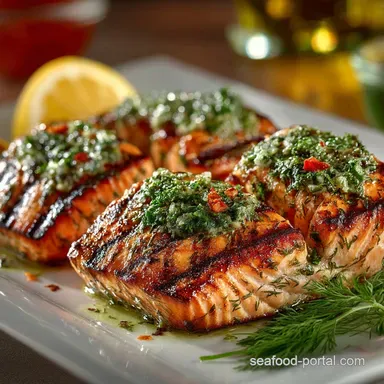
The Perfect Flaky Grilled Salmon with Zesty Lemon and Dill
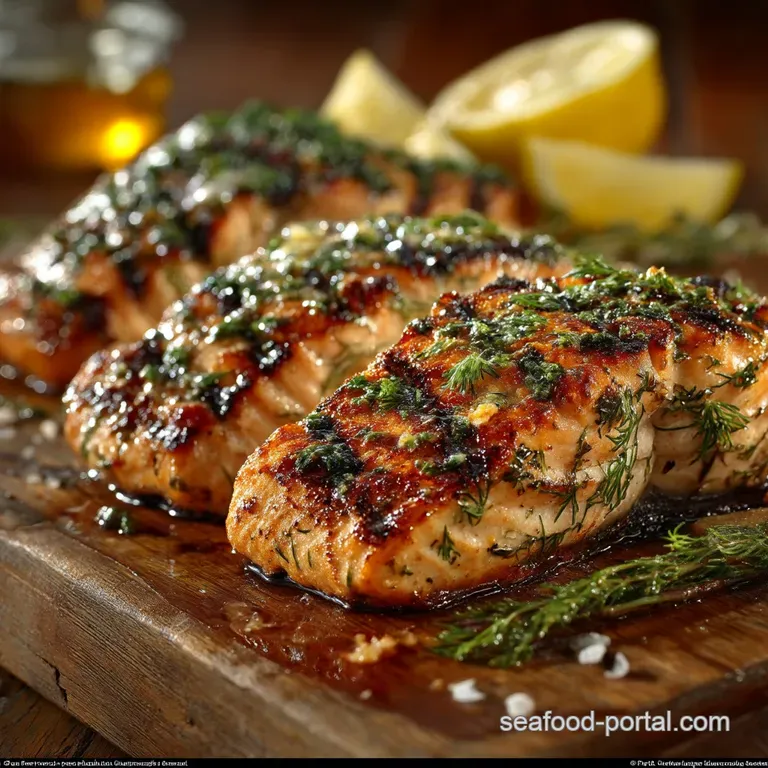
Achieving Culinary Confidence: Mastering Flaky Grilled Salmon
Grilling salmon often feels like a high stakes culinary gamble, resulting either in glorious, crispy skinned perfection or a frustrating mess welded to the grates. This comprehensive guide provides the blueprint for a triumphant Grilled Salmon Recipe For Grilled Salmon every single time, turning an intimidating task into a simple weeknight win.
By focusing on preparation precision and the proper temperature management, we ensure the natural richness of the fish is enhanced, not overwhelmed.
Why This Lemon Dill Marinade is Superior
Unlike heavier rubs or sauces that can burn on high heat, the chosen Grilled Salmon Marinade focuses on clean, bright acidity and fresh herbs. We combine high-quality olive oil, freshly squeezed lemon juice, finely chopped fresh dill, and a touch of garlic powder, salt, and pepper.
This mixture serves two functions: it prevents moisture loss during cooking and provides a vibrant, clean flavour profile that complements the salmon without needing a long marinating period (just 10 minutes while the grill heats up is sufficient).
This light approach is key to achieving a truly Rustic Grilled Salmon Recipe experience.
Essential Gear for Outdoor Fish Grilling
While a quality gas or charcoal grill is the starting point, your success rests on specialized tools. The most crucial item is a dedicated, thin, flexible fish spatula .
Tongs are useful, but only the fish spatula can slide entirely beneath the delicate fillet without tearing the skin a necessity when turning the fish. We highly recommend using an instant read thermometer to monitor the internal Grilled Salmon Temp , removing all guesswork from the process.
The Secret to Crispy Skin (And Avoiding the Sticky Mess)
The single greatest enemy of perfect Salmon On The Grill is moisture. The secret to achieving beautifully crispy skin and zero stickage lies in the "double oil" technique coupled with extreme dryness.
First, you must aggressively pat the salmon fillets completely dry with paper towels before applying the light oil and Grilled Salmon Seasoning . Second, the grill grates must be thoroughly oiled when hot, immediately after cleaning.
This dual layer of oil provides the critical non-stick barrier, allowing the fish to develop a proper sear and release cleanly when ready to flip.
Sourcing Success: The Essential List for Zesty Salmon Fillets
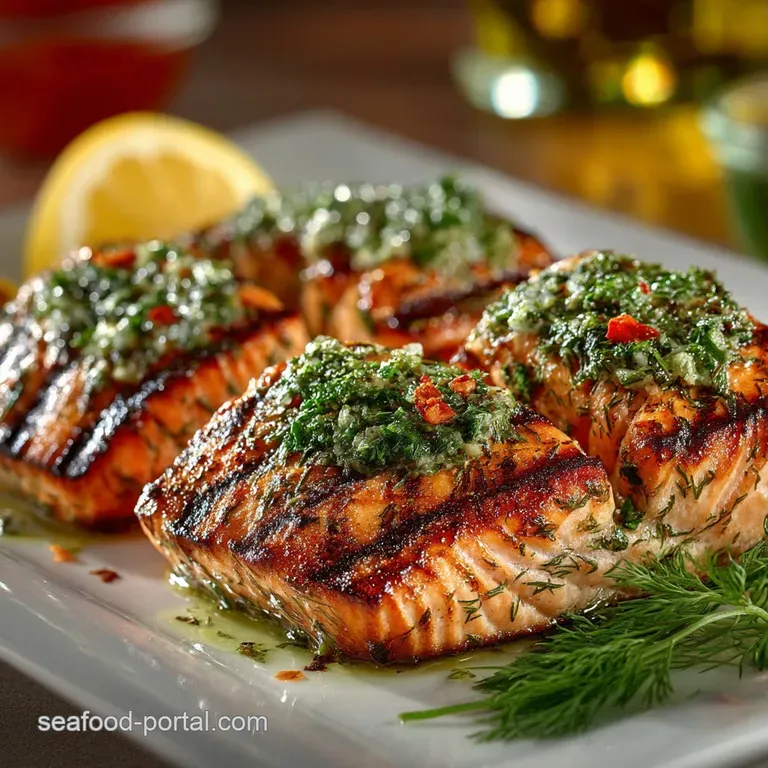
A fantastic grilled dish starts long before the flame is lit, relying on the quality of your core ingredients.
Selecting the Freshest Salmon Cut
We always recommend choosing skin-on, centre cut fillets, ideally weighing around six ounces (170 grams) per serving. The skin provides essential structural support, acting as a natural heat barrier that protects the delicate flesh from drying out during the intense heat of the grill.
While Atlantic salmon is readily available, prioritizing sustainably sourced options (look for MSC certification) or opting for wild caught varieties will ensure the best flavour and texture.
Pantry Staples for the Brightest Lemon Herb Rub
The vibrancy of this recipe relies on freshness. Ensure you use freshly squeezed lemon juice, as bottled juice lacks the aromatic oils present in the zest and rind. The Grilled Salmon Seasoning is built around this acidity, paired with extra virgin olive oil and fresh dill.
If you cannot find fresh dill, substituting with a blend of fresh parsley and tarragon will maintain an herbaceous lift, though the final flavour profile will shift slightly.
Prep Checklist: Getting Your Fish Ready for the Heat
Preparation is quick but must be precise. After drying the fillets, combine the olive oil, lemon, dill, and seasonings into the marinade. Brush this mixture generously onto the flesh side of the fish.
Critically, apply a very small additional amount of olive oil directly onto the skin side as well this is the first part of our non-stick defense. Allow the seasoned fish to rest at room temperature for about 10 minutes while the grill preheats; moving the salmon from the fridge directly to the grill can inhibit a good sear.
Related Recipes Worth Trying
- The Ultimate Crispy Tuna Melt Recipe Grilled Cheese Masterpiece — Say goodbye to soggy sarnies Learn the secret to the best tuna melt sandwich grilled low and slow with a buttermayo crust until golden brown and perfectly oozy
- The Ultimate Honey Soy Salmon Marinade Easy Glaze for Baking Grilling — A guaranteed belter of a midweek dinner This easy Salmon Marinade creates a sticky honey soy glaze inspired by Japanese flavours Perfect for baking grilling...
- The Ultimate Easy Smoked Salmon Dip with Cream Cheese and Dill — This luxurious Easy Salmon Dip is the perfect starter Whipped salmon dip with cream cheese fresh dill and lemon Velvety smooth and ready in 15 minutes flat
Step-by-step Grilling Mastery: From Prep to Plate
This process, executed correctly, takes only minutes and results in spectacularly flaky fish.
Prepping the Grill Grate for Zero Stickage
Preheat your grill (charcoal or gas) to a steady Medium High heat, aiming for an internal temperature around 400° F ( 200° C). Once the grates are hot, scrape them completely clean with a wire brush.
Immediately, using a pair of tongs, hold a folded paper towel soaked in high smoke point oil (like grapeseed or canola) and thoroughly coat the clean, hot grates. This secondary layer of oil, combined with the oil already on the fish skin, is the guaranteed path to success.
Optimal Heat and Sear Time for Skin Side First
Place the marinated salmon fillets, skin side down , directly onto the hottest, freshly oiled section of the grill. Close the lid to allow the ambient heat to circulate and begin cooking the fish from the top.
For the first 4– 5 minutes, do not touch, nudge, or attempt to move the fish. This time is vital for the skin to fully crisp and detach itself from the grates.
Watching the sides of the fillet, you will notice the colour begin to change from translucent to opaque, working its way up the fillet.
When and How to Safely Flip the Fillets
When the opaque colour reaches about two-thirds of the way up the side of the fillet, the salmon is ready to flip. Test gently with your fish spatula; if resistance is felt, allow 30 more seconds. When it releases smoothly, slide the spatula fully underneath the fillet and flip carefully, only once.
Cook for an additional 3– 5 minutes on the flesh side to finish, monitoring closely for flare ups.
The Critical Resting Period for Juiciness
The Grilled Salmon Temp should reach 145° F ( 63° C) at its thickest point for safe consumption, though many prefer to remove it slightly earlier (around 135– 140° F) for a perfect medium rare that finishes cooking during the rest.
Immediately transfer the finished salmon to a clean plate, skin side up, and allow it to rest undisturbed for 3 to 5 minutes. This essential step allows the internal juices, which have been pushed to the centre by the heat, to redistribute throughout the fillet, guaranteeing maximum tenderness and flakiness.
Elevating Your Meal: Serving Suggestions and Pairings
The versatility of grilled fish means easy, elegant meal creation.
Vibrant Side Dishes That Complement Dill and Lemon
The bright flavours of the lemon dill profile pair beautifully with fresh, light accompaniments. Serve your perfectly grilled fish alongside quick blanched asparagus spears lightly seasoned with sea salt and shaved Parmesan, or a medley of buttery new potatoes.
For a lighter meal, consider an arugula salad tossed with shaved fennel and a simple vinaigrette, which contrasts the richness of the fish perfectly.
Storage, Reheating, and Salmon Meal Prep Ideas
This recipe makes excellent leftovers, offering great potential for meal prepping. Store leftover salmon in an airtight container for up to three to four days. If you want to avoid the common mistake of dry, chewy fish, steer clear of microwaving.
To gently reheat, use a low oven (around 300° F / 150° C) or an air fryer until just warmed through, which can even help re-crisp the skin.
If you prefer a truly minimal cleanup option, cooking the Grilled Salmon In Foil is a fantastic variation, creating a steam pouch that locks in moisture and simplifies prep.
Omega-3s and Lean Protein Breakdown
Grilled salmon is not just delicious; it’s a nutritional powerhouse. A typical six-ounce serving contains a significant amount of lean protein (around 35 40 grams) and is rich in essential Omega-3 fatty acids, often exceeding the recommended daily intake.
For those monitoring dietary intake, the approximate Grilled Salmon Calories for a 6oz fillet prepared with this marinade range from 380 to 410 kcal, making it a highly nutrient dense choice.
Quick Recipe Tweaks and Flavor Variations
If you want to move beyond the lemon dill classic, the foundation of this grilling technique remains the same. Try swapping the marinade for a tangy Maple Soy Glaze (brushed on only during the last few minutes of cooking) or a vibrant Cajun blackened Grilled Salmon Seasoning .
For those seeking a deeper, smoky aroma without complex equipment, soaking a cedar plank and cooking the salmon over indirect heat imparts a wonderful flavour, moving the preparation firmly into the realm of the Rustic Grilled Salmon Recipe .
You can also easily substitute the salmon for leaner fish like Arctic Char or Trout, though you must remember to reduce the cooking time slightly.
Recipe FAQs
Why does my salmon always stick to the grill grates, and how can I stop it?
Ah, the age-old barbecue dilemma! The key to avoiding a sticky mess is the "double oil" technique and extreme patience. First, ensure the salmon skin is patted bone dry before seasoning; moisture is the enemy of a good sear.
Second, make sure your grill is screaming hot and you’ve oiled the clean grates thoroughly right before placing the fish down.
What's the best way to tell if my thick fillet of Grilled Salmon is properly cooked through?
For precision, an instant read thermometer is your best mate; aim for an internal temperature of 145°F (63°C) at the thickest part. Visually, wait until the opaque colour travels about two-thirds of the way up the fillet before flipping.
Once cooked, the flesh should flake easily with a fork but still look juicy, avoiding that tragic, dry, white chalkiness.
I’ve got a bumper haul! How should I store leftover Grilled Salmon, and can I reheat it?
Wrap any leftovers tightly and refrigerate them within two hours; they’ll keep brilliantly for 3 to 4 days. While salmon is delicious cold in a quick salad or sandwich the next day, if you must reheat, do it low and slow in a 275°F oven or air fryer.
High heat is a disaster, as it zaps the moisture and gives the fish a rubbery texture.
I don't have any fresh dill, what quick substitution can I use for this recipe?
Don't fret, we’re all about making do! If you’re stuck without fresh dill, a mixture of fresh parsley and a tiny pinch of dried tarragon works well to mimic that herbaceous brightness.
Alternatively, if you want a complete flavour swerve, switch out the lemon dill for a teaspoon of smoked paprika and a dash of cayenne for a lovely Cajun twist.
Is Grilled Salmon a healthy weeknight dinner, especially if I’m watching my fat intake?
Absolutely, salmon is a nutritional powerhouse! It’s an exceptional source of high-quality protein and is jam-packed with beneficial Omega-3 fatty acids, which are fantastic for your brain and heart.
Since this method relies on grilling with minimal added oil, it keeps the meal relatively light, making it a brilliant choice for a lean, satisfying dinner.
Flaky Lemon Dill Grilled Salmon