Recipe for Tuna Bake with Pasta and Cheese
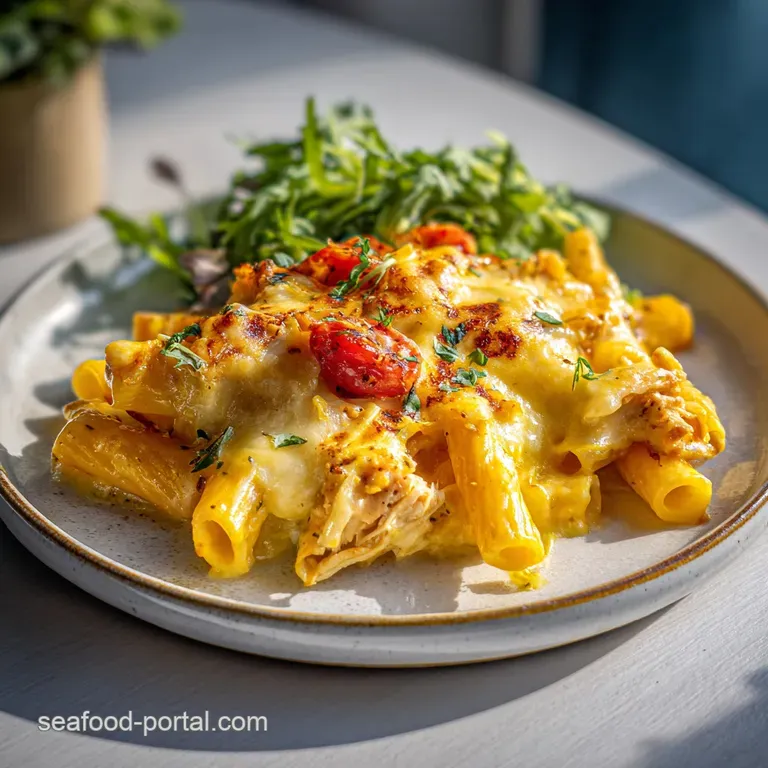
- Time: Active 10 mins, Passive 20 mins, Total 30 mins
- Flavor/Texture Hook: Velvety cheese sauce with a shattering breadcrumb crust
- Perfect for: Busy weeknights and budget-friendly family dinners
- Best Recipe for Tuna Bake with Pasta and Cheese
- Essential Sauce Foundation Techniques
- Vital Recipe Specifications
- Required Shopping List Items
- Essential Kitchen Equipment Needed
- The Sequential Cooking Process
- Troubleshooting Your Pasta Bake
- Adjusting the Recipe Size
- Kitchen Wisdom and Myths
- Keeping Leftovers Fresh
- Serving Suggestions and Pairings
- Recipe FAQs
- 📝 Recipe Card
Best Recipe for Tuna Bake with Pasta and Cheese
There is something hypnotic about the smell of sharp white cheddar melting into a warm, bubbly sauce. I remember the first time I tried making a tuna bake without the "red label" canned soup; I was terrified it would be dry or bland.
Instead, the kitchen filled with the nutty aroma of browning butter and the sharp tang of Dijon mustard, promising something far better than the cafeteria versions of my childhood.
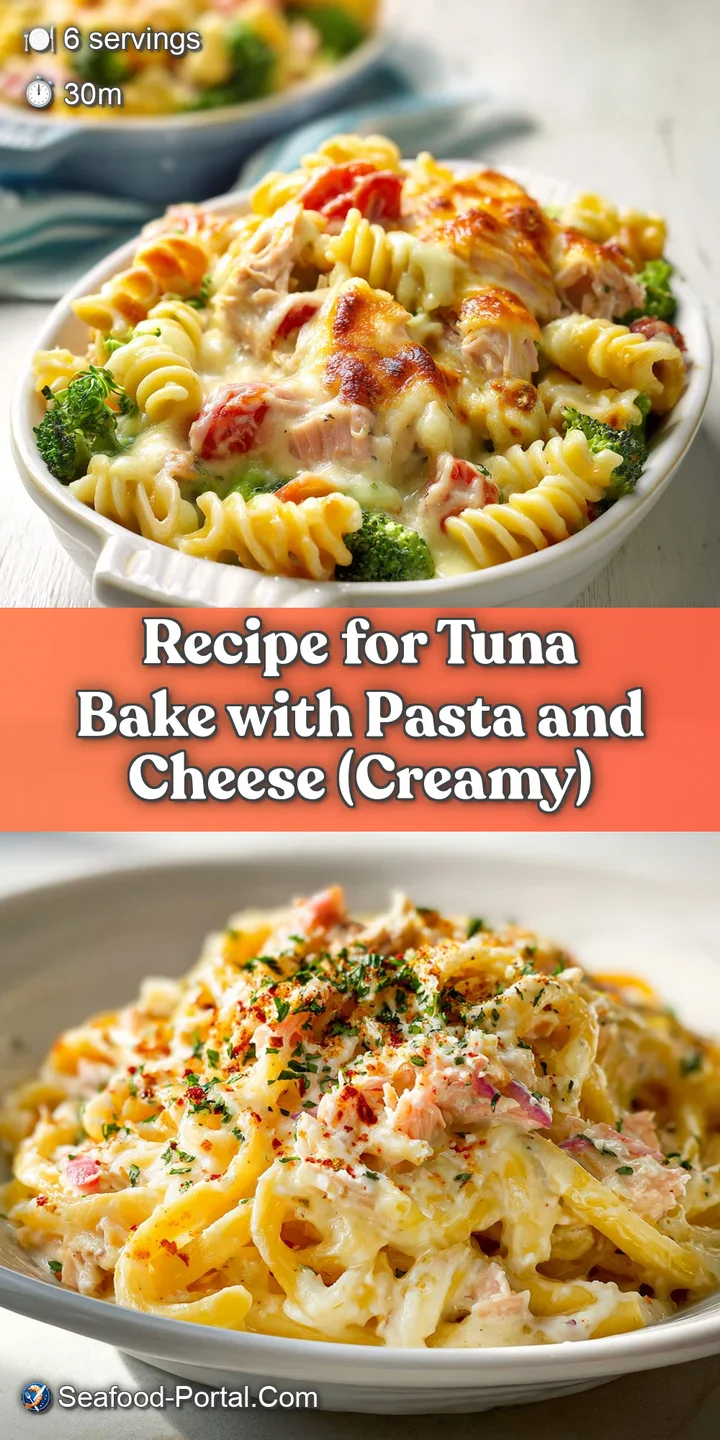
This recipe for tuna bake with pasta and cheese is guaranteed to be a family favorite. It turns basic pantry staples into a dish that feels intentional and rich rather than a last minute scramble.
We are going for a texture that is silky on the inside with a crust that provides a loud, satisfying crunch in every single bite. Trust me, once you smell that garlic and cheese bubbling in the oven, you'll never go back to the boxed stuff.
Essential Sauce Foundation Techniques
The Starch Suspension: When you whisk flour into melted butter, you create a roux that physically holds the milk molecules in place, preventing the sauce from breaking or turning oily. This ensures the cheese integrates into a smooth, cohesive liquid rather than clumping around the pasta.
| Method | Time | Texture | Best For |
|---|---|---|---|
| Stovetop Only | 15 mins | Extra creamy/loose | Quick lunches with no cleanup |
| Oven Finished | 30 mins | Set sauce, crispy top | Family dinners and meal prep |
| Air Fryer | 20 mins | Deeply browned, dense | Small batches for two people |
Choosing the oven finish is my personal favorite because it allows the flavors to meld. If you are looking for a quicker handheld version of these flavors, you might also enjoy The Tuna Melt recipe which uses a similar flavor profile on toasted bread. The oven's dry heat is what gives us that distinct contrast between the soft noodles and the topping.
Vital Recipe Specifications
| Component | Science Role | Pro Secret |
|---|---|---|
| Whole Milk | Fat Emulsification | Use room temp milk to prevent the roux from seizing up instantly. |
| Sharp Cheddar | Flavor & Binding | Grate your own from a block to avoid the grainy cellulose in pre shredded bags. |
| Dijon Mustard | Acidic Balance | It cuts through the heavy dairy fat and highlights the tuna's savory notes. |
Success with this dish depends on the moisture balance. If the sauce looks a little too liquid before it goes in the oven, don't panic. The pasta will continue to absorb that milk as it bakes, turning the liquid into a thick, clingy coating that doesn't slide off the noodles.
Required Shopping List Items
- 12 oz dried penne or fusilli pasta: These shapes have ridges that act like little "sauce traps."
- 10 oz canned solid white albacore tuna in water: Drained and flaked. Why this? Albacore holds its shape better than "light" tuna during the folding process.
- 1 cup frozen peas: Added directly from the freezer.
- 4 tbsp unsalted butter: The fat base for our velvety roux.
- 0.25 cup all purpose flour: The thickener.
- 3 cups whole milk: Provides the necessary creaminess and volume.
- 2 cups sharp white cheddar cheese: Freshly grated for the smoothest melt.
- 1 tsp Dijon mustard: For a subtle, sophisticated tang.
- 0.5 tsp garlic powder: Adds depth without the bite of fresh cloves.
- 0.5 tsp salt & 0.25 tsp cracked black pepper: Basic seasoning.
- 0.5 cup panko breadcrumbs: For that signature shatter crisp top.
- 0.25 cup parmesan cheese: Finely grated for a salty kick.
- 1 tbsp unsalted butter, melted: To toss with the crumbs.
Essential Kitchen Equipment Needed
You will need a large pot for the pasta (at least 6 quarts) and a heavy bottomed saucepan or skillet for the cheese sauce. A whisk is non negotiable here; it's the only way to ensure your flour and milk marry without lumps.
For the final bake, a 9x13 inch ceramic or glass baking dish works best as it heats evenly and presents beautifully at the table.
Chef's Tip: Freeze your block of cheddar for 10 minutes before grating. It makes the cheese firmer and prevents it from clumping or melting against the heat of your hands.
The Sequential Cooking Process
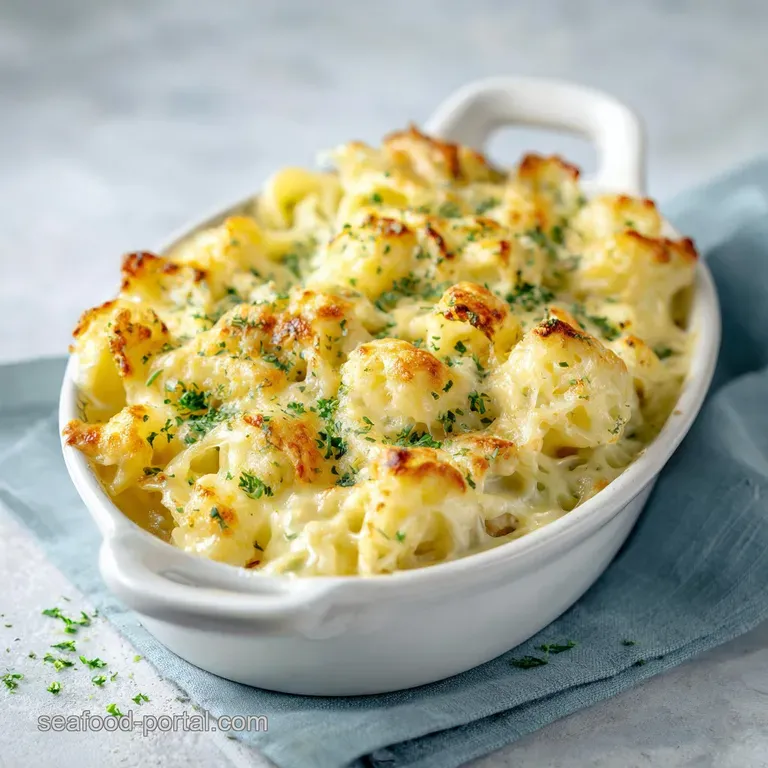
- Boil the pasta. Cook the 12 oz penne in salted water for 2 minutes less than the package directions. Note: It finishes cooking in the oven, so "undercooking" prevents mushiness.
- Melt the butter. In a large skillet over medium heat, melt 4 tbsp butter until it begins to foam and sizzle.
- Create the roux. Whisk in 0.25 cup flour and cook for 1 minute. Watch for a pale gold color and a biscuit like aroma.
- Incorporate the milk. Slowly pour in 3 cups milk, whisking constantly. Note: Add a splash at a time initially to keep the mixture smooth.
- Simmer and thicken. Cook for 5 minutes until the sauce coats the back of a spoon.
- Add the flavor. Stir in the Dijon, garlic powder, salt, pepper, and 2 cups cheddar cheese until the sauce is silky and thick.
- Combine the elements. Fold the drained pasta, 10 oz flaked tuna, and 1 cup frozen peas into the cheese sauce.
- Prepare the topping. Mix 0.5 cup panko, 0.25 cup parmesan, and 1 tbsp melted butter in a small bowl.
- Assemble the bake. Transfer the mixture to a 9x13 dish and sprinkle the panko mixture evenly over the top.
- Bake until golden. Bake at 375°F (190°C) for 20 mins until the edges are bubbling and the top is golden brown.
Troubleshooting Your Pasta Bake
Why Your Sauce Separated
If the sauce looks oily or grainy, the heat was likely too high when the cheese was added. Dairy fat can separate from the solids if it's shocked by extreme temperature. Always remove the skillet from the heat source before folding in your cheddar to let the residual heat do the work gently.
Why Your Pasta Is Soft
This usually happens if the noodles were cooked to "Al Dente" before baking. Because the sauce is liquid, the pasta continues to hydrate in the oven. For a similar technique in a slightly more traditional format, our Proper Classic Tuna recipe explains how to balance hydration ratios perfectly.
| Problem | Root Cause | Solution |
|---|---|---|
| Dry Casserole | Too much pasta or too long in oven | Add an extra 1/4 cup milk next time; tent with foil. |
| Bland Flavor | Under salted pasta water | Season water until it tastes like the sea; add more Dijon. |
| Soggy Topping | Butter wasn't mixed thoroughly | Toss crumbs in butter until they look like wet sand before topping. |
Common Mistakes Checklist
- ✓ Stop the pasta boil 2-3 minutes early to ensure the noodles have "bite" after baking.
- ✓ Drain the tuna thoroughly to avoid a "fishy" liquid diluting your cream sauce.
- ✓ Use whole milk rather than skim to ensure the sauce stays velvety and rich.
- ✓ Allow the bake to rest for 5 minutes after the oven to let the sauce set.
- ✓ Don't skip the Dijon; it provides the acid needed to balance the heavy cheese.
Adjusting the Recipe Size
If you are cooking for a smaller household, you can easily halve this. Use a 2 quart square dish and reduce the baking time by about 5 minutes. If you have half an egg in the fridge, whisk it and add a tablespoon to the cheese sauce it helps a smaller batch stay structural and rich.
For a crowd (12 servings), double the ingredients but be careful with the spices. Only increase the salt and garlic powder to 1.5x the original amount, then taste and adjust. You will need two separate 9x13 dishes rather than one deep one, as the middle of a double deep bake often stays cold while the edges burn.
Kitchen Wisdom and Myths
One common myth is that you must use "canned cream of mushroom" for a tuna bake to be authentic. In reality, a scratch made Mornay sauce (cheese sauce) provides a much cleaner flavor profile without the metallic aftertaste of canned goods. Another myth is that the tuna needs to be cooked before it goes in.
Canned tuna is already cooked; you are simply warming it through to maintain its flaky texture.
Keeping Leftovers Fresh
Storage: Keep leftovers in an airtight container in the fridge for up to 3 days. To reheat, add a tiny splash of milk and cover with a damp paper towel before microwaving to keep the noodles from drying out.
Freezing: You can freeze the assembled (but unbaked) casserole for up to 2 months. Cover tightly with plastic wrap and then foil. Thaw in the fridge overnight before baking as directed.
Zero Waste: Don't toss the ends of your cheese blocks! Toss them into a freezer bag and use them for the sauce next time. Also, if you have half a bag of potato chips, crush those up and mix them with the panko for an extra salty, crispy topping.
Serving Suggestions and Pairings
This bake is quite rich, so I usually serve it with something bright and acidic. A simple green salad with a lemon vinaigrette or some steamed broccoli florets works wonders. The crunch of fresh greens offsets the velvety texture of the pasta beautifully.
If you're feeling fancy, a few sprigs of fresh parsley or a squeeze of lemon juice over the finished bake adds a fresh aroma that cuts right through the cheddar. For a heavier meal, it also pairs well with a side of garlic bread to soak up any extra cheese sauce left on the plate.
Recipe FAQs
What is the key to a creamy, non-grainy cheese sauce in this bake?
Remove the skillet from the heat before adding cheese. Dairy fat separates if it's shocked by direct high heat; letting the residual heat melt the cheddar slowly ensures a silky, cohesive sauce.
How do I prevent the pasta from becoming mushy after baking?
Cook the pasta 2-3 minutes less than package directions suggest. Since the noodles finish cooking in the oven while absorbing the sauce, this technique maintains structural integrity and prevents softness.
Can I substitute canned cream of mushroom soup for the homemade sauce?
No, skip the condensed soup if you want the best flavor. A scratch Mornay sauce offers a much cleaner taste and allows you to control the sharpness of the cheddar and the tang from Dijon mustard.
How should I prepare the panko topping to ensure it is super crispy?
Toss the panko and parmesan thoroughly with melted butter until it resembles wet sand. This even distribution of fat promotes uniform browning and a satisfying shattering crunch when it exits the oven.
Is it true that I must use freshly grated cheddar cheese?
Yes, use cheese grated from a block for best results. Pre-shredded cheese contains cellulose coatings that inhibit smooth melting, which can result in a grainier, less luxurious sauce texture.
What is the best method for making this ahead of time?
Assemble the pasta, sauce, and tuna mixture in the baking dish, but leave the topping off. Cover tightly and refrigerate up to 24 hours; add the topping just before placing it in the oven to bake.
How do I balance the rich cheese flavor in this dish?
Incorporate a teaspoon of Dijon mustard into the sauce base. The acid in the mustard beautifully cuts through the richness of the dairy fat, providing a necessary counterpoint to the cheese. If you enjoy balancing rich and acid, see how we apply similar flavor logic in our Creamy Garlic Shrimp recipe.
Tuna Pasta Bake Recipe
Ingredients:
Instructions:
Nutrition Facts:
| Calories | 622 kcal |
|---|---|
| Protein | 32.4 g |
| Fat | 27.8 g |
| Carbs | 60.4 g |
| Fiber | 3.1 g |
| Sugar | 6.8 g |
| Sodium | 585 mg |
