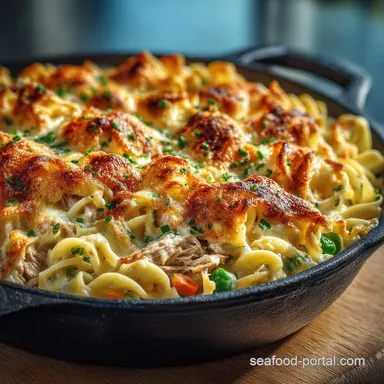
The Comfort King Proper Cheesy Tuna Noodle Casserole Made from Scratch
- Moving Past the Can: Why Scratch Sauce Matters
- Preparing for the Perfect Classic Tuna Noodle Casserole
- All the Components for Our Creamy Casserole Base
- Expert Ingredient Prep and Scaling Considerations
- Phase One: Building the Rich, Homemade Cheese Sauce
- Assembly and Baking the Classic Tuna Noodle Casserole
- Customizing Your Comfort: Creative Casserole Variations
- Frequently Asked Questions About Tuna Bakes
- Recipe FAQs
- 📝 Recipe Card
Moving Past the Can: Why Scratch Sauce Matters
For many of us, the Classic Tuna Noodle Casserole holds a deep, nostalgic spot in our culinary memory, but often, that memory involves a slightly gloppy, overly salty experience dependent entirely on a can of condensed soup.
It’s time to move past those shortcuts and discover how truly luxurious this dish can be when built on a proper foundation. Crafting a classic tuna noodle casserole from scratch isn't significantly harder than using canned goods, yet the results are transformative.
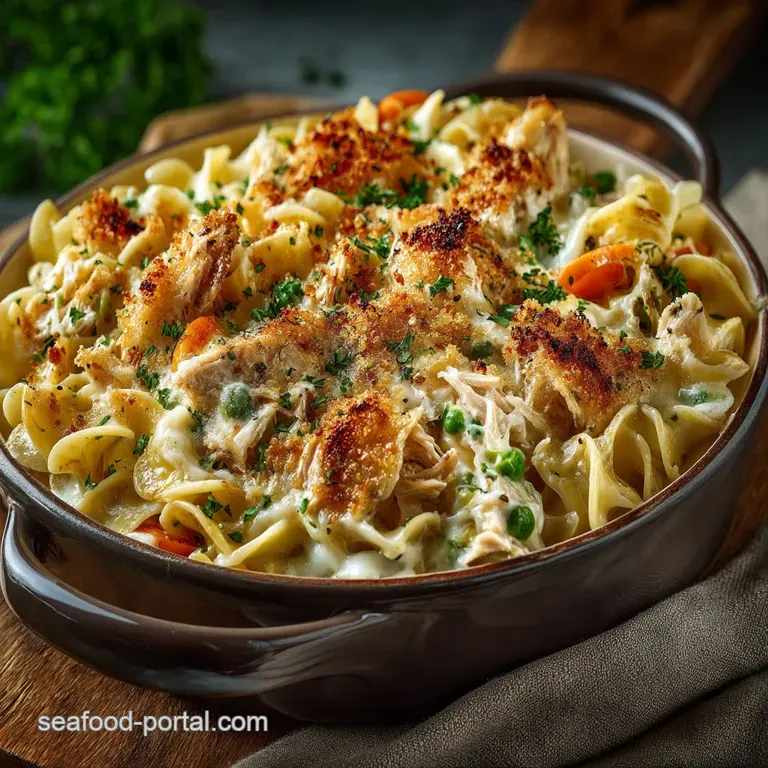
By controlling the fat, seasoning, and dairy content, we achieve a velvety, sophisticated richness that transforms this humble dish into the Best Tuna Casserole —a truly elegant Tuna Pasta Bake .
This intentional approach guarantees a superior texture, depth of flavor, and allows us to completely customize the creaminess, setting a new standard for this comforting staple without relying on that traditional, canned soup base.
Preparing for the Perfect Classic Tuna Noodle Casserole
Success in mastering any comfort food relies on careful preparation and understanding the core techniques. This recipe is considered Easy Medium because while the ingredients are simple, the scratch made sauce requires foundational focus.
The Alchemy of a Roux: Achieving Peak Creaminess
The secret to our luxurious, cohesive sauce and the reason we can boast a classic tuna noodle casserole no soup approach is the roux. A roux is the cooked mixture of equal parts fat (in our case, unsalted butter) and flour.
When cooked for just a couple of minutes until sandy and nutty, this mixture eliminates the raw flavor of the flour and provides the essential thickening agent that prevents the sauce from separating or becoming watery.
This is the cornerstone technique that ensures our creamy base holds up beautifully during the baking phase.
Defining Comfort: What Makes This Casserole 'Classic'?
A truly Classic Tuna Noodle Casserole Recipe combines three non-negotiable elements: a rich, savory cream sauce, tender pasta, and an irresistible crunchy topping. Our recipe defines its classic status through the use of sharp Cheddar and the savory depth of Gruyère or Parmesan cheese mixed into the béchamel, complemented by the inclusion of sweet peas and crunchy celery and onion.
Most importantly, we utilize classic tuna noodle casserole with egg noodles , whose wide, tender shape is ideal for soaking up the creamy sauce without becoming overly heavy.
Essential Equipment Check: From Skillet to Casserole Dish
Having the right gear makes the process smooth. You will need a large pot capable of boiling the wide egg noodles, a sturdy, deep skillet (or a Dutch oven) for sautéing the aromatics and building the sauce, and, crucially, a reliable whisk to ensure a lump free béchamel.
Finally, the entire operation will come together in a standard 9 x 13 inch (approximately 3-litre capacity) casserole dish, which provides ample surface area for a perfect golden crust.
All the Components for Our Creamy Casserole Base
The foundational success of this meal relies on balancing the robust savory ingredients with the rich, dairy based sauce. The base requires the main components the classic tuna noodle casserole with egg noodles , the flaky tuna, and a quartet of flavor enhancers (onion, celery, garlic, and frozen peas).
For the béchamel, we require unsalted butter and all-purpose flour for the roux, whole milk and stock for the liquid base, and a generous mix of sharp Cheddar and Gruyère/Parmesan to make it decadently cheesy.
Finally,, the topping demands Panko breadcrumbs (or crushed Ritz crackers for a very traditional crunch), melted butter, and extra Parmesan for that final golden finish.
Expert Ingredient Prep and Scaling Considerations
A little attention during the prep stage ensures maximum flavor and optimal texture.
Choosing Your Catch: Canned Tuna vs. Pouched Tuna (Water or Oil?)
The quality of your main ingredient matters. While canned is fine, choose good quality tuna, preferably those packed in olive oil for superior flavor, though tuna packed in water is also acceptable. The most critical step here, regardless of packing liquid, is draining.
If excess water or oil leaches into your homemade béchamel sauce, it risks thinning the sauce or causing it to separate. You must drain the tuna ruthlessly it should be almost dry.
Must Have Pantry Staples and Fresh Aromatics
The complexity of flavor that lifts this dish above a simple Tuna Casserole comes from the sautéed aromatics: finely diced yellow onion and celery, and a touch of minced garlic. These are cooked until beautifully translucent before the sauce build begins.
Plus,, pantry powerhouses like Dijon mustard and a whisper of cayenne pepper (for subtle warmth, not heat) are added to the sauce to provide essential depth and balance the richness of the dairy.
Elevating the Crunch: Selecting the Ideal Topping
The topping provides the essential textural counterpoint to the creamy filling. We use Panko breadcrumbs, which are lighter and crispier than standard breadcrumbs. However, if you are aiming for true nostalgia, crushed Ritz crackers mixed with melted butter and Parmesan offer a salty, buttery richness that defines many vintage versions of this Tuna Noodle Casserole Easy recipe.
Draining and Flaking the Tuna Properly
Once drained, gently flake the tuna with a fork. You want distinct, flaky pieces, not a mash. This ensures the tuna is distributed evenly throughout the casserole without disintegrating entirely into the sauce during the baking process. We need 10 oz total of well drained tuna for six generous servings.
Why Noodle Choice Impacts Texture
We rely on wide egg noodles for their quick cooking time and tender texture. Crucially, the noodles must be undercooked by at least two minutes before mixing them into the sauce.
Since they will finish cooking and absorbing the liquid during the 25-minute oven bake, starting them perfectly al dente or slightly under ensures they emerge tender, not mushy the key to perfect texture in this Classic Tuna Noodle Casserole .
Related Recipes Worth Trying
- Six Minute SesameCrusted Ahi Tuna Steak Recipe — Learn how to sear Ahi Tuna Steak perfectly rare with this easy recipe Features a zesty gingersoy drizzle for a restaurantquality dinner
- Quick and Easy Sushi Bake Foolproof Salmon Casserole — Need a satisfying food fix fast This Quick and Easy Sushi Bake uses salmon and crab for a creamy flavourpacked dish Perfect for easy sushi recipes for beginners
- Blackstone Garlic Butter Noodle StirFry 30Minute Griddle Comfort — Whip up this easy Blackstone Garlic Butter Noodle StirFry in under 30 minutes Its deeply flavourful using browned butter for a proper takeaway twist Find...
Phase One: Building the Rich, Homemade Cheese Sauce
The heart of this recipe is the scratch made sauce, which is simple to master but requires focused attention. After sautéing the onion, celery, and garlic and setting them aside, the skillet is used to create the béchamel. First, the butter is melted over medium low heat.
Next, the flour is whisked in rapidly to form the roux. This mixture must be cooked for two full minutes until lightly sandy and fragrant to eliminate the raw flour taste.
Assembly and Baking the Classic Tuna Noodle Casserole
Once the sauce base is complete, the final assembly is quick and rewarding.
Mastering the Melt: Whisking the Velvety Roux
After cooking the roux, the sauce truly begins. Maintaining medium low heat, slowly pour in the slightly warmed whole milk while whisking continuously. This prevents the formation of lumps. Follow this with the stock, which adds a layer of savory background flavor missing in strictly dairy based sauces.
Infusing Flavor: Adding Broth and Dairy Gradually
Continue whisking the sauce until it comes to a gentle simmer. At this stage, it will visibly thicken, coating the back of a spoon beautifully. Remove the pan from the heat immediately. Stir in the salt, pepper, cayenne, and Dijon mustard.
Finally, add the grated sharp Cheddar and Gruyère/Parmesan, stirring until the cheese is completely melted and the sauce is glossy and smooth. This is your velvety base for the classic tuna noodle casserole from scratch .
Folding in the Filling: Noodles, Peas, and Flaky Tuna
Gently fold the undercooked classic tuna noodle casserole with egg noodles , the sautéed aromatics, the frozen peas, and the well drained tuna into the finished cheese sauce. Handle this step with care to avoid breaking the delicate noodles or mashing the tuna.
Once combined, pour the entire mixture into your prepared 9x13 inch casserole dish. This straightforward combination process is what makes this a Tuna Noodle Casserole Easy method, despite the homemade sauce.
The Golden Finish: Baking Until Bubbly and Crisp
Preheat your oven to 190° C ( 375° F). Prepare the topping by mixing the Panko, melted butter, and extra Parmesan. Sprinkle the mixture evenly over the casserole.
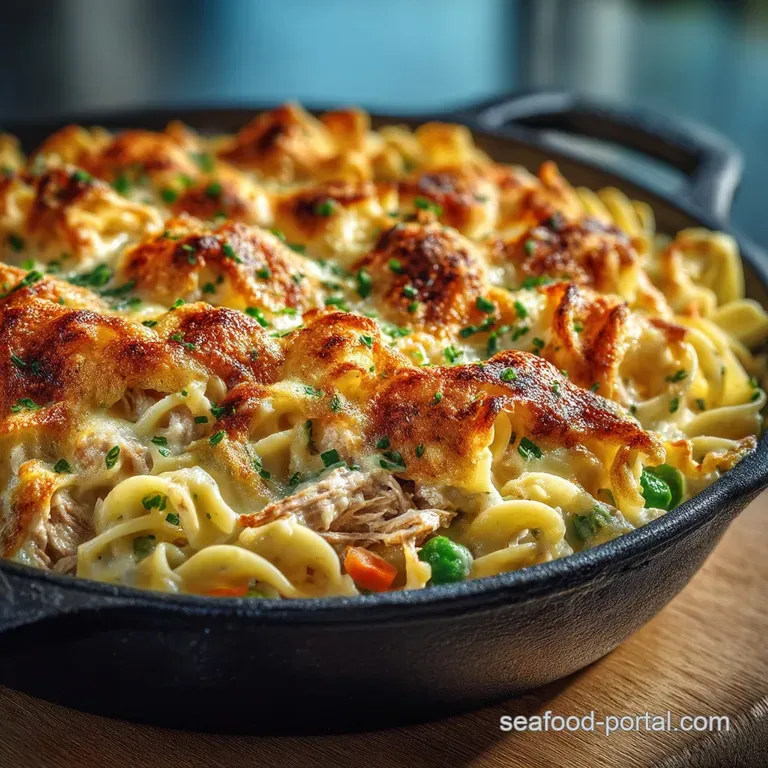
Bake for approximately 25 minutes, or until the edges of the sauce are bubbling hot and the topping has achieved a deep, appealing golden brown hue. Let the casserole rest for 5– 10 minutes after removal; this resting period is crucial for allowing the sauce to set up perfectly, making serving cleaner and the texture ideal.
Customizing Your Comfort: Creative Casserole Variations
While this rendition achieves peak comfort, the basic structure of the Tuna Pasta Bake is highly versatile. For a sophisticated twist, substitute the canned tuna entirely with two tins of smoked mackerel; the smoky flavor adds a rich, robust counterpoint to the creamy cheese.
Alternatively, for those who love earthy depth, sauté about 120g of sliced cremini or chestnut mushrooms with the onion and celery. If you crave heat, stir in a finely diced jalapeño or a teaspoon of sriracha sauce right into the béchamel, transforming the warmth of the cayenne into a pronounced kick.
Frequently Asked Questions About Tuna Bakes
Seafood Switch Ups: Substituting Salmon or Mackerel
If tuna isn't your preferred catch, this Tuna Casserole base works beautifully with other canned or smoked seafood. Canned salmon is a popular alternative, providing more omega-3s and a deeper pink color.
As mentioned above, smoked mackerel offers a truly gourmet upgrade, turning this classic comfort food into a high end dinner party feature.
Adding Zest: A Touch of Citrusy Flavor Depth
Rich, creamy dishes benefit immensely from a bright counterpoint. While not baked into the casserole itself, you can lift the entire Classic Tuna Noodle Casserole by stirring a squeeze of fresh lemon juice into the finished cheese sauce before assembly, or serving the final dish alongside sharply pickled red onions or cornichons, whose vinegar tang cuts through the fat beautifully.
Making Ahead: Storage and Reheating Tips
You can assemble the casserole completely (including the topping) up to 24 hours in advance. Store it tightly covered in the refrigerator. When ready to bake, add 10– 15 minutes to the baking time since you are starting from a chilled state.
Leftovers should be refrigerated and are best reheated in a 175° C ( 350° F) oven, covered with foil, to maintain moisture.
Nutritional Breakdown (Per Serving Estimate)
This rich, scratch made Tuna Noodle Casserole Recipe yields about 520 550 kilocalories per generous serving (based on six servings and using whole milk). It delivers a hearty 35 grams of protein and around 35 40 grams of carbohydrates, making it a truly sustaining, calorie dense meal suitable for cold weather or family gatherings.
Troubleshooting Dry Casseroles: Hydration Fixes
A dry casserole usually stems from either overcooking or too much liquid absorption. If your finished sauce feels too thick before assembly, simply whisk in an extra half cup of warmed milk or stock to achieve the desired viscosity. Remember that moisture is absorbed by the undercooked noodles during baking.
If you are worried about excessive drying during the bake, particularly during reheating, you can substitute a portion of the butter in the roux with additional stock for a marginally lighter, more hydrated base.
Recipe FAQs
I’m short on time on a Tuesday. Can I prep this whole Classic Tuna Noodle Casserole ahead of time?
Absolutely! This is a champion make-ahead meal and a lifesaver for busy weeknights. Prepare the casserole right up until the baking stage (Step 4, Assembly), cover it tightly with cling film, and chill for up to 24 hours.
When you’re ready to cook, sprinkle on the buttery topping and bake, adding an extra 10 15 minutes to the overall baking time since it’s going into the oven cold.
Does the type of tuna really matter, or can I just grab whatever is cheapest?
If you want a truly 'proper' comfort king of a casserole, quality matters! While budget tuna is acceptable, using higher quality fish packed in olive oil tends to give a richer, more robust flavour.
Most crucially, ensure your tuna is drained ruthlessly; excess liquid from watery tins is the number one cause of a runny sauce and a genuine baking tragedy.
My homemade béchamel sauce turned out a bit lumpy or too thin. How do I fix that without starting over?
Don't panic this happens sometimes, even to seasoned cooks! If the sauce is lumpy, take the pan off the heat immediately and use an immersion blender (stick blender) to blitz it smooth, or push it through a fine mesh sieve.
If it’s too thin, simply mix a teaspoon of cornflour (cornstarch) with a splash of cold milk, stir this slurry into the warm sauce, and simmer gently for a couple of minutes until it thickens up beautifully.
I’m not a fan of peas. What other bits of veg or additions work well in this baked dish?
You’re in luck, as this recipe is incredibly versatile and happy to accommodate additions! Sautéed sliced mushrooms or finely diced carrots are classic substitutes if you're after texture.
For a healthier green boost, try adding blanched broccoli florets or chopped asparagus tips; just ensure any added vegetables are cooked until tender crisp before mixing into the sauce.
This recipe makes loads! Can I freeze the leftovers for a rainy day?
Yes, absolutely! Tuna casserole freezes brilliantly, making it ideal for batch cooking and meal prep. Once the dish is completely cooled, portion it into freezer safe containers (it’s best if you freeze it before adding the crispy topping, though).
It will keep happily for up to three months; simply thaw it overnight in the fridge and bake until piping hot.
Proper Tuna Noodle Casserole From Scratch