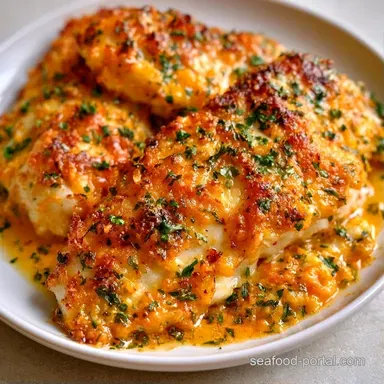
Baked Sweet Potato Crusted Fish
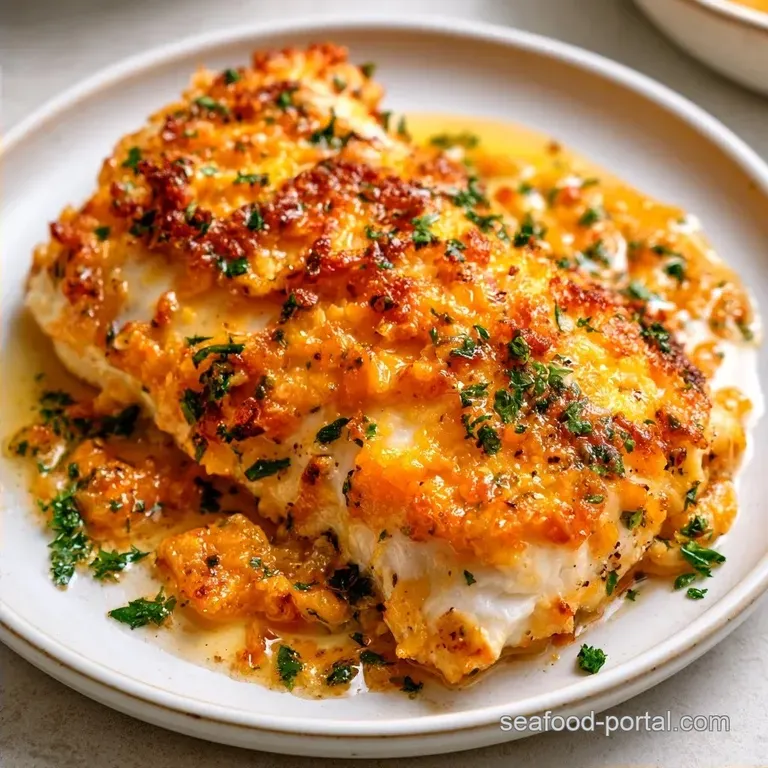
- Time: 15 min active + 15 min bake
- Flavor/Texture Hook: Salty, flaky fish paired with an earthy, sweet crust
- Perfect for: Nutritious weeknight meals or novice cooks
Recipe Quick Specs
Let's check the stats before we start cooking. While this is a lean meal, the potatoes provide plenty of substance to keep you full well after dinner.
Prep is quick thanks to the simple mash. A brief baking time is essential to prevent the fish from drying out; since most white fish fillets are thin, 12 to 15 minutes is typically ideal.
If you're counting calories, each serving is roughly 369 kcal. Rich in protein and featuring healthy olive oil fats, it's a great option for a meal that is both light and satisfying.
Essential Ingredients List
Choose a firm variety of fish for this dish. Tilapia is a standard pick for its mild flavor, though cod or grouper are great alternatives if you prefer a flakier consistency. Try to select fillets of uniform thickness to ensure they cook evenly.
The sweet potato topping needs to be tender. When preparing your own mash, boil the potatoes until a fork passes through effortlessly. The addition of garlic powder and smoked paprika is what shifts the flavor profile from "sweet" to "savory."
| Original Ingredient | Substitute | Why It Works |
|---|---|---|
| White Fish (1 lb) | Salmon Fillets | Higher fat content. Note: May need 2-3 extra mins |
| Sweet Potato (1 cup) | Butternut Squash | Comparable color and sweetness. Note: Slightly more watery |
| Olive Oil (1 tbsp) | Melted Butter | Brings a deeper, nuttier taste to the base |
| Smoked Paprika | Cumin | Replaces the smokiness with an earthy, taco-style flavor |
Pay attention to the type of paprika you use. The smoked variety adds a grilled quality to the dish, despite it being oven-baked. It is a minor adjustment that significantly alters the overall flavor.
Gear You Need
Simple tools are all you need for this recipe. A standard baking sheet and some parchment paper are the essentials; skipping the liner may cause the sweet potato to stick, meaning more time scrubbing and less time eating.
A fork or potato masher is perfectly fine for the mash. For a completely smooth consistency, a handheld blender is a helpful shortcut. I usually just use a fork, as a few small lumps won't ruin the dish.
Paper towels are actually a critical tool here. Ensuring the fish is bone dry is the only way to keep the crust from sliding off while it bakes.
Step-by-step Instructions
Preparing the Golden Mash
- Puree the sweet potato until completely smooth. Note: This stops the topping from splitting.
- Stir in the smoked paprika, garlic powder, pepper, and salt.
- Blend until the spices are well integrated and the color is a steady orange.
Coating the Fillets
- Use paper towels to ensure the fish fillets are entirely dry. Note: Excess moisture creates steam that can detach the crust.
- Coat the tops of the fillets with the olive oil, salt, and paprika.
- Place a generous scoop of the sweet potato mash over each fillet.
- Use the back of a spoon to press the mash down firmly.
Achieving the Bake
- Arrange the fish on a baking sheet lined with parchment paper.
- Roast at 400°F (200°C) for 12-15 minutes until the fish is tender and pulls apart easily.
- Use the broiler for the final 2 minutes until the edges are browned and bubbling.
Confirm that the internal temp is the recommended 145 degrees F before removing. If your grouper fillets are thicker, they may need an extra 2 minutes; just monitor the topping.
Why the Mash Works
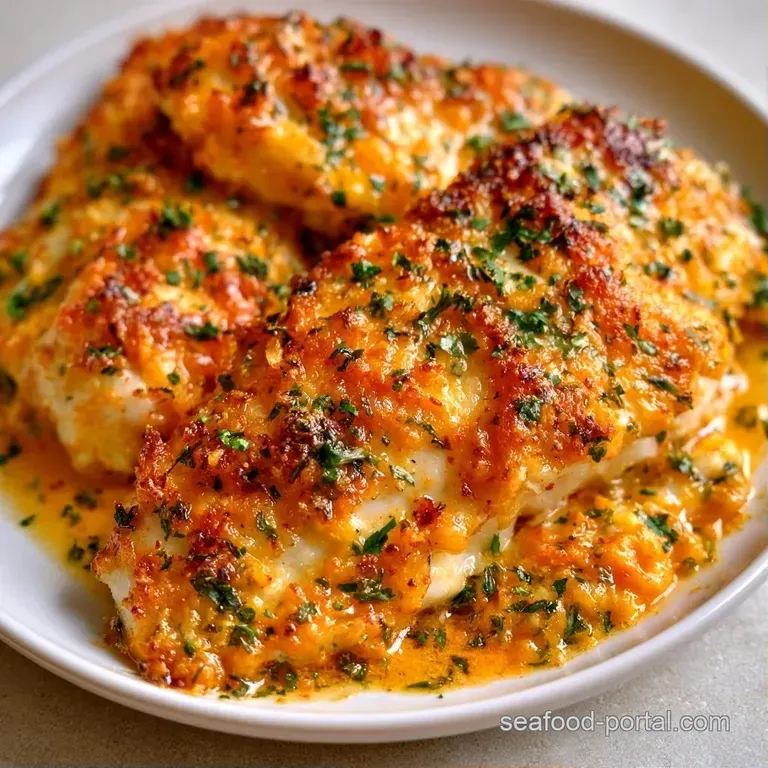
Most people worry that the fish will dry out under a topping, but it's actually the opposite. The sweet potato acts as a thermal barrier, protecting the delicate protein from the direct heat of the oven.
Moisture Trap: The dense mash keeps the natural juices inside the fillet, which prevents that rubbery texture. Natural Sugars: The sugars in the potato caramelize under the broiler, creating a savory sweet crust that balances the salt.
It's basically like a natural oven seal. Instead of the moisture evaporating into the air, it stays in the fish, while the top gets that nice, charred finish.
Fixing Kitchen Disasters
I frequently see the "crust slide," which happens when too much moisture gets trapped between the fish and the potato. Without patting the fillets dry, a layer of steam builds up, causing your topping to slide right off.
Overcooking is another frequent mistake. White fish can turn from "perfect" to "cardboard" in just three minutes. Gently press a fork into the center; once the meat flakes into clean layers, it's finished.
Fixing the Slide
Keep the fish dry. If the topping still won't stay put, a light dusting of cornstarch or flour before the oil can help the mash stick.
Preventing Overcooking
Take the fish out a minute early. Because of carryover cooking, the internal temperature will continue to rise for several minutes after leaving the oven.
Improving the Brown
If you don't have a broiler, shift the rack to the highest slot for the final 3 minutes to place the fish closer to the heating element.
| Problem | Root Cause | Solution |
|---|---|---|
| Crust slides off | Too much moisture on fish | Pat bone dry with paper towels |
| Fish is rubbery | Overcooked | Cut bake time by 2 mins |
| Pale crust | Low heat/no broiler | Broil for 2 mins at the end |
| Mushy topping | Excess water in potato | Mash more thoroughly or use less potato |
Storage and Waste
If you have leftovers, keep them in a glass container in the fridge for about 48 hours. I wouldn't recommend freezing the finished dish because the sweet potato can get a bit grainy once thawed.
To reheat, avoid the microwave if you can. It makes the fish rubbery and the crust soggy. Instead, pop them in a toaster oven or a regular oven at 350°F (175°C) for about 5-8 minutes.
For zero waste, don't toss the sweet potato peels. Toss them in a bit of oil and salt, then bake them at the same temperature as the fish for 10 minutes. They turn into great, crunchy chips that add a nice side to the plate.
Flavor Twists and Swaps
If you're bored with the standard version, try adding a pinch of cayenne pepper to the mash for a bit of heat. It cuts through the sweetness of the potato and gives the dish a kick. For a different protein, this works brilliantly with baked white fish like halibut or snapper.
You can also change the "crust" style. Try mixing in some grated Parmesan cheese with the sweet potato. The cheese browns even faster and adds a salty, nutty dimension.
For those who want a different texture, you could add a sprinkle of Panko breadcrumbs on top of the sweet potato before baking. This gives you a double layered crunch.
Decision Shortcut:
- Extra heat? → Add 1/4 tsp cayenne to mash
- Nutty flavor? → Mix in 1 tbsp Parmesan
- More crunch? → Top with Panko crumbs
Final Presentation Tips
To make this look like it came from a restaurant, don't just plop it on a plate. Start with a bed of sautéed spinach or some steamed asparagus. The bright green colors make the orange of the sweet potato pop.
A squeeze of fresh lemon juice right before serving is non negotiable. The acidity cuts through the richness of the potato and brightens the whole meal. A sprinkle of chopped fresh parsley also adds a fresh, grassy note.
If you want a side sauce, a fish taco sauce provides a zesty contrast that works surprisingly well with the sweetness of the crust.
Just remember to let the fish rest for 2-3 minutes before serving. This allows the juices to redistribute, ensuring every bite is as moist as the last.
Recipe FAQs
Does fish pair well with sweet potatoes?
Yes, they complement each other beautifully. The natural sweetness of the potato balances the savory, flaky profile of white fish.
Is it true that only breadcrumbs can create a fish crust?
That's a myth. Velvety mashed sweet potato creates a rich, nutrient-dense topping that browns perfectly in the oven.
How to ensure the sweet potato crust stays attached?
Pat the fillets bone-dry with paper towels before rubbing them with olive oil. This removes surface moisture that often causes the crust to slide off during baking.
Which white fish works best for this recipe?
Cod, Tilapia, or Grouper are ideal. These options hold their shape well under the weight of the mash. If you enjoy mastering the art of a crisp exterior, you can apply similar logic to pan fry salmon.
Can I use Japanese yams for the mash?
Yes, they work well. Just ensure they are mashed until velvety smooth to maintain the correct consistency for spreading over the fillets.
What is the best way to get a charred finish on the crust?
Turn on the broiler for the final 2 minutes of cooking. This creates bubbling edges and a professional, slightly charred appearance.
Why does the fish need to be dried before adding the crust?
Dry fish prevents steaming. Excess water creates a barrier between the fillet and the mash, which stops the olive oil and seasonings from adhering properly.
Sweet Potato Crusted Fish in 30 Minutes