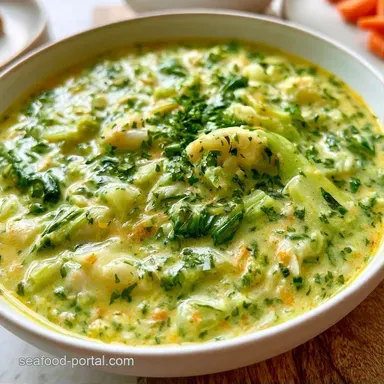
Thai Coconut Poached Fish with Ginger and Bok Choy
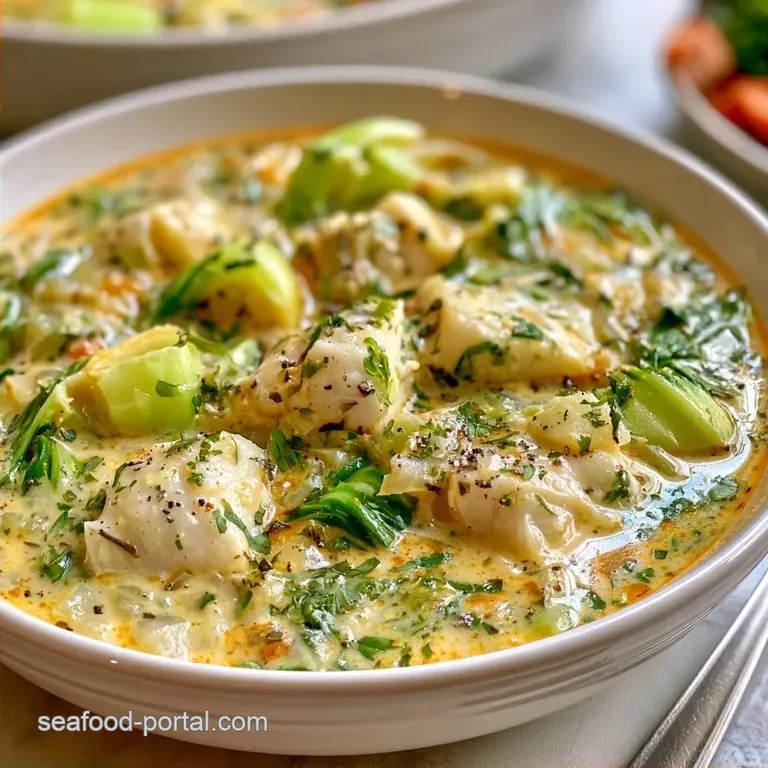
- Duration: 5 min active + 10 min cook
- Taste Profile: Creamy, zesty, and aromatic
- Best for: A quick evening meal
The fragrance of lemongrass sizzling in hot oil is instantly evocative. This bright, citrusy scent perfectly offsets the richness of the coconut milk. Across Southeast Asia, this method of poaching is more than just a cooking technique; it is about harmonizing four essential tastes: salty, sweet, sour, and spicy.
I recall tasting a similar version at a tiny Bangkok market, where the rising steam smelled like a rainforest after a storm. The fish was incredibly delicate, nearly melting in the mouth, and the turmeric lent the broth a brilliant golden glow.
It is a meal that feels sophisticated despite relying on humble, straightforward ingredients.
This dish offers a complete sensory experience. While the Coconut Poached Fish establishes a lush foundation, a final squeeze of lime juice awakens the entire palate. Because it is a one-pot recipe, cleanup is minimal, making it an ideal choice for those nights when you crave intense flavor but lack the energy for a major kitchen project.
Coconut Poached Fish
The Low Temp Poach: A gentle simmer is used here rather than high heat, which can tighten protein fibers and leave the fish rubbery. The coconut milk's fat acts as a shield, keeping the fish tender and flaky.
Aromatic Layering: Sautéing the garlic and ginger first releases fat-soluble flavors. Simply boiling these ingredients would omit the rich, nutty depth essential to an authentic Thai coconut poached fish.
Acid Fat Balance: Coconut milk is quite rich. Stirring in lime juice once the pan is removed from the heat prevents the milk from curdling while balancing the overall creaminess.
Tools You Will Need
No fancy equipment is required for this dish. A wide pot or large skillet is ideal, as it ensures the fish pieces have plenty of space. Avoid packing the pieces too tightly; otherwise, the heat will dissipate, and the fish will steam rather than poach.
A tight-fitting lid is recommended. This seals in the fragrant steam to wilt the bok choy rapidly without overcooking the fish. Using a slotted spoon also makes plating easier, allowing you to lift a clean piece of fish before drizzling the broth over the top.
What Each Ingredient Does
Coconut Poached Fish relies on the synergy between these key ingredients. You aren't merely seasoning the dish; you're constructing a balanced flavor profile.
| Ingredient | What It Does | Best Swap |
|---|---|---|
| Coconut Milk | Offers richness and balances the heat | Cashew cream (thicker, less tropical) |
| Fish Sauce | Supplies a salty, fermented umami depth | Soy sauce or tamari (less pungent) |
| Fresh Ginger | Adds a warm, peppery zing | Galangal (more citrusy/piney) |
| Lemongrass | Imparts a floral, lemon-like scent | Lemon zest (lacks the woody depth) |
The Full Ingredient List
Gather your ingredients before beginning. Cut the fish into uniform pieces so they cook through evenly.
- 1 tbsp neutral oil Why this? Stable at high heat and doesn't compete with other flavors
- 2 tbsp fresh ginger, thinly sliced Why this? Much more punchy than the powdered version
- 3 cloves garlic, minced Why this? A fundamental source of savory flavor
- 1 stalk lemongrass, bruised and cut into 2 inch pieces Why this? Crucial for a traditional Thai fragrance
- 1 can (13.5 oz) full fat coconut milk Why this? Its fat content keeps the sauce smooth
- 1 tbsp fish sauce Why this? The core source of saltiness
- 1 tsp coconut sugar Why this? Softens the sharp salt and acid
- 1/2 tsp ground turmeric Why this? Imparts a vivid gold color
- 1 tbsp fresh lime juice Why this? Adds a zesty lift to the heavy cream
- 1 lb firm white fish fillets, cut into 2 inch chunks Why this? Stays intact during the poaching process
- 3 cups baby bok choy, quartered lengthwise Why this? Provides a fresh crunch and bitter edge
- 2 stalks green onion, sliced Why this? A bright, sharp topping for the end
- 1 tsp red chili flakes Why this? Adds a slow-building heat
Step by step Cooking
Time to start cooking. Use your sense of smell to guide you, as the aromas will indicate exactly when to proceed.
Warm the neutral oil in a pan over medium heat. Toss in the ginger slices, minced garlic, and bruised lemongrass. Sauté for 2-3 minutes until the garlic is aromatic and the ginger smells nutty, making sure the garlic doesn't brown.
Stir in the full fat coconut milk, coconut sugar, fish sauce, and turmeric. Let the mixture simmer gently for 3 minutes; look for small bubbles rather than a rolling boil to ensure the Coconut Poached Fish base stays smooth.
Carefully add the quartered bok choy and white fish chunks to the simmering liquid.
Secure a tight lid on the pan. Let it poach for 5-7 minutes until the fish is tender and breaks apart easily with a fork.
Immediately remove the pan from the heat to ensure the fish doesn't overcook.
Mix in the fresh lime juice, which instantly transforms the aroma from creamy to bright.
Place the fish and bok choy into serving bowls.
Ladle the golden coconut broth over the top.
Finish with a garnish of red chili flakes and sliced green onions.
Fixing Common Cooking Issues
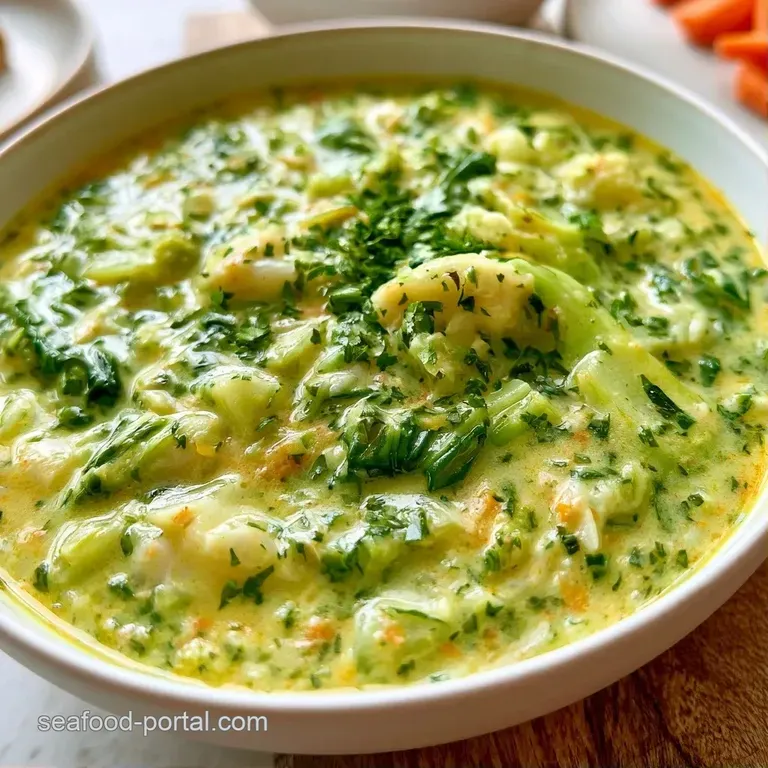
Even with a simple recipe, things can go sideways. Most issues with Coconut Poached Fish come down to temperature control.
The Fish is Rubbery
This usually happens if the coconut milk was boiling too hard. When the liquid reaches a hard boil, the proteins in the fish contract too quickly, squeezing out the moisture. To fix this for next time, keep the heat on medium low. The liquid should just "shiver" with tiny bubbles, not churn.
The Broth is Too Thin
If you want a more velvety texture, you can simmer the coconut milk and aromatics for an extra 5 minutes before adding the fish. This allows some of the water to evaporate, concentrating the fats and solids. Just make sure you don't let it reduce so much that it becomes a thick paste.
The Flavor is Flat
If the Coconut Poached Fish tastes like it's missing something, it's almost always a lack of acid or salt. Add an extra squeeze of lime juice or a tiny splash more fish sauce. The balance between the richness of the coconut and the sharpness of the lime is what makes the dish pop.
Since we're talking about flavors, if you love these aromatic profiles, you might enjoy my Sauce in 10 Minutes recipe for other seafood dishes.
Customizing Your Result
Depending on what you're craving, you can tweak the final output easily.
| Goal | What to change |
|---|---|
| More Heat | Double the chili flakes or add sliced bird's eye chilies |
| Tart Profile | Increase lime juice by 1 tablespoon |
| Heartier Meal | Serve over a bed of steamed jasmine rice |
Storage and Zero Waste
If you have leftovers, store the Coconut Poached Fish in a sealed container in the fridge for up to 2 days. I don't recommend freezing this dish, as the coconut milk can separate and the fish often becomes grainy once thawed.
When reheating, do it slowly on the stovetop over low heat. Avoid the microwave if possible, as it can make the fish rubbery. Add a tiny splash of water or coconut milk to loosen the sauce back up.
To avoid waste, don't throw away your lemongrass ends or ginger peels. I toss them into a freezer bag and use them later to make a quick vegetable stock. Even the leftover coconut broth is gold, it makes a great base for a quick soup the next morning.
Ways to Change It
You can easily swap the protein or the greens. This recipe works great with halibut, snapper, or cod. If you want something a bit more luxurious, try using monkfish, which has a meatier texture and holds up well to poaching.
For the greens, baby bok choy is the classic choice, but spinach or snap peas work just as well. If you want to try a different take on the sauce, my Sauce in 25 Minutes recipe uses a slightly different approach to the citrus balance.
You can also add a handful of sliced mushrooms or bamboo shoots during the simmering phase for more texture. Just remember that if you add heartier vegetables, they need to go in a few minutes before the fish.
Serving Suggestions
The best way to enjoy Coconut Poached Fish is in a wide, shallow bowl. This allows the broth to pool around the fish and greens, making it easy to scoop up every bit of flavor.
Pair this with a side of jasmine rice or coconut rice to soak up the extra liquid. For something lighter, serve it with steamed cauliflower or a crisp cucumber salad. The cool, refreshing nature of cucumbers balances the warmth of the ginger.
If you're serving this for a crowd, bring the skillet straight to the table. It looks beautiful with the vibrant yellow broth and the bright green bok choy. Just remember to add the fresh herbs and lime juice right before it hits the table to keep the colors vivid and the scents fresh.
High in Sodium
840 mg 840 mg of sodium per serving (37% 37% of daily value)
The American Heart Association recommends a daily sodium limit of no more than 2,300 mg, and ideally 1,500 mg for most adults to reduce the risk of cardiovascular disease.
Tips to Reduce Sodium
-
Swap the Fish Sauce-30%
Replace the standard fish sauce with low-sodium fish sauce or coconut aminos to significantly lower salt while maintaining the essential umami flavor.
-
Increase Acidity-10%
Add an extra squeeze of fresh lime juice; the acidity mimics the perception of salt, allowing you to reduce the amount of fish sauce needed.
-
Choose Unsalted Coconut Milk-5%
Check the label of your canned coconut milk and ensure it contains no added salt or sodium-based preservatives.
-
Maximize Fresh Aromatics
Lean heavily on the fresh ginger, garlic, and lemongrass to create a bold, complex flavor base that reduces the reliance on salty condiments.
Recipe FAQs
What kind of fish works best poached in coconut milk?
Firm white fish fillets are the best choice. They maintain their structure during the 5-7 minute poaching process.
Can you cook fish with coconut milk?
Yes, simmering fish in coconut milk keeps the meat moist and tender. If you prefer a crispier texture, see how we handle proteins in our pan seared tilapia recipe.
Is it true that poaching in water is better than milk for flavor?
Not true. Coconut milk adds a rich, velvety depth and creaminess that water cannot provide.
Is coconut milk good with fish?
Yes, the creaminess of the milk perfectly balances the salty notes of the fish sauce. It is a classic combination in many Southeast Asian dishes.
How to prepare the lemongrass for this recipe?
Bruise the stalk with the back of a knife to release the essential oils. Cut it into 2-inch pieces so the flavor infuses the liquid during the simmer.
Coconut Poached Fish in 15 Minutes