Squid Ink Noodles: a Gourmet Seafood Feast
- Time: Active 10 mins, Passive 15 mins, Total 25 mins
- Flavor/Texture Hook: Velvety, garlic infused sauce with snap crisp shrimp
- Perfect for: Sophisticated dinner parties or romantic Mediterranean evenings
- Discovering the Magic of Squid Ink Noodles
- What Makes This Black Pasta Pop
- Component Deep Dive
- The Alchemy of Selecting Your Elements
- Essential Kitchen Tools
- Crafting the Obsidian Masterpiece
- Navigating Potential Pitfalls
- Tailoring to Your Taste
- Managing the Leftovers
- Artful Presentation Strategies
- Debunking Pasta Folklore
- Adjusting for the Crowd
- Recipe FAQs
- 📝 Recipe Card
Discovering the Magic of Squid Ink Noodles
Standing on a narrow bridge in Venice years ago, I watched a gondolier tuck into a bowl of pasta so dark it looked like polished onyx. It was my first encounter with the tradition of pasta al nero di seppia. In Italy, this isn't just a meal, it's a celebration of the sea's depth.
The ink, historically harvested from cuttlefish, lends a subtle, briny mineral note that you simply cannot find in standard wheat pasta. It is elegant, slightly mysterious, and honestly, it makes every other pasta dish look a bit pale in comparison.
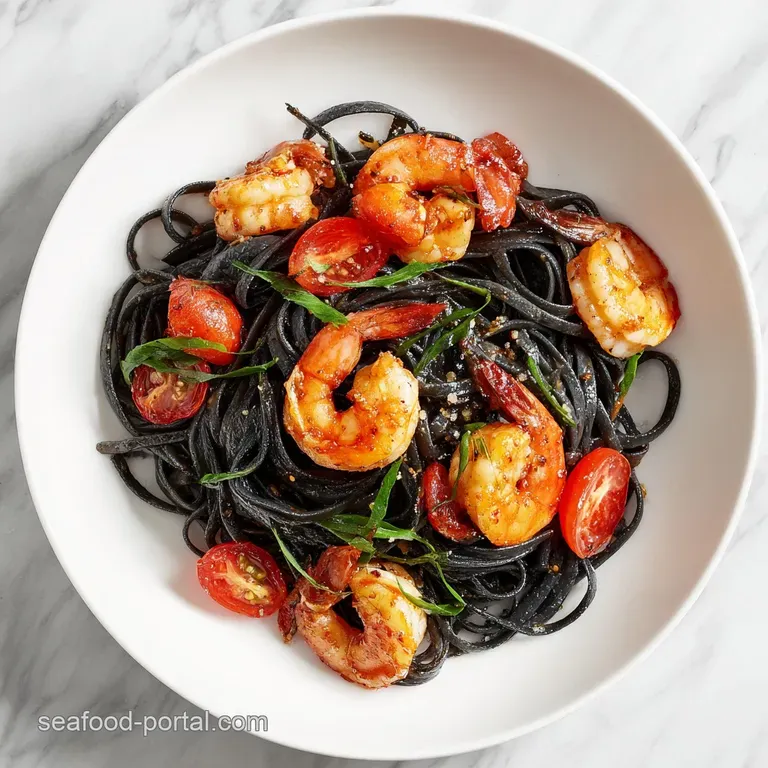
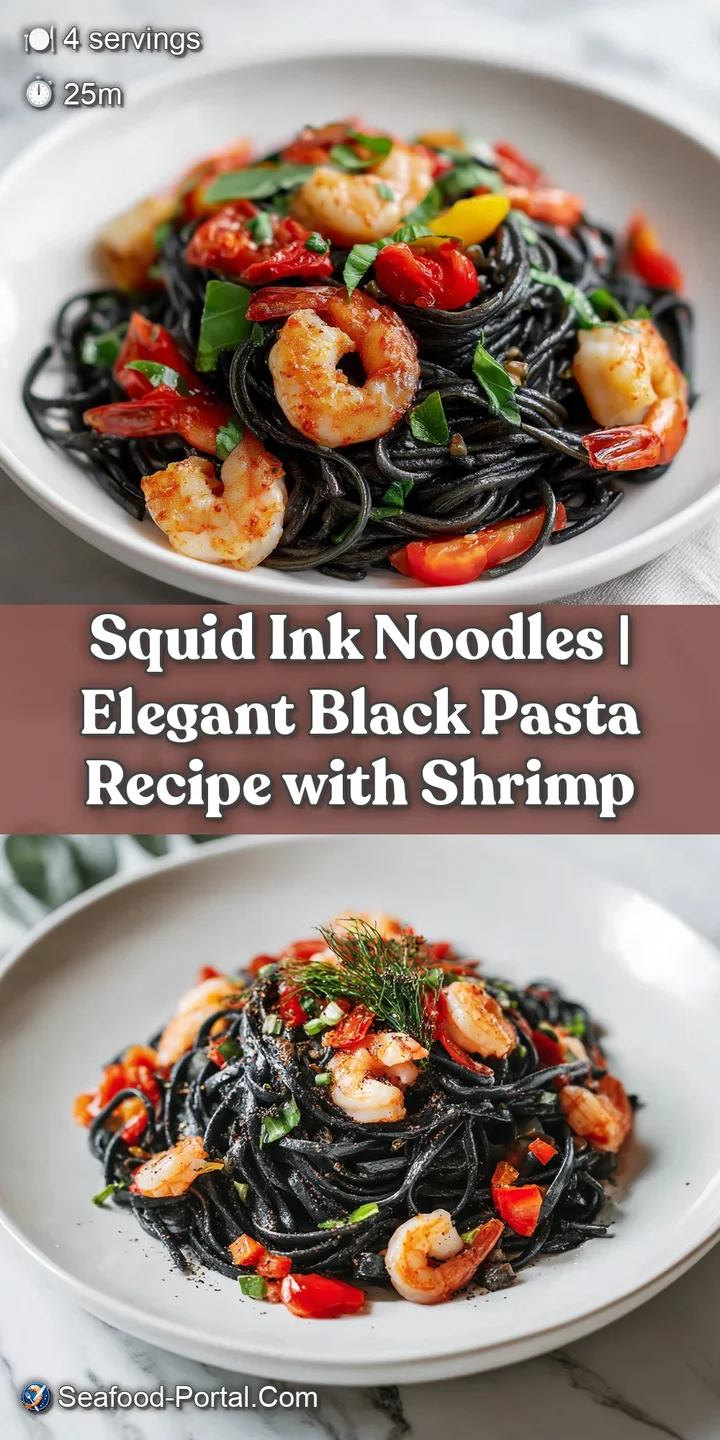
When we bring this tradition into our own kitchens, we are honoring a Mediterranean heritage that prizes fresh, bold components. The striking contrast between the jet black noodles and the coral pink shrimp is a visual masterpiece before you even take the first bite.
I remember the first time I served this to friends, the room went silent just from the sheer drama of the plate. It feels like high end restaurant fare, but the secret is that it comes together in exactly 25 minutes.
We are going to focus on building a sauce that isn't heavy or cloying. We want a light, citrusy sheen that lets the "inkiness" of the noodles shine through. It’s about that specific moment when the chilled butter hits the hot wine and creates a silky coating that clings to every strand.
It’s vibrant, fresh, and feels like a summer night on the coast of Sicily, even if you're just standing in your kitchen on a Tuesday.
What Makes This Black Pasta Pop
There is a bit of kitchen magic happening when we combine starchy water, cold fat, and acid. Most people think a sauce needs heavy cream to be luxurious, but we are going to achieve a velvety finish through a simple physical reaction.
By whisking chilled butter into a wine reduction, we create a stable suspension of fat in liquid that feels rich without being heavy.
Starch Suspension: The reserved pasta water contains loose starches that act as a bridge between the olive oil and the wine, preventing the sauce from breaking.
Thermal Shock Emulsion: Adding chilled butter to the warm pan allows the fat to melt slowly while being whisked, creating a glossy, thick coating rather than a greasy puddle.
Cold Pan Deglazing: Using white wine to scrape up the "fond" (the browned bits from the shrimp) incorporates deep savory notes directly into the liquid base.
Osmotic Brining: Boiling the noodles in highly salted water ensures the seasoning penetrates the dough, which is vital since the ink adds color but needs salt to wake up its flavor.
| Thickness of Shrimp | Sear Time | Rest Time | Visual Cue |
|---|---|---|---|
| Large (16/20 count) | 90 seconds | 2 minutes | Opaque and "C" shaped |
| Jumbo (10/15 count) | 2 minutes | 2 minutes | Firm to touch, pink edges |
| Medium (26/30 count) | 60 seconds | 1 minute | Just turned white/pink |
Selecting the right shrimp is half the battle when you want that restaurant quality snap. I always look for "Large" or "Jumbo" counts because they withstand the over high heat sear without turning into rubbery little knots.
Component Deep Dive
Every element in this dish has a specific role to play, from the aromatic punch of the garlic to the structural integrity of the noodles. We aren't just tossing things in a pan; we are layering textures to ensure every bite is balanced.
| Component | Science Role | Pro Secret |
|---|---|---|
| Squid Ink Noodles | Structural base | Cook 1 minute less than the box says; they soften further in the sauce. |
| Chilled Butter | Emulsifier | Keep it in the fridge until the very second you need to whisk it in. |
| White Wine | Acid & Solvent | Use a crisp, dry variety like Pinot Grigio to cut through the richness of the butter. |
| Starchy Water | Binding Agent | Never toss the water; it is the "glue" that makes the sauce cling to the noodles. |
The interaction between the acidic lemon juice and the mineral heavy squid ink is what creates that vibrant, "fresh off-the boat" flavor profile. If you're interested in exploring more about these dark, briny depths, you might find my Squid Ink Seafood Pasta Recipe particularly helpful for your next gourmet night.
The Alchemy of Selecting Your Elements
When you’re shopping for this dish, the quality of your olive oil and noodles will dictate the final result. I always reach for an organic lemon because we are using the zest, and we want to avoid any waxy coating or pesticides.
- 12 oz squid ink noodles: These can be spaghetti or linguine. Why this? The ink provides a unique oceanic savoriness and a stunning visual contrast.
- Substitute: Regular linguine with 1 tsp of bottled squid ink added to the sauce.
- 1 lb large shrimp: Peeled and deveined, tail on for looks if you prefer. Why this? Shrimp cook fast and absorb the garlic butter flavors beautifully.
- Substitute: Scallops or even rings of fresh squid for a medley delight.
- 4 garlic cloves: Thinly sliced into "paper" rounds. Why this? Sliced garlic toasts gently without the bitterness of minced garlic.
- Substitute: Shallots for a milder, sweeter aromatic base.
- 2 tbsp extra virgin olive oil: high-quality is key here. Why this? It provides the initial fat for searing and contributes a peppery finish.
- Substitute: Grapeseed oil if you want a more neutral flavor profile.
- 1/2 cup dry white wine: Think Sauvignon Blanc or Albariño. Why this? The acidity balances the richness and deglazes the pan.
- Substitute: Seafood stock with a splash of white wine vinegar.
- 3 tbsp unsalted butter: Must be chilled and cubed. Why this? Essential for creating that thick, glossy "restaurant style" sauce texture.
- Substitute: Cold ghee, though it won't emulsify quite as creamily as butter.
- 1/2 tsp red pepper flakes: For a gentle hum of heat. Why this? It cuts through the fat and wakes up the palate.
- Substitute: Freshly sliced red chili for a more floral heat.
Essential Kitchen Tools
You don't need a pantry full of gadgets, but a heavy bottomed skillet is non negotiable for the shrimp sear. A cast iron or high-quality stainless steel pan distributes heat evenly, ensuring you get that golden crust without overcooking the center of the seafood.
- 12 inch heavy skillet: A large surface area prevents the shrimp from steaming in their own juices.
- Large pasta pot: Use at least 5 liters of water to give the noodles room to dance.
- Microplane zester: For light, fluffy lemon zest that dissolves into the sauce.
- Stainless steel tongs: For tossing the noodles aggressively to encourage emulsification.
- Fine mesh strainer: To drain the pasta while easily catching that cup of starchy water.
Crafting the Obsidian Masterpiece
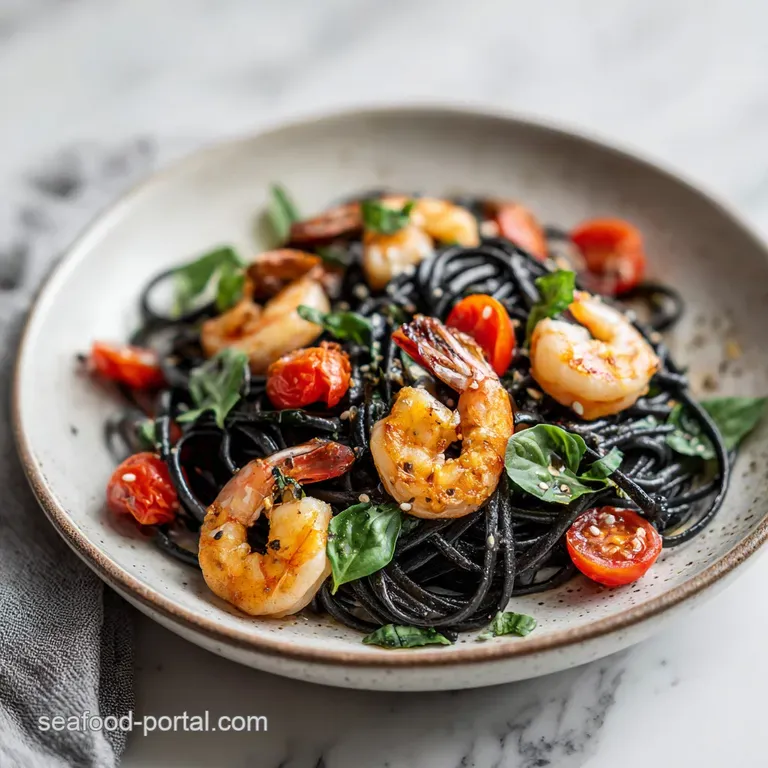
Let's get into the rhythm of the kitchen. The key here is "mise en place" having everything sliced and measured before the first drop of oil hits the pan. Things move quickly once the pasta is in the water!
- Boil the water. Bring 4 liters of water to a rolling boil in a large pot and add 1 tbsp of sea salt. Note: It should taste like the ocean.
- Cook the noodles. Drop the 12 oz of squid ink noodles into the pot. Cook for 1 minute less than the package instructions. Check for a firm, al dente "snap" when you bite into a strand.
- Save the gold. Before draining, carefully dip a measuring cup in to reserve 1 cup of the cloudy pasta water. Drain the rest.
- Sear the shrimp. Heat 2 tbsp olive oil in your 12 inch skillet over medium high heat. Pat the 1 lb of shrimp completely dry. Sear for 90 seconds per side until they are opaque and curled into a "C" shape. Remove and set aside.
- Toast the aromatics. Reduce heat to medium. Add the 4 sliced garlic cloves and 1/2 tsp red pepper flakes. Sauté for about 1 minute until the garlic is fragrant and golden around the edges.
- Deglaze the pan. Pour in the 1/2 cup of white wine. Use a wooden spoon to scrape up all the flavorful browned bits from the bottom. Simmer for 2 minutes until the liquid reduces by half.
- Emulsify the sauce. Whisk in the 3 tbsp of chilled butter cubes and 1/2 cup of the reserved pasta water. Whisk vigorously until the sauce looks glossy and slightly thickened.
- The final marriage. Toss the cooked noodles back into the skillet. Add the seared shrimp, lemon juice, zest, and 1/4 cup of chopped parsley.
- The finish. Use tongs to toss everything for 1 minute over medium heat until the sauce clings to every noodle strand.
- Serve immediately. Divide into bowls and finish with an extra drizzle of olive oil if you're feeling indulgent.
Navigating Potential Pitfalls
Cooking seafood pasta can feel intimidating because everything happens so fast. The most common heartbreak is "rubbery shrimp" or a sauce that looks like oily water.
Why Your Sauce is Broken
If you see a puddle of oil at the bottom of your bowl, your emulsion didn't hold. This usually happens if the butter was too warm when added, or if you didn't whisk in enough starchy pasta water. The starch acts as a stabilizer it’s the "glue" that holds the oil and water together.
Why the Noodles are Sticky
Squid ink noodles can be more prone to sticking than standard pasta. If you don't use a large enough pot of water, or if you don't toss them immediately into the sauce after draining, they will clump together into a black bird's nest.
| Problem | Root Cause | Solution |
|---|---|---|
| Rubbery Shrimp | Overcooked/Left in pan | Remove shrimp immediately after searing; only re add at the very end. |
| Bitter Garlic | Heat too high/Burned | Sauté garlic on medium heat; if it turns dark brown, start over. |
| Dry Pasta | Not enough liquid | Add an extra splash of reserved pasta water and a pat of butter. |
Common Mistakes Checklist
- ✓ Never rinse your pasta after draining; you need those starches for the sauce.
- ✓ Always pat your shrimp bone dry with paper towels before searing to get a good crust.
- ✓ Don't use a non stick pan for the sauce if possible; stainless steel creates better "fond" (flavor).
- ✓ Keep the butter in the fridge until the very second you are ready to whisk it in.
- ✓ Use a "dry" white wine; a sweet wine will make the dish cloying and weird.
Tailoring to Your Taste
While the shrimp and garlic version is a classic, the beauty of Mediterranean cooking is its flexibility. You can easily adapt this dish to what is fresh at the market or what's lurking in your fridge.
Mediterranean Vegetable Boost
If you want to lighten things up, add half a cup of halved cherry tomatoes and a handful of baby spinach during the garlic sautéing step. The tomatoes will burst and add a beautiful acidity that complements the ink.
The Velvety Creamy Twist
For those who crave a richer experience, swap half of the white wine for heavy cream. You’ll lose the bright acidity, but you'll gain a luxurious, silky texture that coats the black noodles in a pale, elegant sauce.
Chef's Tip: To deepen the "ocean" flavor, add 1 tsp of anchovy paste to the garlic and olive oil. It melts away completely but leaves a massive hit of savory umami that makes people wonder what your "secret ingredient" is.
Managing the Leftovers
This dish is undoubtedly best served immediately, as the emulsion can break when reheated. However, we've all had those nights where we made too much!
- Storage: Keep in an airtight container in the fridge for up to 2 days. The shrimp will continue to firm up, so eat it sooner rather than later.
- Reheating: Do not use the microwave! It will turn the shrimp into erasers. Instead, heat a splash of water or wine in a skillet, add the pasta, and toss gently over low heat until just warmed through.
- Zero Waste: If you have leftover lemon rinds, toss them into a jar of vinegar for a natural kitchen cleaner. Any leftover parsley stems can be frozen and tossed into your next batch of seafood stock.
Artful Presentation Strategies
Since this is a celebratory dish, the plating matters as much as the seasoning. The goal is to highlight the contrast between the dark noodles and the bright ingredients.
Level 1: The Simple Family Style
Serve the pasta in a large, shallow white bowl. Pile the noodles high in the center and scatter the shrimp over the top. A quick sprinkle of parsley and a few lemon wedges on the side is all you need for a beautiful, rustic look.
Level 2: The Polished Dinner Party
Use a carving fork to "twirl" the noodles into a tight nest in the center of individual plates. Place exactly five shrimp around the base of the nest. Use a microplane to grate fresh lemon zest directly over the top at the table for that hit of citrus aroma.
Level 3: The Restaurant Aesthetic
Place the noodle nest in a wide rimmed pasta bowl. Instead of scattering the parsley, drizzle a vibrant green parsley oil around the perimeter. Top with a single micro green or a very thin "lemon wheel" that has been charred in the pan for 30 seconds.
| Plating Level | Key Feature | Best For |
|---|---|---|
| Simple | Large shared bowl | Casual weeknight dinner |
| Polished | Individual twirled nests | Hosting friends |
| Restaurant | Herb oils & charred garnishes | Anniversary or Special occasions |
Debunking Pasta Folklore
Myth 1: You must add oil to the boiling water. This is a total waste of olive oil! It actually prevents the sauce from sticking to the noodles later. All you need is plenty of salt and a quick stir once you drop the pasta in.
Myth 2: Squid ink pasta tastes "fishy." Quality squid ink noodles have a mild, briny, and earthy flavor, not a "fishy" one. If it tastes overly fishy, it's usually the seafood being used (like old shrimp), not the pasta itself.
Myth 3: The ink will stain your teeth forever. While the raw ink can be messy, the ink processed into the noodles is stable. You might see a slight tint during the meal, but a quick sip of water or wine usually clears it right up. No need to hide your smile!
Adjusting for the Crowd
When you're scaling this recipe, remember that heat management changes with volume.
- Downsizing (1-2 People): Use a smaller skillet so the wine doesn't evaporate too quickly. You can still use a whole egg's worth of yolk if you're making fresh noodles, or just halve the dried pasta and shrimp quantities exactly.
- Upscaling (8+ People): Work in batches for the shrimp! If you crowd the pan, the shrimp will steam and turn grey instead of searing. Keep the first batches of shrimp in a low oven (60°C) while you finish the rest. For the sauce, don't double the red pepper flakes start with 1.5x and taste, as the heat can build up quickly in larger volumes.
| Prep Method | Cook Time | Texture | Best For |
|---|---|---|---|
| Stovetop | 15 minutes | Al dente & Glossy | Fresh, immediate serving |
| Oven Finish | 20 minutes | Softer & Baked | Large casseroles (not recommended for this dish) |
Right then, you're ready to tackle the dark side of the pasta world. Just remember: keep that butter cold, don't overcook the shrimp, and for heaven's sake, save that pasta water! It's the difference between a dry bowl of noodles and a Mediterranean masterpiece. Let's crack on!
Recipe FAQs
What are squid ink noodles?
They are traditional pasta dough infused with cephalopod ink. This addition provides a dramatic jet-black color and a subtle, oceanic brine that deepens the savory profile of your meal.
Are squid ink noodles good for you?
Yes, they are a source of iron and antioxidants. While they are still a refined flour product, the ink itself contains melanin and amino acids that offer unique nutritional properties compared to standard pasta.
Is it true squid ink noodles are only for people with high cholesterol?
No, this is a common misconception. While some seafood is higher in cholesterol, the ink itself is low-fat and perfectly safe to consume as part of a balanced diet.
What does squid ink taste like?
It has a mild, savory brininess. It does not taste fishy; instead, it offers a sophisticated, salty umami depth that acts as a canvas for garlic, lemon, and white wine.
How to achieve the perfect glossy sauce for these noodles?
Whisk chilled, cubed butter into the reduced white wine and starchy pasta water. If you enjoyed mastering this emulsification technique, you can use the same principle to create a smooth, rich finish for our Creamy Jerk Shrimp Noodles.
How to prevent the shrimp from becoming rubbery?
Sear the shrimp for exactly 90 seconds per side over medium high heat. Removing them from the pan immediately after they turn opaque ensures they stay tender rather than overcooking in the sauce.
How to ensure the sauce clings to the pasta?
Reserve 1 cup of cloudy pasta water before draining. The starch in that water is the secret ingredient that binds the oil, wine, and butter into a cohesive sauce that coats every strand of noodle.
Squid Ink Pasta With Shrimp 2
Ingredients:
Instructions:
Nutrition Facts:
| Calories | 584 calories |
|---|---|
| Protein | 35.8g |
| Fat | 17.4g |
| Carbs | 66.2g |
| Fiber | 3.1g |
| Sugar | 2.2g |
| Sodium | 640mg |
