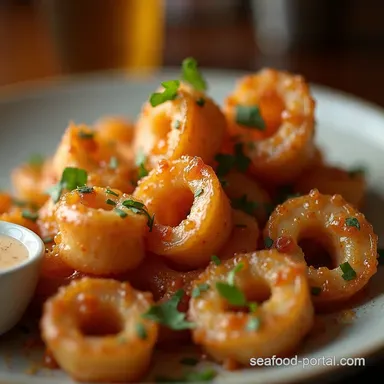
Bayou Zest Sautéed Cajun Calamari with Smoked Paprika Aioli
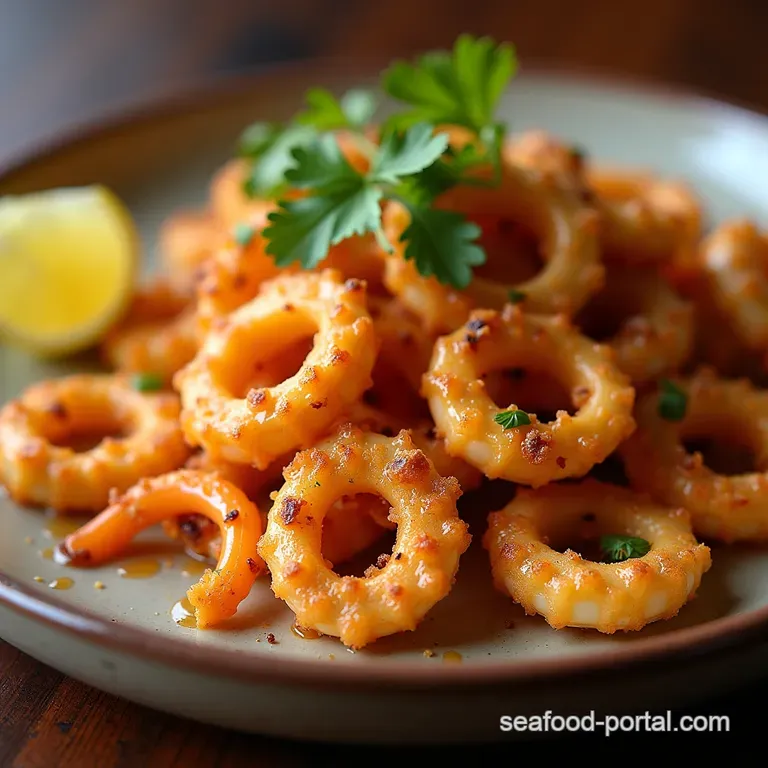
- Ditching the Deep Fryer: Introducing Our Speedy Sautéed Cajun Calamari Method
- Why This Quick Sear Elevates Squid
- The Building Blocks for Fiery Flavor
- Assembling the Homemade Cajun Rub (No Store-Bought Shortcuts!)
- Step-by-Step Mastery of Sautéed Cajun Calamari
- Pro-Tips for Next-Level Flavor and Texture
- Recipe FAQs
- 📝 Recipe Card
Ditching the Deep Fryer: Introducing Our Speedy Sautéed Cajun Calamari Method
There’s a certain magic that happens when fresh seafood meets aggressive heat, and nowhere is this more evident than with calamari. For too long, perfectly tender squid has been relegated to thick, heavy batters and deep fryers, obscuring its delicate flavor beneath a cloak of oil.
Today, we are revolutionizing that experience. We are diving headfirst into a Sauteed Cajun Calamari approach that is faster, brighter, and delivers an authentic punch of Bayou heat.
This recipe, which I affectionately call "Bayou Zest Sautéed Cajun Calamari," skips the oil bath entirely, opting instead for a quick sear that locks in moisture and maximizes the impact of our homemade spice rub.
Ready in under 30 minutes, this dish proves that complex flavor doesn't require complex methodology.
Why This Quick Sear Elevates Squid
The central promise of this Cajun Calamari Recipe lies in precision timing. When you manage the heat correctly, calamari cooks in mere seconds, resulting in a texture that is delightfully tender, yielding just slightly to the bite.
Overcooked squid turns rubbery; perfectly sautéed squid melts in your mouth. By using a high smoke point oil and hot pan, we achieve instant searing, which creates those appealing little char marks and concentrates the seasoning beautifully.
This method transforms a simple preparation into an elegant Seafood Dinner Idea .
The Allure of the Bayou Zest Flavor Profile
What gives this dish its signature appeal is the robust, homemade seasoning blend. We aren't relying on a generic packet; we are crafting a blend rich in smoked paprika, cayenne, thyme, and oregano.
This profile hits all the necessary notes: earthy, smoky, savory, and just spicy enough to make you reach for a cold drink. It’s the essence of Cajun Seafood Recipes distilled into a concentrated, quick-cooking experience that sings beautifully with the sweetness of the squid itself.
Serving Suggestions: Starter or Star Attraction?
This Quick Calamari Recipe is marvelously versatile. As an appetizer, serve it simply piled high with fresh parsley and a side of our suggested Smoked Paprika Aioli for dipping, it’s an irresistible Calamari Appetizer .
For a light main course, you can easily scale this up, serving it atop creamy stone-ground grits or alongside roasted asparagus. The robust seasoning holds up wonderfully, ensuring it remains the star, whether it’s the opening act or the headliner of the meal.
Essential Gear for Perfect Pan-Seared Seafood
Success in How to Cook Calamari quickly hinges on your equipment. You absolutely need a heavy-bottomed skillet, cast iron is my favorite choice because it retains heat exceptionally well, which is crucial for searing.
You will also need basic tools: good quality tongs for quick flipping, a small bowl for mixing your spices, and a shallow dish for the light flour dredge. Having everything prepped and within arm's reach is vital, as the actual cooking process moves at breakneck speed.
The Building Blocks for Fiery Flavor
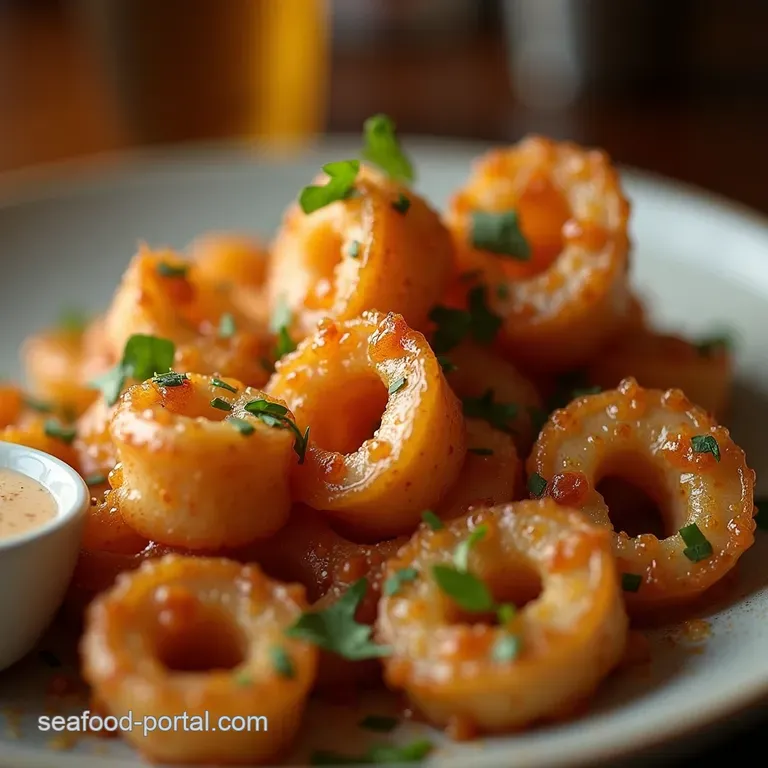
Before we even think about heating the pan, we must focus on the flavor foundation. This means two things: ensuring the calamari is pristine, and creating a spice blend that punches above its weight. We are aiming for 1 lb (about 450g) of cleaned calamari, ready to go.
For maximum adherence of our seasoning, the squid must be thoroughly rinsed and, most importantly, patted absolutely dry with paper towels; moisture is the enemy of a proper sear.
Related Recipes Worth Trying
- PanSeared LemonHerb Calamari Steaks Quick Tender — Master panseared calamari steak thats tender not chewy This simple recipe turns frozen calamari into a flavourful inexpensive dinner in under an hour
- Decadent Creamy Cajun Garlic Shrimp in Under 30 Mins — Skip takeout tonight for this incredibly easy onepan Creamy Cajun Garlic Shrimp It features plump prawns in a velvety garlicky butter sauce A proper Cajun...
- Quick Fiery Spicy Cajun Shrimp Recipe Ready in 25 Mins — Create the most flavourful Spicy Cajun Shrimp tonight This easy skillet recipe delivers juicy shrimp in a rich buttery Cajun sauceperfect dinner inspiration...
Assembling the Homemade Cajun Rub (No store-bought Shortcuts!)
Bypassing pre-mixed rubs ensures that the flavor is sharp and fresh. This blend is built for the quick sauté, designed to bloom instantly in hot fat.
Primary Components: Sourcing the Freshest Calamari
Whether you purchase rings and tubes fresh or opt for frozen, the key preparation step is drying. If using frozen, thaw them completely under cold running water, then spend ample time blotting them dry.
The calamari, including the Squid Tentacles Recipe components if you’ve included them, should be uniformly cut (if not already), ready for their light dusting.
The Spice Cabinet Requirements for Authentic Heat
Our Cajun blend requires a strong base of aromatics. You will need 1 tablespoon of smoked paprika, which brings that deep, earthy hue and smokiness essential to true Cajun profiles.
To introduce the heat, incorporate 1 teaspoon of cayenne pepper, feel free to adjust this to your personal tolerance for Spicy Squid Dishes . Supporting these main players are equal parts garlic powder and onion powder (1 teaspoon each), rounded out with 1/2 teaspoon each of dried thyme and dried oregano, plus salt and black pepper.
Mix this all thoroughly until homogenous.
Crafting the Smoked Paprika Aioli Base
While optional, a cooling counterpoint is highly recommended. To craft a quick accompaniment, whisk together 1/2 cup of good quality mayonnaise with a small squeeze of fresh lemon juice (about 1 teaspoon) and an additional 1/2 teaspoon of smoked paprika.
This creamy, smoky dip cools the palate beautifully between spicy bites. Keep this mixture chilled while you focus on the main event.
Step-by-step Mastery of Sautéed Cajun Calamari
With our seasonings blended and squid prepped, the cooking phase is exhilaratingly fast. The entire cooking process should take no more than 8 to 10 minutes total.
Prepping the Squid for Maximum Seasoning Adherence
First, lightly dredge the dried calamari in about 1/4 cup of all-purpose flour. Shake off any heavy excess; we are aiming for a very thin, almost invisible coating. This light dusting helps the spices stick and provides a tiny bit of structure during the sear.
Toss the floured squid with about half of your prepared Cajun spice blend, ensuring every piece receives an even coating.
Flash Sautéing: Mastering the Hot Pan Technique
Place a large, heavy skillet over medium-high heat. Add 1 tablespoon of olive oil and 1 tablespoon of unsalted butter. The pan must be hot enough that the fat shimmers and begins to smoke slightly, this is non-negotiable for a proper sear. Add half of the seasoned calamari in a single layer.
Resist the urge to stir immediately! Let it sit for 60 to 90 seconds until the underside is nicely golden. Flip and cook for another 30 to 60 seconds, then remove the first batch to a waiting plate. Repeat this process with the remaining oil, butter, and calamari, ensuring you never overcrowd the pan.
Building the Garlic Butter Pan Sauce
Once the second batch is removed, drop the final tablespoon of butter into the hot pan. As it melts, toss in 4 cloves of finely minced garlic. Cook for precisely 30 seconds until fragrant, do not let it brown, or it will turn bitter.
If you choose to deglaze (highly recommended for flavor depth), pour in 1/4 cup of dry white wine, immediately scraping up any browned bits stuck to the bottom of the pan. Let this bubble vigorously for about 30 seconds until it reduces slightly.
Final Assembly and Quick Plating
Return all the cooked calamari to the pan. Toss everything rapidly, the residual heat is enough to finish the cooking. Immediately remove the pan from the heat source. Squeeze the juice of half a lemon over the mixture, then sprinkle generously with the remaining reserved Cajun spice blend and 2 tablespoons of freshly chopped parsley.
Toss one final time and serve immediately while piping hot.
Pro-Tips for Next-Level Flavor and Texture
To truly master this preparation, remember the cardinal rule: high heat, short time. A common beginner mistake is cooking the calamari for too long, resulting in a chewy, unpleasant texture. Never exceed three minutes of total cooking time per batch.
If you find your pan temperature dropping too quickly when adding the second batch, don't hesitate to briefly crank the burner higher.
Troubleshooting: Preventing Rubberiness in Your Calamari
If your calamari is consistently rubbery, the issue is nearly always one of two things: either your pan wasn't hot enough when the squid hit the surface (causing it to steam rather than sear), or you cooked it too long. Stick rigidly to the 60-to-90-second sear per side for rings and tubes.
They should turn opaque white very quickly.
Optional Additions: Zest and Herb Infusions
For an even brighter profile that cuts through the richness of the butter, consider finishing the dish with a fine microplane zest of one lemon alongside the juice. You can also elevate the herb quotient by tossing in a teaspoon of fresh oregano leaves at the very end, complementing the dried herbs used in the rub.
Storage Guidelines for Unused Spice Blend
If you find yourself with extra homemade Cajun spice mix, store it in an airtight container away from direct sunlight. Because our blend relies heavily on dried herbs, it should retain peak vibrancy for up to six months, ready for your next batch of Spicy Squid Dishes or perhaps a dry rub for chicken.
Pairing Suggestions: Wine and Beer Companions
The ideal beverage companion for this spicy, buttery dish needs both structure and refreshment. On the wine front, a very cold, high-acid Sauvignon Blanc or a dry unoaked Pinot Grigio will provide the necessary crispness to cut through the fat. For beer lovers, seek out a balanced American Pale Ale (APA).
Its hoppy notes pair beautifully with the cayenne heat, while the carbonation cleanses the palate, setting you up perfectly for the next forkful of Sauteed Squid Recipe .
Recipe FAQs
How do I stop my Sauteed Cajun Calamari from turning rubbery? That’s always my main worry!
Ah, the dreaded rubber band effect! The secret is high heat and speed, just like the recipe says. Calamari cooks very quickly, aim for no more than 1.5 to 2 minutes total cooking time per batch.
If it's cooking longer than that, your pan wasn't hot enough, or you overcrowded it, causing it to steam instead of sear.
Can I prepare the Cajun spice blend ahead of time, and how should I store leftovers?
Absolutely, making the spice blend early is a cracking idea for quicker weeknight cooking! You can mix and store the dry blend in an airtight jar at room temperature for up to three months, it's perfect for jazzing up other dishes too.
Any leftover cooked calamari, however, should be eaten the next day; it doesn't reheat well.
I can't find fresh calamari; can I use frozen, and what needs to be done first?
Frozen calamari is perfectly fine, provided you thaw it correctly first, don't be tempted to rush it in a microwave! Transfer the frozen calamari to the fridge the night before to thaw slowly.
Crucially, before seasoning, you must pat those rings and tentacles absolutely bone dry with kitchen paper; moisture prevents that lovely sautéed crust from forming.
My pan gets smoky very fast; what oil or fat should I use for the searing step?
That's the sign you're doing it right, but you need fat with a higher smoke point! The recipe suggests a mix of butter (for flavour) and olive oil (for stability). Ensure you're using a refined olive oil or a neutral oil like canola or grapeseed if you find your butter browning too quickly before the calamari goes in.
I’m not a huge fan of heat; how can I dial down the spice in this Sauteed Cajun Calamari recipe?
No worries at all; you can easily tailor the heat to your liking without losing the flavour profile. The main culprit for heat is the cayenne pepper, start by using only 1/4 teaspoon, or skip it entirely. Make sure to keep the smoked paprika, as that’s where most of the smoky Cajun character comes from!
What's the best way to serve this dish so it feels like a proper meal, not just a nibble?
To make it a hearty meal, serve it over a bed of creamy grits or alongside some proper crusty bread, you'll want something to mop up those garlic butter pan juices! A simple green salad dressed with a sharp vinaigrette also cuts through the richness nicely, balancing the whole plate perfectly.
Bayou Zest Sauteed Cajun Calamari Recipe Under 30 Mins