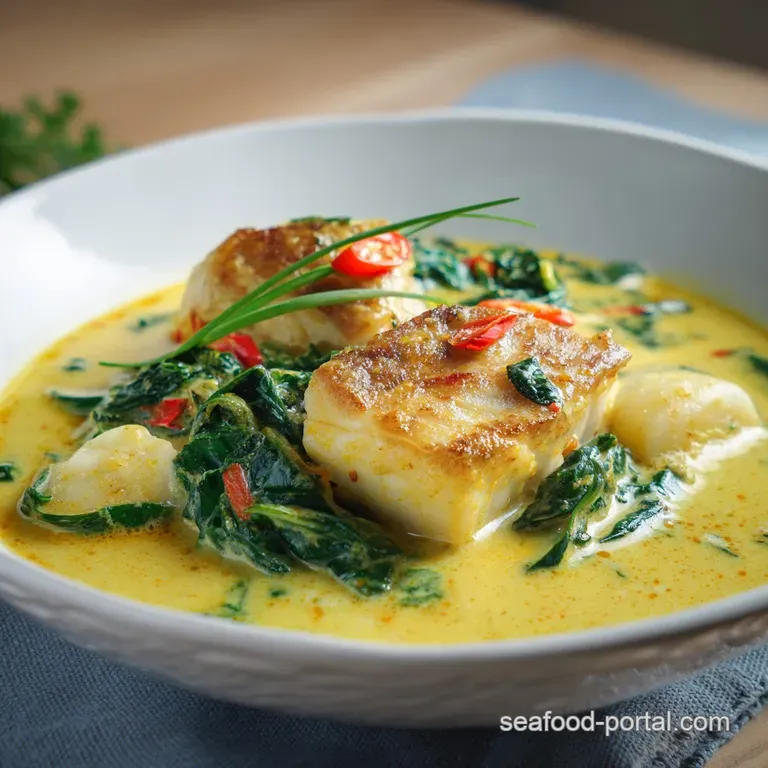
Simple Fish and Curry with Coconut Milk
- Time: Active 10 minutes, Passive 15 minutes, Total 25 minutes
- Flavor/Texture Hook: Silky, spiced coconut broth with buttery, flaky white fish
- Perfect for: Stress free weeknight dinners or impressing guests with minimal effort
- Mastering Vibrant Homemade Fish and Curry
- The Science of Fragrant Aromatics
- Essential Components and Smart Substitutions
- Required Tools for Culinary Success
- Step-by-Step Guide to Success
- Troubleshooting Common Sauce Mishaps
- Adjusting Portions for Every Occasion
- Debunking Traditional Seafood Myths
- Preserving Freshness and Reducing Waste
- Selecting the Perfect Side Dishes
- Recipe FAQs
- 📝 Recipe Card
Mastering Vibrant Homemade Fish and Curry
There is a specific sound that happens when you drop minced ginger and garlic into hot coconut oil a frantic, fragrant sizzle that immediately fills the kitchen with a scent so intoxicating it brings people wandering in from other rooms.
I remember the first time I nailed this recipe; it was a gloomy Tuesday evening, and I was craving something that felt like a hug but didn't require three hours of simmering. I had some white fish in the fridge and a tin of coconut milk, and within twenty minutes, the house smelled like a high end coastal bistro.
We often think of deep, complex curries as labor intensive projects reserved for weekend cooking, but fish changes the game entirely. Because seafood cooks so rapidly, the entire process becomes a sprint toward flavor rather than a marathon of patience.
You aren't waiting for tough fibers to break down; you are simply creating a luxurious environment for the fish to bathe in. It's brilliant, honestly, and once you realize how easy it is to balance the heat of the chillies with the zing of fresh lime, you’ll likely stop ordering takeout altogether.
This isn't about following a rigid set of rules; it's about understanding how a few pantry staples can transform into a velvety, golden sauce. We've all had those lackluster, watery curries that feel thin and uninspired. This version is the opposite.
It’s thick enough to coat the back of a spoon and rich enough to satisfy even the most demanding comfort food cravings. Trust me on this once that turmeric hits the oil and turns the whole pan into a glowing amber masterpiece, you’ll be hooked.
The Science of Fragrant Aromatics
The secret to a truly great fish and curry lies in the thermodynamics of spice blooming and protein denaturation. When we toss our ground turmeric, cumin, and coriander into the hot coconut oil, we aren't just heating them up; we are initiating a chemical release.
Lipid Soluble Extraction: Many of the flavor compounds in spices are fat soluble, meaning they only unlock their full aromatic potential when dissolved in oil rather than water. By "blooming" them first, we create a more intense and integrated flavor profile that permeates the entire dish.
Protein Denaturation Control: Fish is highly sensitive to heat, and its connective tissues break down much faster than beef or chicken. By using the "low and slow" poaching method in coconut milk, we keep the internal temperature of the fish chunks consistent, preventing the proteins from tightening and squeezing out moisture, which leads to that dreaded rubbery texture.
Emulsification Stability: The tomato paste acts as more than just a flavor builder; its natural pectins help stabilize the emulsion between the coconut milk fats and the fish stock. This prevents the sauce from splitting or looking "broken" even when we add the acidic lime juice at the very end.
| Cook Method | Time | Texture | Best For |
|---|---|---|---|
| Stovetop Simmer | 15 minutes | Flaky and tender | Traditional weeknight meals |
| Slow Cooker | 3 hours | Soft and infused | Deep spice penetration |
| Pressure Cooker | 4 minutes | Very soft | Absolute time emergencies |
Whether you choose the quick stovetop method or the slower infusion of a crockpot, the goal remains the same: protecting the delicate nature of the seafood while maximizing the impact of your aromatics. If you're looking for more ways to master stovetop seafood, you might find inspiration in my Fish Recipes which focus on achieving that same level of precision with different sauces.
Essential Components and Smart Substitutions
The beauty of this dish is that it relies on a few heavy hitters that do most of the work for you. Each ingredient serves a specific purpose, from providing the fat that carries the spice to the acid that cuts through the richness. When choosing your fish, look for "firm" varieties like cod, haddock, or halibut.
If you use a very delicate fish like sole, it will simply disintegrate into the sauce which is fine for flavor, but less satisfying for texture.
| Ingredient | Science Role | Pro Secret |
|---|---|---|
| Coconut Oil | over High heat fat carrier | Use virgin coconut oil for a more intense tropical aroma |
| Turmeric | Color and earthiness | Don't skip this; it provides the signature golden hue and anti inflammatory properties |
| Fish Stock | Umami depth | Always use high-quality stock to avoid a "tinny" or overly salty aftertaste |
| Tomato Paste | Acidity and body | Sauté it until it turns dark red to caramelize the natural sugars |
Choosing the right base is vital for the overall success of the meal. While we are focusing on a curry today, the same principles of choosing fresh, firm white fish apply to other classics, such as a Homemade Fish Cakes recipe where texture is king.
- 2 tbsp Coconut oil: Provides the fat for blooming. (Substitute: Ghee or neutral vegetable oil) Why this? Coconut oil complements the milk's flavor.
- 1 Large yellow onion: Adds sweetness and base structure. (Substitute: Shallots for a milder, sweeter taste)
- 3 cloves Garlic: Essential pungent aromatic. (Substitute: 1 tsp garlic paste)
- 1 tbsp Fresh ginger: Adds heat and zing. (Substitute: 1 tsp ground ginger, but fresh is far superior)
- 2 Green chillies: Provides the heat. (Substitute: 1/2 tsp red chili flakes) Why this? Slitting them lengthwise releases heat without losing them in the sauce.
- 1 tsp Ground turmeric: For color and earthy notes. (Substitute: Freshly grated turmeric root)
- 1 tsp Ground cumin: Adds warmth. (Substitute: Cumin seeds, toasted and crushed)
- 1 tsp Ground coriander: For a citrusy, floral note. (Substitute: Ground caraway)
- 14 oz Full fat coconut milk: The creamy base. (Substitute: Heavy cream + 1 tsp coconut extract) Why this? Full fat provides the velvety mouthfeel low-fat versions lack.
- 0.5 cup Fish stock: Thins the sauce and adds depth. (Substitute: Vegetable stock or clam juice)
- 1 tbsp Tomato paste: For acidity and color. (Substitute: 2 tbsp tomato purée)
- 1.5 lbs Firm white fish: The star protein. (Substitute: Prawns or firm tofu chunks)
- 1 tbsp Fresh lime juice: Brightens the entire dish. (Substitute: Lemon juice or rice vinegar)
- 0.5 cup Fresh cilantro: For a fresh finish. (Substitute: Flat leaf parsley or Thai basil)
- 0.5 tsp Salt: Enhances all other flavors. (Substitute: 1 tsp fish sauce for extra umami)
Required Tools for Culinary Success
You don't need a kitchen full of gadgets to make a world class curry, but having the right pan makes a massive difference. I highly recommend using a heavy bottomed skillet or a cast iron pan (like those from Lodge).
The thick base ensures that the coconut milk doesn't scorch and that the heat is distributed evenly, which is crucial when you're poaching delicate fish.
A microplane or a fine grater is also a lifesaver for the ginger. I used to try and mince it with a knife, but you end up with fibrous chunks that aren't pleasant to bite into. Grating it directly into the pan creates a paste that melts into the oil.
Also, keep a sharp chef's knife handy for cubing the fish you want clean, 2 inch chunks that won't fray or break apart as they cook.
Chef's Tip: Grate your ginger while it's still frozen. It makes the task effortless and prevents the ginger from turning into a stringy mess.
step-by-step Guide to Success
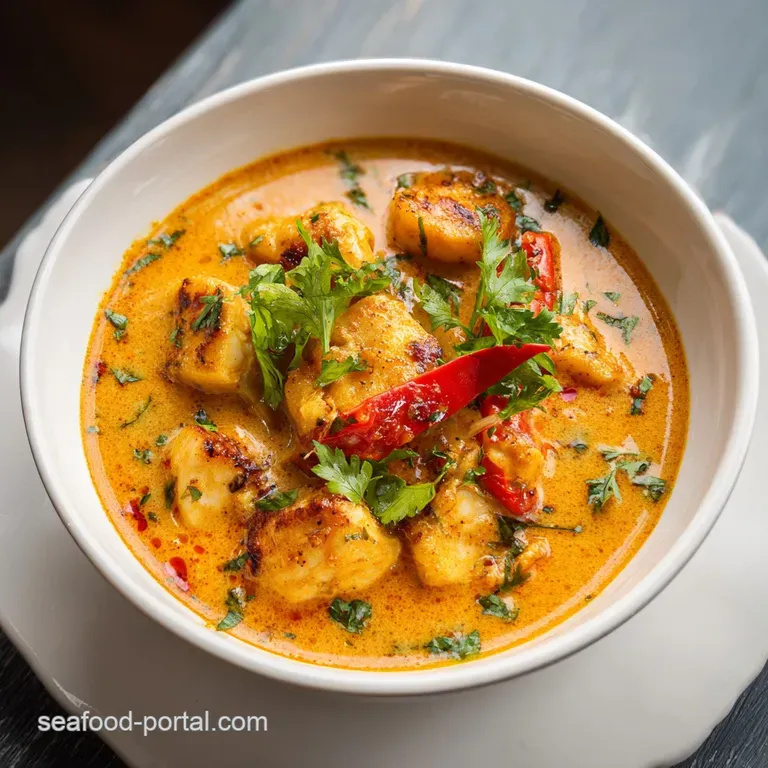
1. Sautéing and Scenting Base
Heat the 2 tbsp coconut oil in your skillet over medium heat. Add the finely diced yellow onion and sauté for about 5 minutes until translucent and slightly golden. Note: Don't rush this; the sweetness of the onion balances the spices later.
2. Blooming the Aromatics
Stir in the 3 cloves of minced garlic, 1 tbsp grated ginger, and 2 slit green chillies. Cook for 1 to 2 minutes until the aroma is fragrant and sharp.
3. Activating the Spices
Add the 1 tsp turmeric, 1 tsp cumin, and 1 tsp coriander to the pan. Toast them in the oil for 30 seconds until they smell toasted but not burnt.
4. Caramelizing the Paste
Add the 1 tbsp tomato paste. Stir constantly for 1 minute until the paste darkens to a deep rust color. Note: This removes the raw metallic taste of the tomato.
5. Building the Velvety Sauce
Pour in the 14 oz coconut milk and 0.5 cup fish stock. Whisk gently to combine all the spices and the paste into the liquid.
6. Simmering for Depth
Bring the mixture to a gentle simmer. Let it cook for 5 minutes until the sauce slightly thickens and looks glossy.
7. The Gentle Fish Poach
Season the 1.5 lbs of fish chunks with the 0.5 tsp salt, then carefully nestle them into the sauce. Lower the heat to medium low.
8. Monitoring the Doneness
Cover the pan and cook for 5 to 7 minutes until the fish is opaque and flakes easily with a fork. Note: Avoid stirring too much, or the fish will break into small bits.
9. Adding the Bright Finish
Remove the pan from the heat. Stir in the 1 tbsp lime juice and 0.5 cup fresh cilantro until the green herbs are just wilted.
10. The Final Rest
Let the curry sit for 2 minutes before serving. This allows the sauce to settle and the flavors to fully marry before hitting the plate.
Troubleshooting Common Sauce Mishaps
The most common frustration with coconut based curries is the sauce "splitting," where the oil separates from the solids. This usually happens if the heat is too high or if you add acid too early. If you see tiny beads of oil rising to the top, don't panic.
You can often fix it by whisking in a splash of room temperature coconut milk or a teaspoon of cornstarch slurry.
Sauce Separation or Curdling
When the heat is too aggressive, the proteins in the coconut milk can clump together. This doesn't ruin the taste, but it does affect the velvety texture we're aiming for.
| Problem | Root Cause | Solution |
|---|---|---|
| Separated Sauce | Temperature was too high | Whisk in 1 tbsp of cold coconut milk off the heat |
| Bland Flavor | Lack of acid or salt | Add an extra squeeze of lime or a dash of fish sauce |
| Mushy Fish | Overcooked or stirred too much | Reduce cook time by 2 mins next time; don't stir after adding fish |
Fish Breaking and Flaking
If your fish chunks are disappearing into the sauce, it’s likely because you’re being a bit too enthusiastic with the wooden spoon. Once the fish goes into the pan, it should be treated with total care.
Use a spoon to baste the tops of the chunks with the sauce rather than tossing them around like a stir fry.
Common Mistakes Checklist:
- ✓ Using low-fat coconut milk (results in a thin, watery sauce)
- ✓ Boiling the sauce once the fish is added (makes the fish rubbery)
- ✓ Adding lime juice while the pan is still on high heat (can cause curdling)
- ✓ Cutting fish into uneven sizes (leading to some pieces being raw while others are overcooked)
- ✓ Skipping the "blooming" stage for the spices (leaves the curry tasting "dusty")
Adjusting Portions for Every Occasion
If you're cooking for a crowd, this recipe is incredibly easy to scale up. For 8 people, simply double everything, but be cautious with the salt and chillies sometimes doubling these exactly can lead to an overwhelming result. Start with 1.5x the salt and heat, then adjust at the very end.
For a smaller household, you can easily halve the recipe. However, I often suggest making the full amount of sauce and only cooking half the fish. The leftover sauce freezes beautifully, making your next meal even faster.
When scaling down, use a smaller pan so the sauce is deep enough to actually poach the fish chunks rather than just searing them on the bottom.
| Servings | Fish Quantity | Coconut Milk | Pan Size |
|---|---|---|---|
| 2 People | 0.75 lbs | 7 oz (half tin) | 8 inch skillet |
| 4 People | 1.5 lbs | 14 oz (full tin) | 12 inch skillet |
| 8 People | 3 lbs | 28 oz (two tins) | Large Dutch oven |
Debunking Traditional Seafood Myths
A huge misconception is that fish needs to be marinated for hours to take on the flavor of a curry. In reality, because fish is so porous, it absorbs flavors almost instantly. Long marinations in acidic ingredients like lime or lemon can actually start "cooking" the fish (like a ceviche), which ruins the texture once it hits the hot pan.
Another myth is that you must use fresh fish for the best results. While fresh is wonderful, high-quality "flash frozen" fish is often better than "fresh" fish that has been sitting in a display case for three days.
Just ensure you thaw it completely in the fridge and pat it bone dry with paper towels before adding it to the curry. Moisture is the enemy of flavor concentration.
Preserving Freshness and Reducing Waste
This curry is best enjoyed immediately, as seafood doesn't always love being reheated. However, if you do have leftovers, they will keep in the fridge for up to 2 days. When reheating, do it very gently on the stovetop over low heat. Avoid the microwave if possible, as it tends to turn the fish into rubber in seconds.
For zero waste cooking, don't throw away those cilantro stems! They actually have more flavor than the leaves. Finely chop them and sauté them along with the onions and ginger at the beginning.
If you have leftover coconut milk, freeze it in ice cube trays they are perfect for dropping into your morning smoothie or a future batch of rice. Also, if you bought a whole fish, keep the bones and head in the freezer to make your own fish stock for the next time you crave this dish.
Selecting the Perfect Side Dishes
The sauce is the soul of this meal, so you need a side dish that can act as a sponge. A fluffy pile of Basmati rice is the classic choice, but if you want something more indulgent, try some garlic naan or even some crusty sourdough bread to swipe up every last drop of the golden broth.
If you're looking for a low carb option, cauliflower rice works surprisingly well here. The nuttiness of the cauliflower pairs beautifully with the coconut milk. For a bit of crunch, a simple cucumber salad with rice vinegar and sesame seeds provides a refreshing temperature contrast to the warm, spiced curry.
Whatever you choose, make sure it's something that won't compete with the complex aromatics of the fish and curry itself. Regardless of the side, the goal is always to let those vibrant, freshly bloomed spices take center stage.

Recipe FAQs
What fish is good with curry?
Firm white fish is recommended. Cod, halibut, or haddock are excellent because they hold their shape during the gentle poaching process. Avoid very delicate fish like sole, which may disintegrate into the sauce.
Can you eat fish with curry?
Yes, absolutely. Fish and curry is a classic combination, especially in coastal regions where seafood is plentiful. Fish cooks quickly, making it perfect for fast, flavorful coconut milk based curries.
How to add fish to a curry?
Nestle the seasoned fish chunks gently into the simmering sauce after the base has developed. Cover the pan and poach on low heat for 5 to 7 minutes until opaque. Avoid stirring vigorously to prevent the protein from breaking apart.
What is the most common fish used in Indian curry?
Traditionally, firm white fish like cod or hake are popular, depending on the region. In South India, richer fish like Kingfish or Snapper are often favored for robust flavors. If you are looking for a quick alternative that pairs well with similar spice bases, consider trying our PanSeared Tilapia with recipe to practice searing techniques.
Is it true that fish must be marinated for hours before adding to curry?
No, this is a common misconception. Fish is highly porous and absorbs flavor rapidly, often within minutes in a warm sauce. Extended marination, especially with acid, can actually start to "cook" the exterior, resulting in a poor texture after simmering.
Can I use frozen fish for a fish curry?
Yes, high-quality flash frozen fish is perfectly acceptable. Ensure you thaw the fish completely in the refrigerator before cooking, and pat it very dry with paper towels to remove surface moisture. Excess moisture will dilute your sauce.
What is the key to making the curry sauce thick and creamy instead of watery?
Simmer the spice base uncovered for 5 minutes before adding the fish. This allows water content to reduce and the natural fats in the coconut milk to separate slightly, creating a richer body. If you're interested in controlling texture in other sauces, see how we achieve stable emulsions in our Easy Poached Cod with recipe guide.
Simple Fish And Curry
Ingredients:
Instructions:
Nutrition Facts:
| Calories | 428 kcal |
|---|---|
| Protein | 33.8 g |
| Fat | 29.4 g |
| Carbs | 9.2 g |
| Fiber | 2.1 g |
| Sugar | 3.4 g |
| Sodium | 565 mg |
