The Ultimate Silken Poached Chicken Breasts Moistness Guaranteed
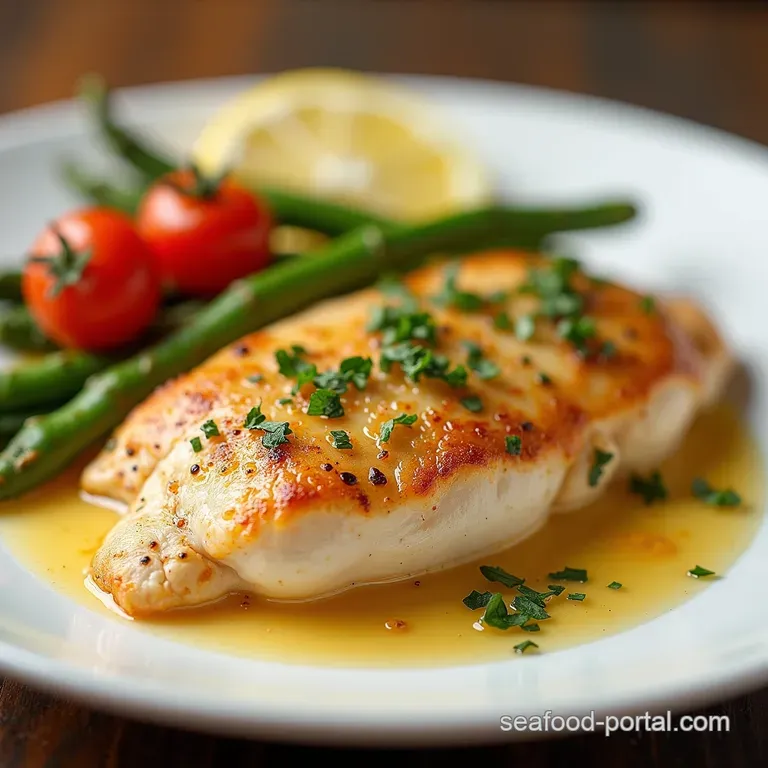
- The Secret to Irrefutably Juicy Poached Chicken Breasts
- Why Poaching Beats Every Other Cooking Method
- Assembling Your Flavor-Packed Poaching Liquid
- Essential Gear for Perfect Poached Chicken
- Mastering the Gentle Art of Poaching
- Brilliant Ways to Repurpose Your Tender Poached Chicken Breasts
- Storage Science: Keeping Poached Goodness Fresh
- Recipe FAQs
- 📝 Recipe Card
The Secret to Irrefutably Juicy Poached Chicken Breasts
Forget everything you thought you knew about boiled chicken tasting bland and stringy. The art of poaching is perhaps the most undervalued technique in the home cook’s repertoire, especially when dealing with lean cuts like the breast.
We’re not just boiling meat here; we are gently bathing it in an intensely flavoured bath to produce Moist Poached Chicken that is impossibly tender, delicate, and supremely versatile.
This Poached Chicken Breast Recipe ensures that the final product is far from remedial it’s the ultimate foundation for countless meals. Think less rubbery texture, and more silken succulence, ready for anything from slicing thinly to Poached Chicken for Shredding .
Why Poaching Beats Every Other Cooking Method
Poaching relies on very low, moist heat, which cooks the protein slowly and evenly without ever shocking the exterior. This gentle cooking environment is precisely what prevents the muscle fibres from contracting too tightly and squeezing out all that precious internal moisture.
Banish Dry Poultry Forever: Our Foolproof Guarantee
When you pan-fry or roast chicken breasts, the outside must reach a high temperature to cook through, often resulting in an overcooked shell protecting a just done interior. Poaching eliminates this conflict.
By maintaining the liquid temperature just below boiling a delicate "shiver" on the surface we ensure the entire piece of poultry reaches the target internal temperature of 165° F ( 74° C) simultaneously.
This consistent, low-and-slow treatment is the key to never serving dry poultry again.
From Basic Bird to Silken Supper Staple
Once you master this technique, your Poached Chicken Breast becomes a weeknight hero. It’s light, lean, and inherently flavourful due to the broth it bathes in.
It's an Easy Poached Chicken Dish that requires minimal hands-on time but yields fantastic results, making it perfect for busy weeknights when you need clean, reliable protein.
Flavor Infusion: It Starts Before the Simmer
Unlike grilling or roasting where flavour is layered on top, poaching infuses flavour from within . The liquid surrounding the chicken is packed with aromatics herbs, vegetables, and seasoning. As the chicken cooks gently, it absorbs these subtle, savoury notes.
This makes the resulting meat highly seasoned internally, meaning you need far less sauce or dressing later on, enhancing its appeal in dishes like a classic Poached Chicken Salad .
Assembling Your Flavor Packed Poaching Liquid
The success of your Poached Chicken in Broth hinges entirely on what you put into the liquid. We aren't just using water; we are creating a highly aromatic elixir.
For four generous servings of chicken, we start with 8 cups of liquid either good quality low-sodium stock or water, depending on your desired richness. To this, we add 2 tablespoons of kosher salt (crucial for seasoning the meat itself), 1 teaspoon of whole black peppercorns, 2 large dried bay leaves, half a roughly chopped onion, one roughly chopped celery stalk, and 4 to 6 sprigs of fresh thyme.
Finally, we include half a lemon, halved, for a necessary touch of brightness that cuts through the richness.
Related Recipes Worth Trying
- Foolproof Poached Pears with Salted Butter Caramel Sauce — Elevate your dessert game with this showstopping Recipe for Poached Pears with Caramel Sauce Learn how to nail the tricky caramel step for perfect Pears in...
- The Flawless Poached Egg Foolproof Runny Yolk Every Time — Stop dreading the pan Learn how to make perfect poached eggs with a silky white and molten yolk using this simple sieve tutorial Start your brunch right
- The Ultimate Extra Crispy Buttermilk Fried Chicken Tenders — Stop settling for soggy Master the doubledredge technique for Extra Crispy Fried Chicken Tenders that stay crunchy Perfect comfort food
Essential Gear for Perfect Poached Chicken
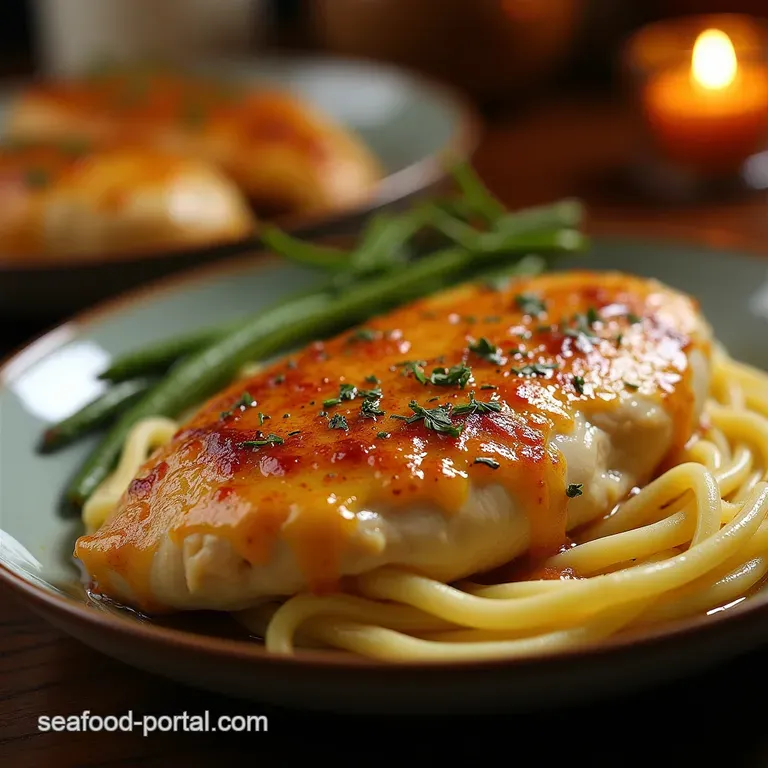
You don't need specialized equipment, but having the right vessel makes the process smoother. A large, deep pot or Dutch oven is essential, as it must be wide enough to hold the four chicken breasts in a single layer. This prevents overcrowding, which would cause the temperature to fluctuate unevenly.
Most importantly for precision, an instant read digital thermometer is your best friend for confirming doneness without guesswork.
The Aromatic Core: Broth Building Blocks
The combination of onion, celery, and thyme forms the holy trinity of gentle stock flavouring. These components release their volatile oils slowly as the liquid heats, permeating the chicken subtly.
Using whole peppercorns ensures a clean flavour without the bitterness that ground pepper can sometimes impart when simmered for an extended period.
Selecting Primetime Chicken: Thickness Matters
When selecting your 4 boneless, skinless chicken breasts (aiming for 6 8 oz each), inspect them for uniform thickness. If one end is significantly thicker than the other, take a meat mallet and gently tap the thicker side until the breast is relatively even.
This step, taking only a minute during the 10 minutes of active prep time, prevents the thinner part from drying out while waiting for the thicker part to cook through. Even thickness ensures every piece of Poached Chicken Tender reaches perfection at the same time.
Optional Enhancements for a Zesty Kick
If you prefer a brighter flavour profile, feel free to introduce other elements to the poaching liquid. A few thin slices of fresh ginger, a tablespoon of white wine vinegar, or even a few crushed garlic cloves can substitute or supplement the lemon for a different yet equally delicious outcome.
Mastering the Gentle Art of Poaching
The actual cooking process takes about 15 to 20 minutes, depending on the size of your breasts. This is where many home cooks make mistakes by letting the heat get too aggressive.
Setting the Stage: Bringing the Liquid to the Perfect Shiver
Begin by heating your prepared poaching liquid over medium high heat until you see the first signs of heat tiny bubbles forming around the edge of the pot. This is the critical moment. Immediately reduce the heat to the absolute lowest setting possible.
We are aiming for a temperature just below simmer, where you see only the occasional, languid bubble break the surface. This gentle warmth is what allows the protein to coagulate slowly.
Submerging and Steeping: The Low-and-Slow Technique
Once the liquid is at that perfect, barely simmering state, gently lower the seasoned chicken breasts into the bath using tongs, ensuring they are fully submerged. Immediately cover the pot partially, leaving a small gap for steam to escape.
Maintain this barely simmering environment for 12 to 18 minutes.
Testing for Doneness Without Overcooking
This is where the digital thermometer shines. Begin checking the internal temperature in the thickest part of the largest breast after 12 minutes. The chicken is safely cooked and optimally moist when it registers exactly 165° F ( 74° C) .
Pulling it even slightly under (say, 160° F) is acceptable because of the next step.
The Crucial Cooling Phase for Maximum Tenderness
Once the target temperature is hit, remove the pot entirely from the heat source. Leave the chicken to rest right there in the cooling liquid for an additional 5 to 10 minutes.
This residual heat finishes the cooking process gently a carryover effect that firms up the texture beautifully ensuring maximum retention of those lovely internal juices.
Brilliant Ways to Repurpose Your Tender Poached Chicken Breasts
The beauty of having expertly cooked, neutral flavoured protein on hand cannot be overstated. Whether you plan on slicing it warm over grains or chilling it for later, the texture is superb.
For immediate use, slice it thinly and serve it warm alongside roasted vegetables, perhaps drizzled with a little homemade vinaigrette. For a lighter preparation, Poaching Chicken Tender pieces and cooling them down makes for the fastest lunch assembly.
Storage Science: Keeping Poached Goodness Fresh
Once cooled, store your Poached Chicken Breast in an airtight container in the refrigerator. It keeps wonderfully for up to four days, ready to be incorporated into various meals throughout the week.
From Salad Toppings to Creamy Pasta Fillings
The shredded versatility is unmatched. Toss the cold, shredded chicken with a light dressing for a healthy, protein packed lunch salad, or mix it into a creamy sauce for a quick pasta dish.
Even Poaching Chicken Tender pieces yields perfect sized cubes for stir fries where you want the meat to absorb the sauce without drying out.
Infusing Extra Spice: A Quick Pickle Option
For a zesty change of pace after it's cooked, try a quick pickle. While the chicken is still warm, submerge the slices in a jar filled with a mixture of equal parts vinegar and water, some sugar, salt, and thin slices of jalapeño.
After chilling for a few hours, you have intensely flavoured, tangy chicken perfect for topping nachos or adding a kick to tacos.
Calculating Protein Yields and Macronutrients
For those tracking intake, remember that one medium breast (around 7 oz raw weight) yields approximately 35 38 grams of high-quality protein for only about 3 4 grams of fat, making this one of the leanest, most satisfying ways to consume protein.
Freezing Protocols for Long Term Flavor Preservation
If you anticipate needing the chicken for meal prepping weeks ahead, freezing is simple. Ensure the chicken is fully cooled. To maximize moisture retention during freezing, place the whole or sliced breasts into a freezer safe bag, pressing out as much air as possible.
If you want to maximize flavour longevity, consider submerging them completely in a small amount of the reserved, strained poaching liquid before sealing and freezing flat. This offers exceptional protection against freezer burn, ensuring your future meal maintains the quality established today.
Recipe FAQs
How do I stop my Poached Chicken Breasts from turning out dry and stringy?
The key, chuck, is managing the heat! You must never let the liquid come to a rolling boil; we’re aiming for a very gentle 'barely simmering' state. Once the chicken is in, drop the heat to its lowest setting and use a thermometer to pull the meat when it hits about 160°F (71°C), allowing the residual heat to finish the job while it rests in the warm broth.
Can I cook other things in the poaching liquid for my Poached Chicken Breasts?
Absolutely, that's just using your loaf! While the chicken is poaching, you can gently simmer root vegetables like carrots or leeks in the same broth to cook them perfectly. Just be aware that denser vegetables will take longer than the chicken, so you might want to add them first or pull them out separately.
How long will the poached chicken keep in the fridge, and what’s the best way to store it?
Poached chicken is brilliant for leftovers and keeps well for about 3 to 4 days in an airtight container in the fridge. For the best texture, store it whole or in large chunks rather than fully shredded, as this helps retain moisture until you’re ready to chop it up for sandwiches or salads.
Is it better to use water or stock for poaching the chicken breasts?
While water works in a pinch, using low-sodium chicken stock (or even a mix of water and half a stock cube) is miles better for flavour. Since poaching is a gentle cooking method, the quality of your poaching liquid really determines the final taste don't underestimate the aromatics like bay leaves and onion!
Can I poach chicken breasts from frozen?
It's generally best practice to thaw your chicken first, as poaching from frozen will significantly increase your cooking time and can lead to uneven results. If you must cook from frozen, add an extra 10 15 minutes to the poaching time and ensure the internal temperature reaches a safe 165°F (74°C) before resting.
Silken Poached Chicken Breasts